
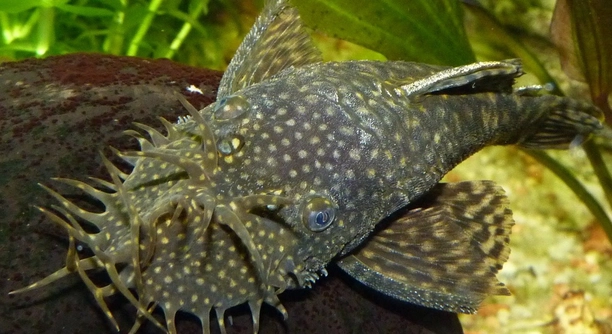
Do you ever notice your Bristlenose Pleco hiding more than usual or acting restless in the tank? These small, armored fish are fascinating to watch, yet their behavior can sometimes indicate they are feeling uneasy or unsettled.
Bristlenose Plecos are sensitive to changes in their environment and can experience stress from poor water quality, overcrowding, sudden temperature shifts, or insufficient hiding spaces. Maintaining stable conditions and proper care significantly reduces stress levels in these fish.
Learning how to recognize and manage stress in Bristlenose Plecos can help ensure they remain healthy, active, and comfortable in their aquatic environment.
Common Signs of Stress in Bristlenose Plecos
Bristlenose Plecos show stress in ways that are often subtle. You might notice them hiding constantly, swimming erratically, or staying near the water surface more than usual. Loss of appetite is also a clear sign, as stressed fish tend to eat less. Another behavior to watch for is excessive rubbing against decorations or tank walls, which can indicate irritation or discomfort. Their fins may appear clamped or damaged, and coloration might fade. Stress can weaken their immune system, making them more susceptible to disease. Sudden changes in tank conditions, such as temperature shifts or water quality issues, often trigger these behaviors. Observing your Pleco regularly helps catch stress early. Providing a consistent, calm environment and plenty of hiding spots can make a significant difference. By paying attention to these signals, you can take timely steps to keep your fish healthier and more relaxed in their tank.
Monitoring changes in behavior allows you to address problems before they become serious and ensures your Pleco remains healthy and active.
Creating a stable environment involves maintaining clean water, proper temperature, and suitable tank mates. Plecos thrive with consistent feeding schedules and hiding places like caves or driftwood. Avoid overcrowding and sudden changes in water parameters, as these can increase stress. Regular water testing and partial water changes help maintain a healthy environment. Providing natural surfaces to graze on, like algae-covered rocks or wood, keeps them engaged. Observing your Pleco daily can reveal small changes before they become severe. A calm, stable tank promotes long-term health and reduces the risk of disease, keeping your fish active and comfortable.
How Tank Conditions Affect Pleco Stress
Water quality has a direct impact on Bristlenose Pleco stress. Poor conditions can quickly lead to unhealthy, anxious fish.
Maintaining proper pH, temperature, and ammonia levels is essential. Regular water testing and adjustments prevent sudden stress, ensuring your Pleco remains active and comfortable.
Tank size, decor, and hiding spots all influence stress levels. Small tanks can feel cramped, causing agitation and increased aggression. Providing driftwood, caves, or plants offers shelter and security, giving Plecos a place to rest and feel safe. Filtration and gentle water flow reduce environmental strain, while consistent light cycles help regulate natural behaviors. Incompatible tank mates or overcrowding can trigger stress responses, making Plecos more vulnerable to disease. Observing how your fish interact with their surroundings allows you to make small adjustments that improve their comfort. By focusing on these aspects, you create a stable and supportive habitat where Bristlenose Plecos can thrive, stay healthy, and display natural behaviors without undue stress.
Preventing Stress Through Diet
A balanced diet helps reduce stress in Bristlenose Plecos. Feeding them a mix of algae wafers, vegetables, and occasional protein keeps them healthy and less prone to anxiety.
Fresh vegetables like zucchini, cucumber, and spinach provide essential nutrients. Algae wafers supplement their natural grazing behavior, giving them energy throughout the day. Occasional protein sources, such as bloodworms or shrimp, can be offered in small amounts. Avoid overfeeding, as uneaten food can pollute the tank and increase stress. A varied diet also encourages natural foraging, keeping your Pleco active and engaged. Consistent feeding schedules reduce uncertainty, allowing your fish to feel secure in its environment.
Supplying driftwood in the tank supports digestion and encourages natural scraping behavior. It also gives Plecos something to interact with, which can distract from stressful situations. Combining diet and environmental enrichment helps maintain both physical and mental health.
Monitoring Water Parameters
Regular water testing prevents stress caused by sudden changes in water conditions. Consistent monitoring ensures your Pleco lives in a stable environment.
Check ammonia, nitrite, nitrate, and pH levels at least weekly. Keeping temperature stable between 73°F and 81°F is crucial. Sudden swings in water chemistry can shock your Pleco, leading to weakened immunity and behavioral changes. Adjusting water gradually during changes reduces stress, while proper filtration keeps water clean and oxygenated. Observing your Pleco’s response to these conditions helps you identify potential issues early, preventing prolonged discomfort.
Water changes are important, but timing and quantity matter. Partial water changes of 20–30% every week are ideal. Avoid using harsh chemicals or drastic adjustments that can destabilize the tank. Keeping records of water parameters helps track patterns and predict potential problems. Pairing stable water conditions with adequate hiding spaces ensures your Pleco feels secure and comfortable. Regular observation combined with careful maintenance fosters a stress-free environment and promotes long-term health for your fish.
Providing Hiding Spots
Bristlenose Plecos need places to hide to feel secure. Caves, driftwood, and dense plants offer shelter, reducing stress and giving them a safe spot to rest.
Hiding spots also encourage natural behaviors like grazing and exploration. A tank with multiple shelters helps Plecos avoid conflicts with other fish and feel comfortable throughout the day.
Maintaining a Calm Environment
Minimizing sudden movements near the tank and avoiding loud noises helps keep Plecos relaxed. Gentle lighting and steady water flow prevent unnecessary stress. Proper filtration reduces debris and maintains water clarity, supporting their overall comfort.
Handling and Interaction
Avoid frequent handling, as Bristlenose Plecos are sensitive to touch. Interaction should be limited to feeding and observation, keeping them stress-free and healthy.
FAQ
Do Bristlenose Plecos get stressed easily?
Yes, they are sensitive fish and can become stressed from sudden changes in water conditions, overcrowding, or insufficient hiding places. Stress can affect their health, appetite, and behavior, so maintaining a stable environment is essential for their well-being.
What are the most common signs of stress in Plecos?
Clamped fins, faded colors, constant hiding, and reduced feeding are typical signs. They may also rub against tank walls or decorations excessively. Observing your Pleco daily allows you to notice these subtle changes early and take steps to reduce stress.
How often should I check water parameters?
Weekly monitoring of ammonia, nitrite, nitrate, and pH is recommended. Keeping water temperature stable between 73°F and 81°F prevents sudden shocks. Consistent water checks and small, regular adjustments ensure a calm environment.
Can tank mates cause stress for Bristlenose Plecos?
Yes, aggressive or overly active fish can intimidate Plecos. Choosing peaceful species and providing enough space and hiding spots minimizes conflicts and helps your Pleco feel secure. Avoid overcrowding, as it increases tension and stress.
What role does diet play in stress reduction?
A varied diet reduces stress by keeping Plecos healthy and engaged. Algae wafers, fresh vegetables like zucchini or cucumber, and occasional protein supplements provide proper nutrition. Consistent feeding schedules help them feel secure and reduce anxiety.
How do hiding spots reduce stress?
Hiding spots give Plecos a sense of safety. Driftwood, caves, and plants allow them to retreat when feeling threatened. Multiple shelters also prevent competition and promote natural behaviors, which lowers overall stress levels.
Does water flow affect stress levels?
Yes, Bristlenose Plecos prefer gentle currents. Strong flows can tire them out and increase stress, while calm water supports natural grazing and resting behaviors. Adjusting filter output and using flow deflectors can create a comfortable environment.
How do I know if my Pleco is sick or just stressed?
Stress often precedes illness. Look for faded colors, loss of appetite, clamped fins, or unusual swimming. If symptoms persist despite stable conditions, it may indicate a health issue requiring attention from a veterinarian or experienced aquarist.
Can lighting affect Pleco stress?
Bright or constant lighting can stress Plecos. They prefer dimmer environments or areas with shaded spots. Providing a day-night cycle mimics natural conditions, helping them maintain healthy behaviors and reducing stress.
Are Bristlenose Plecos sensitive to sudden changes in the tank?
Yes, sudden water changes, temperature shifts, or rearranged decorations can startle them. Gradual adjustments and consistent routines prevent unnecessary stress and support overall well-being.
How long does it take for a stressed Pleco to recover?
Recovery time varies depending on the cause. Minor stress may resolve in a few days once conditions stabilize. Severe stress from poor water quality or illness can take weeks, requiring careful monitoring and supportive care.
Can I interact with my Pleco without causing stress?
Interaction should be limited to feeding and observing. Bristlenose Plecos do not enjoy handling and can become stressed if disturbed frequently. Allowing them to explore their tank freely is the best approach.
Is tank size important for stress prevention?
Yes, a larger tank reduces territorial conflicts and allows for more hiding spots. Overcrowded conditions increase aggression and stress. Providing sufficient space is crucial for maintaining a calm, healthy environment.
What daily habits help keep Plecos stress-free?
Daily observation, consistent feeding, and ensuring clean water help prevent stress. Noticing small behavior changes early allows you to address potential issues quickly, keeping your Pleco active and healthy.
Can decorations or tank layout affect stress?
Yes, providing varied structures like driftwood, caves, and plants allows Plecos to explore and hide. A poorly arranged tank with few hiding spots can increase anxiety, while thoughtful layouts encourage natural behaviors and reduce stress.
Do Plecos react to loud noises?
They are sensitive to vibrations, so loud noises or sudden movements near the tank can startle them. Keeping the tank in a calm, quiet area supports their comfort and lowers stress levels.
How important is water filtration for stress prevention?
Proper filtration keeps the water clean and oxygenated, preventing build-up of harmful substances. Dirty or stagnant water increases stress and health risks. Choosing a reliable filter and maintaining it regularly is essential for a healthy Pleco habitat.
What are long-term effects of stress on Plecos?
Chronic stress can weaken the immune system, reduce lifespan, and make them prone to illness. Stress may also affect growth, reproduction, and behavior, highlighting the need for consistent care and stable tank conditions.
Can Plecos adapt to occasional stress?
They can tolerate short periods of mild stress if overall conditions remain stable. However, repeated or prolonged stress can have lasting negative effects, so preventing stress is more effective than trying to manage it afterward.
Are there signs that indicate a Pleco is happy and stress-free?
Active grazing, vibrant coloration, regular swimming, and exploring the tank indicate comfort. Plecos that hide but feed consistently are generally content. Observing these behaviors helps you ensure your fish remains healthy and relaxed.
How do I combine all stress prevention strategies?
Maintain stable water parameters, provide hiding spots, offer a balanced diet, limit disturbances, choose peaceful tank mates, and monitor behavior daily. Combining these approaches creates a supportive environment that keeps your Bristlenose Pleco healthy, comfortable, and stress-free.
This FAQ covers the most common concerns and solutions for preventing stress in Bristlenose Plecos, helping ensure their long-term health and happiness in your aquarium.
Bristlenose Plecos are small but fascinating fish that bring a lot of life to a tank. They are hardy in many ways, but they are also sensitive to their environment. Stress can quietly affect them, even if they appear healthy at first. Factors like water quality, temperature, tank size, and the presence of other fish all play a role in their well-being. Even small changes, such as rearranging decorations or skipping a feeding, can make a difference in how they behave. Observing your Pleco daily helps you notice subtle changes in behavior, such as hiding more than usual, reduced appetite, or unusual swimming patterns. Catching these signs early allows you to make adjustments that reduce stress and support their overall health. By paying attention to their habits and needs, you can create a safe and stable environment where they feel comfortable and secure.
Maintaining clean and stable water is one of the most important ways to reduce stress. Regular testing for ammonia, nitrite, nitrate, and pH helps ensure the tank remains safe. Partial water changes on a consistent schedule prevent harmful build-up and keep the water clear. Temperature stability is equally important, as sudden changes can shock a Pleco. Proper filtration and gentle water flow support a calm and comfortable environment. Providing hiding places like caves, driftwood, and plants allows them to retreat when they feel threatened, which is a natural and healthy behavior. A well-structured tank also gives them space to explore and graze, helping them feel secure and active. Combining water quality management with thoughtful tank layout helps prevent stress before it starts, making it easier for your Pleco to thrive.
Diet and daily care also play a key role in keeping Bristlenose Plecos stress-free. Feeding a variety of foods, including algae wafers, fresh vegetables, and occasional protein, ensures they get the nutrients they need. Consistent feeding schedules reduce uncertainty and help them feel secure in their routine. Minimizing loud noises and sudden disturbances around the tank also supports their well-being. While Plecos are not interactive in the way some fish are, observing them and providing a stable, enriched environment demonstrates care in a subtle but effective way. Overall, preventing stress in Bristlenose Plecos requires attention to water, environment, and nutrition. By keeping these factors consistent and observing your fish carefully, you can help them stay healthy, active, and comfortable, making your tank a safe and thriving habitat.
Word count: 409

Hello,
If you enjoy the content that we create, please consider saying a "Thank You!" by leaving a tip.
Every little bit helps us continue crafting quality advice that supports the health, happiness, and well-being of pets around the world, for pets of all shapes, sizes, and species.
We really appreciate the kindness and support that you show us!