
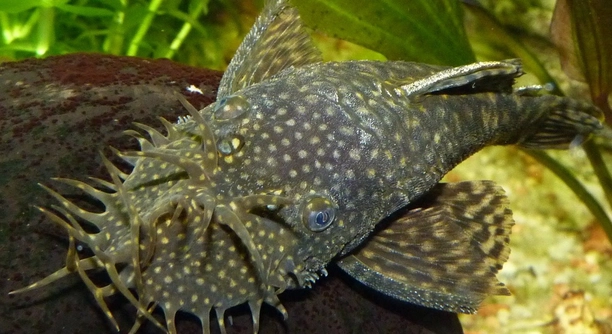
Have you noticed your pleco gliding smoothly along the tank glass, yet reacting suddenly to subtle shifts in the water? Many fishkeepers observe these behaviors and wonder about the hidden senses their aquatic pets might possess.
Plecos have specialized sensory organs called the lateral line system, allowing them to detect minute changes in water pressure. This adaptation enables the fish to respond to currents, obstacles, and nearby movements, enhancing their navigation and survival in aquatic environments.
Understanding these pressure responses can improve how you set up and maintain your aquarium, ensuring a healthier and more comfortable environment for your plecos to thrive.
How Plecos Sense Water Pressure
Plecos rely heavily on their lateral line system, a row of specialized sensory organs running along their sides. This system detects subtle shifts in water pressure, helping them sense currents, nearby objects, and even approaching predators. In aquariums, changes in water movement from filters, pumps, or other fish can trigger noticeable reactions. Observing your pleco during these moments can reveal patterns in its behavior, such as gliding closer to surfaces, hiding in caves, or adjusting swimming speed. These responses are not random but precise adaptations that allow plecos to navigate efficiently and feel secure. Over time, you may notice your pleco becomes more attuned to the specific water flow in its tank, responding more quickly to even minor disturbances. Regular maintenance of water flow, along with careful placement of decorations, ensures the pleco can use its sensory system effectively without stress. Consistent observation helps you understand how your fish interprets its environment.
Adjusting tank flow gradually is key to keeping plecos comfortable. Sudden changes often startle them.
Plecos also use subtle body movements to complement pressure sensing. They may tilt slightly or fan their fins to gauge currents better. In natural habitats, these adaptations allow them to avoid predators, locate food, and maintain position in strong river flows. In captivity, providing areas of varied flow encourages natural behavior. Plants, rocks, and driftwood can create zones where water moves differently, giving plecos choice in where they swim or rest. By observing these interactions, you can better replicate conditions that reduce stress and promote healthy activity. Understanding how water pressure affects movement also aids in tank cleaning and filter adjustments. Over time, your pleco’s responsiveness becomes a valuable indicator of tank conditions, signaling changes in flow or water quality without overt symptoms. Incorporating this knowledge can help maintain a balanced, thriving aquarium environment.
Signs Your Pleco Is Reacting to Pressure
Plecos often change swimming patterns or hover near surfaces when detecting shifts in water pressure.
Common signs include increased fin movement, pressing against tank walls, or retreating to hiding spots. Monitoring these behaviors can help you identify which areas of the tank create stronger currents. Adjusting filter output, rearranging decorations, or adding plants can moderate pressure zones. Consistency in water flow is essential; erratic currents can stress plecos, impacting feeding, growth, and overall health. Some plecos may prefer calm corners, while others enjoy stronger streams, depending on their species and size. Documenting daily behavior helps track adaptations over time, providing insight into their sensory perceptions. Regular observation not only safeguards their comfort but also supports proactive tank management. Over time, these measures foster a stable environment where plecos can thrive, respond naturally, and display healthy behaviors influenced by water pressure.
Adjusting Tank Flow for Plecos
Plecos react best to gradual changes in water flow. Sudden increases from pumps or filters can stress them. Adjusting equipment slowly allows the fish to adapt and maintain normal behavior. Observing responses during these adjustments ensures they remain comfortable and healthy in their environment.
Monitoring tank flow helps prevent unwanted stress. Plecos will hide or become less active if currents are too strong. By placing decorations strategically, you can create calm zones where they can rest. Observing how plecos move around these areas indicates whether flow adjustments are effective. Over time, you’ll notice your fish becoming more confident and active, moving freely between strong and gentle currents, which reflects a balanced and well-maintained tank environment.
Gradual flow adjustments also support feeding and activity levels. Plecos use water currents to locate food and explore their tank. Sudden turbulence can disrupt these behaviors, causing skipped meals or unusual hiding. Providing varied flow zones mimics natural conditions, encouraging natural swimming patterns and interactions with the environment. Consistent observation during changes allows you to understand each pleco’s preferences and tolerances. Ensuring these conditions supports their overall well-being and allows you to maintain a stable, stress-free aquarium that aligns with their sensory abilities.
Environmental Factors Affecting Pressure Detection
Water temperature, tank size, and decorations influence pleco pressure sensing. Each factor can alter flow patterns, affecting how plecos respond.
Temperature affects water density and movement, subtly changing pressure patterns that plecos detect. Larger tanks create longer flow paths, requiring adjustments to pumps or filters to maintain gentle currents. Decorations such as rocks, plants, or driftwood can redirect water, forming calm pockets or stronger streams. Understanding these elements helps replicate natural conditions and supports healthy sensory function. Consistent monitoring ensures plecos adjust smoothly to their environment, preventing stress from abrupt pressure changes. Observing their movements in relation to these factors allows for proactive tank management, ensuring they remain comfortable and active.
Recognizing Stress from Water Pressure
Plecos often show subtle signs when stressed by strong currents. Hiding more frequently, clinging to surfaces, or reducing movement can indicate discomfort caused by water pressure changes. Observing these behaviors early helps prevent long-term stress.
Maintaining calm areas in the tank allows plecos to recover. Gentle flow zones encourage normal activity and feeding. Adjusting filter output or rearranging decorations can reduce stress and improve overall well-being. Monitoring their behavior regularly ensures they remain comfortable in their aquatic environment.
Proper Filtration and Flow
Filters and pumps are essential, but their output must match pleco needs. Strong currents can overwhelm their lateral line system, causing stress or erratic swimming. Adjusting flow gradually helps them acclimate. Choosing equipment with adjustable settings ensures you can fine-tune conditions for each tank and pleco species. Consistent observation of swimming patterns, resting spots, and feeding behavior provides feedback on whether flow is appropriate. Proper filtration not only maintains water quality but also supports sensory comfort, enabling plecos to thrive. Balancing flow and filtration with tank layout creates a stable environment, reducing stress and promoting healthy natural behaviors for your fish over time.
Feeding Considerations
Water pressure can affect how plecos find and eat food. Ensure calm feeding zones to make meals easier and encourage proper nutrition.
FAQ
Can plecos sense water pressure changes immediately?
Plecos detect shifts in water pressure through their lateral line system almost instantly. This system senses vibrations and currents in the water, allowing them to respond quickly to movements or obstacles. While they react quickly, their behavior can vary depending on the intensity of the change and the overall environment in the tank. Smaller or slower currents might not trigger an immediate response, but noticeable increases in flow usually prompt adjustments in swimming patterns or hiding behavior. Consistent observation helps identify how each pleco reacts to different flow levels.
Do all pleco species react the same way to pressure?
Not all plecos respond identically. Species size, habitat preference, and natural behavior influence sensitivity. Some plecos that naturally inhabit fast-moving rivers are more tolerant of strong currents, while others prefer calm areas and may hide when flow increases. Even within a single species, individual temperament affects how they react to sudden or subtle changes. Observing specific responses in your aquarium is important to provide suitable flow zones. Customizing water movement to match species needs supports healthy activity and reduces stress, helping plecos thrive over time.
How can I adjust my tank to help plecos cope with water pressure changes?
Start by gradually adjusting filter output and pump strength. Avoid sudden increases in flow, as these can overwhelm their lateral line system. Create areas of calm water using decorations like rocks, driftwood, or plants to provide hiding spots and rest zones. Monitoring their behavior during adjustments helps ensure they are comfortable and actively exploring the tank. Positioning filters strategically can also prevent strong currents from dominating the entire tank. Over time, plecos will learn to navigate both calm and flowing areas safely, maintaining normal feeding and swimming patterns.
Will plecos become stressed if water pressure is inconsistent?
Yes, inconsistent water flow can cause stress. Rapid changes or erratic currents disrupt natural swimming patterns, leading to hiding, reduced feeding, or lethargy. Stress can weaken their immune system and affect growth. Keeping flow consistent, even when performing maintenance, ensures plecos remain comfortable. Regularly checking filter output and tank setup reduces the likelihood of sudden pressure changes, providing a stable environment that supports healthy sensory responses. Observing their reactions allows you to make timely adjustments and maintain a well-balanced tank environment.
Do decorations and plants affect plecos’ pressure sensing?
Yes, tank décor and plants create varied water currents, influencing how plecos perceive pressure. Rocks, driftwood, and dense planting can redirect flow, forming calm pockets where plecos can rest or feed. Open areas with stronger currents allow them to exercise and explore, mimicking natural habitats. Placement of these features is important; poorly arranged decorations may produce turbulent flow or dead zones, stressing the fish. Observing plecos’ preferences and adjusting décor accordingly helps them feel secure, encouraging natural behaviors and supporting their ability to sense and respond to water movement effectively.
How do plecos use water pressure sensing in feeding?
Plecos rely on pressure changes to locate food, especially when it drifts in the water. They detect vibrations from sinking pellets, algae sheets, or vegetables, adjusting position to reach food efficiently. In strong currents, they may move to calmer areas to feed more comfortably. Understanding their feeding behavior allows better placement of food in the tank, ensuring all plecos access meals without competition or stress. Consistent observation helps identify preferred feeding zones, which can be supported with gentle flow patterns to encourage natural feeding behavior and maintain overall health.
Can plecos adapt to stronger flows over time?
Yes, plecos can gradually adapt if changes are introduced slowly. Incremental increases in pump or filter output allow their lateral line system to adjust without causing stress. Observing their swimming patterns, hiding behavior, and feeding ensures adaptation is successful. Rapid, extreme changes may overwhelm them, so patience is essential. Providing varied flow zones helps plecos practice navigating currents safely, improving confidence and physical conditioning. Over time, they develop better control and responsiveness, allowing them to thrive in tanks with moderate or stronger currents while maintaining natural behavior and comfort.
Are there signs that indicate plecos are struggling with water pressure?
Signs include prolonged hiding, erratic swimming, decreased appetite, or clinging excessively to surfaces. Lethargy or unusual fin movements can also indicate stress. Monitoring behavior closely allows early intervention before health issues develop. Adjusting flow, creating calm zones, or rearranging decorations often resolves the problem, ensuring plecos feel secure. Regular observation of their daily activity provides insight into how pressure affects them, supporting proactive tank management that maintains both health and comfort.
Do plecos react differently at night to pressure changes?
Plecos are generally nocturnal, so they may be more active at night. Water pressure changes during the day can cause temporary hiding, but at night, they explore more freely. Maintaining consistent flow and calm areas ensures they can feed, navigate, and rest without stress. Observing nighttime behavior can provide additional insight into their adaptation to water pressure, helping adjust tank conditions to support natural patterns. Gentle currents during nighttime hours allow safe exploration, reflecting natural habitats and promoting overall well-being.
Is monitoring water pressure in a home aquarium necessary?
Yes, monitoring flow is important. Even small changes can impact pleco behavior and health. Observing swimming, hiding, and feeding patterns provides real-time feedback on whether tank conditions are suitable. Adjusting filters, pumps, and decorations based on these observations ensures a stable environment that supports sensory comfort, natural behavior, and long-term health. Regular checks prevent stress-related issues and maintain a thriving aquatic ecosystem tailored to pleco needs.
Final Thoughts
Plecos are remarkable fish with unique adaptations that allow them to sense subtle changes in water pressure. Their lateral line system is a key part of how they navigate, avoid obstacles, and locate food. Observing how plecos react to water movement provides insight into their comfort and overall health. Many fishkeepers may not realize how sensitive these fish are to currents and pressure changes. Even small adjustments to pumps, filters, or tank decorations can significantly impact their behavior. By paying attention to these reactions, you can create a more balanced environment that encourages natural activity and reduces stress.
Maintaining consistent water flow is crucial for plecos to thrive in an aquarium. Sudden or erratic changes in currents can overwhelm their sensory system, causing them to hide, reduce feeding, or exhibit unusual swimming patterns. Creating areas with varied flow—calm pockets for resting and stronger currents for activity—helps replicate natural habitats. Decorations, plants, and driftwood can redirect water, providing safe spaces and gentle streams where plecos feel secure. Gradual adjustments to filtration and tank layout ensure they can adapt without stress. Consistently monitoring their behavior and responding to signs of discomfort is a proactive way to support their well-being and encourage healthy, natural behaviors.
Understanding the relationship between water pressure and pleco behavior also improves tank management and care. Adjusting flow to suit the species’ needs ensures feeding is easier, swimming remains natural, and stress is minimized. Each pleco may have slightly different preferences depending on species, size, and temperament, so observing individual responses is essential. Providing a balanced environment with stable conditions supports long-term health and allows these fish to exhibit their natural behaviors fully. Paying attention to water pressure and flow not only benefits plecos but also enhances the overall harmony and stability of the aquarium. With careful observation and thoughtful adjustments, plecos can thrive in a controlled environment while still maintaining their natural instincts and comfort.

Hello,
If you enjoy the content that we create, please consider saying a "Thank You!" by leaving a tip.
Every little bit helps us continue crafting quality advice that supports the health, happiness, and well-being of pets around the world, for pets of all shapes, sizes, and species.
We really appreciate the kindness and support that you show us!