
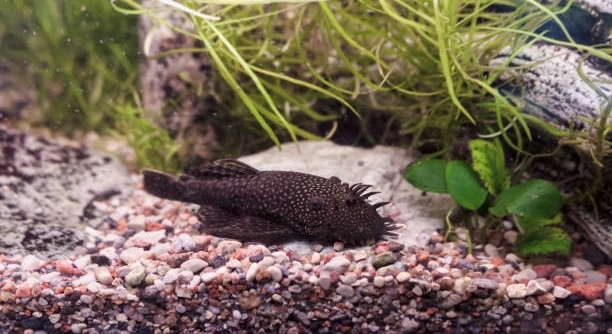
Have you ever noticed your pleco spending more time hiding than swimming freely in the tank? Observing their behavior closely can give clues about their comfort and readiness for changes in their environment.
Plecos often require a new cave when their current shelter becomes too small, damaged, or fails to provide the security and privacy needed. Monitoring their hiding habits, activity levels, and interactions with the environment helps determine the appropriate timing.
Learning these signs can prevent stress and promote a healthier, more comfortable life for your pleco in its tank.
Increased Hiding and Territorial Behavior
When a pleco starts hiding more often or becomes noticeably territorial around its cave, it may be signaling discomfort. These fish naturally seek secure spaces, but if your pleco avoids open areas entirely or aggressively defends its current cave, it could need more space. Observing its behavior during feeding or when other tank mates swim nearby can reveal subtle cues. You may notice it flaring its fins, bumping other fish away, or retreating quickly when approached. These signs are not just about preference; they indicate the fish’s environment may no longer meet its security needs. Providing a larger or more secluded cave allows the pleco to feel safe, reduces stress, and encourages normal activity. Overcrowded or worn caves can hinder their natural instincts. Changing the cave proactively ensures the pleco continues to thrive in a balanced habitat, maintaining both mental and physical health.
A pleco that hides excessively or guards its current cave is likely ready for a new, more suitable shelter.
Replacing the cave with one that offers better protection and more space can transform your pleco’s behavior. Fish that previously stayed hidden may start exploring, showing curiosity and engaging with tank mates more comfortably. Observing these improvements reassures you that the change was beneficial.
Signs of Stunted Growth or Size Limitations
A cave that is too small can physically restrict a pleco’s movement and growth.
Plecos that no longer fit comfortably inside their cave or struggle to turn around are signaling a clear need for an upgrade. The limited space can lead to stress, poor posture, and even health issues over time. A cave should accommodate the pleco’s full length with some extra room for movement. Monitoring the tank regularly helps identify when the fish is outgrowing its shelter.
Providing a larger cave can prevent injury and allow the pleco to display natural behaviors, like resting, exploring, and hiding, without confinement. Adequate space ensures better circulation and reduces territorial disputes with tank mates. Plecos thrive in environments that feel secure yet spacious, and upgrading the cave demonstrates attention to their physical and psychological needs. Observing improved comfort, more active swimming, and reduced aggression are clear indicators the new cave is working well. Proper cave selection supports the overall well-being and longevity of your pleco.
Frequent Cave Switching
Some plecos start moving between caves more often than usual. This behavior indicates dissatisfaction with their current shelter. Frequent switching can show they are searching for a more secure or comfortable spot within the tank.
When a pleco continually explores different hiding spots, it may feel that its existing cave does not meet its needs. A cave that is too small, poorly shaped, or in a high-traffic area can lead to stress. Over time, this constant movement can affect the pleco’s health, including appetite and sleep patterns. Providing a stable, appropriately sized cave in a quiet corner of the tank allows the fish to settle and regain a sense of security. Observing this behavior early helps prevent long-term stress and ensures the pleco has a reliable refuge that supports its natural instincts and daily routines.
Switching between caves can also signal a desire for variety in the environment. Plecos appreciate spaces where they can feel concealed but also move freely without obstruction. Introducing a new, well-placed cave can satisfy this need and reduce erratic hiding behaviors.
Scratched or Damaged Cave Surfaces
Plecos sometimes damage their caves, leaving scratches or worn spots. This shows that the cave may no longer be suitable for comfort or stability.
A pleco that consistently rubs against, scrapes, or pushes on cave surfaces may be trying to adjust or expand its shelter. Over time, constant friction can cause stress or minor injuries. Old or brittle caves also risk collapsing, making them unsafe. Replacing damaged caves with smooth, sturdy alternatives improves safety and encourages natural behaviors like resting and hiding. Properly sized caves with durable materials ensure the pleco can enjoy its shelter without discomfort.
Cave maintenance is just as important as observing behavior. Even if a pleco appears content, damaged or unsuitable caves can lead to long-term stress. Upgrading to a new cave designed for your pleco’s size and temperament provides security and reduces aggressive tendencies. It also prevents accidents that could harm the fish. Offering multiple options in the tank allows the pleco to choose a favorite, balancing exploration with safety. Regular checks and replacements help maintain a healthy environment and support the pleco’s overall well-being.
Restlessness Around the Current Cave
A pleco that swims anxiously near its cave or repeatedly circles it may be showing signs of discomfort. This restlessness often indicates that the current shelter no longer meets its security or space needs.
Restless behavior can also include pacing, hovering near the entrance, or quickly retreating when approached. These actions suggest the pleco is seeking a more suitable environment to feel safe.
Visible Stress Marks
Stress in plecos can appear as color fading, clamped fins, or unusual markings on their body. These signs often relate directly to an unsatisfactory living space. Regular observation helps identify these indicators early.
Reduced Appetite
A pleco that avoids food or eats less than usual may be stressed by its current cave situation. Providing a new, comfortable cave can help restore normal feeding patterns.
FAQ
How do I know if my pleco really needs a new cave?
You can tell by observing its behavior. Signs include spending excessive time hiding, frequently switching caves, scratching or rubbing against surfaces, showing restlessness, or losing appetite. Changes in color or clamped fins can also indicate stress. If these behaviors persist, it’s a strong signal that the current cave isn’t meeting your pleco’s needs. Providing a more comfortable, secure, and appropriately sized shelter usually resolves these issues.
What size cave is best for my pleco?
The cave should comfortably fit the pleco’s entire body with extra space for movement. A snug but not tight fit ensures the fish feels secure without being cramped. Measure your pleco from head to tail and choose a cave slightly larger to allow it to turn around freely. Adequate space prevents stress, promotes normal behaviors, and reduces territorial aggression. Consider the pleco’s adult size, as they continue to grow and may outgrow smaller shelters over time.
How many caves should I provide in the tank?
It’s helpful to offer multiple caves, especially if you have more than one pleco or other tank mates. Multiple shelters reduce competition, allow the fish to choose their preferred hiding spot, and encourage natural exploration. Even a single pleco benefits from having a choice, as it can rotate between caves depending on mood or time of day. Make sure each cave is safe, stable, and made from non-toxic materials.
How often should I replace or upgrade a pleco’s cave?
Cave replacement depends on wear, size, and your pleco’s growth. Regularly inspect caves for scratches, cracks, or rough surfaces. Upgrade the shelter if your pleco has outgrown it, shows signs of stress, or if the material becomes unsafe. Observing behavior and checking the cave’s condition every few months is a good routine. Proactive upgrades ensure a safe, comfortable environment and help prevent stress-related health issues.
Can plecos adapt to a new cave easily?
Most plecos adapt quickly when the new cave meets their size, comfort, and safety needs. Initially, they may explore or hide cautiously, but they generally settle once they feel secure. Placing the cave in a quiet, low-traffic area encourages faster adaptation. Avoid sudden rearrangements of the tank at the same time to reduce stress.
What materials are safe for pleco caves?
Plecos need durable, non-toxic materials such as ceramic, resin, or smooth natural wood. Avoid sharp edges or unstable rocks that could injure the fish. Driftwood is often a favorite because it provides a natural hiding spot and can even help with digestion. Ensure all materials are aquarium-safe and properly cleaned before adding them to the tank.
Is it normal for plecos to fight over caves?
Yes, plecos can be territorial. If multiple plecos are in the same tank, competition over a single cave is common. Providing multiple caves helps reduce conflicts and allows each fish its own safe space. Observing their interactions helps you understand which caves are preferred and when additional shelters might be needed.
Do plecos need caves all the time?
Caves are essential for plecos because they provide security, reduce stress, and allow natural hiding behavior. Even if the fish seems active and comfortable, having a reliable shelter is crucial for long-term well-being. Caves also give them a resting spot during the day or when tank activity increases.
Can the location of the cave affect my pleco’s comfort?
Yes, placement is important. Plecos prefer quiet, low-light areas away from heavy traffic or strong currents. Corners or shaded spots often work best. Moving the cave to an unsuitable spot can cause stress, even if the cave itself is perfect. Observing where your pleco naturally prefers to hide helps determine the ideal location.
How do I introduce a new cave without stressing my pleco?
Place the new cave gently in the tank without removing the old one immediately. Let the pleco explore at its own pace. Avoid sudden rearrangements of other decorations, and monitor behavior. Once the pleco regularly uses the new cave, you can safely remove the old one. This gradual approach reduces stress and encourages acceptance.
This FAQ covers the most common concerns about pleco cave care, ensuring your fish stays healthy, secure, and comfortable while living in the tank. Proper observation, timely upgrades, and safe placement are key to supporting your pleco’s natural behavior.
Final Thoughts
Caring for a pleco goes beyond feeding and maintaining water quality. Providing the right cave is essential to their well-being, as these fish rely on secure shelters to feel safe. Plecos spend a significant portion of their time hiding, and their cave is their primary refuge. Observing your pleco’s behavior closely allows you to see when a cave is no longer adequate. Signs such as frequent hiding, restlessness, or aggression around the cave indicate that a change is needed. By paying attention to these behaviors, you can prevent unnecessary stress and support your pleco’s health. A well-chosen cave contributes not only to physical comfort but also to mental stability, reducing stress-related behaviors like loss of appetite or unusual swimming patterns.
When selecting a new cave, size and material are the most important factors to consider. The cave should be large enough for the pleco to move comfortably and turn around without feeling cramped. Overly small caves can limit movement and create long-term health issues, while oversized caves may feel unsafe to the fish. Durable, smooth materials like ceramic, resin, or driftwood are ideal because they are safe and easy to clean. Placement in the tank also matters. Plecos prefer quiet, low-traffic areas where they can hide without being disturbed by other fish or strong currents. Proper placement allows them to feel secure and encourages natural behaviors. Multiple caves in a tank can be helpful, especially if you have more than one pleco, as this reduces territorial conflicts and gives each fish its own space to rest and hide.
Upgrading a pleco’s cave should be a careful and gradual process. Introduce the new cave while keeping the old one temporarily, allowing the pleco to explore at its own pace. Avoid sudden changes in tank layout, as these can create unnecessary stress. Once the pleco begins using the new cave consistently, you can safely remove the old one. Regular monitoring is important to ensure that the fish remains comfortable and healthy. Maintaining a suitable cave environment supports the pleco’s overall quality of life and encourages natural, stress-free behavior. Taking the time to observe, select, and introduce a proper shelter shows attentiveness to your pleco’s needs and contributes to a healthier, happier fish in your aquarium.

Hello,
If you enjoy the content that we create, please consider saying a "Thank You!" by leaving a tip.
Every little bit helps us continue crafting quality advice that supports the health, happiness, and well-being of pets around the world, for pets of all shapes, sizes, and species.
We really appreciate the kindness and support that you show us!