
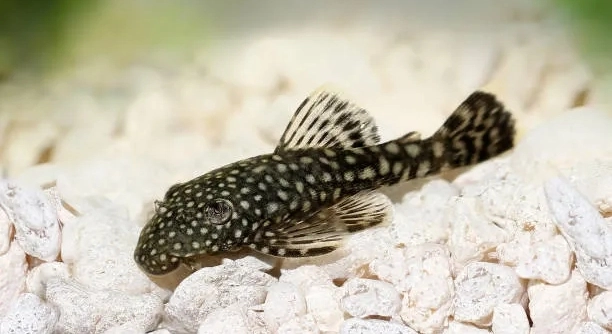
Are your plecos struggling to find the right spot in your tank? Proper lighting can help highlight their natural colors and behaviors while creating a comfortable environment for these fascinating freshwater fish.
Effective pleco tank lighting involves balancing intensity, spectrum, and duration. Full-spectrum LED lights are often preferred, as they simulate natural daylight, support plant growth, and enhance the fish’s coloration while preventing stress and promoting overall tank health.
Choosing the right setup can transform your tank and make it both functional and visually appealing for your plecos.
Soft LED Lighting for Pleco Tanks
Soft LED lighting provides a gentle glow that is easy on plecos’ eyes. These fish are nocturnal and prefer dim environments, so avoiding harsh lights helps reduce stress and encourages natural behavior. Soft LEDs also bring out subtle colorations in plecos without overwhelming the tank, allowing their patterns to shine in a calm setting. Many aquarists choose adjustable LED strips or fixtures to control brightness levels, ensuring the tank matches the needs of both the fish and any plants present. Soft lighting also minimizes algae growth compared to stronger lights, keeping the tank cleaner for longer periods. Placement matters as well—positioning lights to avoid direct glare on hiding spots ensures plecos feel secure. This setup works especially well for tanks with caves, driftwood, or dense foliage, giving plecos space to retreat while still being visible when active. The soft lighting provides a balance between aesthetics and the fish’s comfort, creating a peaceful aquarium environment.
Soft LED lights help reduce stress and highlight natural pleco colors, offering a calm and visually appealing tank.
Using dim, soft lighting supports both fish health and plant growth. It allows plecos to display natural behavior while avoiding overexposure. This setup is easy to manage and works well in tanks with caves and dense vegetation. Adjusting brightness helps accommodate changing tank conditions. The gentle glow enhances the overall look of the aquarium without overpowering the space, keeping the environment comfortable and visually pleasing for both the fish and the observer.
Natural Sunlight Simulation
Simulating natural sunlight can improve pleco activity levels and overall health. A light that mimics daylight cycles encourages regular behavior patterns. Many LED systems now offer programmable features to adjust spectrum and intensity, closely matching early morning, midday, and evening light. This method enhances the natural colors of plecos, particularly those with vibrant patterns or markings. It also benefits live plants, which thrive under full-spectrum lighting, supporting a balanced ecosystem within the tank. The simulation can reduce stress by providing predictable light conditions, allowing plecos to rest in shaded areas during brighter periods. Correct duration is essential; too much light can cause algae growth and stress, while too little may stunt plant development. Many aquarists pair natural sunlight simulation with timed fixtures to maintain consistent cycles, giving plecos a healthier, more natural environment without constant manual adjustment.
Proper sunlight simulation encourages healthy behavior and tank growth, providing a realistic environment that benefits both plecos and plants.
Simulating sunlight in a pleco tank requires careful planning. Full-spectrum LEDs can replicate the natural spectrum, supporting plant photosynthesis and enhancing fish coloration. Timing the light to follow a daily cycle helps fish establish regular patterns, while avoiding prolonged exposure prevents algae overgrowth. Combining sunlight simulation with shaded areas and hiding spots allows plecos to rest during bright periods, supporting nocturnal habits. This approach also reduces stress by giving the tank predictable lighting. Selecting programmable fixtures or timers ensures consistent cycles, maintaining a healthy tank environment. The result is a vibrant, balanced aquarium where both fish and plants flourish. Proper light placement is crucial to avoid direct glare on hiding spots, and gradually adjusting intensity during the day creates a smooth transition that mimics natural conditions effectively.
Blue Spectrum Lighting
Blue spectrum lighting enhances pleco colors, especially darker and patterned varieties. It creates a calm ambiance in the tank while mimicking moonlight, making nocturnal fish more active and visible during evening hours.
Blue lights highlight natural markings and make plecos stand out against plants and substrate. This type of lighting can also support nighttime observation without disturbing the fish’s routine. It reduces stress because it is less intense than white or yellow lighting, giving plecos a comfortable environment. Many aquarists use blue LEDs in combination with other lighting to create a balanced, visually appealing setup. Timing the lights to come on during late afternoon or evening can simulate natural dusk, encouraging plecos to explore the tank and feed. Proper placement ensures the glow reaches hiding spots without overexposing sensitive areas, supporting both aesthetic appeal and fish well-being.
Combining blue spectrum lighting with dim white LEDs allows a smooth transition from day to night, giving plecos a natural rhythm. This setup supports nocturnal behavior while enhancing the tank’s visual depth.
Adjustable LED Systems
Adjustable LED systems provide flexibility in brightness and color spectrum, making it easier to meet plecos’ lighting needs. Many models allow gradual changes to mimic natural daylight cycles.
These systems offer precise control over intensity, duration, and color, which benefits both fish and plants. Plecos respond well to adjustable lighting because it reduces stress caused by sudden brightness. Adjustable LEDs can simulate sunrise, midday, and sunset, supporting natural activity patterns. Programmable features also prevent algae overgrowth by limiting light exposure during low activity periods. This versatility allows aquarists to create a visually dynamic aquarium while maintaining a comfortable environment for nocturnal species. By combining different spectrums, such as blue for nighttime and full-spectrum for daytime, tanks achieve both aesthetic appeal and functional benefits for fish behavior. Proper installation and placement ensure light reaches plants and hiding areas effectively.
Using adjustable LED systems gives complete control over lighting conditions, allowing aquarists to tailor brightness and color for optimal tank health. This flexibility supports plant growth, reduces stress, and highlights pleco colors while maintaining natural behavioral patterns. Programming the lights to gradually shift between spectrums simulates natural daylight, giving fish a consistent environment. Combined with dim or blue lighting, these systems create a balanced setup that enhances both the aquarium’s visual appeal and the well-being of nocturnal plecos.
Subtle White Lighting
Subtle white lighting provides a natural look without overwhelming plecos. It highlights their colors gently and allows you to view their activity during the day.
This type of lighting works well in tanks with live plants. It keeps the environment calm while maintaining visibility, supporting both fish health and tank aesthetics.
Spotlighting Key Areas
Spotlighting allows focus on caves, driftwood, or plants where plecos hide. It draws attention to favorite tank areas while maintaining a darker overall environment for the fish. Proper placement prevents shadows that could stress nocturnal species, creating a balanced, visually appealing display.
Motion-Activated Lights
Motion-activated lights illuminate when fish move near certain areas. This setup minimizes constant light exposure, keeping plecos comfortable while allowing observation during activity periods.
FAQ
How much light do plecos need each day?
Plecos are nocturnal and prefer dim lighting. Around 8 to 10 hours of light per day is sufficient for both fish and live plants. Excessive light can cause stress, while too little can affect plant growth. Using timers or programmable LED systems helps maintain a consistent schedule.
Can plecos live under bright lighting?
Bright lighting can be stressful for plecos, making them hide constantly. If the tank has intense lighting for plant growth, it’s important to provide shaded areas, caves, or driftwood for them to retreat. Gradually adjusting brightness can also help plecos adapt.
Are blue lights safe for plecos?
Yes, blue spectrum lighting is safe and can enhance the natural colors of plecos. It is gentle on their eyes and simulates moonlight, encouraging nocturnal activity without disturbing their natural behavior. Combining blue with dim white or soft LEDs creates a balanced environment.
Do plecos need full-spectrum lighting?
Full-spectrum lighting benefits both plecos and live plants. It mimics natural daylight, supports plant photosynthesis, and brings out vibrant coloration in fish. However, full-spectrum lights should not be too intense and should be paired with shaded areas for pleco comfort.
Is motion-activated lighting effective for nocturnal fish?
Motion-activated lights can be effective because they illuminate only when needed, reducing constant exposure. This allows plecos to remain in a dim environment while giving aquarists a chance to observe them during active periods. It can also prevent stress caused by prolonged bright lighting.
Can adjustable LED systems improve tank health?
Adjustable LED systems provide control over brightness, color spectrum, and timing, supporting healthy behavior in plecos and growth in plants. Programming gradual transitions simulates natural day-night cycles, maintaining a stable environment and reducing stress while enhancing the visual appeal of the tank.
How should I combine different lighting types?
Combining soft white, blue, and full-spectrum LEDs allows flexibility and balance. Soft white highlights natural fish colors, blue encourages nighttime activity, and full-spectrum supports plants. Proper placement ensures all areas are visible without exposing plecos to constant brightness, creating a healthy and visually pleasing environment.
Will plecos’ hiding behavior change with better lighting?
Yes, appropriate lighting can reduce stress, making plecos more willing to explore the tank during active periods. Providing shaded areas alongside carefully chosen lighting ensures that plecos feel secure while still being visible, supporting natural behavior without forcing them into constant hiding.
Can improper lighting affect algae growth?
Yes, excessive or prolonged lighting can promote algae growth, impacting water quality. Using dim, adjustable, or motion-activated lighting helps control algae while providing sufficient illumination for plants and fish. Maintaining a balanced light schedule is key to preventing overgrowth.
How do I adjust lighting for a planted tank with plecos?
In planted tanks, full-spectrum or soft LEDs work best for photosynthesis, but plecos need dim areas to rest. Combining adjustable lights with hiding spots and gradually increasing intensity ensures both plants and fish thrive. Timers and spectrum adjustments help maintain balance and prevent stress.
What is the best lighting for nocturnal plecos?
The best lighting is soft, dim, and adjustable. Blue spectrum lights can simulate moonlight, while soft white or full-spectrum LEDs provide daytime visibility. Providing shaded areas, caves, and gradual intensity changes allows plecos to maintain their natural nocturnal patterns without stress.
Can plecos tolerate natural sunlight?
Direct natural sunlight is not ideal, as it can cause temperature fluctuations and algae growth. Indirect or filtered sunlight combined with controlled LED lighting is safe. Using blinds or partial shading prevents overexposure while still providing a natural light rhythm for fish and plants.
Do different pleco species have varying lighting needs?
Yes, some species prefer darker, heavily shaded environments, while others tolerate moderate light. Researching your pleco species’ natural habitat helps determine ideal lighting intensity, duration, and placement. Adjusting lights based on species preferences improves comfort, coloration, and activity levels.
Can changing lighting too often stress plecos?
Frequent or sudden changes in lighting can stress plecos, causing hiding, loss of appetite, or abnormal behavior. Gradual adjustments in brightness or spectrum are essential to allow acclimation. Timers and programmable LEDs make transitions smooth and predictable, supporting natural routines.
How can I highlight plecos without overexposing them?
Using spotlights on key tank areas, subtle white lighting, or partial blue lighting allows observation without constant bright exposure. Combining different light types and providing caves or driftwood ensures plecos remain comfortable while enhancing their visibility for a natural, appealing display.
This FAQ covers key aspects of pleco lighting, focusing on balance, fish comfort, and tank aesthetics while providing practical solutions for a healthy environment.
Final Thoughts
Proper lighting is an important aspect of caring for plecos, and it can significantly impact their health and behavior. Plecos are naturally nocturnal, so they prefer dim or soft lighting that mimics their natural environment. Using overly bright lights can cause stress, hiding, or erratic swimming patterns, while appropriate lighting enhances their natural colors and allows you to observe their behaviors without disturbing them. Different types of lights, such as soft LEDs, blue spectrum lighting, or adjustable LED systems, can be combined to meet both the needs of the fish and the requirements of live plants. It is important to consider the placement and intensity of lighting so that plecos have access to shaded areas where they can retreat when they feel vulnerable. A well-planned lighting setup also supports plant growth, reduces algae overgrowth, and creates a visually balanced aquarium that is both functional and appealing.
Adjustable lighting systems are particularly useful because they allow aquarists to simulate natural day-night cycles. Gradually changing light intensity and spectrum helps plecos maintain a routine similar to their natural habitat. Blue spectrum lights can replicate moonlight, encouraging nocturnal activity without causing stress, while full-spectrum or soft white lights can enhance daytime visibility and support plant photosynthesis. Timers and programmable LEDs are valuable tools for maintaining consistency, reducing the risk of overexposure or sudden changes that could disrupt the fish. Including features such as motion-activated lights or spotlights for specific areas allows you to highlight caves, driftwood, or favorite hiding spots without overwhelming the tank. These techniques balance aesthetic appeal with the comfort of the fish, creating an environment where plecos can thrive naturally while still allowing observation during active periods.
Overall, focusing on proper lighting ensures plecos remain healthy, active, and visually vibrant. Providing a mix of soft, blue, and full-spectrum lighting gives flexibility and control over the tank environment. Properly timed and positioned lights reduce stress, promote natural behavior, and support a balanced ecosystem with healthy plants. Considering the species-specific preferences of plecos also ensures that each type receives optimal conditions for both activity and rest. By carefully planning and monitoring your lighting setup, you create a tank that highlights the beauty of your plecos, supports plant life, and maintains water quality. Attention to these details allows for a calm, comfortable, and visually pleasing aquarium that benefits the fish and enhances the overall experience of maintaining the tank. A thoughtful lighting approach transforms the pleco tank into a sustainable habitat where the fish can thrive and display their natural behaviors with minimal disruption.

Hello,
If you enjoy the content that we create, please consider saying a "Thank You!" by leaving a tip.
Every little bit helps us continue crafting quality advice that supports the health, happiness, and well-being of pets around the world, for pets of all shapes, sizes, and species.
We really appreciate the kindness and support that you show us!