
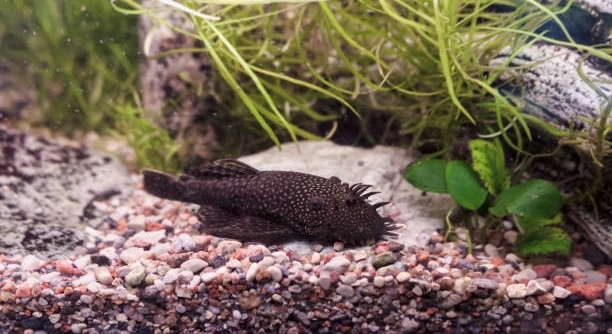
Do you ever find yourself feeding your pleco without thinking twice, only to notice it acting sluggish or avoiding food? Plecos are fascinating fish, but they have very specific dietary needs that must be respected for their health.
There are several situations where feeding a pleco can be harmful. Overfeeding, offering inappropriate foods, or feeding at the wrong times can lead to digestive issues, poor water quality, and long-term health problems. Recognizing these moments is crucial for proper care.
Understanding these scenarios can help you avoid mistakes that affect your pleco’s well-being. Each feeding choice plays a role in maintaining a healthy and balanced aquarium environment.
Feeding During Water Changes
Feeding your pleco right before or after a major water change can stress its digestive system. Water changes often alter water parameters temporarily, and sudden shifts in temperature, pH, or chemical balance can make the fish more sensitive. When you feed at this time, leftover food may not be processed efficiently, increasing the risk of bloating or digestive issues. Additionally, uneaten food can quickly pollute the tank during these sensitive periods, reducing water quality and impacting both your pleco and other tank inhabitants. To avoid problems, schedule feedings at least a few hours before or after water changes. Consistent routines help the pleco’s digestive system adjust to its environment and prevent sudden disruptions that can cause discomfort. Observing your pleco’s eating habits and tank conditions during water maintenance is essential. By managing the timing of feedings carefully, you promote both the fish’s health and overall tank stability.
Feeding after a water change should be delayed to allow the tank to stabilize, reducing stress and preventing illness.
By waiting to feed your pleco until the water conditions have returned to normal, you ensure it can digest its food properly. This simple timing adjustment can prevent bloating, reduce uneaten waste, and maintain cleaner water. Feeding at the wrong moment may seem minor, but repeated mistakes affect the pleco’s health. Observing the tank carefully and noticing any changes in behavior or appetite helps determine the best feeding schedule. Consistency in timing improves digestion, minimizes stress, and promotes longevity. A few hours’ delay may seem insignificant, but it can make a measurable difference in the overall well-being of your pleco. Maintaining this routine supports a healthier aquatic environment for all fish in the tank, keeping waste levels low and reducing the need for frequent water interventions. Proper feeding timing is one of the simplest, yet most impactful ways to ensure your pleco thrives.
Feeding Processed or Unfamiliar Foods
Processed foods or items not specifically made for plecos can cause digestive upset. Some foods may contain additives, preservatives, or high protein levels that the fish cannot handle. Plecos naturally eat algae, vegetables, and certain plant matter, so introducing unfamiliar foods too quickly can lead to bloating, constipation, or refusal to eat. Even when packaged as fish food, certain pellets or flakes can have ingredients unsuitable for bottom-dwelling species. Observing your pleco’s reaction to new foods is critical. Introduce any new item gradually and monitor for changes in behavior or waste. If the fish shows reluctance or signs of discomfort, discontinue immediately. Sticking to natural, species-appropriate foods ensures a healthier digestive system and supports growth. The key is moderation and careful observation. Providing variety is possible, but each new food should be added cautiously, with a clear understanding of its nutritional content.
Feeding processed foods too often can lead to long-term health problems and poor tank conditions.
Gradual introduction of new foods allows your pleco to adapt safely. Sudden changes in diet may cause digestive distress and reduce overall appetite. Observe waste, swimming behavior, and activity levels to gauge tolerance. Vegetables like zucchini, cucumber, or spinach are preferred, while occasional treats must be carefully monitored. Over-reliance on processed pellets can affect growth, immunity, and coloration, so balancing natural foods with supplements is ideal. Remember that plecos are adapted to grazing on algae and plant matter. Keeping processed foods minimal preserves their natural diet habits, prevents bloating, and maintains stable water quality. Feeding responsibly requires attention, consistency, and knowledge of your fish’s specific needs. Making careful dietary choices ensures your pleco remains healthy and active over the long term, with minimal stress and optimal digestive health.
Feeding Overripe or Spoiled Vegetables
Feeding your pleco vegetables that are overripe or starting to rot can quickly cause digestive issues. Spoiled vegetables harbor bacteria and fungi that may upset their stomach, leading to bloating or even illness. Always inspect and wash vegetables before offering them.
Even slightly overripe vegetables can introduce harmful bacteria into your pleco’s system. When vegetables begin to soften or show discoloration, they break down faster in the tank and can reduce water quality. Plecos rely on fresh, firm vegetables like zucchini, cucumber, or spinach for fiber and nutrients. Rotting food decomposes quickly, producing ammonia and other toxins that stress your fish and other tank inhabitants. Regularly checking for freshness ensures each feeding supports health rather than causing harm.
Vegetables stored improperly can spoil faster, increasing the risk of feeding your pleco something harmful. Cutting vegetables into manageable pieces, rinsing thoroughly, and removing any soft spots reduces the chance of contamination. Even fresh-looking vegetables can degrade if left in water too long before consumption. Offering only fresh, firm produce maintains digestive health and prevents bloating. A small, consistent portion each day encourages grazing without overloading the system, while spoiled food introduces unnecessary stress. Paying attention to freshness is a small step that significantly improves your pleco’s overall well-being.
Feeding When Your Pleco is Sick
Feeding a sick pleco can worsen its condition, especially if it shows signs of lethargy, bloating, or loss of appetite. Avoid forcing food, as this can increase stress and slow recovery. Focus on water quality and rest first.
Sick plecos often struggle to digest food properly. Feeding during illness can lead to uneaten food accumulating in the tank, which deteriorates water quality and increases stress. Some medications used to treat illness may also interact poorly with food, reducing effectiveness or causing complications. Prioritizing recovery by maintaining optimal water conditions, stable temperature, and gentle handling allows the fish to regain strength before reintroducing feeding. Observing behavior closely and consulting treatment guidelines ensures feeding resumes safely.
Once your pleco begins showing interest in food again, introduce small portions gradually. Start with easily digestible vegetables or algae wafers and monitor for any digestive issues. Returning too quickly to a full feeding schedule can undo recovery progress. Maintaining cleanliness in the tank during this period is crucial to prevent additional stress or infections. Careful, gradual reintroduction of food helps the fish regain strength without compromising its health. Tracking appetite and behavior provides clear indicators of recovery, allowing you to adjust feeding amounts safely. Properly timing feedings during and after illness ensures long-term well-being and prevents setbacks.
Feeding Right Before Lights Out
Feeding your pleco just before the tank lights turn off can disrupt its natural feeding schedule. Plecos are more active during low light, and offering food at the wrong time may lead to uneaten leftovers and water quality issues.
Uneaten food can decay quickly overnight, creating ammonia spikes that stress your pleco. Feeding earlier in the day allows time for consumption and reduces waste buildup. Consistent timing helps maintain digestive health and keeps the tank cleaner for longer periods.
Feeding Too Frequently
Overfeeding plecos leads to bloating, poor water quality, and shorter lifespans. Even if your pleco seems hungry, it only needs small portions once a day or every other day, depending on its size and tank conditions. Monitoring intake ensures proper health.
Feeding Non-Algae Diets Exclusively
Plecos naturally graze on algae, so providing only protein-rich or starchy foods can cause digestive imbalances. Incorporating fresh vegetables and algae wafers is essential for proper nutrition, fiber, and overall health.
Feeding Without Observing Behavior
Ignoring your pleco’s behavior during feeding can mask early signs of illness or stress. Watching closely helps identify problems early and adjust feeding practices accordingly.
FAQ
How often should I feed my pleco?
Plecos do not need daily large feedings. Most species do well with small portions once a day or every other day. Younger plecos may require slightly more frequent feeding, while adult plecos can maintain health with less frequent portions. Monitoring their appetite helps adjust feeding schedules.
Can I feed my pleco too much?
Yes, overfeeding can cause bloating, constipation, and poor water quality. Excess food decomposes quickly, increasing ammonia and stressing both the pleco and other tank inhabitants. It’s better to provide small, controlled portions that the pleco can finish in one feeding.
Are frozen or dried foods safe for plecos?
Some frozen or dried foods are acceptable, but they should not replace vegetables and algae wafers. Always check ingredients for high protein or additives. Introduce these foods gradually and observe your pleco for any digestive issues.
What vegetables are best for my pleco?
Fresh vegetables like zucchini, cucumber, spinach, and peas are ideal. Remove seeds or peel if necessary and cut into manageable pieces. Always wash vegetables thoroughly to avoid introducing bacteria. Firm, fresh produce supports digestion and reduces bloating.
Is it okay to feed my pleco leftovers from my meals?
Human food is not recommended. Many ingredients can harm plecos, including salt, oils, spices, and sauces. Feeding leftovers can disrupt digestion, pollute the tank, and create long-term health problems. Stick to algae, vegetables, and approved commercial foods.
Can plecos survive on algae alone?
Algae is a staple but not always enough for full nutrition. Supplementing with vegetables and occasional algae wafers ensures adequate fiber, vitamins, and minerals. A varied diet prevents deficiencies and supports growth and immune health.
What should I do if my pleco refuses to eat?
Check water conditions, tank temperature, and the fish’s behavior. Stress, illness, or sudden changes in environment can affect appetite. Offer small portions of familiar foods and monitor for any signs of disease. Feeding should resume gradually once the pleco appears healthy.
Can feeding at the wrong time harm my pleco?
Yes, plecos are nocturnal and prefer low-light feeding. Feeding during high light or immediately before lights out can cause uneaten food to decay. Proper timing helps digestion, reduces stress, and prevents water quality issues.
Are there foods that are dangerous for plecos?
Avoid processed foods with high protein, bread, or starchy human foods. Spoiled or overripe vegetables are also risky. Feeding inappropriate foods can lead to bloating, constipation, or poisoning. Stick to natural, species-appropriate options.
How can I tell if my pleco is overeating?
Signs include bloating, lethargy, and leftover food accumulating in the tank. Uneaten food increases ammonia and stresses the pleco. Adjust feeding portions and frequency to maintain healthy digestion and cleaner tank conditions.
Is it necessary to fast my pleco occasionally?
Yes, an occasional fasting day can help clear the digestive system and prevent bloating. Skip feeding once every week or two for adults, depending on tank conditions and the pleco’s health. Observe your pleco’s behavior during fasts to ensure it remains active and healthy.
Can I feed my pleco during medication treatments?
Feeding should be minimized during medication unless instructions allow it. Some medications interact poorly with food, reducing effectiveness. Focus on maintaining clean water and proper dosing until treatment is complete, then resume feeding gradually.
What is the best way to introduce new foods?
Introduce new foods slowly, in small portions. Observe your pleco’s reaction for several days. If it shows reluctance or digestive issues, discontinue and try another option. Gradual introduction prevents stress and allows the digestive system to adapt safely.
How do I know if my pleco’s diet is balanced?
A balanced diet keeps the pleco active, with healthy coloration and consistent waste output. Regular observation of behavior, growth, and overall tank conditions indicates dietary adequacy. Supplement algae with vegetables and approved wafers for complete nutrition.
Can feeding mistakes affect water quality?
Yes, overfeeding, spoiled food, or uneaten portions increase ammonia and nitrate levels. Poor water quality stresses plecos, affecting appetite and health. Monitoring feedings and tank conditions prevents these issues and supports a stable environment for all fish.
What should I do if my pleco becomes picky?
Picky eating can result from stress, illness, or sudden environmental changes. Offer familiar foods, maintain clean water, and minimize disturbances. Gradually reintroduce new vegetables or wafers to diversify the diet without causing digestive upset.
Are there seasonal feeding adjustments needed?
Temperature changes may slow metabolism in plecos, reducing appetite. In cooler water, feeding less frequently is appropriate. Warmer temperatures increase activity and consumption, requiring slightly larger or more frequent portions while monitoring digestion.
How do I prevent digestive problems in my pleco?
Feed appropriate foods in controlled portions, maintain consistent timing, and avoid overfeeding. Provide vegetables and algae, avoid spoiled or processed items, and monitor water quality. A careful balance prevents bloating, constipation, and long-term health issues.
Can stress affect feeding behavior?
Yes, stress from tank changes, aggressive tankmates, or poor water conditions can reduce appetite. Address environmental factors first, then adjust feeding gradually to encourage normal eating habits. A calm, stable tank supports healthy digestion and consistent feeding behavior.
How important is observation during feeding?
Watching your pleco eat helps detect illness, digestive issues, or changes in behavior. Observation allows early intervention, prevents overfeeding, and ensures food is consumed efficiently. Regular monitoring is a simple but effective tool for maintaining pleco health and a clean tank.
Final Thoughts
Feeding a pleco may seem straightforward, but there are many details that can affect its health and the overall condition of the aquarium. Plecos are unique fish with specific dietary needs. They rely on a combination of algae, fresh vegetables, and occasional commercial wafers for proper nutrition. Overfeeding or giving the wrong type of food can cause bloating, digestive problems, and stress, which may reduce their lifespan. Even well-intentioned feeding mistakes, such as offering spoiled vegetables or human leftovers, can have long-term consequences. Observing your pleco’s behavior and appetite is an essential part of care. By paying attention to when and how your pleco eats, you can make adjustments that improve its health and prevent avoidable problems. Small changes, like adjusting feeding times or inspecting food quality, can have a significant positive impact on your pleco’s well-being.
Consistency and timing play an equally important role in a pleco’s feeding routine. Plecos are nocturnal creatures, meaning they are most active during low-light hours. Feeding them at the wrong time or immediately before the tank lights go out can result in uneaten food, which pollutes the water and stresses the fish. Additionally, feeding during water changes or while the fish is sick can worsen health issues. Establishing a consistent schedule with appropriate food portions helps maintain digestive health and prevents environmental stress. Proper feeding practices also support water quality, reducing ammonia and nitrate buildup that can harm plecos and other tank inhabitants. By respecting the pleco’s natural habits and digestive needs, you create a more stable and healthy environment for the fish. Even minor adjustments, like delaying feedings or offering smaller portions, contribute to long-term health.
Finally, being mindful about the type of food and its preparation is critical. Fresh, firm vegetables such as zucchini, cucumber, and spinach are ideal, while processed foods and human leftovers should be avoided. Introducing new foods gradually allows the pleco’s digestive system to adjust without causing stress or illness. Monitoring the fish closely during feedings helps identify any problems early, such as reluctance to eat or signs of bloating. Maintaining clean water, appropriate feeding frequency, and a balanced diet ensures the pleco thrives. Ultimately, proper feeding is about observation, consistency, and understanding your pleco’s natural habits. By following these practices, you support not only the health of your pleco but also the overall harmony of your aquarium, ensuring the fish remains active, healthy, and vibrant for years to come.

Hello,
If you enjoy the content that we create, please consider saying a "Thank You!" by leaving a tip.
Every little bit helps us continue crafting quality advice that supports the health, happiness, and well-being of pets around the world, for pets of all shapes, sizes, and species.
We really appreciate the kindness and support that you show us!