
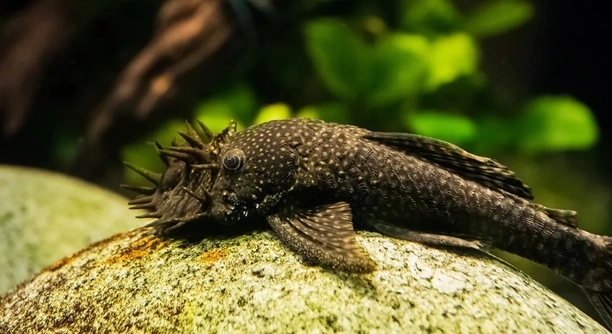
Keeping plecos in a home aquarium can be rewarding, yet subtle signs of illness are easy to miss. Observing their behavior and appearance regularly helps ensure they remain healthy and comfortable in their environment.
Plecos may display inactivity, loss of appetite, unusual swimming patterns, or visible physical changes such as torn fins or discoloration. Monitoring water quality and tank conditions is essential to detect and address these health concerns promptly.
Recognizing these quiet indicators early can prevent serious issues and support your pleco’s overall well-being in a home aquarium.
Inactivity and Hiding
Plecos are naturally active at night, but sudden or prolonged inactivity can indicate they are unwell. If you notice your pleco spending long periods motionless or hiding more than usual, it may be a sign of stress, poor water conditions, or illness. Changes in behavior often precede visible physical symptoms, making observation critical. Sometimes inactivity results from temperature fluctuations or lack of oxygen in the tank. Providing adequate hiding spots, proper lighting, and a consistent feeding schedule can encourage natural activity. Monitoring their movements daily can help detect subtle changes before they become severe. Adjusting water quality parameters such as pH, ammonia, and nitrate levels ensures a healthier environment. Even minor shifts in tank conditions can impact a pleco’s energy and behavior. Recognizing these early signs allows timely intervention, helping maintain your pleco’s overall well-being and comfort.
Hiding excessively or avoiding interaction often signals an underlying problem needing immediate attention.
Keeping an eye on behavior patterns helps identify stress triggers. Observing when and where your pleco rests can reveal whether environmental adjustments are necessary. Adjusting diet or tank setup can restore normal activity levels and reduce stress.
Loss of Appetite
A sudden drop in appetite is a clear indicator something is wrong.
Plecos that stop eating may be experiencing illness, poor water quality, or digestive issues, requiring prompt observation.
Loss of appetite can result from bacterial or parasitic infections, changes in water chemistry, or inadequate nutrition. Some plecos may refuse food if they are stressed due to tankmates or overcrowding. It is essential to monitor feeding closely, noting if certain foods are consistently rejected. Ensuring a varied diet with vegetables, algae wafers, and protein sources can improve intake. Maintaining clean water and stable temperature supports digestive health. In some cases, illness may require treatment with aquarium-safe medications. Observing feces can also help identify digestive problems. Even temporary appetite loss should not be ignored, as it can quickly lead to weakness or more severe health complications. Regular monitoring and proactive adjustments are key to restoring normal feeding habits and overall health.
Unusual Swimming Patterns
Erratic or sluggish swimming often signals a health problem.
Plecos normally glide along surfaces or the tank bottom. Sudden spiraling, floating upside down, or struggling to maintain balance can indicate swim bladder issues, water quality problems, or infection. Monitoring their movement patterns helps catch early signs. Adjusting oxygen levels, water temperature, and cleanliness can improve mobility.
Frequent collisions with tank decor or other fish may also point to weakness or disorientation. Ensuring enough space and hiding areas reduces stress. Observing when these behaviors occur, such as after feeding or during the day, provides clues to underlying causes. Addressing the problem quickly prevents further health decline and supports recovery.
Physical Changes
Discoloration, torn fins, or unusual growths are visible indicators of illness.
Changes in skin, such as pale patches, redness, or lesions, often result from infections, parasites, or poor water quality. Fins may fray or develop holes if bacteria or fungus is present. Regular tank maintenance and prompt treatment of any physical changes are essential.
Swollen or bloated bodies, sunken eyes, or unusual bumps should not be ignored. Maintaining stable water parameters and providing a balanced diet supports healing. If physical abnormalities persist, consulting a veterinarian experienced in aquatic species ensures proper diagnosis and care. Observing and documenting changes helps track recovery and adjust care practices effectively.
Labored Breathing
Gasping at the water surface or rapid gill movement can indicate low oxygen levels or gill disease. Observing breathing patterns daily helps identify early problems. Improving water circulation and oxygenation can relieve stress and support recovery.
Dirty water and high ammonia levels often worsen labored breathing. Regular water changes and careful monitoring of tank conditions prevent serious respiratory issues.
Lethargy
Persistent lethargy, even during active periods at night, may signal illness or stress. Plecos should move confidently across surfaces. Weak or slow movements often indicate nutritional deficiencies, infections, or poor water quality. Adjusting diet, cleaning the tank, and stabilizing temperature can improve energy levels over time.
Clamped Fins
Clamped fins are a common stress response or symptom of illness. Maintaining clean water and balanced conditions helps your pleco recover.
How can I tell if my pleco is stressed?
Stress in plecos often shows through changes in behavior. Hiding for extended periods, refusing food, or displaying erratic swimming can indicate discomfort. Water quality, tank overcrowding, and sudden changes in temperature or lighting are common stress factors. Observing their daily patterns and maintaining a stable environment helps reduce stress. Proper hiding spots, gentle water flow, and consistent feeding schedules support their comfort and natural behavior. Even minor shifts in tank conditions can affect a pleco’s stress levels, so careful monitoring is key.
What should I do if my pleco stops eating?
A lack of appetite is often an early warning sign of illness or environmental issues. Check water parameters, including pH, ammonia, nitrite, and nitrate levels, and adjust as needed. Make sure your pleco has access to a balanced diet that includes algae wafers, vegetables like zucchini or cucumber, and occasional protein sources. Stress from aggressive tankmates or overcrowding may also cause them to refuse food. Observe their behavior for signs of illness, such as discoloration or lethargy, and consider consulting an aquatic veterinarian if appetite loss persists.
Why is my pleco swimming abnormally?
Erratic swimming, floating upside down, or difficulty maintaining balance can signal swim bladder problems, infection, or poor water conditions. Check water temperature, oxygen levels, and cleanliness. Remove obstacles and provide enough space for free movement. If abnormal swimming continues, it may indicate a more serious internal issue requiring medical treatment. Recording the frequency and conditions of these behaviors helps identify triggers.
What causes clamped fins in plecos?
Clamped fins usually result from stress, poor water quality, or illness. Maintaining stable water parameters, including temperature and pH, helps your pleco recover. Observe for additional signs of disease, such as discoloration or lethargy, and adjust diet and environment as needed. Regular water changes and proper filtration reduce the risk of recurrence.
How do I know if my pleco has a gill infection?
Labored breathing, rapid gill movement, or gasping at the surface can indicate a gill infection. Poor water quality, high ammonia, or bacterial presence are common contributors. Increasing aeration, performing partial water changes, and maintaining stable temperatures can help. Severe cases may require aquarium-safe medication. Watch for swelling or redness around the gills as additional confirmation.
Can poor water quality make my pleco sick?
Yes, unstable water conditions are a major factor in pleco health problems. Ammonia, nitrite, nitrate levels, and pH fluctuations can stress or directly harm your fish. Regular testing and cleaning, along with a properly sized filter, keep water safe. Avoid overfeeding and overcrowding, as both can degrade water quality quickly. Maintaining consistent parameters is essential to prevent illness and support long-term health.
What signs indicate a serious illness?
Serious illness often combines multiple signs: lethargy, clamped fins, loss of appetite, abnormal swimming, and visible physical changes. Rapid deterioration or persistent symptoms require immediate attention. Documenting behaviors and environmental conditions helps identify causes. Prompt intervention with water adjustments, improved diet, and, if necessary, medication can prevent further decline.
How can I improve my pleco’s environment for better health?
Provide hiding spots, gentle water flow, and stable lighting to reduce stress. Maintain clean water, monitor parameters, and feed a varied diet to support immune function. Observe daily behaviors to catch early signs of illness. Gradual adjustments rather than sudden changes create a safe and comfortable environment. Proper tank maintenance prevents disease, encourages natural activity, and promotes overall well-being.
When should I consult a veterinarian?
If your pleco shows persistent signs of illness such as continuous loss of appetite, severe lethargy, or visible wounds, professional guidance is essential. Early intervention can prevent complications. Bring notes on water parameters, feeding habits, and behavioral changes. An aquatic veterinarian can provide accurate diagnosis and treatment, ensuring your pleco recovers safely.
Caring for a pleco requires attention to detail and consistency. These fish may appear hardy, but subtle changes in behavior, appetite, or appearance often signal that something is off. Observing your pleco daily allows you to notice these quiet signs before they develop into more serious health issues. Monitoring activity levels, swimming patterns, and breathing can provide early clues to stress or illness. Even small adjustments in water quality, tank setup, or diet can make a significant difference in their overall health. Plecos rely on a stable environment to thrive, and keeping a consistent routine helps them feel secure. Regular observation combined with proper maintenance is the foundation of responsible care and ensures that your pleco remains active, healthy, and comfortable in its tank.
Water quality is one of the most important factors affecting a pleco’s well-being. Parameters like pH, ammonia, nitrite, nitrate, and temperature must be maintained within suitable ranges. Poor water conditions can lead to stress, disease, and changes in behavior or appearance. Frequent partial water changes, proper filtration, and careful monitoring prevent harmful spikes in these parameters. In addition to maintaining clean water, providing appropriate hiding spots, gentle water flow, and sufficient space encourages natural behaviors and reduces stress. A balanced diet is equally important, as it supports growth, strengthens immunity, and prevents nutritional deficiencies. Offering a variety of vegetables, algae wafers, and occasional protein helps meet their dietary needs. Attention to these details ensures that your pleco can live a long and healthy life in captivity.
Recognizing and responding to the early signs of illness or stress is crucial. Inactivity, hiding, loss of appetite, clamped fins, and unusual swimming patterns should never be ignored. These behaviors often indicate underlying issues that, if addressed promptly, can prevent further complications. Regularly documenting changes in behavior or appearance can help identify patterns and potential triggers. If symptoms persist despite adjustments to the environment or diet, consulting an aquatic veterinarian is the safest approach. Proactive care, combined with observation and maintenance, allows you to provide a safe and supportive home for your pleco. By staying attentive to your fish’s needs, you create an environment where it can thrive, remain healthy, and display its natural behaviors confidently. Consistent care and observation are the keys to ensuring a pleco’s long-term well-being and overall comfort.

Hello,
If you enjoy the content that we create, please consider saying a "Thank You!" by leaving a tip.
Every little bit helps us continue crafting quality advice that supports the health, happiness, and well-being of pets around the world, for pets of all shapes, sizes, and species.
We really appreciate the kindness and support that you show us!