
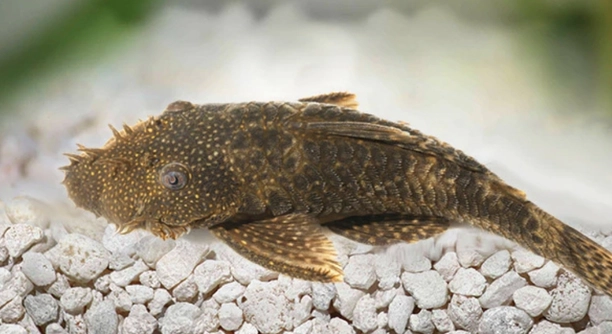
Do you enjoy keeping freshwater aquariums and have a soft spot for unique bottom-dwelling fish like Bristlenose Plecos? These small plecos are popular for their algae-eating habits and interesting facial bristles. Many aquarists wonder how they interact with other fish.
Bristlenose Plecos generally tolerate tank companions but prefer a calm and spacious environment. Aggressive or highly active species can stress them, so careful selection of compatible fish is essential to maintain a healthy and peaceful aquarium ecosystem.
While these fish often appear solitary, their behavior with other tank mates can influence tank harmony. Learning the basics of their social tendencies helps create a balanced aquatic environment.
Understanding Bristlenose Pleco Behavior
Bristlenose Plecos are naturally peaceful, nocturnal fish that spend most of their time hiding among plants, caves, or driftwood. They are not aggressive by nature, but they can be territorial with their own species, especially males. Observing their habits helps aquarists understand when they are stressed or comfortable. They prefer slow-moving water and tend to feed at the bottom of the tank. Providing ample hiding spaces reduces conflicts with other fish. Plecos are primarily algae eaters, but they also enjoy vegetables such as zucchini or cucumber. Overcrowding or placing them with highly active fish can lead to stress, which impacts their health and growth. They communicate subtly through movements and posturing rather than direct aggression, so noticing small signs like fin flicks or chasing can help prevent issues. Adjusting tank conditions to mimic their natural habitat often results in more peaceful interactions. Their long lifespan and hardiness make them ideal for community tanks with careful planning.
Proper tank setup is crucial for reducing stress. Hiding spots and moderate water flow keep plecos comfortable and less territorial.
Bristlenose Plecos respond best when their environment matches their natural preferences. Soft substrate, smooth decorations, and well-oxygenated water encourage healthy behavior. Male plecos can display mild aggression when defending a cave, but this is rarely harmful if each fish has enough space. Avoid overcrowding, as too many bottom-dwellers can create tension. Observing interactions during feeding times provides insight into their social tolerance. Choosing calm species as companions, such as tetras or rasboras, generally results in harmony. Plecos are adaptable, but sudden changes in tank mates or water conditions can trigger stress. Maintaining a balanced diet, including algae wafers and fresh vegetables, supports their immune system and reduces unnecessary aggression. A stable, peaceful environment ensures that plecos thrive alongside other fish, creating a visually appealing and low-maintenance aquarium for years to come.
Ideal Tank Companions
Bristlenose Plecos do best with non-aggressive, mid- to top-dwelling fish.
Calm species like guppies, mollies, or corydoras are excellent choices for a community tank with plecos. Avoid fast or aggressive fish that may outcompete plecos for food or intimidate them. Proper tank size is essential, giving bottom-dwellers space to roam and males room to establish small territories. Observing interactions during the first few days after introducing new fish can prevent conflicts. Plecos appreciate hiding spaces, driftwood, and smooth rocks, which help them feel secure and reduce stress. They rarely bother other fish, but some territorial behavior can appear around their caves. Supplementing their diet with vegetables and algae wafers ensures that bottom-dwelling fish receive enough nutrition without competing for food. Maintaining moderate water flow and stable conditions promotes consistent behavior. Over time, plecos often tolerate their companions well, contributing to a peaceful and visually interesting aquarium.
Choosing the right tank mates requires attention to compatibility and behavior. Observing plecos and their companions closely ensures harmony. Proper selection and preparation allow plecos to live comfortably with other fish. By considering activity levels, diet, and space requirements, aquarists can create a balanced tank that meets the needs of all inhabitants. Introducing plecos slowly and providing adequate hiding spots reduces stress and minimizes territorial disputes. Feeding routines and careful observation of behavior help maintain health and social balance. Ensuring sufficient space for both bottom-dwellers and mid- to top-level swimmers creates a stable, attractive tank environment. Over time, plecos develop predictable routines, blending well with calm companions while still exhibiting their unique natural behaviors. The combination of thoughtful species selection, proper tank setup, and attentive care results in a peaceful aquarium where plecos thrive alongside compatible fish. Regular monitoring and maintenance support long-term health, reducing the risk of conflicts or stress-related illness in the tank.
Feeding and Nutrition
Bristlenose Plecos need a diet that combines algae, vegetables, and occasional protein. Algae wafers, zucchini, cucumber, and spinach provide essential nutrients. Feeding them regularly keeps them healthy and reduces aggressive behavior toward tank mates. Overfeeding should be avoided to maintain water quality.
A balanced diet supports growth and overall well-being. Vegetables like zucchini, cucumber, and peas should be blanched before feeding to make them easier to digest. Algae wafers are a convenient staple, ensuring plecos get enough fiber. Occasional protein from shrimp pellets or bloodworms can supplement their diet but should be given sparingly. Consistent feeding routines help reduce competition among tank mates and prevent territorial disputes. Monitoring what they eat also helps detect health issues early.
Plecos often feed during the night, which aligns with their natural nocturnal habits. Placing food near their hiding spots encourages them to eat comfortably. Observing their behavior after feeding ensures that each fish gets enough nutrition and reduces stress. Uneaten food should be removed to maintain water quality and prevent harmful bacteria growth. Providing a variety of food types ensures dietary balance and keeps plecos active and healthy. This approach supports their long-term health and helps them coexist peacefully with other species.
Tank Setup Essentials
Bristlenose Plecos require hiding spaces, smooth decorations, and soft substrate. Adequate space reduces territorial disputes and supports their nocturnal habits. Proper water conditions are crucial for health.
Caves, driftwood, and plants are essential for plecos, as they provide security and resting areas. Soft substrate prevents injuries while bottom-feeding. Maintaining a moderate water flow with stable temperature and pH levels supports their well-being. Regular water changes reduce waste buildup, keeping plecos and tank mates healthy. Observing fish behavior helps ensure they are comfortable and not stressed by the tank environment. Placement of decorations should allow multiple hiding spots to prevent conflicts, especially among males. Proper tank setup encourages natural behavior, reduces aggression, and enhances the overall aquarium experience.
Choosing decorations with smooth surfaces prevents damage to their sensitive bristles. Driftwood not only provides hiding places but also serves as a natural food source. Plants add cover and improve water quality by absorbing nitrates. Maintaining consistent temperature, pH, and water hardness supports pleco health and reduces stress. Overcrowding should be avoided to ensure each pleco can claim a territory. Monitoring water parameters regularly ensures a stable environment for all tank inhabitants. A well-structured tank encourages plecos to display normal behaviors while minimizing conflicts with other fish. This combination of space, hiding spots, and water quality leads to a thriving, harmonious aquarium ecosystem.
Common Tank Issues
Algae overgrowth can occur if plecos are not fed enough or the tank receives too much light. Uneaten food can also degrade water quality, affecting all tank inhabitants. Regular maintenance prevents these problems.
Aggressive tank mates may stress plecos, leading to hiding or reduced feeding. Observing interactions and adjusting species selection helps maintain harmony.
Monitoring Fish Health
Regular observation of Bristlenose Plecos is essential for detecting illness early. Signs like faded color, frayed fins, or unusual behavior indicate stress or disease. Prompt action can prevent worsening conditions. Maintaining clean water, proper diet, and a suitable environment supports their immune system and overall well-being.
Breeding Considerations
Bristlenose Plecos lay eggs in caves, often showing territorial behavior around these areas. Providing multiple hiding spots and stable water conditions encourages successful breeding and reduces stress for both adults and fry.
FAQ
Do Bristlenose Plecos need tank mates?
Bristlenose Plecos do not require tank mates to thrive. They are perfectly capable of living alone in a well-maintained tank. Tank mates can add interest and diversity, but careful selection is necessary to avoid stress or competition for food.
Which fish are best to keep with Bristlenose Plecos?
Calm, non-aggressive species are ideal companions. Tetras, rasboras, guppies, and corydoras usually coexist peacefully. Avoid fast or territorial fish that may chase or stress plecos. Providing enough hiding spots helps reduce territorial disputes, especially among multiple bottom-dwellers.
Can Bristlenose Plecos live with aggressive fish?
Aggressive or highly active fish can stress plecos, leading to hiding, poor feeding, or health problems. It’s best to avoid housing them with cichlids or other dominant species unless the tank is very large and offers plenty of hiding places.
How many Bristlenose Plecos can live together?
Males are territorial, so overcrowding should be avoided. One male per tank is safest. Females are less aggressive, but the total number should match tank size and available hiding spaces to prevent conflict.
What is the ideal tank size for a community tank with Plecos?
A minimum of 30 gallons is recommended for a single Bristlenose Pleco with peaceful companions. Larger tanks provide more space for multiple bottom-dwellers, reduce territorial disputes, and support stable water conditions for all fish.
What should I feed Bristlenose Plecos in a community tank?
A mix of algae wafers, fresh vegetables like zucchini or cucumber, and occasional protein supplements keeps them healthy. Regular feeding ensures they get enough nutrition, reducing competition and stress when sharing a tank with other fish.
How can I tell if my Pleco is stressed by tank mates?
Signs include hiding excessively, refusing to eat, pale coloration, or erratic swimming. Observing behavior during feeding and nighttime activity helps identify stress. Adding more hiding spots or adjusting tank mates often resolves these issues.
Do Plecos clean the tank for me?
While they eat algae, they are not a substitute for regular maintenance. Uneaten food and waste can accumulate, so regular cleaning, water changes, and filtration remain necessary to maintain a healthy aquarium environment.
Can Plecos breed in a community tank?
Yes, but breeding requires caves and stable water conditions. Males guard the eggs, so providing multiple hiding spots reduces conflict. Fry may need protection if other fish are present, as some species may eat young Plecos.
How long do Bristlenose Plecos live?
With proper care, Plecos can live 5–10 years. Maintaining clean water, a balanced diet, and compatible tank mates supports their health and longevity. Regular observation helps detect issues early, ensuring they live a full, healthy life.
What water conditions do Plecos prefer?
They thrive in slightly acidic to neutral water with a pH of 6.5–7.5, moderate hardness, and temperatures between 73–81°F. Stable water parameters are more important than exact values, as sudden changes can stress Plecos and tank mates.
How often should I clean a Pleco tank?
Weekly partial water changes of 20–30% are recommended. Removing uneaten food, checking filters, and cleaning the substrate ensures water quality remains high, supporting healthy behavior and reducing stress for all fish.
Do Plecos need hiding spots if tank mates are peaceful?
Yes, hiding spots are essential. Even calm tank mates may cause stress during feeding or nighttime activity. Driftwood, caves, and plants allow Plecos to rest, reduce aggression, and feel secure in their environment.
Can Plecos coexist with shrimp or snails?
Generally, yes. Plecos are mostly herbivorous and leave snails and shrimp alone. Large or active Plecos may disturb small shrimp while foraging, so monitoring interactions is advisable to prevent accidental stress or injury.
How do I introduce Plecos to a new tank with other fish?
Acclimate Plecos slowly using the drip method or floating bag technique. Ensure hiding spots are ready, and monitor interactions for the first few days. Introducing Plecos last can reduce territorial disputes with established fish.
This FAQ covers essential aspects of Bristlenose Pleco care in community tanks, helping ensure compatibility, health, and long-term well-being. Regular observation and attention to diet, tank setup, and water quality are key to keeping them happy and stress-free.
Final Thoughts
Bristlenose Plecos are peaceful, hardy fish that adapt well to a variety of freshwater aquariums. Their unique appearance and algae-eating habits make them a popular choice for hobbyists looking to maintain a clean tank. While they do not require tank mates to thrive, adding compatible species can make the aquarium more visually dynamic and interesting. Choosing the right companions is essential, as aggressive or overly active fish can cause stress and reduce the Pleco’s comfort. Calm mid- to top-dwelling fish, such as tetras, rasboras, and guppies, typically coexist well with Plecos. Providing enough hiding spaces, caves, and plants allows them to feel secure and reduces territorial conflicts. Male Plecos are naturally more territorial, especially around caves, so it is important to plan the tank layout carefully to ensure each fish has adequate space. Observing interactions during the first days of introduction helps prevent long-term stress and promotes peaceful behavior in the tank.
Feeding and nutrition are critical to keeping Bristlenose Plecos healthy. They thrive on a diet that includes algae wafers, fresh vegetables such as zucchini, cucumber, or spinach, and occasional protein supplements like shrimp pellets or bloodworms. Providing a variety of foods ensures they receive all the necessary nutrients and reduces competition with tank mates. Plecos are nocturnal feeders, often foraging at night, so placing food near hiding areas encourages consistent feeding. Uneaten food should be removed promptly to maintain water quality and prevent harmful bacteria growth. Maintaining a regular feeding schedule supports their immune system and reduces stress, which in turn encourages natural, peaceful behavior. A balanced diet combined with proper tank care can help Plecos live a long, healthy life, often lasting between five and ten years. Their resilience makes them suitable for both new and experienced aquarists.
Maintaining the right tank environment is just as important as diet and tank mates. Plecos require stable water conditions, including a pH between 6.5 and 7.5, moderate hardness, and a temperature range of 73–81°F. Soft substrate, smooth decorations, driftwood, and plants provide necessary hiding spots and allow them to display natural behaviors safely. Regular water changes and tank maintenance are essential for keeping water clean and reducing stress for all inhabitants. Observing Plecos and their companions frequently ensures any behavioral or health issues are addressed promptly. Over time, Plecos adapt to their surroundings and form predictable routines, making them enjoyable and low-maintenance additions to community tanks. Proper planning, careful species selection, and consistent care allow Bristlenose Plecos to thrive alongside other fish, contributing to a harmonious and visually appealing aquarium.

Hello,
If you enjoy the content that we create, please consider saying a "Thank You!" by leaving a tip.
Every little bit helps us continue crafting quality advice that supports the health, happiness, and well-being of pets around the world, for pets of all shapes, sizes, and species.
We really appreciate the kindness and support that you show us!