
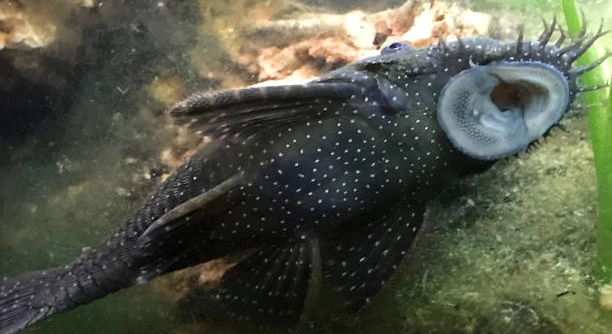
Have you ever thought about keeping plecos in a modern, high-tech aquarium? Many fish enthusiasts enjoy upgrading their tanks with advanced equipment, but plecos have unique needs that require careful consideration for their long-term well-being.
Plecos can be kept in high-tech tanks, provided their natural behaviors and environmental requirements are met. Proper filtration, hiding spaces, and a stable water environment are essential to maintain health and prevent stress in these algae-eating fish.
Understanding how technology interacts with plecos’ needs will help you create a harmonious tank. Exploring the right balance between advanced equipment and natural habitat is key for their comfort.
Understanding Pleco Needs in High-Tech Tanks
Plecos are often seen as hardy fish, but they have specific requirements that high-tech tanks must accommodate. These fish are nocturnal, so they need hiding spots during the day. Driftwood is important, as many species rasp on it for nutrients and to maintain healthy digestion. They also produce a lot of waste, meaning filtration must be strong and efficient. While modern tanks have automated feeders and advanced lighting, plecos respond best to stable conditions rather than frequent changes. Temperature and pH stability are critical, and even small fluctuations can stress the fish. Additionally, substrate choice matters; some plecos like sand to protect delicate barbels. Decorations should be arranged to allow swimming space, while still providing shelter. Regular water testing is essential to ensure ammonia, nitrite, and nitrate levels stay safe. Balancing advanced technology with the fish’s natural behaviors creates a healthy, sustainable environment.
Providing hiding spots and stable conditions ensures plecos thrive even in high-tech setups.
High-tech tanks can simplify maintenance and improve water quality, but they must complement plecos’ natural behaviors. Automation can help with feeding schedules and water changes, reducing stress caused by human error. Lighting systems should mimic day-night cycles, supporting nocturnal activity. Despite advanced technology, plecos still need personal space, access to surfaces for grazing, and careful monitoring of water parameters. Thoughtful design and planning make the tank suitable for both fish and owner convenience.
Tank Equipment Recommendations
High-tech equipment can make caring for plecos easier when used correctly.
Filtration, heating, and lighting should all support stable water conditions. Canister filters handle large waste loads efficiently, while heaters maintain species-appropriate temperatures. Automated systems reduce manual labor, but oversight remains essential.
Canister filters are ideal for pleco tanks because they provide strong water flow and can house beneficial bacteria that break down waste efficiently. Heaters should maintain temperatures that match the species’ native habitat, usually between 74°F and 80°F for most common plecos. Lighting should simulate natural cycles to encourage normal behaviors without stressing the fish. Supplemental aeration can help oxygen levels, especially in heavily stocked tanks. Monitoring devices, like digital thermometers and pH meters, allow for consistent water quality tracking. Regular maintenance, even with high-tech equipment, remains important. Cleaning the filter, checking for clogs, and replacing worn parts ensures optimal performance. By combining reliable technology with attention to plecos’ specific needs, tanks remain clean, stable, and healthy, minimizing stress and encouraging active, natural behaviors.
Feeding Plecos in High-Tech Tanks
Plecos need a balanced diet even with automated feeders. Algae wafers, fresh vegetables, and occasional protein supplements provide essential nutrients. Overfeeding can harm water quality, so portion control is key for both health and tank stability.
While automated feeders simplify feeding schedules, careful planning is necessary. Many plecos graze constantly on surfaces, so providing algae wafers or sinking tablets ensures they have consistent access to food. Fresh vegetables like zucchini, cucumber, or spinach supplement their diet and support digestive health. Some species benefit from occasional protein sources, such as bloodworms or shrimp pellets, but these should be used sparingly. Monitoring how much your pleco eats helps prevent uneaten food from decomposing and affecting water quality. Even with high-tech equipment, human observation is important to adjust feeding based on fish behavior and growth. A consistent routine maintains both the fish’s health and the tank’s balance.
Overfeeding is one of the main risks in automated systems. Excess food can decay, raising ammonia and nitrate levels quickly. High-tech tanks reduce maintenance but do not replace the need for careful feeding practices. Observing consumption, adjusting portions, and occasionally removing leftovers ensures plecos remain healthy and the tank environment stays clean. Proper feeding strategies make automation effective without compromising water quality or fish well-being.
Tank Maintenance Tips
Regular monitoring is still necessary despite automation. Checking water parameters, filter performance, and tank cleanliness prevents problems before they escalate.
Even high-tech tanks require hands-on maintenance. Filters, heaters, and lighting systems function best when inspected regularly. Water changes remain essential, with partial replacements helping remove toxins and maintain stable pH. Testing for ammonia, nitrites, and nitrates ensures the automated equipment is keeping the environment safe. Cleaning decorations and substrate prevents buildup that can affect water chemistry. Sensors and monitoring devices provide data, but they cannot replace human judgment. Observing fish behavior can reveal stress or health issues early. High-tech tanks reduce workload but do not eliminate responsibility. Consistent attention keeps plecos healthy, encourages natural activity, and ensures the tank runs efficiently over time.
Choosing the Right Pleco Species
Not all plecos adapt well to high-tech tanks. Smaller species are easier to manage and produce less waste. Large plecos require more space, stronger filtration, and careful planning to thrive in modern setups.
Some common choices include bristlenose and clown plecos. These species remain manageable in size and adjust well to advanced tank systems. Avoid large plecos like common or sailfin species unless the tank is very spacious and heavily filtered, as they can quickly overwhelm smaller setups. Matching species to tank capacity ensures stable water quality and reduces stress for both fish and equipment.
Lighting Considerations
Plecos are mostly nocturnal, so bright lighting can stress them. Low-intensity or dimmable lights allow them to remain active naturally without hiding excessively during the day.
Substrate and Decoration
Plecos need soft substrates to protect their barbels. Sand or smooth gravel is ideal. Driftwood and caves provide hiding spots and grazing surfaces, enhancing comfort and health.
FAQ
How often should plecos be fed in a high-tech tank?
Plecos benefit from small, consistent feedings rather than one large meal. Automated feeders can deliver food multiple times a day, but it’s important to monitor portions. Uneaten food should be removed to prevent water quality issues. Fresh vegetables can be added every few days, and protein supplements should be occasional.
Can plecos live with other fish in advanced tanks?
Yes, most plecos are peaceful and can coexist with community fish. However, tank size, hiding spaces, and territorial behavior should be considered. Aggressive or very small fish may not be ideal companions. Proper planning ensures harmony and reduces stress for all tank inhabitants.
What is the ideal water temperature for plecos?
Most plecos thrive between 74°F and 80°F. Maintaining a stable temperature is more important than the exact number, as fluctuations can stress the fish. Heaters with thermostats and temperature monitors help keep conditions consistent, especially in high-tech setups.
How often should water changes be done in high-tech tanks?
Even with advanced filtration, partial water changes of 20–30% weekly are recommended. This keeps ammonia, nitrite, and nitrate levels low. High-tech systems reduce manual labor but do not eliminate the need for regular maintenance. Observing water clarity and testing parameters ensures optimal conditions.
What type of filtration is best for plecos?
Canister filters are ideal because plecos produce a lot of waste. Strong filtration keeps water clean and supports beneficial bacteria. Sponge or hang-on-back filters may supplement but are usually not sufficient alone for larger pleco species.
Do plecos need special lighting?
Plecos are nocturnal, so bright lighting is unnecessary. Low-intensity or dimmable lights mimic natural cycles. Proper lighting encourages normal behavior without stressing the fish. LED systems in high-tech tanks can provide this balance while also highlighting tank aesthetics.
How important is driftwood in the tank?
Driftwood is essential for many pleco species. It supports digestive health and provides grazing surfaces. Additionally, caves and hiding spots reduce stress and encourage natural activity. Driftwood should be clean and free from chemicals before adding to the tank.
Can plecos survive in small tanks with advanced equipment?
Small tanks are only suitable for smaller pleco species. Large plecos require more space and stronger filtration. Overcrowding or insufficient space can lead to stress, disease, and poor growth, regardless of technology. Tank size should always match species requirements.
How do you prevent algae overgrowth?
Plecos help control algae, but excess nutrients can still cause blooms. Avoid overfeeding, maintain proper filtration, and perform regular water changes. Balanced lighting and careful monitoring of tank chemistry also help manage algae effectively.
Are plecos sensitive to water chemistry changes?
Yes, plecos respond poorly to rapid fluctuations in pH, hardness, or temperature. Stable conditions are essential. High-tech monitoring systems can alert you to changes, but human observation ensures adjustments are timely and effective.
What is the best substrate for plecos?
Soft sand or smooth gravel prevents injury to delicate barbels. Avoid sharp or rough materials. Substrate should also allow easy cleaning to prevent waste buildup, which helps maintain water quality in high-tech tanks.
How do you know if a pleco is stressed?
Signs include hiding excessively, refusing food, or abnormal swimming. Monitoring behavior alongside water parameters helps identify stress early. Adjusting hiding spots, lighting, or water conditions can alleviate problems and restore normal activity.
Can plecos reproduce in high-tech tanks?
Some species may spawn, especially if water conditions mimic their natural environment. Providing caves or enclosed spaces supports breeding behavior. Temperature and diet adjustments can encourage reproduction in certain species.
How often should filters be cleaned?
Filters should be rinsed in tank water every 3–4 weeks. Over-cleaning can remove beneficial bacteria, so maintenance should be balanced. Monitoring flow and water clarity indicates when filter cleaning is necessary.
Are plecos compatible with live plants?
Yes, but plecos may nibble or uproot delicate plants. Hardy plants anchored to decorations or heavy pots usually work best. Proper plant selection ensures tank stability while still offering hiding spaces for the fish.
Do plecos need supplements?
Algae wafers and fresh vegetables cover most dietary needs. Occasional protein supplements can be added but are not essential for all species. Monitoring growth and health guides dietary adjustments effectively.
Is it okay to keep multiple plecos together?
Multiple plecos can coexist if tank size is sufficient and there are enough hiding spots. Territorial species may need more space or individual shelters to reduce conflict. Observing interactions helps prevent stress or injury.
Can plecos tolerate automated water changes?
Automated systems work well, but partial water changes should still be monitored. Sensors ensure safe levels, but human oversight is important to adjust for unexpected chemical changes. Regular testing remains necessary for long-term health.
How long do plecos live in high-tech tanks?
With proper care, many plecos live 10–15 years, and some species can exceed 20 years. Stable conditions, balanced diets, and attentive maintenance support longevity in advanced setups.
Do plecos need a specific tank shape or layout?
Long tanks are preferable to provide swimming space, while height is less critical. Decorations, caves, and driftwood should be arranged to create territories without overcrowding. A well-thought-out layout supports natural behaviors and reduces stress.
How do you introduce plecos to a new high-tech tank?
Acclimation should be gradual, matching temperature and water chemistry. Floating the bag, then slowly adding tank water, reduces shock. Observing behavior during the first few hours ensures they adjust comfortably.
Can plecos live in planted tanks with other fish?
Yes, if plant choice, lighting, and fish species are compatible. Plecos may nibble some plants but coexist well with hardy species. Balancing all tank elements creates a harmonious environment for fish and plants alike.
What is the best way to monitor pleco health?
Observation of eating, swimming, and coloration provides the most immediate insights. Regular water testing, filter checks, and periodic veterinary consultation for unusual symptoms help maintain long-term health.
Do plecos require seasonal changes in care?
Most plecos do not need seasonal adjustments if the tank is stable year-round. Maintaining consistent temperature, light cycles, and feeding routines ensures comfort regardless of external seasonal variations.
How do you prevent diseases in plecos?
Maintaining water quality, avoiding overstocking, and quarantining new fish are key measures. Stress reduction through proper hiding spots and stable conditions also lowers the risk of illness. Observing behavior and prompt treatment of symptoms is essential.
Can plecos adapt to advanced filtration and pumps?
Yes, but the flow should not be excessive. Some species prefer calmer areas or hiding spots with lower currents. Adjusting water flow and providing sheltered spaces ensures plecos remain comfortable and active in high-tech tanks.
Are plecos sensitive to lighting schedules?
They are more active at night, so keeping lights on a consistent schedule helps regulate natural behavior. Sudden changes in lighting intensity can cause stress, so dimmable or programmable systems are ideal.
What common mistakes should be avoided with high-tech tanks?
Overfeeding, overcrowding, neglecting water testing, and relying solely on automation are frequent mistakes. Observing fish behavior, maintaining equipment, and planning diet and space requirements prevent most problems and support pleco health effectively.
Can plecos be part of a community tank with delicate fish?
Yes, but species selection is crucial. Avoid aggressive plecos or highly territorial individuals that may stress smaller or slow-moving fish. Monitoring interactions ensures safety and harmony within the community tank.
How do plecos interact with tank decorations?
They use driftwood, caves, and plants for hiding and grazing. Properly arranged decorations reduce stress and provide exercise opportunities. Hard or sharp materials should be avoided to prevent injury.
Do plecos require UV sterilizers in high-tech tanks?
UV sterilizers are optional but can help control pathogens and algae spores. They do not replace filtration or proper maintenance but offer an additional layer of water quality management.
How often should pleco tanks be checked visually?
Daily observation is ideal. Noticing changes in swimming, feeding, or hiding patterns provides early warning signs of stress, disease, or equipment issues. Even high-tech systems cannot replace human vigilance.
Can plecos tolerate sudden changes in water chemistry?
No, sudden shifts in pH, hardness, or temperature can stress plecos, weaken immunity, and trigger illness. Gradual adjustments are necessary, with monitoring to ensure safe transitions.
Is it necessary to provide caves for all pleco species?
Most species benefit from caves or hiding spots. Providing shelter reduces stress, encourages natural behaviors, and supports nocturnal activity. Lack of hiding places can lead to aggression or withdrawal.
How can high-tech equipment improve pleco care?
Automation supports consistent feeding, temperature, and water changes. Advanced filtration and monitoring reduce manual labor and improve water stability. Despite technology, regular observation and minor adjustments remain essential to maintain a healthy, balanced environment.
Are plecos affected by tank noise or vibrations?
Yes, loud pumps, external vibrations, or frequent disturbances can stress plecos. Choosing quiet equipment and limiting external interference helps them remain comfortable and active.
What is the ideal tank size for multiple plecos?
Tank size depends on species and number. Small species can thrive in 30–50 gallons, while larger plecos require 75 gallons or more. Adequate space prevents territorial disputes and supports water quality maintenance.
Do plecos interact with other bottom-dwellers?
Generally, they coexist well with other non-aggressive bottom-dwellers. Careful monitoring ensures competition for hiding spots or food does not cause stress. Proper tank layout supports peaceful interactions.
How do you manage algae growth while keeping plecos healthy?
Plecos eat algae, but nutrient management is key. Avoid overfeeding, maintain filtration, and perform regular water changes. Balance lighting to prevent excessive growth while supporting plant and fish health.
Are plecos affected by seasonal changes in room lighting?
Yes, natural light changes can influence behavior. Using timers or consistent artificial lighting ensures predictable day-night cycles, reducing stress and supporting nocturnal activity.
Can plecos live in tanks with fluctuating water flow?
Some plecos tolerate moderate flow changes, but sudden or strong currents can cause stress. Providing calm areas and hiding spots ensures they remain comfortable.
Do plecos require any special water additives?
Generally, no. Proper filtration, water changes, and occasional supplementation for driftwood or vegetables meet most needs. Avoid unnecessary chemicals that may disrupt water chemistry.
Is quarantine necessary for new plecos?
Yes, quarantining new fish prevents disease introduction. Observing behavior, feeding, and health in a separate tank ensures safe integration into the main setup.
How do plecos respond to different water hardness levels?
They tolerate a range but prefer stable, moderate hardness. Sudden changes can stress them, so adjustments should be gradual. Regular testing ensures consistency.
Do plecos need interaction or stimulation?
Interaction is limited; they are mostly solitary and nocturnal. Environmental enrichment through hiding spots, driftwood, and grazing surfaces provides mental and physical stimulation.
Can plecos live in tanks with strong currents?
Some species enjoy moderate flow, but excessive currents cause stress. Designing calm areas with shelters ensures comfort while allowing them to swim naturally.
Are plecos affected by tank cleaning frequency?
Overcleaning or undercleaning can harm water quality or remove beneficial bacteria. Balanced maintenance, including substrate vacuuming and filter inspection, supports health.
Do plecos need regular veterinary check-ups?
Not usually, but consultation is helpful if unusual behavior, discoloration, or illness appears. Prompt attention ensures effective treatment and prevents disease spread.
How important is water testing for plecos?
Critical. Ammonia, nitrite, nitrate, and pH levels must remain stable. High-tech tanks assist monitoring, but manual testing confirms accurate readings. Regular testing supports long-term health and prevents unexpected stress.
Can plecos thrive in tanks with artificial plants?
Yes, artificial plants provide hiding spaces and reduce stress. They require minimal maintenance and do not compete for nutrients, making them suitable for high-tech setups.
Do plecos need any seasonal diet adjustments?
Typically no. Maintaining consistent feeding routines supports health year-round. Seasonal adjustments may only be needed if breeding behavior is encouraged or water parameters shift slightly.
Can plecos live in tanks with aggressive fish?
Aggressive fish can stress plecos, especially smaller species. Tank mates should be chosen carefully, and adequate hiding spaces must be provided to prevent injury or chronic stress.
How do plecos behave at night in high-tech tanks?
They become more active, grazing on algae and exploring hiding spots. Low-intensity lighting allows natural nocturnal behavior without excessive disturbance.
Is it okay to keep plecos in a bare-bottom tank?
Yes, bare-bottom tanks simplify cleaning but require added hiding spots and surfaces for grazing. Driftwood, rocks, or PVC tubes help meet these needs while keeping maintenance low.
Do plecos require tank mates of the same species?
Not necessarily. They are generally solitary and do well with compatible community fish. Providing sufficient space and hiding spots reduces territorial conflicts.
How long does it take for plecos to adjust to a new tank?
Adjustment varies by species but usually takes several days. Providing hiding spots, stable water conditions, and minimal disturbance helps them acclimate faster.
Can plecos survive without driftwood?
Some species can, but many need it for digestive health. Driftwood also provides grazing surfaces and reduces stress, making it an important addition in most setups.
Do plecos require any specific water flow patterns?
Moderate, stable flow is preferred. Some species tolerate stronger currents, but sudden fluctuations can stress them. Calm zones with hiding spots are essential.
Are plecos sensitive to temperature changes in high-tech tanks?
Yes, they prefer stable temperatures. Sudden changes can cause stress or illness. Heaters and thermostats help maintain a consistent environment.
How do plecos react to overcrowded tanks?
Overcrowding increases stress, aggression, and waste accumulation. Adequate space, hiding spots, and filtration are necessary to prevent health issues. Monitoring behavior helps detect early signs of overcrowding.
Do plecos need special care during breeding?
Yes, providing caves, stable water conditions, and proper diet encourages spawning. Observing behavior helps identify suitable breeding conditions and ensures safety for both adults and fry.
Can plecos live in tanks with high-tech monitoring systems only?
Monitoring helps, but human observation is still required. Sensors cannot detect subtle signs of stress, illness, or behavior changes. Combining technology with attention ensures optimal health and comfort.
Do plecos benefit from periodic tank rearrangement?
Occasional rearrangement can stimulate exploration but should be done gradually. Sudden changes may cause stress, so maintain hiding spots and grazing surfaces in consistent locations.
Can plecos survive in tanks with fluctuating pH?
No, they prefer stable water chemistry. Sudden pH swings can stress or harm them. Gradual adjustments and monitoring ensure safety.
How do plecos interact with automated feeding systems?
Most adjust well if portion sizes and timing are appropriate. Observation ensures they are eating properly and not being overfed. Removing uneaten food prevents water quality issues.
Are plecos affected by tank vibrations or nearby activity?
Yes, excessive noise or vibrations can stress them. Quiet equipment and limited disturbances support natural behavior and comfort.
Do plecos need specialized medical care?
Not regularly, but prompt attention is required if disease symptoms appear. Maintaining water quality and observing behavior reduces the need for frequent interventions.
Can plecos coexist with shrimp or snails?
Generally yes, but some plecos may eat small shrimp or disturb snails. Proper hiding spots and monitoring interactions help prevent issues.
How much water movement is ideal for plecos?
Moderate flow is best. Excessive currents can stress them, while stagnant water may reduce oxygen levels. Adjust flow to accommodate species-specific preferences.
Do plecos require seasonal lighting changes?
Not usually. Consistent day-night cycles with low-intensity light support natural nocturnal behavior and reduce stress.
Are plecos affected by sudden equipment failure?
Yes, they rely on stable conditions. Backup systems or regular checks help prevent sudden temperature, filtration, or aeration changes that could harm fish.
Do plecos need enrichment beyond hiding spots and driftwood?
Mostly, no. Hiding spots, grazing surfaces, and soft substrate provide sufficient stimulation. Occasional rearrangement or new driftwood can offer minor enrichment.
Can plecos tolerate temporary water parameter changes?
Short-term fluctuations may be tolerated but prolonged or large changes stress the fish. Maintaining stable conditions is essential for health and longevity.
How important is water circulation for plecos?
Moderate circulation supports oxygenation and waste removal. Too much flow stresses fish, while too little reduces water quality. Balancing flow ensures comfort and health.
Do plecos require supplemental lighting for plant growth?
Not for the fish directly, but plants may need it. Plecos do well under natural or low-intensity light, while plants benefit from moderate lighting for photosynthesis.
Are plecos affected by human presence near the tank?
Generally, they are not disturbed by normal activity. Excessive tapping, sudden movements, or prolonged vibrations can cause stress.
Can plecos live in tanks with automated filtration only?
Yes, but filter monitoring and occasional cleaning remain necessary. Technology reduces effort but cannot replace all human observation and maintenance tasks.
Do plecos require specific tank shapes?
Long tanks are preferred for swimming space. Height is less critical, though vertical hiding spaces are useful. Proper layout ensures comfort and activity.
How often should pleco tanks be inspected for health and equipment?
Daily observation of fish and weekly inspection of equipment ensures early detection of problems. Even high-tech tanks need human oversight.
Can plecos thrive without driftwood in high-tech tanks?
Some species survive without it, but many benefit from it for digestion and grazing. Providing driftwood improves health and reduces stress.
Do plecos require a specific diet based on species?
Yes, while most eat algae and vegetables, some species need more protein. Researching specific dietary needs ensures proper nutrition and growth.
Are plecos sensitive to chemical treatments in the tank?
Yes, they are sensitive to medications, water conditioners, or sudden chemical additions. Use products cautiously and follow dosage instructions carefully to avoid stress or harm.
Can plecos live with fast-moving fish?
Fast swimmers may stress plecos, especially bottom-dwellers. Providing calm zones and hiding spots helps reduce conflict and maintain comfort.
Do plecos need social interaction?
They are mostly solitary and nocturnal. Interaction is not required, though environmental enrichment supports mental and physical
Keeping plecos in high-tech tanks can be very rewarding when done correctly. These fish have unique behaviors and needs that must be considered, even in modern setups. While advanced filtration, automated feeders, and monitoring systems make maintenance easier, plecos still require hiding spots, driftwood, and proper water conditions. A tank that balances technology with natural elements helps plecos stay healthy, active, and stress-free. Stability is the key factor—rapid changes in water chemistry, temperature, or lighting can cause stress even in a high-tech environment. Observing fish behavior alongside automated systems ensures that technology is working to support their well-being, rather than replacing essential care.
Plecos also have specific dietary needs that must be addressed, regardless of how advanced a tank may be. Algae wafers, fresh vegetables, and occasional protein supplements provide the nutrients they require. Automated feeders can help maintain regular feeding schedules, but it is important to monitor portions and remove uneaten food. Overfeeding can quickly impact water quality, creating high ammonia or nitrate levels. Pairing technology with proper dietary management ensures both the health of the fish and the cleanliness of the tank. High-tech systems reduce manual effort, but human observation remains necessary to adjust feeding routines, check water parameters, and ensure plecos are comfortable and active. Without this attention, even advanced tanks can fail to provide a stable and safe environment.
Finally, tank design and species selection play an essential role in long-term success. Smaller pleco species are often easier to manage in high-tech tanks, while larger species need more space and stronger filtration. Substrate choice, decorations, and hiding spots should match the fish’s natural behavior and nocturnal tendencies. Even with the most advanced equipment, plecos benefit from an environment that allows grazing, exploring, and retreating when stressed. Regular monitoring, partial water changes, and occasional filter maintenance keep the tank in optimal condition. By combining high-tech equipment with thoughtful planning and observation, plecos can thrive for many years. Creating a balanced and stable habitat supports both the fish’s health and your experience as a tank caretaker, making advanced aquariums a practical and sustainable option for these unique fish.

Hello,
If you enjoy the content that we create, please consider saying a "Thank You!" by leaving a tip.
Every little bit helps us continue crafting quality advice that supports the health, happiness, and well-being of pets around the world, for pets of all shapes, sizes, and species.
We really appreciate the kindness and support that you show us!