
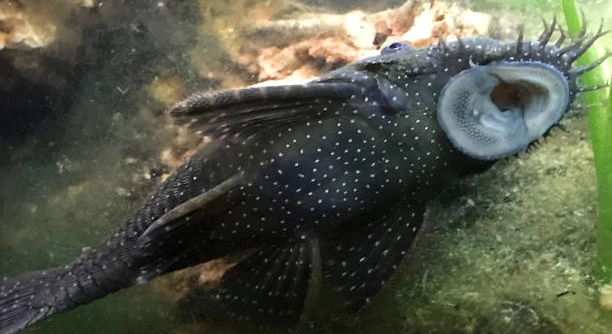
Have you ever noticed your Bristlenose acting sluggish after feeding times? Many owners give extra food thinking it is helpful, but overfeeding can lead to hidden health and tank problems for these small, peaceful fish.
Overfeeding Bristlenose plecos can cause digestive issues, water pollution, and stunted growth. Excess food leads to uneaten waste, which increases ammonia and nitrate levels, creating unhealthy conditions that compromise the fish’s overall health and well-being in the aquarium environment.
Understanding the signs of overfeeding will help you maintain a healthier tank and happier Bristlenose. Simple adjustments can prevent long-term damage to both your fish and aquarium.
Uneaten Food in the Tank
When you notice leftover food sitting at the bottom of your tank, it is often a clear sign of overfeeding. Bristlenose plecos are slow eaters, and giving more than they can consume leads to waste accumulation. This leftover food not only affects water quality but also encourages harmful bacteria and algae growth. I remember one time leaving extra algae wafers for my pleco, thinking it would enjoy a treat. Within a few hours, I noticed the water turning cloudy and a slight odor developing. Removing the uneaten food promptly made a big difference. Over time, consistently overfeeding can overwhelm your filtration system, making tank maintenance more difficult. Watching your fish’s eating habits closely helps you gauge the right portion. Smaller, controlled feedings prevent food from sitting uneaten, protect water quality, and support your Bristlenose’s digestive health. Adjusting portions based on activity and appetite keeps both your fish and aquarium environment stable.
Regularly checking for leftover food helps maintain a cleaner, healthier tank and reduces water problems.
Monitoring leftover food and understanding your Bristlenose’s appetite allows you to balance feedings properly. Reducing excess food ensures cleaner water, lowers ammonia spikes, and keeps algae growth under control. Fish that are overfed often gain weight quickly, which can strain their organs and cause health issues. Observing how much your pleco actually eats each session helps prevent overfeeding before problems arise. Using feeding schedules and portion control makes it easier to avoid excess, ensuring that your fish only receives what it can consume efficiently. This approach not only protects water quality but also encourages natural foraging behavior. By learning your fish’s patterns, you can provide a stable environment that promotes long-term health and reduces tank maintenance stress. Overfeeding can sometimes be subtle, but careful observation prevents major issues. A consistent feeding routine helps maintain a balanced ecosystem in your aquarium, benefiting all the fish and plants. Small adjustments go a long way in keeping your Bristlenose healthy and active.
Bloated or Swollen Belly
A Bristlenose with a noticeably rounded or swollen belly often indicates overfeeding. This is a visible sign of digestive stress and too much food intake.
Overfeeding can cause constipation, bloating, and in some cases, swim bladder issues. This stress affects the fish’s mobility and overall health.
Observing your Bristlenose’s belly shape is important for early detection of dietary issues. Fish with a distended belly may also show reduced activity and less interest in regular tank activities. Offering smaller portions and spacing out feedings allows the digestive system to process food properly. Foods rich in fiber, like algae wafers or vegetables, help regulate digestion and prevent bloating. It is helpful to remove uneaten portions quickly and adjust the diet if swelling persists. Keeping a close eye on your pleco’s body shape can prevent long-term health complications, ensuring it remains active and alert. Small, consistent feedings promote normal digestion and reduce the likelihood of bloating, giving you peace of mind that your fish is comfortable and thriving in its tank.
Cloudy or Smelly Water
Cloudy or smelly water is often caused by uneaten food decomposing in the tank. Overfeeding increases waste, which reduces water quality and can harm your Bristlenose. Quick cleanup and portion control are essential to prevent this issue.
When leftover food sits too long, it starts to decay, producing ammonia and other toxins. These compounds cloud the water and create an unpleasant odor, stressing your fish. I once noticed my pleco hiding more than usual, and after testing the water, ammonia levels were high. Reducing feeding amounts and removing leftovers immediately improved both water clarity and fish behavior. Filtration alone isn’t enough to counteract overfeeding; careful monitoring of portions keeps the water stable. Regular water changes combined with proper feeding routines prevent excessive waste and protect your Bristlenose from digestive and environmental stress.
Maintaining clean water requires watching feedings carefully. Even small adjustments prevent decay, keeping your fish healthy and active.
Proper feeding habits directly influence water quality. Overfeeding not only leads to cloudy water but also encourages algae growth, which can disrupt the tank balance. High nutrient levels from excess food promote bacteria that consume oxygen, leaving your Bristlenose stressed. I started measuring portions, and water clarity improved noticeably. Monitoring feeding habits, cleaning leftover food, and performing timely water changes maintain a healthy environment. Observing your fish’s activity and appetite helps you provide the right amount of food. Consistency in feeding ensures that the tank ecosystem remains stable, reducing stress for all inhabitants. Maintaining balance prevents long-term issues, supporting both fish health and overall tank aesthetics. Small, mindful adjustments make a significant difference in water quality.
Rapid Weight Gain
Rapid weight gain in Bristlenose plecos usually signals overfeeding and poor digestion. It can lead to organ stress and reduced lifespan if not addressed quickly. Maintaining proper portions helps prevent this problem.
Overfeeding increases fat accumulation in the body, making your pleco appear rounder and heavier than normal. I noticed my Bristlenose gaining weight after leaving extra algae wafers in the tank. Reducing portion sizes gradually allowed the fish to return to a healthier weight. Tracking feeding habits and providing high-fiber foods like zucchini or cucumber slices helps regulate digestion. Healthy weight management reduces the risk of swim bladder disorders, constipation, and lethargy. Observing your pleco’s body regularly allows early detection of overfeeding issues. Feeding smaller amounts multiple times a day can improve digestion and prevent rapid weight gain. A consistent approach ensures long-term health and mobility, keeping your Bristlenose active and thriving.
Adjusting feeding routines and monitoring body condition are key to preventing health problems. Consistent, measured portions support digestion and long-term vitality in Bristlenose plecos.
Lethargy and Reduced Activity
Overfed Bristlenose plecos often become lethargic and spend more time hiding. Excess food slows digestion and reduces energy levels, making fish less active than usual.
I noticed my pleco resting longer than normal after increasing feeding portions. Limiting food intake helped it regain energy and resume regular swimming patterns.
Visible Fat Deposits
Excess feeding can lead to visible fat deposits along the body and under the fins. These deposits indicate that the fish is consuming more calories than it can burn, affecting mobility and overall health. Regular observation of your Bristlenose allows early adjustments to prevent long-term issues.
Poor Fin Health
Overfeeding can indirectly affect fin condition. Uneaten food decomposes, creating poor water quality, which stresses the fish and can lead to fraying or torn fins. Maintaining proper feeding routines and clean water supports fin health and reduces risk of secondary infections.
FAQ
How often should I feed my Bristlenose pleco?
Most Bristlenose plecos do well with small feedings once a day. Overfeeding can cause digestive issues and poor water quality. I learned that giving one or two algae wafers per day, along with occasional vegetables, keeps my pleco healthy without creating excess waste. Observing appetite helps determine the right amount.
Can overfeeding harm water quality?
Yes, uneaten food decomposes, releasing ammonia and nitrates that cloud water and stress fish. I noticed that cutting back on feeding significantly reduced water cloudiness and odor. Regular water changes combined with proper feeding routines maintain a balanced, safe environment for your Bristlenose.
What vegetables are safe for Bristlenose plecos?
Zucchini, cucumber, peas, and spinach work well. I slice vegetables thinly and blanch them lightly so they are easy to eat. Overfeeding vegetables can still cause digestive problems, so portion control is key. Offering vegetables a few times a week balances their diet.
How do I know if my pleco is overfed?
Signs include bloating, lethargy, leftover food in the tank, cloudy water, and visible fat deposits. I check my pleco’s belly and behavior daily to ensure it is not showing stress from overeating. Adjusting feeding amounts immediately prevents long-term health issues.
Should I remove uneaten food immediately?
Yes. Uneaten food produces toxins and encourages bacteria growth. I scoop out leftovers after 10–15 minutes, which keeps the water clean and reduces stress for my pleco. This simple habit maintains water quality and helps prevent overfeeding consequences.
Can overfeeding lead to swim bladder issues?
Yes, excess food can cause constipation and bloating, which may affect buoyancy. I noticed that when I reduced feeding portions, my pleco’s movement improved, and it became more active. Proper diet and portion control prevent swim bladder complications.
Is it okay to feed more if my pleco seems hungry?
It’s better to offer smaller, frequent portions than one large feeding. I usually break a single algae wafer into pieces and feed them over the day. This prevents overfeeding while still satisfying hunger and supporting proper digestion.
How long can Bristlenose plecos go without food?
Bristlenose plecos can survive a few days without food, especially if the tank has natural algae. I sometimes skip a day if leftovers are abundant, which prevents overeating and keeps water quality stable. They are resilient but consistent feeding is best for health.
Can overfeeding affect other fish in the tank?
Yes, leftover food can attract unwanted bacteria and stress other tank inhabitants. I noticed my other fish became less active when ammonia levels rose due to overfeeding. Controlling portions keeps all fish healthy and reduces conflict or illness caused by poor water conditions.
How can I prevent overfeeding in the future?
Measure portions and stick to a routine. I use a small scale or count algae wafers to ensure consistency. Observing appetite and adjusting portions gradually keeps my pleco healthy. Regular tank maintenance, water testing, and careful monitoring prevent long-term problems caused by overfeeding.
Is overfeeding common among Bristlenose owners?
Yes, it happens often because owners want to treat their fish or assume more food is better. I learned that less is often more. Providing appropriate amounts prevents health issues, improves water quality, and promotes natural behavior in your Bristlenose.
What is the best approach to correct overfeeding?
Gradually reduce portions and remove leftover food immediately. I switched to smaller feedings and monitored water quality, which restored my pleco’s activity and health. Consistency and observation are key to correcting overfeeding without stressing your fish.
Can feeding frequency be adjusted for younger plecos?
Younger plecos may need slightly more frequent feedings because of growth needs. I feed mine two small portions a day when they are juveniles but reduce the quantity per feeding. As they grow, feeding once daily with controlled portions is usually sufficient.
Are algae wafers enough for a complete diet?
Algae wafers provide a good staple but should be supplemented with vegetables for fiber and nutrients. I alternate wafers with zucchini or cucumber a few times a week. Variety prevents digestive problems and supports overall health while keeping the pleco satisfied.
How long before I see improvement after reducing food?
Signs of improvement, like more activity and reduced bloating, can appear within a few days. I noticed clearer water and healthier behavior within a week of adjusting feeding. Patience and observation ensure that your Bristlenose recovers fully without causing stress.
Can I mix frozen or live food with algae wafers?
Yes, occasional treats like bloodworms or daphnia are fine. I use them sparingly to avoid overfeeding. Mixing foods adds variety and nutrients but should never exceed the pleco’s capacity to eat in one sitting, keeping portions balanced and safe.
Is measuring food necessary?
Yes, it prevents guesswork. I use a simple scale or break wafers into small pieces. Measuring ensures I do not accidentally overfeed, protects water quality, and supports healthy growth. It’s a small step that makes a big difference over time.
Can overfeeding shorten lifespan?
Consistently overfeeding can lead to obesity, organ stress, and water-related diseases, which may reduce lifespan. I noticed that careful portion control and monitoring maintained my pleco’s health and longevity, showing that balanced feeding is essential for long-term well-being.
What signs indicate recovery from overfeeding?
Normal belly size, increased activity, improved appetite, and cleaner water are good indicators. I observed my pleco returning to regular swimming patterns and showing curiosity after adjusting feeding routines, confirming recovery. Maintaining consistent portions and water quality ensures lasting improvement.
How do I adjust feeding for multiple plecos?
Divide portions based on the number of fish and monitor each pleco’s eating. I noticed some ate faster than others, so I adjusted the amounts accordingly. Controlled feeding prevents overfeeding, ensures each fish gets enough food, and maintains water quality.
How long can uneaten food sit before it becomes harmful?
Typically, uneaten food left for more than 10–15 minutes begins to decay and release harmful toxins. I always remove leftovers promptly to prevent ammonia spikes and bacterial growth, keeping the tank safe and reducing the risk of overfeeding-related health issues.
What is the best feeding schedule for Bristlenose plecos?
Once daily is usually sufficient for adults, with occasional vegetables several times a week. I break feedings into small portions when needed, adjusting based on appetite. Regular, measured feedings support digestion, activity, and long-term health without overfeeding.
How do I balance diet and tank cleanliness?
Feed measured portions, remove leftovers quickly, and monitor water quality. I noticed that maintaining this routine reduced cloudy water and stress for my pleco. A balanced approach ensures proper nutrition and a clean, healthy environment, preventing overfeeding consequences and promoting longevity.
Can stress from overfeeding affect behavior?
Yes, lethargy, hiding, and reduced swimming are common. I observed these behaviors when my pleco was overfed. Reducing food and maintaining water quality restored normal activity. Stress from overfeeding can also make fish more susceptible to disease, making portion control essential for overall well-being.
How long should I wait between feeding adjustments?
Adjust gradually over several days while monitoring behavior and water quality. I slowly reduced portions to avoid shocking my pleco’s digestive system. This careful approach prevents sudden stress and ensures a smooth transition back to healthy feeding habits.
Is fiber important in a pleco’s diet?
Yes, fiber helps digestion and prevents bloating. I provide vegetables like zucchini, cucumber, or peas to supplement algae wafers. Fiber-rich foods support gut health, regulate bowel movements, and reduce the risk of overfeeding-related digestive problems.
How do I know if my pleco is underfed?
Signs include weight loss, persistent hiding, and reduced growth. I check belly shape and activity daily. Ensuring proper portions and observing appetite prevents underfeeding while maintaining overall health. Adjusting diet gradually keeps the pleco well-nourished without risking overfeeding.
Can water temperature affect feeding needs?
Yes, higher temperatures increase metabolism and appetite, while cooler temperatures slow digestion. I adjust feeding slightly based on tank temperature. Monitoring water conditions ensures the pleco receives the right amount of food without overfeeding.
What is the role of natural algae in the tank?
Algae provides a constant, natural food source. I allow some growth but monitor levels to avoid overconsumption. Balancing algae with supplemental vegetables and wafers ensures a complete diet while preventing excess feeding and water quality issues.
How do I prevent boredom while controlling feeding?
Offer small portions gradually and include vegetables for foraging. I sometimes hide slices of zucchini to encourage natural searching behavior. Controlled feeding keeps plecos engaged without risking overfeeding, promoting both mental stimulation and physical health.
Are commercial pellets safe for Bristlenose?
Yes, high-quality pellets are suitable if used in moderation. I rotate pellets with algae wafers and vegetables to provide variety. Overfeeding pellets can cause water quality problems, so portion control is essential to maintain health and prevent digestive issues.
How do I handle multiple types of fish with different feeding habits?
Feed each species according to its needs. I use separate feeding zones and portions to ensure my Bristlenose does not overeat while other fish get enough. This prevents food competition, overfeeding, and water quality problems, maintaining harmony in the tank.
Can overfeeding affect breeding?
Yes, overweight plecos may have reduced fertility. I noticed healthier breeding behavior after regulating food intake and observing proper portion sizes. Balanced feeding supports reproductive health while preventing complications from excessive weight.
What tools help prevent overfeeding?
Measuring spoons, scales, and portioned wafers are useful. I use these tools to monitor food amounts and avoid guesswork. They make maintaining proper feeding simple, keeping your Bristlenose healthy and the tank clean.
How do I track feeding progress effectively?
Keep a feeding log and observe behavior daily. I record portions, leftovers, and activity to ensure adjustments are working. Tracking provides insights into appetite trends, preventing overfeeding while supporting long-term health.
What is the easiest way to reduce overfeeding mistakes?
Stick to measured portions and remove uneaten food immediately. I follow a strict routine that prevents excess feeding and protects water quality. Consistency reduces stress for both fish and the tank environment, maintaining a stable ecosystem.
How long should I observe after changing feeding habits?
Observe behavior, belly shape, and water quality for at least a week. I noticed improvements gradually, confirming the changes were effective. Continuous monitoring ensures that adjustments are beneficial without causing stress or digestive problems.
Can overfeeding cause sudden death?
Severe overfeeding can lead to digestive blockages, organ stress, and poor water quality, which can be fatal. I learned that careful portion control and monitoring water parameters are crucial to prevent serious health consequences and maintain longevity.
How do I know when my pleco is at a healthy weight?
A firm, slightly rounded belly without bloating indicates good weight. I compare with previous observations and adjust feedings to maintain balance. Healthy weight supports normal activity, reduces stress, and prevents overfeeding-related complications.
Are frozen vegetables as effective as fresh ones?
Yes, frozen vegetables work well if thawed and softened. I use them occasionally when fresh produce isn’t available. They provide fiber and nutrients without overfeeding, helping maintain digestive health and variety in the pleco’s diet.
Can overfeeding affect coloration?
Excessive feeding may reduce activity and stress fish, slightly dulling coloration. I noticed that balanced feeding with proper portions improved my pleco’s vibrancy. Healthy diet, portion control, and water quality together support optimal coloration and overall health.
Should I change feeding habits seasonally?
Slight adjustments may be needed if water temperature or activity levels change. I reduce portions slightly in cooler months when metabolism slows. Observing appetite and behavior ensures appropriate feeding year-round without risking overfeeding.
Can feeding too many treats harm my pleco?
Yes, frequent treats can cause digestive issues and obesity. I limit treats to once a week and maintain measured main feedings. Controlled indulgences prevent overfeeding while still providing variety and enrichment.
How do I educate others about overfeeding risks?
Sharing personal experiences and observing fish health helps convey the importance of measured feeding. I explain signs like bloating, lethargy, and water problems. Awareness prevents mistakes and promotes healthier habits among fellow aquarists.
Is it okay to fast my pleco occasionally?
Yes, skipping one day occasionally is safe if the fish is healthy. I sometimes do this to prevent overfeeding when leftovers remain. Fasting supports digestion, prevents bloating, and helps maintain water quality without harming the fish.
What is the best combination of food types for balance?
A mix of algae wafers, vegetables, and occasional protein treats works well. I rotate foods to ensure nutrients are balanced while controlling portions. Variety, moderation, and observation prevent overfeeding and maintain digestive health and activity.
How do I adjust feedings for older plecos?
Older plecos require smaller portions due to slower metabolism. I feed my adult pleco once daily with careful monitoring. Adjusting amounts prevents obesity, supports digestion, and maintains energy levels appropriate for their age.
Can overfeeding hide illness symptoms?
Yes, bloating or lethargy from overfeeding can mask early disease signs. I learned to monitor behavior closely and distinguish between dietary issues and potential health problems. Timely observation ensures proper intervention and prevents serious complications.
Are commercial feeding guidelines reliable?
They provide a baseline but should be adjusted to your fish and tank conditions. I use guidelines as a starting point, then fine-tune portions based on appetite, behavior, and water quality to avoid overfeeding.
How do I know if my pleco enjoys vegetables?
Observation is key. I noticed my pleco eagerly eats zucchini and cucumber but ignores spinach. Offering different types helps identify preferences while preventing overfeeding of any single food type.
Can overfeeding cause long-term organ damage?
Yes, chronic overfeeding can strain the liver and digestive system. I saw improvement after controlling portions, which reduced bloating and supported organ function. Regular monitoring and proper diet prevent long-term health problems.
Is it normal for Bristlenose to beg for more food?
Yes, they may appear hungry even when full. I learned to resist adding extra food and stick to measured portions. Overfeeding leads to health issues, so controlled feeding is more important than satisfying perceived hunger.
How do I balance aquarium cleaning with feeding?
Remove leftovers promptly, perform regular water changes, and feed measured portions. I noticed that combining these practices keeps the tank clean and reduces overfeeding risks while supporting overall fish health.
Can overfeeding affect social behavior?
Yes, lethargy and stress from poor water quality can reduce interaction with tank mates. I observed more hiding and less foraging when overfed. Controlling portions restored normal activity and social behavior.
Are small feedings better than one large feeding?
Yes, multiple small feedings improve digestion and reduce waste. I break wafers into pieces and feed over the day. This prevents bloating, keeps water clean, and supports steady energy levels.
How do I monitor appetite without overfeeding?
Observe how much your pleco consumes within 10–15 minutes. I only feed what is eaten during that time and remove leftovers. Careful observation prevents overfeeding while ensuring the fish gets enough nutrition.
Can overfeeding increase algae growth?
Yes, excess nutrients from uneaten food promote algae growth. I noticed reduced algae after cutting portions. Controlled feeding helps maintain a balanced tank ecosystem, supporting both water quality and the Bristlenose’s health.
How do I correct overfeeding in a shared tank?
Feed in designated areas, measure portions, and remove leftovers. I also observe each fish’s behavior to prevent competition and overconsumption. Structured feeding keeps all species healthy and prevents water issues from excess food.
Is it better to feed by weight or by observation?
Combining both works best. I measure food to prevent overfeeding but adjust slightly based on appetite and behavior. This approach ensures accurate portions while responding to your pleco’s needs.
Can overfeeding cause digestive blockages?
Yes, excess food can lead to constipation or impaction. I monitor belly shape and offer fiber-rich vegetables to maintain digestion. Proper portion control prevents blockages and supports overall gut health.
What signs indicate my pleco is under stress from diet?
Lethargy, hiding, bloating, or reduced appetite may appear. I monitor behavior closely and adjust feeding if needed. Early detection allows quick correction, preventing long-term health issues caused by overfeeding or improper diet.
How do I maintain portion control consistently?
Use measuring tools, stick to a routine, and observe leftovers. I maintain a daily log and adjust gradually. Consistency prevents accidental overfeeding, protects water quality, and ensures long-term fish health.
How often should I check water quality when adjusting feedings?
Daily monitoring is helpful during changes. I check ammonia, nitrites, and nitrates to ensure feeding adjustments don’t harm the tank. Regular observation supports a healthy environment while preventing overfeeding consequences.
Can feeding too quickly cause problems?
Yes, gulping food may lead to bloating or digestive stress. I feed slowly or break wafers into smaller pieces. Controlled feeding pace supports digestion, reduces bloating, and prevents water contamination from leftover food.
Are natural foods better than processed wafers?
Both have benefits. I rotate algae wafers with vegetables for fiber and variety. Moderation and balance prevent overfeeding while providing a complete diet. Observing your pleco ensures it gets what it needs without excess.
How do I prevent overfeeding when adding new fish?
Introduce new fish gradually, observe their eating, and adjust portions carefully. I feed small amounts initially to avoid excess, monitor tank response, and maintain water quality. Careful introduction prevents overfeeding and associated health problems.
Is it normal for Bristlenose to nibble constantly?
Yes, they may graze, but this doesn’t mean they need more food. I monitor actual consumption and remove uneaten food. Controlled observation prevents overfeeding while allowing natural grazing behavior.
Can overfeeding affect tank plants?
Yes, decaying food increases nutrients that promote algae, which can outcompete plants. I noticed healthier plants after reducing excess feeding. Maintaining proper portions protects both fish and plant health.
How do I adjust feedings for seasonal behavior changes?
Observe activity and appetite; reduce portions if metabolism slows in cooler months. I adjust slowly, keeping water quality stable. Careful monitoring ensures your Bristlenose stays healthy year-round without overfeeding.
Are frozen or live treats necessary?
Not essential but occasional treats provide enrichment. I offer sparingly to avoid excess calories. Balanced feeding
Final Thoughts
Feeding your Bristlenose pleco the right amount is one of the simplest ways to keep it healthy and active. Overfeeding can cause many problems that might not be obvious at first, such as bloating, lethargy, poor water quality, and long-term organ stress. It’s easy to assume that giving more food is better, but for these fish, moderation is key. Observing how much your pleco actually eats and adjusting portions accordingly is the most reliable method to prevent overfeeding. Even small changes, like splitting a single algae wafer into two feedings or adding just a few slices of vegetables, can make a big difference for both the fish and the tank environment. By paying attention to eating habits, behavior, and the condition of the water, you create a healthier environment that supports the natural activity and well-being of your Bristlenose.
Maintaining a clean and stable aquarium is closely tied to feeding practices. Uneaten food left in the tank can decay quickly, causing ammonia and nitrate levels to rise and leading to cloudy or smelly water. Over time, this creates stress for your fish and increases the risk of illness. Regular water changes, monitoring water parameters, and removing leftover food promptly work together with proper feeding to keep the tank balanced. I learned that simply adjusting the quantity of food and cleaning up leftovers improved the overall environment significantly. Your Bristlenose benefits not only from a proper diet but also from a stable habitat where water quality is maintained, and stressors are minimized. Proper feeding ensures that the fish get the nutrients they need without creating unnecessary work for you or potential health issues for them.
Observing your Bristlenose closely helps identify early signs of overfeeding and keeps them from developing serious problems. Changes in behavior, body shape, or appetite are often the first indicators that portions need adjustment. Maintaining a routine and sticking to measured feedings reduces the risk of overfeeding and promotes long-term health. I noticed that once I established a consistent schedule and monitored portions carefully, my pleco became more active, its belly stayed firm but not bloated, and the water remained clear. Small, consistent efforts go a long way in preventing overfeeding issues. Feeding with care and attention not only improves your Bristlenose’s health but also creates a more enjoyable and manageable aquarium experience. By focusing on moderation, observation, and maintenance, you can ensure your Bristlenose thrives and continues to display its natural, curious behavior in a clean and safe environment.

Hello,
If you enjoy the content that we create, please consider saying a "Thank You!" by leaving a tip.
Every little bit helps us continue crafting quality advice that supports the health, happiness, and well-being of pets around the world, for pets of all shapes, sizes, and species.
We really appreciate the kindness and support that you show us!