
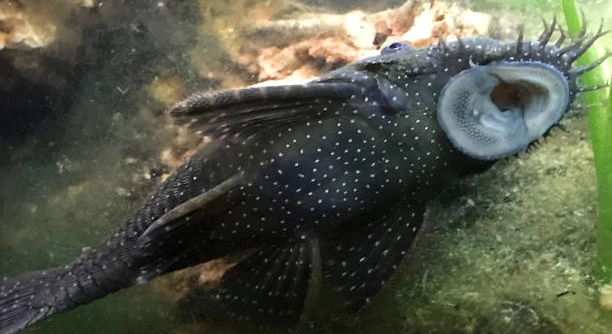
Many aquarists believe plecos thrive on algae alone, leaving their tanks with limited food options. Observing them closely shows that these fish need more variety to stay healthy and active in captivity. Their diet should reflect natural needs.
Plecos require more than algae to maintain optimal health, proper growth, and vibrant coloration. A diet consisting solely of algae lacks essential proteins, fats, vitamins, and minerals, which are critical for sustaining immune function, tissue development, and overall well-being.
Providing a balanced feeding plan benefits plecos in the long term, ensuring they remain lively and strong in your aquarium environment. Exploring this further will reveal practical ways to improve their nutrition and care.
Nutritional Variety Is Essential
Plecos often spend hours scraping algae from tank surfaces, but algae alone cannot provide all the nutrients they need. In the wild, they eat a combination of plant matter, detritus, and small invertebrates. Replicating this variety in captivity is key to keeping them healthy. Without additional food sources, plecos can develop deficiencies that affect growth and vitality. Vegetables like zucchini, cucumber, and spinach, along with protein sources such as bloodworms or shrimp pellets, help balance their diet. Offering a mix of these foods ensures they receive fiber, protein, and essential vitamins, which algae alone cannot supply. Observation is important—some plecos prefer certain vegetables over others, so rotating options can prevent picky eating habits. Supplementing with high-quality sinking pellets designed for bottom feeders also supports consistent nutrition, especially for species that consume less algae naturally. This approach encourages better digestion, stronger immune systems, and more active fish that display natural behaviors in the tank.
A varied diet keeps plecos from becoming lethargic or undernourished, supporting long-term health and proper growth.
Introducing multiple food sources gradually can make them more accepting of new options. By observing preferences and adjusting meals, you ensure each pleco receives complete nutrition while encouraging natural foraging behaviors in the tank.
Protein Supports Growth and Energy
Algae is low in protein, which plecos need to grow and stay energetic. Protein-rich foods are essential to prevent stunted growth and maintain overall vitality.
Providing protein through bloodworms, brine shrimp, or specialized pellets helps plecos develop muscle mass and repair tissues efficiently. Young plecos especially benefit from higher protein content to support rapid growth during early stages. Adult plecos also require protein to sustain energy levels for swimming, foraging, and maintaining healthy skin and fins. Protein aids in immune function, making them less prone to disease. Combining plant-based foods with protein ensures they receive a balanced diet similar to what they would encounter in nature. A diet lacking protein can lead to slow growth, dull coloration, and reduced activity, making fish more vulnerable to illness. Observing your pleco’s behavior and appetite can help determine if protein needs are being met. Proper feeding schedules, offering protein a few times per week alongside vegetables and algae, support their overall health. This balanced approach results in more vibrant, active plecos that thrive in captivity while exhibiting natural behaviors, including scavenging and grazing.
Fiber Keeps Digestion Healthy
Plecos need fiber to maintain proper digestion, which algae alone cannot provide. Vegetables and certain plant-based foods help regulate their digestive system, preventing constipation and bloating. Regular fiber intake supports overall gut health.
Adding high-fiber foods like zucchini, peas, and lettuce helps plecos process nutrients efficiently. Fiber aids in waste elimination and keeps their digestive tract functioning properly. Without sufficient fiber, plecos may experience slow digestion, leading to stress and reduced activity. A varied diet with fibrous vegetables also encourages natural grazing behavior. Incorporating occasional blanched or softened vegetables ensures they can eat comfortably while receiving essential nutrients. Fiber intake should be consistent, with adjustments based on species and size, helping maintain long-term health. Observing their waste output is a simple way to monitor digestion and ensure fiber needs are met.
Fiber-rich foods not only support digestion but also improve overall well-being. By rotating vegetables and observing preferences, plecos remain active and healthy, reducing the risk of digestive issues over time.
Vitamins and Minerals Boost Immunity
Vitamins and minerals are vital for plecos to fight disease and maintain strong bones. Algae provides some nutrients, but supplementation is necessary to cover all essential elements.
Introducing foods like spinach, kale, and fortified pellets ensures plecos receive adequate vitamins, especially A, C, and D. Minerals from vegetables and specialized foods strengthen bones, improve skin health, and enhance immune function. Without these nutrients, plecos can become more prone to infections and display slower growth. Balanced feeding supports coloration, vitality, and overall tank activity.
Plecos require consistent nutrient intake to thrive. Offering a combination of vegetables, protein, and fortified foods creates a balanced diet that promotes longevity. Observing behavior and health indicators helps identify deficiencies early, allowing adjustments in feeding. Regular variety not only enhances nutrition but also encourages natural feeding habits, preventing boredom and promoting a more active, healthier fish. Proper nutrition contributes to strong immunity, making plecos more resilient to stress, environmental changes, and potential disease in the aquarium environment.
Variety Prevents Boredom
Feeding plecos only algae can make their diet monotonous. Introducing different vegetables, protein sources, and pellets keeps them engaged and encourages natural foraging behaviors in the tank.
Rotating foods and textures helps plecos stay curious about mealtime. A mix of fresh and prepared options ensures they explore new tastes while receiving proper nutrition.
Healthy Teeth and Mouth
Plecos constantly grow teeth that need regular wear. Relying solely on algae may not provide enough abrasive surfaces. Vegetables like cucumbers, carrots, and zucchini help grind their teeth naturally. Supplementing with driftwood or specialized blocks allows continuous chewing, preventing overgrowth. Proper diet and textures maintain oral health and prevent dental issues, which can impact feeding and overall health. Observing their eating behavior ensures they are effectively using these foods to maintain dental wear. A balanced approach with fibrous foods and hard surfaces supports strong teeth, reduces the need for intervention, and keeps plecos comfortable while eating.
Supports Natural Behavior
Providing diverse foods encourages plecos to forage, graze, and explore their environment, mimicking natural behaviors they would display in the wild.
FAQ
What can I feed my pleco besides algae?
Plecos thrive on a mix of vegetables, protein, and specialized pellets. Common options include zucchini, cucumber, spinach, peas, and lettuce. For protein, bloodworms, shrimp, and sinking pellets designed for bottom feeders work well. Providing driftwood or other chewable surfaces also helps with digestion and dental health. Rotating these foods keeps your pleco interested while giving them balanced nutrition.
How often should I feed my pleco?
Most plecos do well with a feeding schedule of every one to two days. Vegetables can be offered a few times per week, while protein sources like bloodworms or shrimp should be given in moderation. Overfeeding can pollute the tank and harm water quality. Observing your pleco’s appetite and adjusting portions helps maintain health and prevents uneaten food from decomposing.
Why does my pleco ignore algae sometimes?
Plecos may ignore algae if they are full from other foods or if the algae quality is poor. Younger plecos often prefer protein-rich foods, while adults may graze naturally on algae. A varied diet encourages them to explore different foods and prevents them from relying solely on one source of nutrition.
Can I give plecos fruits?
Small amounts of fruits like melon or apple can be offered occasionally, but they should not replace vegetables or protein. Fruits are high in sugar and can upset digestion if overused. Always remove uneaten fruit to maintain water quality. Use soft, bite-sized pieces to make eating easier.
Is commercial pellet food necessary for plecos?
Pellets designed for bottom feeders can provide essential vitamins, minerals, and protein that algae alone cannot. While fresh vegetables and protein help, pellets ensure your pleco gets consistent nutrition. Choose sinking pellets to prevent competition with other fish and feed according to the species’ size and activity level.
Do plecos need supplements?
If you feed a balanced mix of vegetables, protein, and pellets, additional supplements are usually unnecessary. However, adding occasional vitamin-enriched foods or mineral blocks can support immune function and overall health, especially in tanks with limited natural food sources. Always follow recommended amounts to avoid over-supplementation.
How can I tell if my pleco is healthy?
Healthy plecos are active, have bright coloration, clear eyes, and display natural grazing or foraging behavior. Their fins should be intact, and teeth should show gradual wear. Uneaten food, lethargy, or signs of disease like white patches or fin damage may indicate dietary or environmental issues that need attention.
Should I soak vegetables before feeding?
Soaking or blanching vegetables softens them, making it easier for plecos to eat. This is especially important for younger or smaller fish. Removing uneaten pieces within a few hours prevents water contamination and keeps the tank clean. Offering a variety of textures supports natural chewing behavior and digestive health.
What is the best way to introduce new foods?
Introduce new foods gradually, offering small portions alongside familiar favorites. This reduces stress and encourages plecos to try different items. Observe which foods they prefer and rotate options to ensure balanced nutrition. Over time, this approach helps them accept a wider variety of vegetables, protein, and prepared foods without hesitation.
Can feeding only algae harm my pleco?
Yes, relying solely on algae can lead to nutrient deficiencies, slow growth, weak immunity, and dull coloration. While algae is part of their natural diet, it lacks sufficient protein, vitamins, and minerals. Supplementing with vegetables, protein, and pellets ensures your pleco thrives and remains active over time.
How do I balance vegetables and protein in their diet?
A good rule is to offer vegetables most days while providing protein a few times per week. Adjust portions based on your pleco’s size and species. Watching their consumption and behavior helps ensure they receive enough nutrients without overfeeding, supporting healthy digestion, growth, and energy levels.
Can plecos eat driftwood?
Yes, many species need driftwood to help wear down their teeth and support digestion. It can be used alongside vegetables and pellets. Regular access to driftwood encourages natural grazing behavior and keeps their digestive system functioning properly.
How do I prevent picky eating habits?
Rotating foods, offering different textures, and introducing new items gradually reduces pickiness. Observing preferences and mixing familiar favorites with new options helps plecos explore their diet. Over time, they become more adaptable and maintain a well-balanced intake of vegetables, protein, and pellets.
How much food is too much?
Feed amounts that plecos can consume within a few hours to avoid water pollution and overeating. Excess food can decay and harm tank health, leading to stress or illness. Start with small portions and adjust based on appetite, ensuring a consistent and safe feeding routine.
Why is variety important for plecos?
Variety prevents nutritional deficiencies, encourages natural behaviors, and keeps plecos active and engaged. Offering multiple types of food ensures they receive the right balance of protein, fiber, vitamins, and minerals. A diverse diet mimics natural feeding patterns, supporting overall well-being, growth, and immune function.
Can plecos eat the same pellets every day?
Feeding the same pellet daily is convenient but may not provide full nutritional balance. Combining pellets with vegetables and occasional protein sources ensures plecos receive essential nutrients, promotes dental health, and supports natural foraging behavior, keeping them healthier and more active in the long term.
How can I tell if my pleco needs more protein?
Signs of low protein intake include slow growth, dull coloration, reduced energy, and lack of muscle development. Younger plecos are especially sensitive to protein deficiency. Offering high-protein foods like bloodworms, shrimp, or fortified pellets a few times per week helps prevent these issues and supports proper growth.
What are safe vegetables for plecos?
Safe options include zucchini, cucumber, spinach, lettuce, peas, and squash. Blanching or softening vegetables improves palatability and digestibility. Rotating these foods ensures balanced fiber, vitamins, and minerals, while supporting healthy digestion and preventing boredom in their diet.
Can plecos survive on store-bought algae wafers alone?
Algae wafers provide some nutrition but are not sufficient as a sole food source. They lack essential protein and micronutrients. Supplementing with fresh vegetables, protein foods, and fortified pellets ensures complete nutrition, maintaining health, vitality, and natural behavior in captivity.
How do I monitor if my pleco’s diet is balanced?
Check their activity level, growth rate, coloration, and behavior. Healthy plecos are active, explore their environment, and graze consistently. Uneaten food, lethargy, or poor growth signals dietary adjustments are needed. Regular observation allows you to make small changes, ensuring a balanced and nutritious diet.
This FAQ provides practical, detailed answers for pleco owners aiming to meet the nutritional and behavioral needs of their fish while keeping feeding simple, manageable, and effective.
Final Thoughts
Plecos are fascinating fish that often give the impression that they can survive on algae alone. Many aquarists start with this assumption, thinking algae provides everything their pleco needs. In reality, algae is just one part of a much larger picture. While it offers some nutrients and keeps plecos busy grazing, it cannot supply all the vitamins, minerals, and proteins required for proper growth and overall health. Observing plecos in a tank shows that they explore, nibble, and test different foods if given the chance. This natural curiosity and foraging behavior are important indicators of their nutritional needs. Offering a mix of vegetables, protein sources, and specially formulated sinking pellets ensures that plecos are getting a balanced diet. Vegetables such as zucchini, cucumber, spinach, and peas provide essential fiber and vitamins. Protein sources like bloodworms or shrimp help them build muscle, maintain energy, and support their immune systems. By rotating foods and paying attention to what your pleco prefers, you can meet these needs while keeping them active and healthy.
Fiber plays a significant role in a pleco’s well-being. A diet solely consisting of algae can sometimes cause digestive issues, including slow digestion and constipation. Incorporating fibrous vegetables and plant-based foods helps maintain proper digestion and supports overall gut health. These foods encourage natural grazing behaviors, keeping plecos engaged in the tank environment. Protein is equally important, especially for young or growing plecos. It helps build tissues, repair damage, and sustain energy levels for swimming and exploring. Even adult plecos benefit from protein to maintain vitality and coloration. Combining fiber, protein, and essential vitamins creates a balanced diet that mirrors what plecos would naturally encounter in the wild. Paying attention to these aspects of nutrition also reduces the risk of deficiencies, disease, and stunted growth, allowing plecos to thrive rather than merely survive in captivity.
Finally, offering variety in their diet contributes to both health and happiness. Monotonous feeding can lead to boredom and reduced activity, while a mix of vegetables, protein, and pellets encourages natural behaviors and keeps plecos engaged. Supplements are usually not necessary if a balanced diet is provided, but occasional fortified foods or mineral blocks can further support immune function. Monitoring your pleco’s appetite, coloration, behavior, and growth provides clues about how well their nutritional needs are being met. Regularly rotating foods and observing preferences helps ensure they are not only nourished but also stimulated in their environment. By focusing on balanced nutrition, proper feeding habits, and variety, plecos can enjoy long, healthy, and active lives in your aquarium, displaying natural behaviors and maintaining their overall well-being without relying solely on algae. This approach makes caring for plecos simpler, more effective, and rewarding over the long term.

Hello,
If you enjoy the content that we create, please consider saying a "Thank You!" by leaving a tip.
Every little bit helps us continue crafting quality advice that supports the health, happiness, and well-being of pets around the world, for pets of all shapes, sizes, and species.
We really appreciate the kindness and support that you show us!