
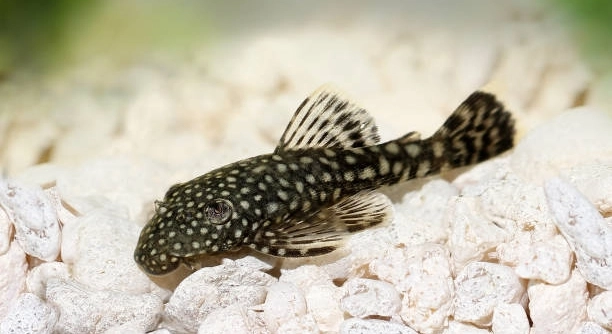
Have you ever noticed how your Bristlenose Pleco swims around the tank just before you feed it? Many owners find themselves watching these fish closely, wondering if they truly know when it’s time to eat.
Bristlenose Plecos can recognize feeding routines over time through repeated cues and environmental patterns. They respond consistently to signals such as movement near the tank, lights, or the appearance of food, showing learned behavior rather than instinct alone.
Observing these habits can be surprisingly rewarding, offering insight into your Pleco’s daily life and natural behaviors within the aquarium environment.
How Bristlenose Plecos Learn Feeding Times
Bristlenose Plecos are surprisingly observant. Over days and weeks, they begin to notice patterns in your routine. They can recognize specific cues, such as footsteps near the tank, the sound of a scoop, or flicking the lights on. These small signals become associated with feeding, and the Pleco starts to respond before food even appears. Repetition is key. The more consistent the schedule, the faster they learn. Some Plecos may swim up from hiding spots or hover near the front of the tank, showing that they anticipate feeding time. Their memory helps them link actions to outcomes, creating a form of routine awareness. While they are not as interactive as some other fish, their subtle reactions can be rewarding to observe. Even simple gestures, like tapping the tank lightly or approaching the tank with food, can trigger noticeable responses. Over time, you may notice that your Pleco adjusts its behavior almost like clockwork.
This learned behavior shows that Plecos are capable of memory and routine recognition, even in small, subtle ways.
Not all Plecos respond the same way. Age, personality, and tank environment influence how quickly they recognize feeding signals. Some may be more cautious or slower to react, while others adapt quickly. Consistency in timing and cues is essential for forming this routine.
Signs Your Pleco Recognizes Feeding Time
Most Plecos display clear signs of awareness. They may leave their hiding spots or become more active near feeding areas.
Observing these signs can help improve your feeding practices and tank management. Plecos may hover near decorations, rise toward the surface, or swim along the tank walls when they sense feeding. They often react to subtle environmental changes, such as the sound of a food container opening or the movement of your hand. Recognizing these responses allows owners to maintain a consistent schedule, ensuring their Pleco stays healthy and stress-free. Predictable feeding routines help reduce overfeeding and ensure that food reaches all fish in the tank. By paying attention to their patterns, you can adjust feeding times and amounts to suit your Pleco’s behavior and tank conditions. Over time, this observation strengthens the bond between owner and fish while promoting a calm and stable aquarium environment, ultimately benefiting both the fish and the tank ecosystem.
Training Your Pleco to Feeding Cues
Consistency is the most important factor when training your Pleco. Stick to the same feeding times daily and use the same signals, like tapping the tank or moving the food container, so your fish can learn to associate actions with meals.
Repetition helps Plecos link certain cues with feeding. For example, if you always drop food at the same spot, your Pleco will begin to swim there in anticipation. Some fish respond faster to visual cues, such as seeing your hand approach the tank. Others react more to sound, like the rustling of food. By observing which cues your Pleco responds to most, you can refine your routine. Over time, your Pleco will begin showing predictable behaviors, making feeding smoother and less stressful for both you and the fish. Patience is key, as each Pleco learns at its own pace.
Plecos also respond well to small adjustments in environment during feeding. Moving decorations slightly or changing the placement of hiding spots can encourage activity and exploration. It also helps your fish remain engaged and reduces boredom. Observing these subtle changes helps you understand how adaptable Plecos are to small routine adjustments.
Common Mistakes Owners Make
Feeding at inconsistent times is the most frequent mistake. It confuses the Pleco and prevents routine recognition.
Overfeeding is another common issue. Giving too much food at once can lead to leftover waste, water quality issues, and even health problems for your Pleco. Many owners misjudge portions, thinking that more food means a happier fish, but Plecos thrive on measured amounts. Using a consistent schedule and portion size helps maintain healthy behavior and reduces stress. Some owners change feeding cues frequently, like switching spots or using different methods, which slows learning. Observing the Pleco’s natural reactions and sticking to a predictable routine improves recognition and ensures a calmer, more organized feeding process.
Adjusting Feeding Schedules
Sudden changes in feeding times can stress your Pleco. Stick to consistent daily intervals to maintain predictable behavior and reduce anxiety.
Small shifts in timing are easier for your Pleco to adapt to. Gradually adjust the schedule if necessary, allowing the fish to follow the new routine without confusion.
Observing Subtle Behavioral Cues
Plecos communicate their awareness through small actions. Swimming closer to the tank front, moving toward decorations, or gently tapping surfaces are signs they recognize feeding cues. These behaviors show anticipation and learning, indicating they are adapting to your schedule and associating environmental cues with food.
Benefits of Routine Feeding
Maintaining a steady feeding routine keeps your Pleco healthy and active. Predictable meals encourage natural behaviors, prevent stress, and reduce waste in the tank, creating a balanced environment for all aquatic life.
FAQ
How quickly can Bristlenose Plecos learn feeding times?
Bristlenose Plecos vary in how fast they recognize feeding routines. Many start showing awareness within a week or two of consistent cues, while some may take a month or longer. Age, personality, and tank conditions all affect learning speed. Younger Plecos often adapt faster because they are more active and responsive to environmental signals. Repetition and consistency are the keys. Using the same feeding cues every day—like a specific sound, hand movement, or food placement—helps them form predictable behavior. Observing subtle changes in swimming patterns or activity near feeding spots will indicate progress.
Can Plecos get stressed if feeding times are irregular?
Yes. Plecos rely on routine, and inconsistent feeding schedules can cause stress. Sudden changes in timing or skipping meals may make them more cautious or hidden, impacting their overall activity. Stress can affect appetite, growth, and immune response. Maintaining consistent feeding times allows your Pleco to anticipate meals, reducing anxiety. Even small adjustments should be gradual so the fish can adapt without confusion.
Do Plecos respond better to visual or auditory cues?
It depends on the individual Pleco. Some react strongly to visual signals, like your hand approaching the tank, while others notice auditory cues, such as the sound of a scoop or tapping the tank. Observing your Pleco’s behavior over time helps identify which cue triggers the fastest response. Many owners find combining both cues works best: a sound followed by food placement creates a stronger association. Using consistent cues makes it easier for Plecos to learn and anticipate feeding times reliably.
Is it okay to feed Plecos at different times each day?
Feeding at different times can confuse your Pleco and delay learning. Consistent timing helps the fish recognize patterns and develop predictable behaviors. Occasional minor adjustments are fine, but sudden or large changes in schedule can lead to stress, reduced activity, and missed meals. A stable routine promotes healthy digestion and normal activity levels. Plecos thrive when they can anticipate food, which encourages exploration and engagement with their environment.
How much food should I give during each feeding?
Portion control is important. Overfeeding can pollute the tank and harm your Pleco, while underfeeding may cause stress or malnutrition. Offer a size of food they can finish in 10 to 15 minutes. Observe how much they eat and adjust portions accordingly. Regular feeding at consistent intervals ensures that your Pleco receives enough nutrition without compromising water quality. Using small, measured portions allows the fish to form predictable habits around feeding times and prevents waste accumulation.
Can Plecos learn feeding routines if they share a tank with other fish?
Yes, but it may take longer. Competition for food or distractions from other fish can slow the learning process. Plecos may wait for quieter moments or learn to react to the same cues independently. Observing interactions between tank mates helps identify when your Pleco is ready to feed. You can use specific cues targeted toward your Pleco, like tapping near their preferred hiding spot, to encourage routine recognition. Over time, even in a community tank, Plecos can form predictable behaviors associated with feeding.
What are signs my Pleco recognizes feeding time?
Common signs include swimming toward the front of the tank, moving closer to decorations, or becoming more active in general. Some tap surfaces lightly or hover near food spots. These behaviors indicate anticipation, showing that the Pleco has learned to associate cues with feeding. Observing these subtle reactions helps maintain a consistent feeding schedule and allows adjustments to improve routine recognition.
Do environmental changes affect feeding recognition?
Yes. Changes like adding new decorations, rearranging hiding spots, or altering tank layout can temporarily confuse Plecos. They may hide more or hesitate near feeding areas. Gradual changes are better, as Plecos adapt slowly. Keeping consistent feeding cues despite environmental adjustments helps maintain learned behaviors. Stability and patience are key when adjusting the tank or its setup.
Can Plecos recognize me as a food source?
While Plecos don’t form social bonds the same way some fish do, they can learn to associate your presence with feeding. They may swim closer when they see you approach the tank or show anticipation behaviors when you perform familiar motions. Over time, your Pleco can link you with food, even if it is not a social recognition in the traditional sense. This behavior reinforces their ability to predict feeding and encourages active engagement during meal times.
How long does it take for Plecos to fully adjust to a new feeding schedule?
Adjustment depends on the consistency of cues and the individual fish. Some Plecos adapt within a few days, while others may take several weeks. Gradually introducing changes, keeping feeding signals consistent, and observing reactions ensures a smoother transition. Patience and careful monitoring are essential for helping your Pleco maintain predictable behavior and avoid stress during schedule changes.
Are there foods that help reinforce feeding routines?
Yes. Foods that Plecos enjoy and can easily locate in the tank make recognition stronger. Sinking wafers, algae tabs, or favorite vegetables like zucchini can help them respond quickly to feeding cues. Consistent use of preferred foods reinforces the connection between your cues and mealtime, making learning faster and more reliable.
Can Plecos forget feeding routines if skipped for a few days?
Occasionally skipping a feeding may temporarily confuse them, but Plecos usually regain their routine quickly if cues and schedule are consistent afterward. Long gaps can delay recognition and create stress, so maintaining regular feeding intervals is ideal. Returning to consistency helps reinforce learned behavior efficiently.
How can I encourage slow or shy Plecos to recognize feeding times?
Use gentle and consistent cues near their preferred hiding spots. Offering food in smaller amounts multiple times encourages engagement. Avoid sudden movements or loud noises that may scare them. Over time, shy Plecos learn to associate these signals with food, increasing confidence and feeding activity.
Do Plecos react differently during the day versus night?
Bristlenose Plecos are nocturnal, so they are more active during low-light periods. They may respond less eagerly to feeding cues during bright daylight. Feeding during early morning or evening aligns with their natural activity cycles, encouraging more consistent recognition of meal times.
Can multiple Plecos in the same tank learn feeding routines together?
Yes. They often observe each other and can synchronize behaviors around feeding. Some Plecos may watch others and swim to food spots in response. However, individual personalities matter. Maintaining consistent cues helps all Plecos in the tank develop predictable feeding habits while minimizing stress or competition.
What if my Pleco ignores feeding cues?
Check for health issues, water quality, and stress factors first. Ignoring cues may indicate illness or environmental discomfort. If the Pleco is healthy, continue consistent routines with gentle cues. Some Plecos take longer to learn, so patience is essential. Observation helps identify the best signals to trigger response.
How does tank size affect feeding recognition?
In larger tanks, Plecos may take longer to associate cues with food due to more space and hiding spots. Smaller or medium tanks allow easier observation and quicker response to cues. Consistent placement of food and signals helps all tank sizes maintain routine recognition.
Do Plecos show excitement at feeding time?
Yes. Signs include increased movement, swimming toward the front of the tank, and hovering near preferred feeding areas. While subtle compared to more social fish, these behaviors indicate anticipation and learning, showing they have connected your cues with mealtime.
Can feeding routines improve overall tank health?
Absolutely. Consistent routines reduce stress, prevent overfeeding, and limit leftover food waste. Predictable meals encourage natural activity patterns and help maintain a stable environment, benefiting Plecos and other tank inhabitants alike. Proper feeding schedules contribute directly to water quality and fish well-being.
What’s the best way to monitor if my Pleco has learned feeding times?
Observe their reactions to consistent cues. If your Pleco swims toward the front, moves to food areas, or becomes active before food appears, it indicates recognition. Keeping a simple log of responses and timing can help track progress and refine feeding practices.
How important is patience in training Plecos?
Patience is essential. Plecos learn slowly compared to some fish, and forcing changes can cause stress. Consistent routines, gentle cues, and careful observation ensure long-term success in teaching your Pleco predictable feeding behaviors. Repetition over weeks creates reliable habits and reduces anxiety.
Can feeding recognition extend to other behaviors?
Yes. Plecos may begin to associate specific tank interactions or environmental changes with other routines. Recognizing patterns can influence exploration, hiding, and general activity. Establishing feeding routines can enhance overall predictability and calmness within the aquarium, supporting healthier fish behavior.
Do seasonal changes affect feeding recognition?
Temperature and daylight variations can alter activity levels, but consistent cues help maintain feeding routines. Minor adjustments may be needed during extreme seasonal changes to accommodate activity patterns, but predictable signals keep recognition strong.
How do Plecos behave when full?
They often return to hiding spots, slow their movements, or stop following feeding cues. Recognizing fullness helps prevent overfeeding and allows you to maintain proper portions for subsequent meals, supporting health and water quality.
Is it normal for Plecos to nibble outside feeding times?
Yes. Plecos may graze on algae or decorations, but this is separate from scheduled feeding responses. Understanding their natural grazing helps differentiate between anticipatory behavior and casual activity, ensuring proper feeding observation.
Do Plecos ever lose interest in feeding cues?
Interest may decline if food quality changes, tank conditions worsen, or stress occurs. Maintaining consistent schedules, favorite foods, and a stable environment helps keep Plecos engaged and responsive to cues.
How can I adjust feeding for multiple Plecos with different appetites?
Offer separate portions to each Pleco at consistent spots. Observe eating patterns and adjust amounts individually. Using multiple cues or staggered feeding times ensures all Plecos recognize meals without competition, maintaining routine recognition and reducing stress.
What role does water quality play in feeding behavior?
Poor water quality can reduce appetite and make Plecos less responsive to cues. Maintaining clean water, proper filtration, and stable parameters supports predictable feeding behavior and overall health. Healthy Plecos are more likely to recognize and respond to feeding signals.
Can feeding cues help when introducing a new Pleco?
Yes. Consistent cues help new Plecos learn the feeding routine quickly. Pairing visual and auditory signals with food placement allows them to adapt to the tank’s schedule while reducing stress and encouraging proper nutrition.
Do Plecos communicate with each other about feeding?
Indirectly. Observing each other’s movements can signal food availability. They don’t vocalize or social-bond like some species, but synchronized swimming or hovering near food cues indicates awareness among tank mates, reinforcing routine recognition.
How long should I continue using cues once the Pleco has learned the routine?
Continue using cues consistently. Even after recognition, cues reinforce predictable behavior, maintain anticipation, and prevent confusion. Sudden removal of signals may slow response or increase stress, so keeping them part of the routine ensures long-term success.
Are some Plecos naturally better at learning feeding times?
Yes. Personality, age, and previous experience influence learning ability. Some Plecos are more observant, active, or responsive, while others take longer. Patience and consistent routines accommodate all temperaments, ensuring that every Pleco can recognize feeding times reliably.
Can Plecos differentiate between different types of food during feeding?
Yes. Plecos often show preference for certain foods and may respond more eagerly when preferred options are presented. Recognizing these preferences allows you to use favorite foods to reinforce feeding cues and strengthen routine recognition.
Do Plecos remember feeding times after being away from the tank?
Short absences may cause temporary confusion, but most Plecos quickly regain their routine when returned. Long gaps require gradual reintroduction to cues and feeding patterns, but consistent routines help restore recognition efficiently.
How can I tell if my Pleco is stressed despite learning feeding cues?
Signs include hiding excessively, refusing food, erratic swimming, or loss of coloration. Even if feeding recognition exists, other stress factors may interfere. Monitoring water quality, tank setup, and interactions ensures both routine recognition and overall well-being.
Is it normal for Plecos to show excitement only sometimes?
Yes. Activity levels vary with health, age, and environmental conditions. Even if they usually recognize feeding cues, they may respond less actively at times. Understanding these fluctuations helps maintain realistic expectations and proper feeding schedules.
Can feeding routines improve social behavior among multiple Plecos?
Yes. Predictable feeding reduces competition and encourages calmer interactions. Plecos learn when and where to expect food, which minimizes stress and promotes smoother coexistence within the tank environment.
Do Plecos react to human presence outside feeding times?
Some may notice movement but not show anticipation. Over time, association with food strengthens recognition, while unrelated human activity usually does not elicit the same response. This shows selective learning based on cues and outcomes.
How does tank lighting affect feeding recognition?
Lighting can influence activity. Plecos are more responsive during dimmer periods aligned with natural activity cycles. Using cues consistently with lighting conditions improves recognition and reduces stress during feeding.
Is it better to feed Plecos alone or with other fish?
Both methods work, but feeding alone reduces competition and allows you to monitor individual responses to cues. In community tanks, consistent signals and observation help Plecos maintain routine recognition without interference.
How do I prevent overfeeding when using cues?
Stick to measured portions, observe consumption, and remove uneaten food promptly. Consistent cues combined with proper amounts help Plecos recognize feeding without encouraging excess eating or waste.
Can Plecos forget cues if tank conditions worsen?
Yes. Poor water quality, overcrowding, or stress can interfere with recognition. Restoring stable conditions and consistent cues helps them relearn feeding routines and regain normal behavior.
Do Plecos react differently to live food versus prepared foods?
Many Plecos respond more eagerly to preferred prepared foods like wafers, vegetables, or algae tabs. Live foods may stimulate different hunting behaviors but do not necessarily improve routine recognition. Consistent cues remain the main factor in feeding anticipation.
How often should I reinforce feeding cues?
Every meal. Even after your Pleco learns the routine, reinforcing cues ensures predictable behavior, reduces stress, and strengthens the association between signals and food. Sporadic reinforcement may slow learning or reduce response reliability.
Can stress from other tank inhabitants affect feeding recognition?
Yes. Aggressive or territorial tank mates can distract or frighten Plecos, delaying recognition. Ensuring a calm environment and safe hiding spots helps maintain feeding routines and predictable behaviors.
Do Plecos show excitement for feeding immediately after being fed?
They usually calm down after meals but may still nibble on algae or decorations. Recognizing post-feeding behavior helps differentiate between natural grazing and anticipatory excitement, keeping observations accurate.
What are the long-term benefits of consistent feeding cues?
Predictable routines reduce stress, promote health, improve activity, and support natural behaviors. Plecos learn to anticipate meals, enhancing overall well-being and creating a stable environment for all tank inhabitants. Consistency strengthens the connection between cues and feeding.
Can Plecos learn multiple feeding cues?
Yes. They can respond to a combination of visual, auditory, and positional signals. Multiple cues may reinforce recognition and create reliable anticipation, especially in larger tanks or with multiple fish.
Is it necessary to vary food types to maintain interest?
Occasional variation is beneficial but not required for learning cues. Using favorite foods consistently strengthens recognition, while variety keeps them engaged without disrupting routine.
How do I know if my Pleco is fully trained to feeding cues?
They respond reliably to signals without hesitation, swim to food areas in anticipation, and show consistent behavior patterns. Observing these signs over multiple days confirms recognition and adaptation.
Can Plecos forget cues temporarily due to illness?
Yes. Health issues can reduce responsiveness or appetite, even if cues were previously learned. Treating underlying problems and maintaining consistent cues helps restore recognition once the fish recovers.
Do Plecos show preference for certain feeding locations?
Yes. Many choose specific spots in the tank for feeding. Using consistent placement reinforces recognition and encourages predictable behaviors, making it easier to monitor consumption and adjust feeding routines.
How do I balance cue use with natural grazing habits?
Provide regular cues while allowing time for natural grazing. This ensures the Pleco maintains anticipation for meals but continues normal behavior, promoting overall health and reducing stress.
Are Plecos more responsive to cues when hungry?
Yes. Hunger increases attention and activity, making cues more effective. Predictable feeding schedules help Plecos anticipate food without becoming stressed or overactive, ensuring healthy learning and routine recognition.
How can I tell if multiple Plecos have learned cues equally?
Observe each individually. Some may respond faster, while others take longer. Consistent observation and adjusting feeding methods for each Pleco ensure all fish maintain predictable behaviors.
Do Plecos recognize feeding cues from reflections or shadows?
Sometimes. Plecos may mistake reflections for movement but usually respond more reliably to consistent cues directly associated with food placement or your presence. Observing responses helps differentiate real recognition from accidental triggers.
Can environmental enrichment support feeding recognition?
Yes. Adding hiding spots or decorations encourages exploration, but cues should remain consistent. Enrichment maintains engagement and reduces stress, helping Plecos recognize feeding routines without confusion.
Do Plecos react differently to different feeding techniques?
Yes. Some respond faster to dropping food directly into preferred areas, while others react to scattering food or using a feeding stick. Observing responses helps refine techniques for reliable recognition.
Is it normal for Plecos to test cues without food?
Yes. They may respond to cues even if food isn’t present, showing anticipation. This reinforces that they have learned the association between signals and meals.
Can feeding cues help with tank acclimation?
Absolutely. Consistent cues during acclimation reduce stress and encourage routine behavior, helping new Plecos adapt to the tank quickly and recognize feeding times efficiently.
Do Plecos ever ignore cues intentionally?
Not intentionally. Ignoring cues usually indicates stress, distraction, or health issues. Maintaining calm conditions, proper food, and consistent routines encourages reliable responses.
How do I adjust cues for nocturnal feeding?
Use low-light or subtle signals to match Plecos’ natural activity cycles. Gentle tapping or food placement during dim periods ensures recognition without disturbing their nocturnal behavior.
Do Plecos respond differently to live versus frozen vegetables?
Responses vary, but Plecos often prefer familiar textures or tastes. Recognition of feeding cues relies more on consistency and timing than food type, although favorite foods may trigger faster reactions.
Can Plecos recognize feeding cues after relocation?
Yes. Moving to a new tank may temporarily confuse them, but consistent cues and placement allow them to reestablish routine recognition quickly.
How important is observation in reinforcing feeding cues?
Observation is critical. Watching your Pleco’s reactions allows you to adjust cues, portions, and placement. Careful monitoring ensures the fish consistently recognizes feeding signals while maintaining health and well-being.
Do Plecos respond to subtle cues like hand movement near the tank?
Many
Final Thoughts
Bristlenose Plecos are more observant and adaptable than many people realize. Over time, they can learn to recognize feeding cues and anticipate mealtime. This ability is not the same as complex intelligence, but it shows they can form simple routines and associate specific signals with food. Consistent feeding schedules, clear cues, and repeated actions help Plecos understand when it is time to eat. Observing your fish carefully will reveal subtle behaviors, such as swimming closer to the front of the tank, moving toward hiding spots, or hovering near decorations. These behaviors may seem small, but they are signs that your Pleco has learned to connect environmental cues with food availability. Even minor actions, like tapping the tank lightly or opening the food container, can trigger these responses once the fish recognizes the routine. By paying attention to these details, you can create a predictable and low-stress environment for your Pleco while also learning more about its natural behavior patterns.
Maintaining a consistent routine is key to reinforcing feeding recognition. Plecos thrive when meals occur at roughly the same times each day, with similar cues, signals, and food placement. Sudden changes can cause confusion or stress, and inconsistent timing can slow learning. It is also important to consider the individual personality and habits of your Pleco. Some fish may adapt quickly, while others are more cautious or slower to respond. Monitoring their reactions allows you to refine feeding techniques, using cues that trigger the most consistent response. Portion control is another important factor. Overfeeding can harm both the Pleco and tank conditions, while underfeeding may reduce responsiveness and overall health. Providing appropriate amounts encourages anticipation without creating excess waste. Consistency, patience, and observation work together to help Plecos develop a reliable recognition of feeding times, making daily care easier and more enjoyable for both you and your fish.
Feeding routines also benefit the overall tank environment. Predictable mealtimes reduce stress, promote natural behavior, and help maintain water quality. Plecos respond to cues more reliably when they feel safe, and a stable feeding schedule encourages exploration, grazing, and healthy activity levels. Even in community tanks, each Pleco can learn to anticipate meals and respond independently, provided cues are clear and consistent. Observing these responses can deepen your understanding of your fish and help you adjust the environment to support long-term health. Over weeks and months, routine recognition strengthens, and Plecos become more confident and active, making their behavior more predictable. By keeping feeding signals clear, portions measured, and timing steady, you create an aquarium where your Pleco thrives, exhibits natural behaviors, and maintains a healthy, stress-free life.

Hello,
If you enjoy the content that we create, please consider saying a "Thank You!" by leaving a tip.
Every little bit helps us continue crafting quality advice that supports the health, happiness, and well-being of pets around the world, for pets of all shapes, sizes, and species.
We really appreciate the kindness and support that you show us!