
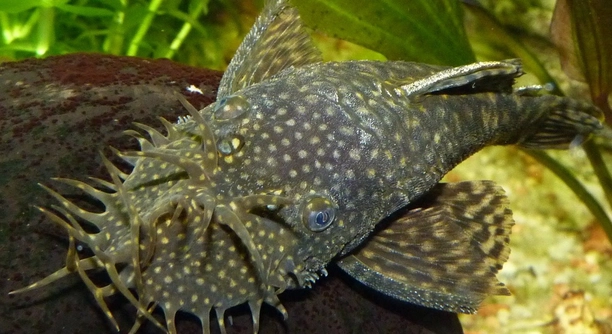
Is your pleco moving rapidly around the tank at night, keeping you up or making you wonder about its behavior? Nighttime activity in these fish can be surprising, especially when their movements seem sudden or erratic. Understanding their habits can help maintain a calm, healthy aquarium environment for both you and your fish.
Plecos often dart around at night due to natural nocturnal instincts, searching for food, exploring territory, or responding to water quality and environmental stressors. Providing hiding spaces, stable conditions, and proper feeding routines reduces erratic nighttime activity.
Observing your pleco’s behavior carefully allows you to identify potential causes and create a comfortable environment for consistent, healthy activity.
Understanding Pleco Nocturnal Behavior
Plecos are naturally nocturnal fish, meaning they are most active at night. Their darting movements often reflect instincts to forage for food or explore their environment. In the wild, they search for algae, detritus, and small invertebrates under the cover of darkness. Sudden bursts of swimming can also indicate excitement, territorial behavior, or an instinctive response to changes in lighting or water currents. Observing patterns over time can help identify whether this behavior is typical or a sign of stress. Tank setup also plays a role. Providing hiding places like caves, driftwood, and plants helps plecos feel secure. A properly maintained tank with stable temperature and clean water reduces anxiety and nighttime restlessness. Feeding habits matter too. Uneaten food or irregular feeding schedules can encourage plecos to search actively at night. Careful observation allows adjustments that promote calm, consistent activity.
Nocturnal darting is usually normal, but monitoring your pleco ensures it remains healthy and unstressed.
Plecos rely heavily on their environment for cues about safety and activity. Lighting that mimics natural day-night cycles supports their regular behavior. Hiding spaces reduce stress, allowing them to rest during the day and move freely at night. Water quality is crucial; fluctuations in temperature, pH, or ammonia can trigger erratic swimming. Feeding schedules impact activity—offering food in the evening aligns with their natural feeding times. Even minor disturbances, like tapping the tank or sudden movements nearby, can startle them. By creating a stable, enriched habitat, plecos are less likely to exhibit frantic nighttime bursts. Watching closely over weeks reveals patterns that indicate whether changes are needed. Adjusting tank conditions carefully often calms nocturnal activity without disrupting their natural instincts. Maintaining this balance promotes both the pleco’s health and your peace of mind as an observer.
Tank Environment and Pleco Activity
Tank setup has a direct effect on pleco behavior. Adequate hiding spaces and stable water conditions reduce erratic movements.
Plecos are sensitive to their surroundings, and their nighttime darting can reflect environmental stress. Providing caves, plants, and driftwood creates secure areas where plecos can rest during the day. Consistent water temperature and proper filtration prevent sudden changes that trigger frantic swimming. Tank size also matters—small, crowded tanks increase stress and encourage rapid movements. Lighting schedules should replicate natural day-night patterns to help regulate activity. Substrate choice can affect comfort, as soft surfaces allow easier movement and reduce irritation. Even minor adjustments, like adding new decorations or changing water flow, can influence behavior. Monitoring interactions with tankmates is important too, as aggressive companions may provoke sudden bursts. Understanding these factors allows a more predictable, healthy environment that supports natural pleco behavior.
Careful observation of your tank setup helps prevent nighttime darting and promotes calmer, healthier plecos. By adjusting hiding spots, water quality, and lighting, you can encourage consistent, stress-free activity while maintaining a balanced aquatic environment. Over time, these adjustments make it easier to anticipate and meet your pleco’s needs. A stable, enriched tank reduces erratic swimming and improves overall well-being. Watching for patterns and minor signs of stress allows timely interventions, ensuring the pleco feels secure and active at appropriate times. This approach not only enhances fish health but also creates a more enjoyable, peaceful aquarium for you. Consistent care and attention to environmental details are key to preventing unnecessary nighttime bursts while supporting their natural nocturnal habits.
Common Triggers for Nighttime Darting
Sudden movements, changes in lighting, or disturbances in the tank often trigger nighttime darting. Plecos respond quickly to perceived threats or shifts in their environment, and small disruptions can cause rapid swimming bursts even during normal nocturnal activity.
Water quality and diet play a significant role in pleco behavior. High ammonia or nitrite levels, fluctuating pH, or sudden temperature changes can make plecos anxious and more likely to dart around at night. Overfeeding or inconsistent feeding schedules also encourage frantic searching, as they attempt to find leftover food. Tank decorations and hiding spaces influence comfort; lacking adequate shelter increases stress, leading to more active nighttime exploration. Regular monitoring and adjustments reduce these triggers.
Social dynamics within the tank can affect activity as well. Aggressive tankmates may chase or intimidate plecos, causing sudden bursts of movement. Even compatible species can provoke night-time activity if space is limited. Observing interactions and providing separate hiding spots ensures plecos feel secure. Adjusting flow rates, rearranging decorations, or increasing plant coverage can help reduce stress-related darting. These interventions maintain calm while allowing natural nocturnal exploration.
Adjusting Feeding and Routine
Timing and type of food impact pleco activity. Feeding in the evening aligns with their natural nocturnal habits and reduces frantic searching.
Plecos are nocturnal feeders, so providing food at dusk or early night encourages calmer behavior. Using sinking pellets or algae wafers ensures they can eat comfortably on the tank floor. Uneaten food should be removed to prevent water quality issues that may further trigger erratic movements. Consistent feeding schedules help plecos anticipate meals and reduce stress-induced darting.
Routine maintenance also influences behavior. Regular water changes, stable temperature, and consistent lighting help plecos establish predictable patterns. Disruptions in these routines often lead to increased night activity. Monitoring tank conditions and adjusting care practices ensures plecos remain healthy, secure, and less prone to excessive nighttime darting. Over time, these simple adjustments create a calmer, more balanced environment for their natural behaviors.
Stress and Environmental Factors
Sudden noises, vibrations, or bright lights can stress plecos, prompting them to dart around at night. Maintaining a calm environment and minimizing disturbances helps them feel secure.
Overcrowding and insufficient hiding spaces increase stress levels. Providing caves, driftwood, and plants allows plecos to retreat, reducing erratic nighttime movements.
Monitoring Water Quality
Water conditions directly influence pleco behavior. Ammonia, nitrite, or nitrate spikes can cause anxiety and sudden swimming bursts. Maintaining stable temperature and pH levels prevents stress-related activity. Regular testing and prompt adjustments are essential for keeping the tank safe and calm.
Tank Decorations and Hiding Spots
Plecos rely on adequate shelter for comfort. Driftwood, plants, and caves give them places to rest during the day and explore safely at night, reducing frantic swimming and promoting natural nocturnal behavior.
FAQ
Why does my pleco dart around more at night than during the day?
Plecos are naturally nocturnal. Their most active periods are at night when they search for food and explore their environment. Daytime often finds them resting in caves or under plants. Increased nighttime activity is normal, but excessive darting may indicate stress, poor water conditions, or insufficient hiding spots.
Can water quality affect my pleco’s nighttime behavior?
Yes. High ammonia, nitrite, or nitrate levels, sudden temperature shifts, or inconsistent pH can stress plecos, leading to frantic swimming. Regular water testing and prompt adjustments are essential. Stable conditions reduce erratic behavior and support overall health, helping plecos feel secure during night activity.
Does diet influence night-time darting?
Feeding habits have a strong effect. Plecos are nocturnal feeders, so providing food in the evening aligns with their natural habits. Uneaten food should be removed to prevent water quality issues that can trigger additional darting. Using sinking pellets or algae wafers encourages calmer feeding.
Do tankmates affect pleco behavior?
Other fish can influence pleco activity. Aggressive or overly active tankmates may chase or intimidate plecos, causing sudden bursts of movement. Even peaceful species can provoke nighttime darting if the tank is overcrowded. Providing hiding spots and sufficient space reduces stress and allows plecos to move naturally.
How do hiding spots change their activity levels?
Caves, driftwood, and plants are crucial for plecos. They provide security during the day and a safe place to rest. Without proper shelter, plecos feel vulnerable and may dart around at night. Arranging the tank to mimic their natural environment encourages calmer, predictable activity patterns.
Can lighting affect nighttime behavior?
Yes. Bright or inconsistent lighting can disturb plecos, causing erratic swimming. Using a day-night cycle that mimics natural light helps regulate their activity. Gradual dimming at night allows plecos to transition into their nocturnal phase without sudden bursts of movement.
Is darting a sign of illness?
Occasional darting is normal, but consistent frantic swimming can signal health issues. Parasites, infections, or injuries may cause stress and unusual activity. Observing physical signs, appetite, and color changes helps identify problems early. Prompt intervention ensures plecos remain healthy and active without excessive night movement.
Does tank size impact their nighttime darting?
Tank size matters. Small or overcrowded tanks increase stress and limit hiding options, which often results in frantic movements at night. Providing adequate space and proper layout allows plecos to swim freely and feel secure, reducing erratic nighttime behavior and improving overall well-being.
How does water flow affect behavior?
Strong currents or sudden changes in flow can startle plecos, triggering bursts of swimming. Moderate flow that mimics natural river conditions is ideal. Adjusting filters or adding gentle flow breaks with decorations ensures plecos can move comfortably and maintain natural nocturnal activity patterns.
Can stress from handling cause night-time darting?
Yes. Recent handling, cleaning, or rearranging the tank can make plecos anxious. Stress from these disturbances may result in increased darting during the night. Minimizing handling and providing stable hiding spots allows them to feel secure and reduces unnecessary night activity.
What can I do to reduce darting without disrupting their natural habits?
Focus on stable water conditions, evening feeding, adequate hiding spaces, and a calm environment. Avoid sudden disturbances and maintain a consistent day-night cycle. These adjustments encourage natural nocturnal activity while reducing frantic swimming, ensuring plecos remain healthy and comfortable.
How do I know if darting is normal or a problem?
Normal darting occurs in short bursts and is part of natural exploration or feeding behavior. Problematic darting is frequent, frantic, or accompanied by signs of stress, poor health, or aggression. Observing patterns over time helps determine whether adjustments are necessary.
Can rearranging decorations help calm my pleco?
Yes. Adding caves, plants, or driftwood creates secure areas and visual barriers that reduce stress. Thoughtful arrangement mimics natural habitats, allowing plecos to navigate safely, feel protected, and exhibit calmer nocturnal behavior without constant bursts of movement.
How often should I monitor my pleco’s behavior?
Daily observation is ideal. Keeping a log of activity patterns, feeding times, and water conditions helps identify changes or stress triggers early. Monitoring ensures that nighttime darting remains within healthy limits and allows timely adjustments for consistent behavior.
Is pleco darting more common in certain species?
Some species are naturally more active and territorial, which can increase night-time movement. Researching your pleco’s specific behavior patterns helps set realistic expectations and informs tank setup, feeding, and care strategies tailored to their needs.
Do temperature changes at night affect activity?
Sudden drops or rises in temperature can stress plecos, causing increased nighttime activity. Stable temperature within the recommended range is essential. Gradual changes help maintain natural nocturnal patterns and prevent frantic darting caused by environmental stress.
How can I tell if hiding spots are sufficient?
Observe whether plecos retreat comfortably during the day and explore confidently at night. If they constantly dash across the tank or seem exposed, adding more caves, driftwood, or dense plants improves security and reduces erratic movements.
Does aquarium size influence stress levels?
Yes. Smaller tanks or overcrowding increase stress, which often leads to erratic darting at night. Providing ample space, compatible tankmates, and organized hiding areas allows plecos to maintain calm, healthy nocturnal activity while reducing anxiety-driven behavior.
Are there signs that darting is due to stress rather than normal activity?
Stress-related darting is often repetitive, frantic, or accompanied by hiding, loss of appetite, or color changes. Normal nocturnal movement is measured and exploratory. Recognizing these differences helps identify environmental or health issues and take corrective action promptly.
Can adjusting feeding type reduce nighttime darting?
Yes. Sinking pellets, algae wafers, and fresh vegetables provided at dusk align with natural feeding times, reducing frantic searching. Avoid overfeeding, and remove leftovers to maintain water quality. Consistent diet and feeding schedule support calmer, predictable nocturnal behavior.
Does introducing new tankmates affect darting?
New fish can trigger increased activity due to curiosity, stress, or competition. Introducing tankmates gradually, providing hiding spots, and observing interactions ensures plecos adjust without excessive nighttime darting, maintaining a balanced and secure environment for all inhabitants.
How long does it take for plecos to adjust to changes?
Adjustment depends on the nature of the change. Minor rearrangements may take a few days, while new tankmates or major water condition shifts can take weeks. Monitoring behavior helps ensure plecos adapt comfortably and reduces stress-related darting.
Are there behavioral signs to watch for besides darting?
Yes. Lethargy, clamped fins, loss of appetite, or unusual hiding patterns indicate stress or health issues. Observing these alongside darting helps identify underlying problems and guide appropriate care measures to maintain a healthy, calm aquarium environment.
What daily practices support calmer nighttime behavior?
Maintain stable water quality, provide secure hiding spots, follow consistent feeding schedules, and minimize disturbances. Monitoring behavior regularly ensures adjustments can be made promptly, supporting natural nocturnal activity while reducing unnecessary darting. Consistency is key for a healthy, stress-free environment.
Final Thoughts
Plecos are naturally nocturnal fish, and their darting at night is often part of normal behavior. Observing them closely helps distinguish between typical nighttime activity and behavior caused by stress or environmental issues. Maintaining a calm, stable environment is key to ensuring plecos feel secure and can move naturally. Providing adequate hiding spots such as caves, driftwood, and plants allows them to rest during the day and explore comfortably at night. Overcrowding or insufficient shelter can increase anxiety, causing more frequent or frantic darting. By arranging the tank thoughtfully, you give plecos a sense of security, which directly reduces unnecessary bursts of movement. Consistent observation over time helps you understand patterns and allows small adjustments before minor issues become larger problems.
Water quality is one of the most important factors affecting pleco behavior. Sudden changes in temperature, pH, or ammonia levels can cause anxiety, resulting in nighttime darting. Regular testing and prompt corrections are essential to maintain stable conditions. Feeding routines also play a significant role. Plecos are nocturnal feeders, so offering food in the evening aligns with their natural habits and reduces frantic searching. Sinking pellets, algae wafers, or fresh vegetables are ideal for their dietary needs. Removing uneaten food promptly prevents water quality issues that could further stress the fish. By maintaining stable water conditions and a consistent feeding schedule, you can support calmer nocturnal activity and overall health, reducing the likelihood of erratic swimming at night.
Environmental factors, tankmates, and subtle changes in the aquarium setup can also influence nighttime activity. Bright lights, strong water currents, or new tankmates may startle plecos and trigger sudden bursts of movement. Even small changes, like rearranging decorations or cleaning the tank, can temporarily increase stress levels. Monitoring interactions between plecos and other fish is important, as aggressive behavior or competition for space may contribute to nighttime darting. Gradual adjustments, rather than abrupt changes, help plecos acclimate comfortably and maintain predictable routines. By observing their behavior, providing adequate shelter, feeding at appropriate times, and maintaining stable water conditions, you create a balanced environment. This ensures your pleco can move freely, stay healthy, and enjoy its natural nocturnal activity without excessive or stressful darting. A well-maintained tank not only promotes their physical well-being but also makes caring for them a more manageable and rewarding experience.

Hello,
If you enjoy the content that we create, please consider saying a "Thank You!" by leaving a tip.
Every little bit helps us continue crafting quality advice that supports the health, happiness, and well-being of pets around the world, for pets of all shapes, sizes, and species.
We really appreciate the kindness and support that you show us!