
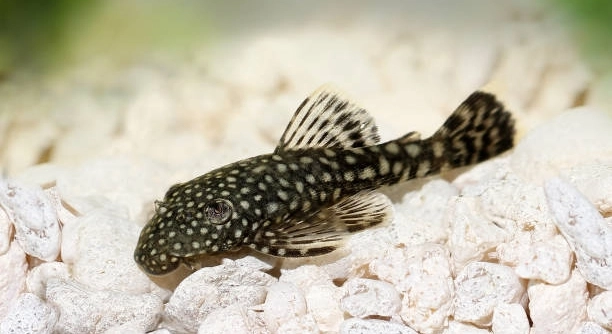
Have you ever noticed your pleco acting strangely, like clinging to the glass or hiding for long hours, and wondered what it really means?
Plecos display subtle behaviors that reveal their mood, health, and comfort within the tank environment. These actions, often overlooked, can signal stress, adaptation, or natural instincts at play, offering insight into their overall well-being and habitat satisfaction.
From gentle fin flicks to quiet midnight movements, understanding these behaviors can help you care for your pleco more effectively and strengthen your connection with this fascinating fish.
1. When Your Pleco Stays Hidden for Hours
It’s easy to assume something is wrong when your pleco disappears behind decorations or hides for most of the day. However, this behavior is quite natural. Plecos are nocturnal and prefer dim environments where they feel safe and protected. In the wild, they rest in caves or under driftwood, emerging mainly at night to feed. Your aquarium setup may not fully replicate their natural surroundings, so they often find comfort in shaded or covered spaces. This hiding helps them regulate stress, rest properly, and avoid perceived threats, especially if the lighting is too bright or tank mates are overly active.
If your pleco hides constantly but still eats and moves normally during feeding times, it’s generally a sign of comfort, not distress. On the other hand, if hiding is paired with loss of appetite or sluggishness, you may need to check the water conditions or tank compatibility.
Creating shaded areas with driftwood, caves, or plants will help your pleco feel secure while maintaining a natural rhythm. Observing how and when they emerge can tell you a lot about their comfort level and trust in their environment.
2. Subtle Signs of Pleco Stress
When plecos feel stressed, their behavior changes subtly but noticeably. You may see them darting suddenly, breathing faster, or clinging to the glass more than usual.
Stress in plecos is often caused by unstable water parameters, aggressive tank mates, or lack of hiding spots. These fish are highly sensitive to shifts in temperature, pH, and water hardness. Even slight changes can make them uneasy. Overcrowding or bright lighting also adds to their tension, leading to behaviors that might seem random. Ensuring a calm environment with stable conditions can quickly reduce these signs. Regularly testing your tank water, performing partial water changes, and using a dim light setup can make a significant difference. Plecos also appreciate consistency—feeding at the same times and keeping the layout familiar helps them adjust and remain calm. When their surroundings feel predictable, their natural behaviors return, and they thrive peacefully.
3. Gentle Fin Flicking
Fin flicking is one of the easiest behaviors to overlook. It often seems harmless, but it can reveal how your pleco feels in its environment. Small, occasional flicks are normal, especially when adjusting to new surroundings or tank changes.
Frequent or intense fin flicking, however, can indicate irritation. This might come from poor water quality, parasites, or strong water currents. If you notice constant flicking, it’s best to test your water for ammonia or nitrate buildup and check for any physical signs of discomfort. Sometimes, plecos also flick their fins when asserting space or reacting to sudden movements around the tank. Observing patterns can help you determine whether it’s environmental or social behavior.
To reduce unnecessary flicking, maintain steady filtration, keep water clean, and limit sudden disturbances. Consistent care allows your pleco to remain calm and display its fins naturally without signs of irritation or stress.
4. When Plecos Latch onto the Glass
Latching onto the glass is a common pleco habit that shows both instinct and need. It helps them graze on algae while securing a comfortable resting position, especially in tanks with limited surfaces to explore.
However, when your pleco spends most of its time on the glass instead of the substrate or decorations, it might be signaling hunger or lack of enrichment. Plecos are bottom-dwellers by nature and need areas with driftwood, rocks, and plants for grazing and shelter. Offering algae wafers, fresh vegetables, or driftwood rich in fiber can encourage healthier, more balanced behavior. You can also rearrange the tank layout to add variety and hiding spots. These small changes keep them active and engaged. Over time, you’ll notice them using the glass less and exploring more, which reflects a happier, well-adjusted pleco.
5. Plecos Resting Upside Down
Seeing your pleco resting upside down may look alarming, but it’s often normal. Some species, like the royal or sailfin pleco, rest this way under driftwood or cave roofs. It’s their way of feeling secure while conserving energy.
If your pleco remains upside down near the surface or moves less, check the oxygen levels and temperature. Poor aeration or heat can reduce comfort and energy. Once water conditions improve, most plecos return to their usual positions and resume normal feeding and movement patterns.
6. Slow or Hesitant Eating
A pleco eating slower than usual can signal changes in water quality, stress, or a monotonous diet. They rely on consistent feeding routines and prefer a mix of algae, vegetables, and sinking pellets. Ignoring food for days may mean something isn’t right in their surroundings or health.
7. Plecos Rubbing Against Surfaces
When plecos rub against decorations or rocks, they may be cleaning off debris or scratching an itch. However, frequent rubbing can point to parasites or irritation from poor water quality. Testing your water and observing closely helps identify whether it’s routine cleaning or something that needs quick attention.
FAQ
Why does my pleco stay hidden all day?
Plecos are naturally nocturnal, meaning they are more active at night and prefer darker areas during the day. Hiding gives them a sense of safety and helps reduce stress. They often rest under driftwood, rocks, or inside caves, especially when the lights are on. As long as your pleco eats, moves normally at night, and shows no signs of illness, this behavior is completely normal. If it hides excessively without coming out even to feed, you might need to check your tank’s lighting or make sure it has enough shaded spots to feel secure.
Why does my pleco stick to the glass so often?
When a pleco clings to the glass, it’s usually searching for algae to graze on or simply resting. The glass provides a smooth surface where it can attach itself comfortably using its strong mouth. However, if your pleco spends most of its time there, it could be lacking other surfaces or food sources. Try adding driftwood, rocks, or other natural textures for it to explore. Supplementing with algae wafers and blanched vegetables like zucchini or cucumber will also encourage more natural feeding behavior away from the glass.
Is it normal for my pleco to move mostly at night?
Yes, it’s completely normal. Plecos are nighttime feeders and explorers. During the night, they feel safer to roam around the tank, searching for food or new hiding spots. If your pleco appears inactive during the day, that’s simply part of its natural rhythm. To observe it more often, you can dim the tank lights or use soft, subdued lighting in the evening. This helps simulate their natural environment and may encourage more daytime activity without stressing them.
Why does my pleco flick its fins frequently?
Occasional fin flicking is normal and can happen when your pleco is adjusting to a new tank or sensing mild irritation. However, if it becomes constant, it might indicate issues with water quality, parasites, or strong currents. Testing the tank water for ammonia, nitrites, and nitrates should be your first step. If parameters are fine, observe whether other fish are causing stress or if the filter output is too strong. Keeping conditions stable and calm often resolves this behavior quickly.
What does it mean when my pleco rubs itself on decorations or rocks?
Plecos sometimes rub on surfaces to remove algae or clean their skin, but frequent or aggressive rubbing can suggest something’s wrong. It’s often linked to external irritation from parasites or chemical imbalances. Conduct a full water test to rule out high ammonia or nitrate levels. If the issue continues, quarantine the pleco and consult a professional for possible treatment. Consistent tank maintenance and gentle cleaning routines help prevent these problems from returning.
Why has my pleco stopped eating suddenly?
Loss of appetite can occur due to stress, sudden temperature changes, or poor water conditions. Plecos are sensitive to fluctuations and may stop eating when something feels off. Check that the water temperature and pH remain within a stable range. Another reason could be a lack of food variety—plecos enjoy a mix of algae, vegetables, and sinking pellets. Sometimes, they also eat less when fed too frequently or when food isn’t reaching them before other fish consume it. Ensuring a balanced diet and stable environment usually restores their appetite.
Is it okay if my pleco rests upside down?
For some species, yes. Plecos like the royal or sailfin types often rest upside down under driftwood or cave ceilings. It’s their natural way of feeling safe and staying out of sight. If your pleco seems healthy, moves normally, and eats well, this behavior is nothing to worry about. However, if it remains upside down near the surface or shows signs of distress, check for oxygen issues or water imbalance. Good aeration and proper tank setup usually resolve this quickly.
Why does my pleco seem to breathe heavily sometimes?
Heavy breathing is a clear sign that your pleco may be struggling with oxygen levels or poor water quality. Low oxygen can occur if there’s little surface agitation, warm water, or too many tank mates. Adding an air stone or adjusting the filter flow can improve oxygen circulation. Regular water changes are also important for keeping the tank clean. If heavy breathing continues even after improving conditions, it might indicate illness or gill irritation, and you should observe closely for other symptoms.
Can plecos live peacefully with other fish?
Most plecos are peaceful and prefer to avoid confrontation. However, territorial disputes can happen if the tank is too small or lacks hiding spaces. Males, in particular, can become defensive when they feel crowded. Providing plenty of caves, wood, and plants helps reduce aggression. Avoid pairing them with fin-nipping or highly active fish that may cause stress. With enough space and suitable companions, plecos coexist well and maintain calm behavior.
How can I tell if my pleco is happy?
A content pleco moves around the tank comfortably, eats regularly, and rests in chosen spots without signs of fear or stress. You’ll often see gentle fin movements, steady breathing, and occasional cleaning behavior. It should also respond to feeding time and explore the environment freely. When the water conditions remain consistent and the tank offers plenty of hiding spots, your pleco will thrive. Their subtle habits tell a lot—calm, steady activity usually means they feel secure and healthy.
Final Thoughts
Caring for a pleco means paying attention to details that are often easy to miss. These fish have quiet personalities, but their behavior can tell you so much about how they feel and what they need. When a pleco hides, flicks its fins, or rests in strange positions, it’s not always a sign of trouble. Most of the time, these actions are part of their natural rhythm and instincts. By learning to recognize what’s normal and what’s not, you can keep your pleco comfortable, healthy, and at ease in its environment. Patience and observation go a long way in understanding their subtle habits.
Creating a balanced and stable tank is one of the best ways to support your pleco’s well-being. They thrive in calm, clean water with plenty of hiding spots, driftwood, and surfaces to explore. Routine water testing, consistent feeding, and low-stress surroundings can prevent most behavioral problems before they start. Many of their habits—like glass clinging or rubbing—are simply ways of interacting with their habitat. When their surroundings feel natural and secure, they become more active and relaxed. Taking time to notice how your pleco behaves during feeding, resting, and exploration helps you catch changes early and respond quickly if something seems off.
Plecos may not be as expressive as other fish, but their behavior carries meaning once you learn to read it. Each flick, pause, or hiding moment adds to a larger picture of their comfort and health. Observing these details isn’t just about care—it’s also a way to connect with them and appreciate their quiet routines. Over time, you start to understand what makes them content, when they’re stressed, and how small changes affect them. Building this awareness makes keeping plecos both rewarding and peaceful. With steady attention and a gentle approach, you’ll give them the stable home they need while enjoying the calm presence they bring to your tank.

Hello,
If you enjoy the content that we create, please consider saying a "Thank You!" by leaving a tip.
Every little bit helps us continue crafting quality advice that supports the health, happiness, and well-being of pets around the world, for pets of all shapes, sizes, and species.
We really appreciate the kindness and support that you show us!