
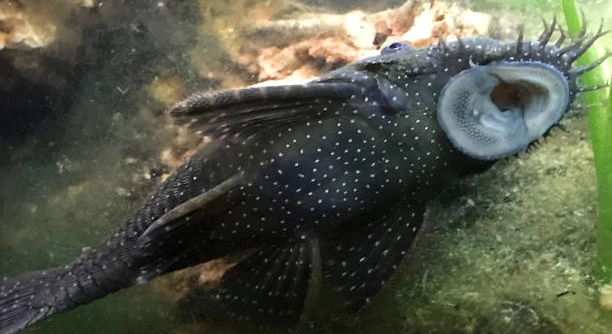
Have you ever wondered how to protect your pleco fry in a busy tank? These tiny fish are delicate, and even small changes in their environment can affect their survival and growth. Proper care is essential from day one.
Keeping pleco fry safe in the tank requires careful management of water quality, hiding spaces, and tank mates. Consistent monitoring of temperature, pH, and ammonia levels, along with providing shelters and minimizing stress, greatly improves their chances of survival.
Understanding these basics will help you create a safer environment for your fry. Simple adjustments can make a big difference in their early development.
Maintain Stable Water Conditions
Keeping water conditions stable is the most important step for pleco fry safety. Sudden changes in temperature, pH, or hardness can stress the fry and make them more susceptible to disease. Using a reliable heater and thermometer helps maintain a steady temperature. Regularly testing pH, ammonia, and nitrate levels ensures a healthy environment. Small water changes of 10–15% weekly can keep the tank clean without shocking the fry. Avoid overcrowding, as too many fish can quickly alter water chemistry and reduce oxygen levels. Introducing new fish slowly helps prevent fluctuations. Filters should provide gentle circulation to avoid harming tiny fry, but still remove waste effectively. By monitoring these factors consistently, the tank becomes a stable place for pleco fry to grow, reducing the chances of sudden illness or stress-related mortality.
Stable water conditions create a secure environment where fry can thrive and develop properly without unnecessary risk.
Even slight variations in water can have big effects. Using soft filtration and keeping consistent temperature helps fry remain healthy, encouraging steady growth and reduced stress.
Provide Plenty of Hiding Spots
Fry need spaces to feel safe from larger tank mates. Hiding spots like caves, driftwood, and plants reduce stress and encourage natural behavior.
Adding shelters made of smooth wood, PVC tubes, or dense vegetation gives fry areas to retreat. Without hiding places, fry may become stressed, eat less, or even be attacked by other fish. Providing several options throughout the tank allows fry to move freely while feeling protected. Placement matters—dense areas near the bottom often work best, as fry prefer lower levels. These shelters also help establish territories and reduce aggressive interactions. Even in a tank with peaceful species, hiding spots remain crucial because fry are smaller and more vulnerable. By arranging the environment thoughtfully, the tank becomes safer, and fry are more likely to feed regularly, grow efficiently, and survive until they are large enough to interact with the rest of the fish confidently.
Consistent observation ensures hiding areas remain clean and accessible, keeping fry stress-free and safe.
Feed Appropriate Foods
Fry need small, nutritious foods that are easy to digest. Finely crushed pellets, powdered fry food, and algae wafers work well to support growth.
Offering a variety of foods ensures fry get essential nutrients for healthy development. Tiny portions several times a day prevent overfeeding and keep water cleaner. Fresh vegetables like zucchini or spinach can be blanched and cut small, providing additional vitamins. Observing how quickly fry eat helps adjust portions and reduce waste. Avoid large or hard foods that fry cannot handle, as these can cause choking or poor digestion. A balanced diet supports strong growth, better coloration, and increased survival rates. Maintaining consistency in feeding schedules also reduces stress and encourages natural foraging behaviors, which are important for their overall development.
Rotating food types and observing fry preferences can improve health. Regular feeding schedules prevent hunger-related stress and encourage steady growth.
Even small mistakes in food size or frequency can impact fry growth. Offering soft, digestible foods keeps them nourished, and observing leftovers helps maintain clean water and overall tank health.
Monitor Tank Mates
Aggressive or larger fish can harm fry, even unintentionally. Keep fry with peaceful species or in a separate tank to reduce risk.
Choosing compatible tank mates prevents bullying and accidental injuries. Avoid fish known to nip fins or eat smaller fish, as pleco fry are vulnerable. If using a community tank, consider a breeding box or partition to give fry a safe space while allowing interaction with water from the main tank. Observation is key—watch for stress signs such as hiding constantly or reduced feeding. Adjusting tank layout with additional plants or hiding spots further protects fry. A carefully selected environment reduces fatalities and helps fry develop naturally without constant stress, promoting steady growth and long-term health.
Regularly reviewing interactions between fry and other fish keeps the tank safe. Adjustments may be necessary as fry grow or other fish change behavior.
Keep Water Clean
Regular cleaning prevents harmful waste buildup. Even small amounts of leftover food or debris can affect fry health.
Partial water changes of 10–15% weekly maintain water quality without shocking the fry. Using a gentle siphon helps remove debris without disturbing them.
Maintain Proper Temperature
Pleco fry need a consistent temperature to grow properly. Sudden fluctuations can cause stress or illness. Keeping the water within their ideal range supports metabolism and immune function. Monitor the tank with a reliable thermometer and adjust the heater as needed to avoid temperature swings.
Avoid Overcrowding
Too many fish in one tank increases stress and waste, which can harm fry. Maintain a balanced stocking level to ensure a safe environment.
FAQ
How often should I feed pleco fry?
Pleco fry need frequent, small meals to support steady growth. Feeding two to three times a day with tiny portions of powdered fry food, finely crushed pellets, or blanched vegetables ensures they get enough nutrients without fouling the water. Observing how quickly they eat helps adjust amounts, preventing overfeeding and waste buildup.
What is the ideal water temperature for pleco fry?
Maintaining a consistent temperature between 78°F and 82°F is generally ideal for most pleco species. Sudden fluctuations can stress fry and slow growth. A reliable heater and thermometer help keep conditions stable. Avoid placing the tank near drafts or direct sunlight, as these can cause unexpected swings.
Do pleco fry need hiding spots?
Yes, hiding spots are crucial for safety and stress reduction. Caves, driftwood, PVC tubes, or dense plants provide areas to retreat. Fry use these spaces to feel secure, avoid aggressive tank mates, and explore naturally. Multiple hiding areas distributed throughout the tank allow movement while maintaining safety.
Can I keep pleco fry with other fish?
Tank mates must be chosen carefully. Peaceful, non-aggressive fish are safest, while larger or territorial species can harm fry. Using a breeding box or partition helps fry remain protected while still sharing water with the main tank. Observation is key, as behavior can change over time.
How do I prevent water quality problems?
Regular partial water changes of 10–15% weekly remove waste without shocking fry. Test pH, ammonia, nitrate, and nitrite regularly. Gentle filtration helps remove debris while maintaining oxygen levels. Avoid overfeeding, and remove uneaten food promptly to reduce toxins. Consistency in maintenance supports long-term health.
What should I do if fry seem weak or stop eating?
Weak fry may be stressed, sick, or experiencing poor water conditions. Check temperature, pH, and ammonia levels immediately. Ensure hiding spots are available and food is appropriate in size and type. Reducing stress factors, separating fry if needed, and maintaining clean water often helps recovery.
How fast do pleco fry grow?
Growth rates vary depending on species, diet, and water quality. With optimal conditions, fry may reach noticeable size in a few weeks. Regular feeding and stable tank conditions promote healthy, consistent growth. Observing development helps anticipate care needs as fry mature.
Is it necessary to remove fry from the main tank?
Removing fry is not always required but can increase survival rates. A separate tank or breeding box protects them from larger or aggressive fish. If left in a community tank, ensure adequate hiding spots and monitor behavior closely. Safety and reduced stress are the priorities.
What foods encourage strong development?
High-quality, easily digestible foods are best. Powdered fry food, crushed pellets, and blanched vegetables like zucchini or spinach provide essential nutrients. Variety helps growth, coloration, and immune strength. Feeding small amounts multiple times daily ensures fry can consume food before it fouls the water.
How do I know when fry are ready to join the main tank?
Fry are ready when they are large enough to avoid being eaten and can compete for food without stress. Typically, this occurs once they are several weeks old and have grown steadily. Gradual introduction with hiding spots available helps ensure smooth transition and continued safety.
This FAQ covers the main aspects of caring for pleco fry, from feeding schedules and tank conditions to growth expectations and tank mate selection. Following these guidelines ensures fry remain healthy, stress-free, and well-protected in their environment. Proper monitoring and maintenance are key to long-term success.
Would you like me to draft the final headers next, continuing the same style?
Caring for pleco fry requires attention to detail and consistency. They are small and delicate, so every part of their environment matters. Maintaining stable water conditions, providing hiding spaces, and monitoring tank mates all contribute to their safety and growth. Even small changes in water temperature, pH, or ammonia levels can stress the fry and make them more vulnerable to illness. Regular water testing, gentle filtration, and partial water changes help prevent problems before they arise. By keeping these factors steady, the tank becomes a reliable, secure place for the fry to develop. Over time, this consistency builds a strong foundation for healthy, thriving pleco fry.
Feeding is another key aspect of raising pleco fry successfully. They need frequent, small meals that are easy to digest. Using powdered fry food, crushed pellets, and blanched vegetables ensures they receive essential nutrients. Rotating food types helps support growth, coloration, and immune system strength. Observing how much the fry eat and adjusting portions accordingly prevents overfeeding, which can foul the water, and underfeeding, which slows development. Providing a balanced diet and maintaining a regular feeding schedule reduces stress and encourages natural foraging behaviors. These practices, combined with proper water conditions, create an environment where the fry can grow steadily and develop strong, healthy bodies.
Attention to tank mates and general safety also makes a big difference. Fry are vulnerable to larger or aggressive fish, so careful selection of tank companions is essential. Adding plenty of hiding spots and observing interactions ensures the fry remain protected while still enjoying a stimulating environment. Avoiding overcrowding and regularly monitoring behavior helps identify potential problems early. Consistent care, patience, and observation are all important for long-term success. By following these steps, pleco fry have a much higher chance of surviving and thriving, eventually growing into healthy adult fish that contribute to a well-balanced, peaceful aquarium.

Hello,
If you enjoy the content that we create, please consider saying a "Thank You!" by leaving a tip.
Every little bit helps us continue crafting quality advice that supports the health, happiness, and well-being of pets around the world, for pets of all shapes, sizes, and species.
We really appreciate the kindness and support that you show us!