
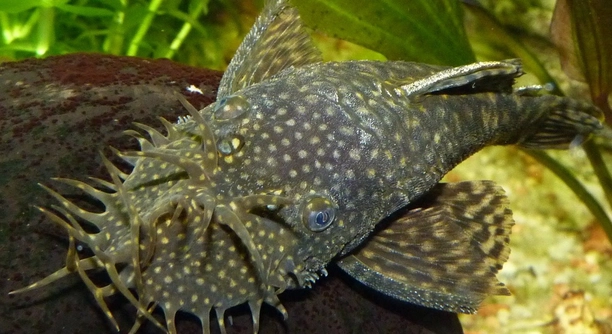
Have you ever noticed plecos in your aquarium slowly gnawing on pieces of wood? These fascinating fish have unique habits and diets that make them stand out. Understanding their needs can help them live healthier, longer lives.
Plecos do not strictly require driftwood to survive, but it provides important dietary fiber and supports digestive health. Driftwood also encourages natural behaviors, offering surfaces for grazing and hiding, which contributes to overall well-being in captivity.
Including driftwood in your tank can benefit your plecos in more ways than one. Exploring the best ways to use it will help maintain a healthier aquarium environment.
Why Plecos Gnaw on Driftwood
Many people notice their plecos constantly chewing on driftwood and wonder why it happens. This behavior is natural and part of their digestive process. Driftwood contains fibers that are hard to digest, but plecos have evolved to process them. Chewing on wood helps wear down their teeth, which grow continuously. Without something to gnaw on, their teeth can become overgrown, causing discomfort and difficulty eating. The wood also releases small amounts of tannins into the water, slightly lowering pH and softening the water. This mimics some of their natural river habitats. Beyond health benefits, driftwood gives plecos surfaces to explore and hide behind, reducing stress. Observing a pleco interact with wood can be satisfying, as it shows natural behavior in a captive setting. Choosing the right type of driftwood ensures safety, prevents sharp edges, and supports both the fish’s diet and comfort.
Driftwood helps plecos maintain strong teeth and a natural feeding pattern while adding hiding spaces in the aquarium.
Adding driftwood can improve water quality and give plecos more stimulation. Choosing safe, untreated wood is key. With proper placement, it becomes both functional and decorative.
Alternatives to Driftwood
Some aquarists wonder if driftwood is replaceable.
If driftwood is unavailable, plecos can receive fiber from algae wafers, vegetables, or specialized pleco foods. These alternatives provide nutrients and help keep their digestive systems active. Vegetables like zucchini, cucumber, and spinach are soft enough to eat but still require effort to chew. While these substitutes support health, they do not offer the same natural surfaces for grazing or the tannins that driftwood releases. Wood gives plecos a place to hide, scratch, and interact naturally, which reduces stress. In addition, pieces of bogwood or mangrove roots can be used as safe alternatives, mimicking natural textures. Regularly rotating vegetables and wafers ensures variety in their diet. Observing plecos with these options allows owners to see a balance between nutrition and enrichment. Driftwood remains ideal for long-term well-being, but knowing alternatives allows flexibility for tank setups or temporary shortages. This approach maintains digestive health and natural behaviors even without traditional driftwood.
Choosing the Right Driftwood
Not all driftwood is safe for plecos. Hardwoods like Malaysian, Mopani, or bogwood are ideal. Avoid soft or treated wood, as they can rot quickly or release harmful chemicals. The size should suit your tank and leave space for swimming.
Hardwood driftwood provides durable surfaces for plecos to graze and hide. It slowly releases tannins, which slightly acidify the water and can help prevent minor bacterial growth. Cleaning it before adding it to the tank is essential to remove dirt or insects. Soaking larger pieces for several days helps them sink and reduces cloudiness in the water. Driftwood also offers a natural aesthetic, making the tank feel closer to a river habitat. Choosing the right type ensures both safety and long-term benefits for your plecos.
Driftwood placement matters. Position it near hiding spots and open areas for grazing. Avoid overcrowding the tank, allowing water flow and easy cleaning. Using multiple smaller pieces can create variety and enrichment. Plecos interact differently with each piece, exploring, chewing, and resting. Changing positions occasionally keeps them engaged. Over time, tannins may tint the water slightly, which is normal and safe. Regular monitoring ensures wood remains in good condition, free of mold or excessive decay. Proper placement balances functionality with the visual appeal of the aquarium.
Maintaining Driftwood in Your Aquarium
Driftwood should be cleaned periodically to prevent algae and debris buildup.
Rinsing driftwood under running water and scrubbing gently with a soft brush helps maintain cleanliness without removing beneficial tannins. Avoid using soap or chemicals. Some aquarists boil smaller pieces to kill parasites or bacteria, though this is optional for larger pieces. Monitoring for soft spots or decay ensures the wood remains safe. When algae grows excessively, partial removal or brushing keeps it manageable. Maintaining driftwood also preserves water quality, preventing unwanted chemical changes. Proper care prolongs its usefulness, providing a stable, enriching environment for plecos.
Regular checks prevent driftwood from deteriorating too quickly. Submerged wood naturally softens over time, and occasional rotation or replacement ensures safety. The tank’s water parameters should be monitored, as tannin release can slightly lower pH. Pairing driftwood with suitable filtration keeps water clear and healthy. Observing plecos interacting with the wood helps identify when a piece becomes worn or unsafe. Maintenance is simple but consistent, benefiting both the fish and overall aquarium aesthetics. Clean driftwood supports natural behaviors and a balanced environment, making it a worthwhile investment for long-term tank health.
Signs Your Pleco Needs Driftwood
Plecos may become less active or show overgrown teeth without driftwood. They might scrape against surfaces more frequently or struggle to eat certain foods. Observing these behaviors indicates they could benefit from wood in their tank.
Softening vegetables or adding algae wafers can help temporarily. However, driftwood provides long-term benefits that these substitutes cannot fully replace.
Effects of Tannins on Water
Tannins released from driftwood slightly lower pH and soften water, mimicking natural habitats. This can help reduce stress and make plecos feel more comfortable. While the water may appear lightly tinted, it is safe and even beneficial when monitored. Driftwood also provides subtle chemical changes that can inhibit minor bacterial growth.
Driftwood for Tank Aesthetics
Driftwood adds a natural look to aquariums. It creates focal points, complements plants, and gives plecos realistic hiding spots. Properly chosen wood enhances the tank’s appearance while serving functional purposes.
FAQ
Do plecos need driftwood every day?
Plecos do not need driftwood constantly, but having it in the tank regularly supports their health. They chew and graze on wood intermittently, which helps keep their teeth worn down and provides fiber for digestion. Missing wood for a short period is usually not harmful if their diet includes other fiber sources.
Can plecos survive without driftwood?
Yes, plecos can survive without driftwood if they receive adequate alternative fiber. Vegetables, algae wafers, and specialized pleco foods can replace some dietary functions. However, wood offers unique benefits like grazing surfaces, hiding spots, and minor tannin release, which contribute to natural behaviors and reduced stress.
What types of driftwood are safe for plecos?
Hardwoods like Malaysian, Mopani, and bogwood are safe for plecos. Avoid softwoods, chemically treated wood, or pieces with sharp edges. Hardwoods are durable, don’t rot quickly, and release beneficial tannins slowly. Pre-cleaning or soaking wood before adding it to the tank ensures safety and prevents water cloudiness.
How do I prepare driftwood for my tank?
Rinse wood thoroughly under running water and scrub gently to remove dirt or debris. Larger pieces should be soaked for several days to sink properly. Boiling smaller pieces can kill bacteria and parasites, though it’s optional. Proper preparation prevents water contamination and ensures a safe environment for plecos.
Will driftwood affect water quality?
Driftwood releases tannins that slightly lower pH and soften water. This is generally safe and mimics natural river conditions. Water may turn a light brown, which is normal. Regular water testing helps monitor pH and hardness, ensuring the tank remains stable while plecos benefit from the natural chemical changes.
How often should I replace driftwood?
Replacement depends on wear and decay. Hardwoods can last for years, but softening, mold, or rotting wood should be removed immediately. Observing plecos and inspecting wood periodically helps determine when a change is needed. Rotting wood can negatively impact water quality and harm fish health.
Can driftwood be combined with other decorations?
Yes, driftwood pairs well with rocks, plants, and other decorations. Positioning wood near hiding spots or open areas for grazing encourages natural behavior. Avoid overcrowding to maintain swimming space and water flow. Multiple pieces create variety and enrichment, keeping plecos engaged while enhancing tank aesthetics.
Do all pleco species use driftwood the same way?
Not all pleco species interact with wood in the same manner. Wood-eating species, like common plecos and sailfin plecos, actively chew driftwood. Other types may use it primarily for hiding or grazing algae. Understanding your species’ habits helps optimize tank setup and dietary supplementation.
Can driftwood cause algae growth?
Driftwood can encourage algae growth, especially in well-lit tanks. Light brushing or occasional cleaning manages excess algae. Algae presence is not harmful and can provide an additional grazing source for plecos. Keeping the tank balanced with appropriate filtration and plant coverage helps minimize excessive growth.
Are there alternatives to driftwood for plecos?
Yes, vegetables, algae wafers, and certain roots like mangrove can substitute some driftwood functions. These alternatives provide fiber and grazing opportunities but may not replicate the same texture, tannins, or hiding benefits. Using them alongside occasional wood ensures plecos receive dietary fiber and environmental enrichment.
How do I know my pleco is benefiting from driftwood?
Signs of benefit include regular grazing, natural hiding behavior, and healthy teeth. Plecos that interact with wood often appear more active and less stressed. Monitoring their diet and observing behaviors over time confirms driftwood’s positive impact. Lack of interaction may indicate the need for different wood or placement.
Is it necessary to use multiple pieces of driftwood?
Multiple pieces are not required but can enhance enrichment. Different shapes and textures provide variety, creating more surfaces for grazing and hiding. Rotating pieces occasionally keeps plecos engaged. Ensuring enough open space for swimming remains essential, even with multiple wood pieces in the tank.
Can driftwood affect other fish in the tank?
Driftwood is generally safe for all freshwater fish. Tannins slightly lower pH, which can benefit species that prefer soft, acidic water. Some fish may nibble on wood occasionally, but interactions are usually harmless. Proper monitoring ensures that water chemistry remains stable for all tank inhabitants.
How do I clean driftwood without harming plecos?
Remove driftwood and scrub gently under running water with a soft brush. Avoid soap or chemicals. For large tanks, clean individual pieces during partial water changes. Regular brushing keeps surfaces free of debris and algae without disrupting beneficial tannins, maintaining a healthy, safe environment for plecos.
Can driftwood float in the tank?
Yes, driftwood may float initially. Soaking or boiling helps it sink faster. Heavier hardwoods often settle naturally over time. Securing with rocks or tank-safe anchors ensures stability, preventing movement that could disturb plecos or other decorations.
How long does driftwood last in an aquarium?
Hardwood driftwood can last for years if properly maintained. Softwoods degrade faster and may need replacement within months. Regular inspections prevent decay from affecting water quality. With proper care, driftwood provides long-term benefits while remaining a stable, natural feature for plecos.
Do plecos eat all types of driftwood?
Plecos prefer hardwood varieties. Some soft woods are too brittle or break down quickly, making them less appealing. Observing your pleco’s chewing patterns helps determine which wood is suitable. Providing a variety of safe wood options encourages natural grazing behavior.
Can driftwood prevent stress in plecos?
Yes, driftwood offers hiding spots and surfaces to explore, which reduces stress. Stress-free plecos are more active, eat better, and display natural behaviors. The combination of physical and chemical benefits from driftwood supports overall health and well-being.
How often should driftwood be inspected?
Inspect driftwood monthly for signs of decay, mold, or soft spots. Early detection prevents water quality issues and ensures a safe environment. Proper maintenance allows driftwood to remain a long-lasting enrichment tool for plecos.
Are there any risks associated with driftwood?
Risks include rotting, sharp edges, and excessive tannin release. Choosing safe hardwoods, cleaning properly, and monitoring water parameters mitigate these risks. Observing plecos ensures they benefit from driftwood without negative effects, keeping the aquarium safe and balanced.
Can I use driftwood in a planted tank?
Yes, driftwood works well in planted tanks. It provides natural hiding spots and grazing surfaces while supporting plant placement. Tannins are usually mild and do not harm most aquarium plants. Combining wood with live plants creates a visually appealing and functional environment for plecos.
How do I introduce new driftwood to an established tank?
Clean and soak new driftwood before adding it. Place it gradually to allow plecos to explore safely. Monitor water parameters for slight changes in pH or tannins. Gradual introduction prevents stress and allows plecos to adapt to new surfaces and hiding spots naturally.
Can driftwood change water color permanently?
Driftwood may tint water slightly brown due to tannins, which is normal and safe. The effect is not permanent and can be managed with partial water changes. Many aquarists consider the tint desirable as it mimics natural river habitats and supports pleco health.
Is it okay to combine driftwood with rocks?
Combining wood with rocks is fine as long as placement is stable. Rocks can anchor driftwood and create varied terrain for plecos. Avoid sharp edges or unstable arrangements that could harm fish. A mix of wood and rocks enhances both aesthetics and functional space for plecos.
How does driftwood affect breeding plecos?
Driftwood provides hiding places and surfaces for spawning. Many species feel more secure and display natural breeding behaviors when wood is available. Certain species may even lay eggs directly on wood surfaces. Proper wood placement can encourage reproductive activity while keeping eggs safe.
Can driftwood release harmful substances?
Safe, untreated hardwood releases mostly beneficial tannins. Treated or soft woods may leach chemicals or rot quickly, which can harm fish. Always choose natural, aquarium-safe driftwood and monitor water quality regularly to prevent negative effects.
How long should I soak new driftwood?
Soaking small pieces for a few hours to overnight is usually enough. Larger pieces may need several days to sink and release excess tannins. This prevents water cloudiness and ensures stability in the tank while keeping plecos safe and comfortable.
Can driftwood improve pleco appetite?
Yes, driftwood encourages grazing and exploration, stimulating natural feeding behavior. Fish that have access to wood often consume more algae, vegetables, or specialized foods. The combination of physical interaction and dietary fiber supports appetite and overall health.
What is the best size of driftwood for plecos?
Size depends on tank dimensions and pleco species. Pieces should allow swimming space and provide adequate grazing surfaces. Small species may need thinner branches, while larger plecos benefit from thick logs. Proper sizing balances enrichment with tank safety.
Does driftwood need special care in soft water?
Soft water can accelerate tannin release, slightly lowering pH. Monitoring water chemistry is important, but driftwood generally remains safe. Regular water testing ensures stability, preventing excessive acidity while maintaining benefits for plecos and other tank inhabitants.
Can driftwood float on the surface?
Floating may occur initially but is temporary. Boiling, soaking, or securing with rocks helps it sink. Floating pieces can disrupt water flow and stress plecos, so stabilization is recommended for larger wood pieces.
Is it okay to use multiple driftwood types?
Yes, using multiple hardwood varieties provides different textures and shapes for grazing and hiding. Variety encourages exploration, reduces boredom, and supports natural behaviors. Ensure all wood is safe, stable, and fits the tank dimensions.
Can driftwood harbor harmful bacteria?
Properly prepared driftwood rarely harbors dangerous bacteria. Rinsing, scrubbing, and optional boiling remove potential pathogens. Regular observation ensures no mold or decay develops. Maintaining driftwood hygiene keeps plecos safe and supports water quality.
How do I prevent driftwood from rotting too fast?
Choose durable hardwood, clean thoroughly, and monitor for soft spots. Avoid constant repositioning, which can damage surfaces. Rot is natural over time but can be delayed with proper care, preserving wood for long-term use in the tank.
Do plecos prefer certain shapes of driftwood?
Plecos enjoy irregular shapes with crevices and flat surfaces for grazing and hiding. Rounded branches or thick logs provide varied textures. Observing your fish interacting with different shapes helps determine preferred configurations, improving engagement.
Can driftwood affect tank lighting?
Driftwood can create shaded areas, which plecos may prefer. Shaded zones reduce stress and mimic natural habitats. Positioning wood strategically helps balance light exposure for both fish and plants.
Is driftwood necessary for baby plecos?
Baby plecos benefit from driftwood for grazing surfaces and hiding spots. It supports dental development and reduces stress. Smaller pieces or thinner branches may be more suitable until they grow larger.
Can driftwood be used in saltwater tanks?
Driftwood is not typically used in saltwater tanks. Tannins and wood fibers behave differently in saline water, and salt can accelerate decay. It is best reserved for freshwater setups with plecos and other freshwater species.
Do plecos damage driftwood?
Yes, chewing and grazing naturally wear down wood. This is beneficial for the fish, but owners should monitor excessive decay. Over time, driftwood may need replacement as a result of regular pleco activity.
Can driftwood help with aggression in plecos?
Driftwood provides hiding places, reducing territorial disputes. Multiple pieces allow fish to establish personal space. Proper placement can minimize stress and aggression, contributing to a more peaceful tank environment.
Does driftwood float differently depending on species?
Wood buoyancy is more about density than pleco species. Large or lightweight pieces may float initially. Hardwoods like Mopani and bogwood usually sink quickly, providing stable surfaces for all pleco types.
How do I choose driftwood for a small tank?
Select small, lightweight hardwood pieces that don’t overcrowd swimming space. Ensure hiding areas and grazing surfaces are accessible without blocking filtration. Proper sizing maintains balance between enrichment and functionality.
Can driftwood leach iron or minerals?
Driftwood may release trace minerals like iron, which are generally safe for plecos. These minerals can slightly enrich water chemistry and benefit plant growth. Monitoring ensures levels remain suitable for all tank inhabitants.
Is driftwood compatible with snails or shrimp?
Yes, snails and shrimp can safely coexist with driftwood. They may use it as surfaces for grazing algae. Ensure wood does not trap debris, which could affect water quality. Proper maintenance keeps all tank inhabitants healthy.
How do I remove driftwood safely?
Gently lift and rinse it outside the tank. Avoid forceful movement to prevent disturbing fish or substrate. Inspect for decay or sharp edges before returning or replacing it. This protects both plecos and water quality.
Can driftwood help reduce nitrate levels?
Driftwood does not directly remove nitrates but supports healthy bacterial colonies on its surface. Combined with proper filtration and maintenance, it can indirectly contribute to a more stable, balanced tank environment.
Does driftwood attract algae?
Yes, algae may grow on wood surfaces. This provides additional grazing opportunities for plecos. Occasional cleaning or light brushing keeps it manageable, maintaining aesthetics and health.
Can driftwood trap debris?
Driftwood can trap food or waste in crevices. Regular cleaning and water flow management prevent buildup, reducing the risk of water quality issues. Observing trapped areas ensures maintenance is effective.
Is driftwood safe with bettas or tetras?
Yes, driftwood is generally safe for peaceful species like bettas or tetras. Tannins are mild, and wood provides hiding spaces. Ensure placement avoids overcrowding or sharp edges that could injure smaller fish.
How do I know when driftwood has released enough tannins?
Tannins gradually leach over months or years. Slight brown tint is normal; when water stabilizes, most tannins have been released. Regular water testing ensures pH remains suitable while maintaining pleco health.
Can driftwood affect water hardness?
Yes, driftwood slightly softens water, reducing general hardness (GH). This creates conditions closer to natural habitats, benefiting plecos and other soft-water species. Monitoring water chemistry ensures stability and safety.
Does driftwood need sunlight?
No, driftwood does not require sunlight. Aquarium lighting may encourage algae growth on its surface, but wood itself remains unaffected. Proper tank lighting ensures plant and fish health without affecting driftwood integrity.
Can driftwood be used with cichlids?
Yes, hardwood driftwood is compatible with many cichlid species. It provides hiding spots, territory markers, and surfaces for grazing or egg-laying, depending on the species. Monitoring behavior ensures no conflicts with tank mates.
Is it normal for driftwood to smell?
Freshly added wood may release a slight earthy smell, which usually dissipates over time. Persistent foul odors indicate decay or mold, requiring cleaning or replacement. Proper preparation minimizes unwanted smells in the tank.
How do I prevent driftwood from floating long-term?
Soaking, boiling, or anchoring with rocks ensures stability. Heavier hardwoods sink naturally. Persistent floating can be managed by wedging pieces under decorations or securing with aquarium-safe weights. Proper handling ensures plecos can interact safely.
Can driftwood be painted or treated?
No, painted or chemically treated wood is unsafe. Only natural, untreated hardwood should be used. Chemicals can leach into water, harming plecos and other tank inhabitants. Stick to aquarium-safe, natural wood for both safety and health.
Does driftwood need filtration support?
Filtration is always recommended. Driftwood may release small amounts of tannins, and good filtration maintains water clarity and quality. Proper flow prevents debris accumulation and supports pleco health.
Can driftwood be used in community tanks?
Yes, it works well in community setups. Driftwood provides hiding spaces and grazing areas for various species. Proper placement ensures compatibility, reduces stress, and supports natural behaviors for all tank inhabitants.
How do I know if plecos like a particular piece of driftwood?
Plecos actively graze, hide, or rest on wood they enjoy. Lack of interaction may indicate unsuitable shape, size, or type. Observing behavior guides placement and selection for optimal engagement.
Can driftwood help with aggressive algae growth?
Indirectly, driftwood provides surfaces for plecos to graze, reducing some algae buildup. It does not prevent algae entirely, but combined with proper lighting and maintenance, it helps control growth naturally.
Is driftwood safe for pregnant fish?
Yes, driftwood is safe. It provides hiding areas and reduces stress, supporting pregnant fish. Placement should allow easy access without overcrowding. Observing behavior ensures they can retreat if needed.
How do I store driftwood outside the tank?
Keep it dry in a cool, ventilated area. Avoid damp storage, which can encourage mold or decay. Proper storage preserves wood integrity until it is ready for use in the aquarium.
Can driftwood change water chemistry too much?
When monitored, driftwood’s effect on pH and hardness is minor. Excessive tannin release can slightly lower pH, but regular water testing and partial changes prevent significant shifts. Driftwood remains safe when observed properly.
Do plecos prefer vertical or horizontal driftwood?
Plecos use both orientations depending on available space. Horizontal logs provide grazing surfaces, while vertical pieces can create hiding spots. Observing interaction helps optimize tank arrangement for enrichment.
Can driftwood float in small tanks?
Yes, floating is more noticeable in smaller tanks due to limited weight. Soaking or securing pieces ensures stability. Proper sizing prevents movement that could disturb plecos or decorations.
How do I remove tannins if water is too dark?
Partial water changes, activated carbon, or pre-soaking new wood can reduce tannins. These methods manage water color while retaining driftwood benefits. Regular monitoring ensures water remains healthy for plecos.
Can driftwood harbor parasites?
Untreated driftwood may carry minor parasites, but rinsing, scrubbing, and optional boiling minimize risk. Healthy plecos and clean water reduce the chance of infestation. Proper preparation keeps the tank safe and balanced.
Is driftwood suitable for shrimp-only tanks?
Yes, it provides surfaces for algae and biofilm growth, supporting shrimp grazing. It also creates hiding spaces and climbing areas, improving tank enrichment. Regular cleaning prevents excessive buildup of debris or algae.
Does driftwood increase maintenance needs?
Slightly, as periodic cleaning and inspection are necessary. Monitoring for decay, algae, and tannins ensures safety. Proper care is simple but important for maintaining a healthy environment for plecos.
Driftwood plays an important role in pleco care, but it is not an absolute requirement for survival. Many plecos can live without it if their diet provides enough fiber and they have other ways to graze and hide. Vegetables, algae wafers, and specialized pleco foods can replace some of the benefits that driftwood provides. However, driftwood offers unique advantages that these alternatives cannot fully replicate. It provides a natural surface for chewing, helps wear down teeth, and slowly releases tannins into the water, creating a more natural environment for plecos. The presence of wood encourages natural behaviors such as grazing, resting, and hiding, which can reduce stress and improve overall health. While plecos can survive without driftwood, including it in the tank adds a level of enrichment and comfort that is difficult to achieve otherwise.
Choosing the right type of driftwood is essential for the health of your fish and the overall stability of the aquarium. Hardwoods like Malaysian, Mopani, and bogwood are ideal because they are durable, do not rot quickly, and release beneficial tannins gradually. Softer woods or treated pieces can cause problems, including decay or the release of harmful substances into the water. Proper preparation is also important. Rinsing, scrubbing, and soaking driftwood before placing it in the tank ensures that it is clean and sinks properly. Larger pieces may need several days of soaking, while smaller ones can be boiled to remove bacteria or parasites. Placement of driftwood within the tank is equally important. It should allow enough open swimming space, while also providing hiding spots and surfaces for grazing. Multiple pieces can be used to create variety, but overcrowding should be avoided to maintain water flow and accessibility for cleaning.
Maintaining driftwood over time is simple but necessary to ensure it continues to benefit your plecos. Periodic inspections for soft spots, mold, or decay help prevent water quality issues. Light brushing or rinsing can remove algae and trapped debris without removing the tannins that plecos benefit from. Over time, driftwood may naturally soften or change the water color slightly due to tannin release, which is normal and safe. Regular observation of your plecos’ behavior will also indicate whether they are engaging with the wood and benefiting from it. Even with alternative fiber sources, driftwood remains a valuable addition to a pleco tank because it supports natural behaviors, enhances the aesthetic of the aquarium, and contributes to the overall well-being of the fish. Including driftwood thoughtfully and maintaining it properly allows plecos to thrive in an environment that is both functional and visually appealing.

Hello,
If you enjoy the content that we create, please consider saying a "Thank You!" by leaving a tip.
Every little bit helps us continue crafting quality advice that supports the health, happiness, and well-being of pets around the world, for pets of all shapes, sizes, and species.
We really appreciate the kindness and support that you show us!