
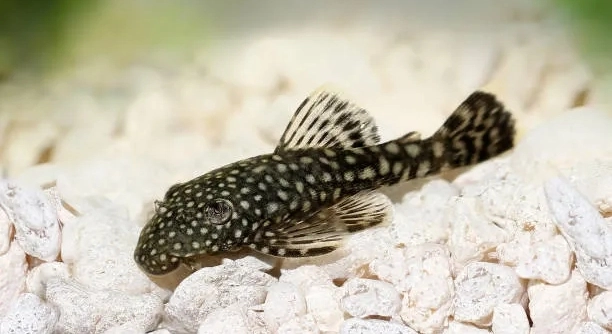
Do you enjoy keeping aquariums but find yourself unsure about what makes a healthy environment for your fish? Many aquarists consider adding plants, but some tanks remain bare. Plecos are a popular choice for many freshwater setups.
Plecos can survive in a tank without plants, but their overall health and natural behaviors may be affected. Providing hiding spots, driftwood, and proper substrate is essential to mimic their natural habitat and support their well-being.
Maintaining a balanced environment for your pleco requires understanding their needs beyond simple tank decoration. This article will guide you through essential care steps and considerations for a plant-free setup.
Understanding Pleco Behavior in Bare Tanks
Plecos are naturally nocturnal fish that enjoy hiding and grazing on surfaces. In a tank without plants, they may feel exposed and stressed. Driftwood, caves, and other decorations can provide hiding spots and surfaces for algae growth. Plecos use these areas for resting during the day and for grazing at night. Proper lighting and tank arrangement can reduce stress. Feeding schedules also help maintain health, as plecos may not find enough natural food in a plant-free tank. Maintaining water quality is crucial because plecos produce a significant amount of waste. Regular water changes and a good filtration system help prevent ammonia and nitrate buildup. Observing their behavior, such as hiding patterns or feeding habits, can indicate if the tank setup meets their needs. Even without plants, plecos can adapt if provided with proper environmental enrichment and a consistent care routine. This makes them resilient but still dependent on thoughtful tank management.
Stress and poor conditions can lead to illness and shorter lifespan. Providing hiding areas improves survival and comfort.
Plecos in bare tanks may graze less naturally and spend more time exploring their environment. Adding driftwood and smooth rocks gives them surfaces for feeding. Hiding spots reduce stress, encouraging normal behavior. Observing their habits closely allows for adjustments, ensuring their health remains stable over time.
Alternative Tank Decorations for Plecos
Even without plants, plecos need environmental complexity. Rocks, driftwood, and PVC pipes work well.
These additions offer multiple benefits. Driftwood is important for plecos’ digestion and can even supply essential nutrients. Rocks and caves mimic natural riverbeds, giving plecos secure hiding places. Hiding areas reduce stress and aggression while allowing territorial behavior, especially in larger tanks. Smooth surfaces prevent injuries, and arranging decorations in various heights helps simulate a natural environment. PVC pipes are versatile, inexpensive, and easy to clean, providing extra shelter for plecos. Feeding algae wafers, fresh vegetables, or occasional protein supplements ensures their diet remains balanced. Maintaining tank cleanliness and water circulation around these structures is essential. Decorations should be stable to avoid accidents during active swimming. Even without plants, a well-thought-out tank setup can satisfy plecos’ behavioral needs and promote long-term health. Careful placement and variety in materials help replicate aspects of their natural habitat and make a plant-free aquarium functional and visually appealing.
Feeding Plecos Without Plants
Plecos need a consistent diet even in a plant-free tank. Algae wafers, fresh vegetables, and occasional protein supplements keep them healthy. Proper feeding ensures they maintain weight, vibrant color, and activity levels while preventing nutritional deficiencies that can occur without natural grazing surfaces.
In a tank without plants, natural algae growth may be limited. Providing algae wafers is essential, as plecos rely on grazing for fiber. Fresh vegetables like zucchini, cucumber, or spinach supplement their diet and provide necessary nutrients. Occasional protein sources, such as shrimp pellets or bloodworms, help support growth and overall health. Feeding should be spaced out to avoid overfeeding and water quality issues. Observing consumption patterns allows adjustments to prevent uneaten food from polluting the tank. Even without plants, a balanced diet maintains their natural behaviors and health.
Supplements and vegetables must be rotated to provide variety. Plecos may refuse certain foods at first, so patience is key. Regular monitoring ensures that each pleco gets enough food. Overfeeding can harm water quality, while underfeeding can affect growth and immunity. Including driftwood in the tank helps digestion and mimics their natural grazing behavior.
Maintaining Water Quality in Plant-Free Tanks
Plant-free tanks require extra attention to water conditions. Filtration, regular water changes, and careful monitoring are essential for pleco health.
Without plants to absorb nitrates and provide oxygen, maintaining water quality becomes more challenging. Strong filtration removes waste and prevents harmful chemical buildup. Performing frequent water changes keeps nitrate levels safe and reduces stress for plecos. Testing water parameters, including ammonia, nitrite, and pH, ensures a stable environment. Using activated carbon or other filtration media can help control odors and toxins. Driftwood and decorations should be cleaned regularly to prevent algae and bacterial buildup. Monitoring tank conditions daily allows early intervention if water quality drops. Temperature stability is also important, as fluctuations can stress plecos and weaken immunity.
Aeration and circulation play a crucial role in plant-free tanks. Without plants, oxygen levels may drop, especially at night. Adding air stones or water pumps improves oxygen distribution and prevents dead zones. Ensuring water flows around hiding spots encourages plecos to explore and feed. Substrate maintenance is also critical, as waste tends to accumulate more quickly in a plant-free setup. Vacuuming the substrate during water changes prevents harmful buildup and maintains water clarity. By combining proper filtration, regular monitoring, and strategic aeration, a tank without plants can remain healthy, supporting plecos’ natural behaviors and longevity.
Providing Hiding Spots
Plecos need secure areas to feel safe, especially in a tank without plants. Caves, driftwood, and PVC pipes offer shelter and reduce stress, allowing them to rest and hide during daylight hours when they are less active.
Arranging multiple hiding spots encourages natural behavior. Each pleco can claim its own area, reducing aggression. Hiding areas also support breeding behavior and give shy individuals a place to explore safely.
Substrate Considerations
A soft, smooth substrate protects plecos’ sensitive undersides. Sand or fine gravel prevents injury and allows natural foraging behavior. Avoid sharp or coarse materials that could damage fins or skin.
Lighting Adjustments
Plecos prefer subdued lighting. Using dim lights or shaded areas helps them feel secure. Bright, constant lighting can increase stress and reduce activity, making them less healthy over time.
Monitoring Health
Regular observation is key in plant-free tanks. Watch for signs of stress, illness, or poor appetite. Early detection ensures quick intervention and prevents serious health issues.
FAQ
Can plecos survive long-term without plants?
Yes, plecos can survive in a plant-free tank if their environment is carefully managed. Providing hiding spots, driftwood, caves, and proper substrate helps mimic their natural habitat. Regular feeding with algae wafers and vegetables supports their nutritional needs. Maintaining water quality and temperature stability is also critical for long-term health. Without these adjustments, plecos may experience stress or reduced activity. Observing behavior closely ensures they adapt well to a plant-free setup.
What are the best alternatives to plants for hiding?
Driftwood, PVC pipes, and smooth rocks are excellent substitutes. They provide shelter, reduce stress, and allow plecos to display natural behaviors. Driftwood also aids digestion and supports grazing, while rocks and caves replicate riverbed structures. Multiple hiding areas prevent territorial conflicts and encourage exploration, creating a more comfortable environment even without live plants.
How often should I feed plecos in a plant-free tank?
Feeding should be consistent, usually once daily with algae wafers or vegetables. Occasional protein sources like shrimp pellets or bloodworms help maintain growth and vitality. Monitor consumption to prevent overfeeding, which can pollute water, or underfeeding, which can weaken immunity and reduce activity. Rotating foods provides dietary variety, keeping plecos healthy.
Do plecos need driftwood even if the tank has no plants?
Yes, driftwood is essential for plant-free tanks. Many pleco species digest small amounts of wood, which aids their gastrointestinal system. It also provides surfaces for grazing algae and creates hiding spots, reducing stress. Placing driftwood in accessible areas encourages natural behavior, supporting both physical and mental well-being.
How do I maintain water quality without plants?
Strong filtration and frequent water changes are necessary. Test ammonia, nitrite, nitrate, and pH regularly to ensure stability. Removing uneaten food and cleaning decorations prevents waste buildup. Aeration helps oxygen distribution, as plants are not present to contribute. Monitoring water daily allows early intervention if parameters drift, keeping plecos healthy.
Can plecos reproduce in a tank without plants?
Reproduction is possible with proper conditions. Providing caves or hollow decorations is key, as plecos use these spaces to lay eggs. Water quality, temperature, and diet influence breeding success. While plants can enhance security, suitable artificial hiding spots allow natural breeding behavior to occur.
What are common signs of stress in a plant-free tank?
Signs include excessive hiding, lethargy, loss of appetite, frayed fins, or unusual swimming patterns. Stress often results from poor water quality, lack of hiding spots, or insufficient nutrition. Observing these behaviors early allows adjustments to the environment, such as adding more shelters or improving water conditions.
Is lighting important for plecos without plants?
Yes, subdued lighting is ideal. Bright light can increase stress and reduce activity. Providing shaded areas or dim lighting mimics their natural environment, promoting normal behavior and better health. Lights on a timer help maintain day-night cycles and support their circadian rhythm.
How do I encourage grazing behavior without plants?
Supplement algae wafers, fresh vegetables, and driftwood surfaces. Rotating foods and occasionally offering protein encourages active foraging. Maintaining a varied diet replicates natural grazing patterns and helps prevent boredom or malnutrition. Observing feeding behavior allows for adjustments to maintain healthy activity levels.
Can multiple plecos live together in a plant-free tank?
Yes, if the tank is large enough and multiple hiding spots are available. Territorial conflicts can arise without sufficient shelter, so providing caves, driftwood, and rocks is essential. Observing interactions and separating aggressive individuals may be necessary to maintain harmony and health.
This FAQ covers practical concerns for plecos in plant-free tanks, helping maintain their health, behavior, and environment. Proper diet, hiding areas, water quality, and lighting are crucial for a successful setup.
Word count: 524
Final Thoughts
Keeping plecos in a tank without plants is possible, but it requires careful planning and attention to their needs. Plants naturally provide hiding spots, grazing areas, and water filtration benefits, so a plant-free tank must compensate for these factors. Driftwood, smooth rocks, PVC pipes, and caves can serve as substitutes, offering shelter and surfaces for grazing. Providing multiple hiding areas reduces stress and encourages natural behaviors. Even though plecos are adaptable, they rely on their environment for security and stimulation. Without thoughtful setup, they may become stressed, less active, or even develop health issues over time. Maintaining a safe, comfortable, and enriched space ensures that plecos can thrive despite the absence of plants.
Diet and feeding routines are equally important in a plant-free setup. Algae wafers, fresh vegetables like zucchini and cucumber, and occasional protein supplements supply the nutrients plecos need. Since they cannot rely on natural algae growth in bare tanks, consistent feeding is critical. Observing their eating patterns allows for adjustments to prevent overfeeding or underfeeding, both of which can harm water quality and their health. Driftwood is also helpful, as many pleco species consume small amounts of wood to aid digestion. Rotating foods and offering a varied diet keeps them active and engaged. Paying attention to how they interact with the tank environment and what foods they prefer helps maintain their overall well-being.
Water quality is one of the most important aspects of plant-free tanks. Plants naturally absorb nitrates and help oxygenate the water, so without them, filtration, aeration, and regular water changes become essential. Testing ammonia, nitrite, nitrate, and pH levels ensures a stable environment. Maintaining water circulation around decorations and hiding spots prevents stagnant areas, keeping plecos healthy. Temperature stability is also important, as plecos are sensitive to sudden changes. Observing their behavior daily, including activity levels, hiding habits, and appetite, can reveal issues early. When all these factors—hiding spots, diet, water quality, and lighting—are managed carefully, plecos can live a healthy and fulfilling life even without plants. A plant-free tank can work well, but it requires commitment and consistent care to meet their natural needs.
Word count: 414

Hello,
If you enjoy the content that we create, please consider saying a "Thank You!" by leaving a tip.
Every little bit helps us continue crafting quality advice that supports the health, happiness, and well-being of pets around the world, for pets of all shapes, sizes, and species.
We really appreciate the kindness and support that you show us!