
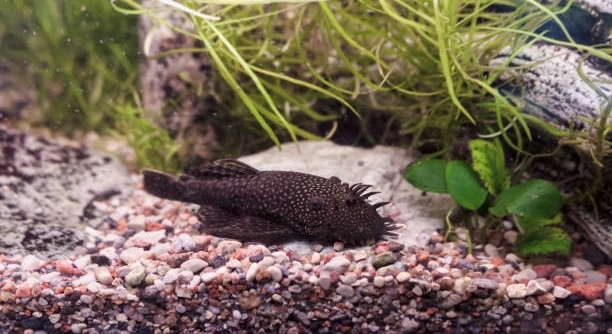
Have you ever noticed your pleco spending hours hiding in a dark corner of the tank? Creating an aquascape that suits these gentle algae eaters can feel challenging but is very rewarding for both fish and keeper.
The best way to make a pleco-friendly aquascape is by providing ample hiding spaces, smooth surfaces, and driftwood for grazing. A stable water environment with moderate flow ensures their comfort, while appropriate plants protect them and enrich their habitat.
Even small changes can greatly improve their well-being. By understanding their natural preferences, you can transform your aquarium into a safe, engaging space.
Provide Plenty of Hiding Spots
Plecos naturally seek cover during the day, often resting in caves, under driftwood, or behind plants. Offering multiple hiding spots reduces stress and encourages natural behavior. Smooth caves, hollow logs, and dense plant clusters make excellent options. Avoid sharp edges that could injure their sensitive fins or tails. Driftwood not only serves as a hiding place but also supports grazing since plecos often rasp on its surface. Arranging decorations with varying heights and orientations gives them options for retreat depending on mood or light exposure. Plants such as Java fern and Anubias are hardy, attach easily to surfaces, and provide additional shelter. Even small overhangs or rock stacks can become cozy retreats. Observing plecos selecting their preferred hideouts helps you adjust the aquascape over time. Ensuring at least one hiding area per fish is a practical approach. Overall, a thoughtful setup keeps plecos calmer and more active at night.
Hiding spots are vital for plecos’ comfort and reduce their stress, creating a more natural and stable tank environment.
Adding caves, driftwood, and dense plants not only allows plecos to rest safely but also encourages natural grazing and exploration behaviors. This approach improves their overall health and activity in the aquarium.
Include Driftwood for Grazing
Driftwood is essential in a pleco tank because many species need it for scraping and digestion. It also releases tannins that slightly lower pH, mimicking natural habitats and offering a healthier environment.
Providing driftwood in multiple shapes and sizes supports natural feeding and resting habits. Some plecos prefer broad surfaces, while others enjoy tight spaces or crevices. Rotating or rearranging driftwood occasionally keeps the tank interesting, giving them new surfaces to explore. Driftwood can be anchored with rocks or tied to decorations to prevent floating. Over time, plecos will graze consistently, helping manage algae naturally. It’s important to choose untreated wood to avoid chemicals that may harm fish. Soaking new driftwood for several days before adding it helps remove excess tannins and prevents sudden water discoloration. When combined with live plants, the tank maintains stability and provides both shelter and food sources. Observing plecos’ interaction with driftwood reveals preferences that can guide further aquascape adjustments, creating a more suitable and comfortable environment.
Choose Smooth Substrate
A soft, smooth substrate prevents plecos from injuring their sensitive undersides. Fine sand or small rounded gravel is ideal. Avoid sharp or jagged stones that can cause scratches or infections.
Smooth substrate also allows plecos to forage comfortably, scraping algae and leftover food without risk. It encourages natural behavior, including grazing along the bottom and occasionally burying themselves partially. Coarser substrates can trap debris and create uneven surfaces, which plecos may avoid. A level substrate with gentle slopes provides variation without compromising safety. It also supports rooted plants that contribute to water quality. Maintaining substrate cleanliness with regular vacuuming ensures a healthy environment. Over time, plecos may develop favorite spots for resting or grazing based on substrate texture. Observing their preferences allows minor adjustments that improve comfort. This attention to detail directly impacts fish activity and overall well-being, making smooth substrates a practical choice for any pleco tank.
Smooth substrates are easier for plecos to explore and reduce stress, ensuring they remain healthy and active in the aquarium.
Using fine sand or rounded gravel supports natural behaviors while protecting delicate fins and undersides, creating a safer, more natural environment for plecos to thrive.
Maintain Stable Water Conditions
Stable water parameters reduce stress and prevent illness in plecos. Sudden changes in temperature, pH, or hardness can cause long-term health issues and affect behavior.
Keeping the tank temperature within species-specific ranges is essential, as plecos are sensitive to fluctuations. A reliable heater, thermometer, and regular monitoring help maintain consistency. Water hardness and pH should also remain stable, as plecos are adapted to slightly acidic to neutral conditions depending on the species. Frequent testing and small, controlled water changes prevent spikes in ammonia or nitrates. Proper filtration ensures debris removal and supports oxygenation without creating strong currents that could stress the fish. Observing plecos’ behavior can indicate environmental comfort, allowing timely adjustments. Gradual acclimation when introducing new fish or water changes is critical to avoid shock. Consistent water conditions encourage feeding, growth, and natural activity patterns, contributing to overall tank stability.
Regular testing and careful adjustments help plecos thrive in a balanced, stress-free environment, supporting long-term health and activity.
Include Live Plants
Live plants provide plecos with hiding spaces and help maintain water quality. Hardy species like Java fern, Anubias, and Cryptocoryne are ideal for attachment and shelter.
Plants reduce stress by offering shade and natural barriers. They also help absorb excess nutrients, keeping the tank cleaner and healthier for plecos over time.
Keep Moderate Water Flow
Plecos prefer gentle to moderate currents. Strong flows can tire them and make grazing difficult, while stagnant water may reduce oxygen levels and increase waste accumulation. Adjusting filter output ensures balanced circulation, supporting both fish health and plant growth.
Offer Balanced Diet
A pleco’s diet should include algae wafers, fresh vegetables, and occasional protein. Variety ensures proper nutrition, supports growth, and promotes healthy coloration. Feeding in moderation prevents water quality issues while encouraging natural foraging behaviors and activity within the tank.
Provide Nighttime Shelter
Plecos are nocturnal and need safe spaces to rest during the day. Dense plants, caves, and driftwood serve as effective shelters, allowing them to feel secure and active at night.
How often should I clean my pleco’s tank?
Cleaning frequency depends on tank size, filtration, and bioload. For most setups, a partial water change of 20–30% every week is sufficient. Vacuuming the substrate during changes helps remove leftover food and waste. Overcleaning can stress plecos, while irregular maintenance may lead to poor water quality.
What type of driftwood is safe for plecos?
Natural, untreated hardwood like Malaysian driftwood, Mopani, or bogwood works best. Avoid softwoods, chemically treated wood, or painted pieces, as these can leach toxins. Soaking driftwood for several days before adding it ensures it sinks and reduces tannin discoloration in the water.
Can plecos live with other fish?
Yes, plecos are generally peaceful but may become territorial around hiding spots. Choosing tankmates that are calm, non-aggressive, and occupy different levels of the tank reduces conflicts. Avoid very small fish that could be harassed or stressed by large plecos.
Do plecos need supplemental food if there’s algae?
Algae alone is usually not enough. While plecos graze naturally, they require a balanced diet including algae wafers, fresh vegetables like zucchini or cucumber, and occasional protein sources. Providing variety ensures proper growth, strong immune systems, and healthier activity patterns.
How can I tell if my pleco is healthy?
Healthy plecos have smooth, intact fins, active grazing habits, and a consistent appetite. Skin and body coloration should appear vibrant, without lesions or white spots. Unusual lethargy, clamped fins, or irregular breathing can indicate stress or illness, signaling the need for water testing or veterinary advice.
What water parameters do plecos prefer?
Most plecos thrive in slightly acidic to neutral pH (6.5–7.5) and temperatures between 74–82°F (23–28°C). Moderate water hardness is ideal. Stable conditions are crucial; sudden shifts in pH, temperature, or ammonia levels can cause stress and reduce lifespan. Regular testing and gradual adjustments prevent shock.
How do I encourage natural grazing behavior?
Providing driftwood, algae-coated surfaces, and occasional fresh vegetables promotes natural scraping and foraging. Observing plecos helps identify preferred spots for grazing. Avoid overfeeding pellets in one area, as it may discourage exploration and lead to concentrated waste accumulation in certain parts of the tank.
Is it necessary to provide nighttime hiding places?
Yes, plecos are nocturnal and need secure spots to rest during daylight. Dense plants, caves, and driftwood offer shelter, reduce stress, and allow them to emerge confidently at night. Lack of hiding spaces can cause anxiety and interfere with feeding or growth.
How many plecos can I keep in one tank?
Stocking depends on tank size and pleco species. A general guideline is one adult pleco per 30–40 gallons, but larger species require more space. Providing multiple hiding spots and grazing areas minimizes territorial conflicts when housing more than one fish.
What signs indicate my pleco needs more hiding spots?
Frequent hovering near tank corners, aggression, or extended periods of hiding suggest insufficient shelters. Adding caves, driftwood, or dense plant clusters reduces stress and encourages normal behavior. Observing patterns over time helps you adjust the aquascape for comfort and security.
Can plecos adapt to artificial lighting?
Plecos tolerate low to moderate lighting. Bright, constant lighting may increase stress, so providing shaded areas with plants or overhangs helps. Simulating a natural day-night cycle supports feeding habits, resting behavior, and overall well-being.
How do I prevent substrate injuries?
Using fine sand or small, rounded gravel protects plecos’ delicate undersides and fins. Avoid sharp rocks or jagged edges. Regularly checking for debris accumulation prevents cuts and infections, supporting their comfort and natural foraging behavior.
What vegetables are safe for plecos?
Zucchini, cucumber, spinach, and peas are common favorites. Lightly blanching harder vegetables makes them easier to digest. Rotating vegetables ensures proper nutrient intake and prevents boredom, supporting healthy growth, strong fins, and vibrant coloration.
How important is tank size for plecos?
Plecos grow large and need adequate space. Small tanks restrict movement, increase territorial disputes, and can shorten lifespan. Selecting a tank appropriate for adult size and providing sufficient swimming and hiding areas ensures a healthier and more active pleco.
Can plecos help control algae in my tank?
Yes, but they are not a complete solution. They graze on algae but still require supplemental feeding and maintenance. Overreliance on plecos for algae control may lead to malnutrition or uneven cleaning, so combining natural grazing with regular tank upkeep is essential.
Are plecos sensitive to water chemistry changes?
Yes, plecos are sensitive to abrupt changes in pH, temperature, and hardness. Gradual water adjustments, proper filtration, and regular monitoring prevent stress. Stability encourages consistent feeding, natural behavior, and overall health, reducing the risk of disease or lethargy.
How do I introduce new plecos to an established tank?
Acclimate slowly using drip or floating bag methods to avoid shock. Provide hiding spots in the tank to minimize stress. Monitor interactions closely for the first few days, ensuring territorial behaviors do not escalate. Gradual introduction supports smoother adaptation and long-term compatibility.
Can plecos tolerate different water hardness levels?
Most species prefer moderate hardness but can adapt gradually to slight variations. Sudden changes may cause stress or illness. Regular testing and slow adjustments ensure the environment remains suitable, promoting grazing, growth, and overall comfort.
What’s the best way to observe pleco behavior?
Watching during dusk or nighttime is ideal since plecos are more active then. Note grazing habits, hiding preferences, and interaction with tankmates. Observations help refine aquascape choices, feeding routines, and maintenance practices to better suit their natural behavior patterns.
How often should I rotate decorations or driftwood?
Occasional rearrangement provides stimulation and new grazing surfaces, but frequent changes can stress plecos. Minor adjustments every few months help maintain engagement without disrupting established hiding spots or territories. Observing their reaction guides timing and placement decisions.
How do I know if a pleco is stressed?
Signs include hiding excessively, clamped fins, irregular breathing, reduced feeding, and unusual color changes. Stress often results from poor water quality, inadequate hiding spaces, or aggressive tankmates. Addressing the cause promptly improves health, encourages natural behaviors, and prevents long-term problems.
What are common illnesses to watch for in plecos?
Ich, fin rot, and fungal infections are common. Symptoms include white spots, frayed fins, lethargy, or unusual swimming patterns. Early detection and treatment, along with maintaining clean, stable water, help prevent illness and ensure longevity.
Can plecos live in tanks with strong lighting?
Strong lighting is tolerable if shaded areas exist. Overly bright or constant lighting can increase stress. Plants, driftwood, or caves provide refuge, supporting natural nocturnal and grazing behaviors while preventing discomfort and inactivity during the day.
Is it necessary to provide supplemental calcium?
Some plecos benefit from calcium for growth and fin health. Vegetables like spinach, cucumbers, or specialized supplements can support their dietary needs. Balanced nutrition prevents deficiencies, ensuring proper skeletal development and maintaining strong, healthy fins.
How long do plecos typically live?
Depending on species and care, plecos can live 10–20 years. Proper tank size, diet, hiding spots, and stable water conditions contribute significantly to lifespan. Observing behavior and adjusting care practices ensures longevity and overall well-being.
What’s the best way to acclimate a pleco to a new tank?
Float the bag to match temperature, then use a drip method over one to two hours. Avoid sudden water changes. Gradual acclimation prevents shock and encourages natural feeding, hiding, and exploration behaviors. Observing their initial activity helps identify comfort levels.
Can plecos thrive in community tanks?
Yes, with appropriate tankmates that are calm and occupy different areas of the tank. Providing multiple hiding spots reduces territorial disputes, allowing plecos to feed and rest comfortably without stress. Proper planning ensures a peaceful environment for all species.
How often should I feed my pleco?
Feeding every other day or three times a week is sufficient for most species. Overfeeding can harm water quality. Supplementing grazing with vegetables and algae wafers ensures balanced nutrition and prevents excess waste accumulation in the tank.
What type of filtration is best for pleco tanks?
Moderate to strong filtration is preferred to maintain clean water without creating overly strong currents. Canister filters or hang-on-back filters with adjustable flow are ideal. Adequate filtration supports oxygenation, reduces waste buildup, and maintains stable water parameters.
How do I prevent aggression between plecos?
Providing multiple hiding spots, adequate space, and visual barriers reduces competition. Avoid overcrowding and monitor behavior closely when housing more than one pleco. Gradual introductions and observing their interaction help maintain a peaceful tank environment.
Can plecos live in slightly brackish water?
Some species tolerate mildly brackish conditions, but most prefer freshwater. Research your pleco’s species requirements before adding salts. Maintaining proper parameters ensures health, natural behavior, and long-term survival in the aquarium.
Are plecos compatible with shrimp or snails?
Many plecos coexist peacefully with shrimp and larger snails. However, small or slow-moving species may become stressed. Providing adequate hiding spaces for both plecos and invertebrates reduces potential conflicts and promotes harmonious tank dynamics.
How do I prevent algae overgrowth while supporting plecos?
Balance lighting, avoid overfeeding, and maintain regular water changes. Plecos assist by grazing naturally, but supplemental maintenance and careful nutrient control are necessary to prevent uncontrolled algae growth without harming fish.
What’s the ideal tank temperature for plecos?
Most plecos thrive between 74–82°F (23–28°C). Stable, consistent temperatures prevent stress and support normal feeding, grazing, and resting behaviors. Using a reliable heater and thermometer helps maintain optimal conditions and ensures comfort.
Can plecos live in small tanks temporarily?
They may survive short-term, but growth restrictions, stress, and territorial issues can develop. Providing a properly sized tank with adequate hiding spots and water quality is essential for long-term health and behavior.
How can I tell if my pleco is bored?
Lack of grazing, hiding excessively, or reduced exploration may indicate boredom. Adding driftwood, plants, and varied surfaces encourages activity and natural behaviors, improving mental stimulation and overall well-being.
Do plecos need lighting at night?
No, plecos are nocturnal and prefer darkness at night. Low lighting or shaded areas during the day and darkness at night support natural cycles, feeding habits, and resting behavior. Proper lighting balance ensures health and activity.
How important is water flow placement in the tank?
Gentle currents help oxygenate water without tiring plecos. Placing filter outputs away from hiding spots prevents stress and supports grazing. Moderate flow enhances plant health and waste removal while maintaining a comfortable environment for plecos.
Can plecos eat algae wafers exclusively?
Relying solely on wafers is insufficient. Plecos need vegetables and occasional protein to thrive. A varied diet ensures proper nutrition, growth, and natural grazing behaviors, preventing deficiencies and supporting long-term health.
How do I prevent plecos from damaging plants?
Choose hardy species like Anubias, Java fern, or Cryptocoryne and attach them to rocks or driftwood. Avoid delicate or soft-leaved plants that may be eaten. Placement and observation help protect plant life while providing plecos with natural grazing areas.
Are plecos sensitive to lighting changes?
Yes, sudden increases in light can stress plecos. Gradual adjustments and providing shaded areas allow them to acclimate without altering natural behaviors. Observing activity patterns ensures a comfortable lighting environment.
Can plecos live with aggressive fish?
It is not recommended. Aggressive species may injure or stress plecos, especially around hiding spots. Choosing calm, peaceful tankmates with adequate space and barriers prevents harm and encourages normal behaviors.
How do I encourage breeding in plecos?
Providing caves, stable water parameters, and a nutritious diet encourages spawning. Observing species-specific behaviors and maintaining low-stress conditions are essential. Breeding success varies by species and tank setup.
Do plecos need special water treatments?
Dechlorination and occasional water additives for trace elements may be necessary. Avoid chemicals that harm fish or disrupt beneficial bacteria. Maintaining clean, stable water reduces disease risk and supports long-term health.
What’s the best tank setup for large plecos?
A spacious tank with multiple hiding spots, driftwood, hardy plants, smooth substrate, and stable water conditions ensures comfort. Regular maintenance and monitoring prevent stress and allow natural behaviors, supporting growth and longevity.
How do I prevent fin damage?
Smooth decorations, substrate, and driftwood reduce the risk of injuries. Avoid overcrowding and monitor tankmates. Proper nutrition and clean water support strong fins and overall health.
Can plecos survive in low-oxygen tanks?
They require adequate oxygen levels. Aeration, moderate water flow, and live plants maintain oxygenation. Low-oxygen conditions cause stress, lethargy, and health issues, so proper circulation and monitoring are essential.
How often should I test water for plecos?
Weekly testing of pH, ammonia, nitrite, and nitrate is ideal. Frequent checks ensure stability, prevent stress, and allow early intervention if parameters shift. Proper monitoring supports long-term health and natural behavior.
Are plecos suitable for planted tanks?
Yes, if hardy plants are used and anchored properly. Driftwood, caves, and vegetation provide grazing surfaces, shelter, and stability, creating a balanced ecosystem for plecos while supporting plant growth.
How do I prevent territorial disputes?
Provide multiple hiding spots, adequate space, and visual barriers. Observing interactions helps manage conflicts. Adjusting tank layout and avoiding overcrowding reduces stress and promotes peaceful cohabitation.
What’s the best diet for juvenile plecos?
Juveniles need algae wafers, finely chopped vegetables, and occasional protein. Smaller meals multiple times a week support growth, prevent malnutrition, and encourage natural grazing behaviors in a safe, healthy environment.
Can plecos live with bettas?
Generally, yes, if the pleco is large enough and hiding spots are available. Monitor interactions to prevent fin nipping or territorial behavior. Adequate space and shelters minimize conflict between species.
How do I acclimate plecos to new water parameters?
Introduce water gradually using drip or floating bag methods. Small, controlled adjustments prevent shock and allow plecos to adapt to temperature, pH, and hardness changes safely over several hours.
Are plecos affected by water color changes?
Mild tannin discoloration from driftwood is harmless. Sudden or extreme color changes may indicate chemical imbalances or contamination. Monitoring water clarity ensures a healthy and comfortable environment for plecos.
Can plecos thrive in cold water?
Most species prefer tropical temperatures. Cold water slows metabolism, reduces feeding, and increases susceptibility to illness. Maintaining consistent warmth supports activity, growth, and natural behaviors.
How do I know if my pleco is overfed?
Excess food on the substrate, rapid water fouling, or bloating in plecos indicate overfeeding. Adjust portions and feeding frequency to maintain water quality and prevent health issues.
Are plecos compatible with goldfish?
Some species may coexist, but goldfish produce heavy waste and prefer cooler water. Careful monitoring and frequent maintenance are needed to prevent stress and maintain water quality for both species.
How do I prevent driftwood from floating?
Soak new driftwood for several days, use rocks or suction to anchor it, or boil to remove trapped air. Proper placement ensures stability and safe grazing surfaces for plecos.
Do plecos need high protein diets?
Moderate protein is sufficient. Too much can cause water quality issues and digestive problems. Balanced feeding with vegetables, algae wafers, and occasional protein promotes healthy growth and digestion.
How often should I trim plants in a pleco tank?
Trimming every few weeks prevents overcrowding, maintains hiding spots, and supports plant health. Careful pruning ensures plecos continue to have natural shelters while keeping the aquascape manageable.
Can plecos live in tanks without substrate?
Yes, but soft or smooth substrate is preferable for natural grazing and comfort. Bare-bottom tanks are easier to clean but may reduce environmental enrichment for plecos.
What’s the best way to monitor pleco health?
Observe feeding habits, activity, coloration, and interactions with the environment. Regular water testing and checking for lesions or unusual behavior help identify problems early and maintain long-term health.
How do I prevent algae overgrowth without harming plecos?
Balance lighting, feed sparingly, and maintain regular water changes. Plecos help by grazing, but consistent cleaning and nutrient control are necessary to prevent excessive algae without stressing the fish.
Are plecos sensitive to chlorine?
Yes, chlorine and chloramine are harmful. Use a dechlorinator for all tap water, especially during water changes, to prevent fin damage, gill irritation, and stress.
Can plecos survive in small, heavily planted tanks?
They can, if space for swimming and hiding is adequate. Avoid overcrowding and ensure driftwood or caves are present to provide resting areas, grazing surfaces, and stress relief.
How do I encourage plecos to explore the tank?
Provide varied surfaces, hiding spots, and driftwood arrangements. Changing decorations occasionally and offering new grazing surfaces stimulates activity, encouraging natural foraging and exploration behaviors.
Are plecos compatible with cichlids?
It depends on species. Aggressive cichlids may stress or injure plecos. Providing multiple hiding spots, sufficient space, and observing interactions helps maintain compatibility in a mixed tank.
What’s the best way to introduce vegetables to plecos?
Blanch vegetables lightly to soften them, attach to driftwood or use clips to prevent floating, and place in different tank areas. Rotate types to provide nutrients and maintain interest.
How can I tell if plecos are stressed by lighting?
Signs include hiding excessively, reduced grazing, or remaining in shaded areas constantly. Adjusting intensity or providing more shaded spots improves comfort and encourages natural behavior.
Do plecos need a specific water flow pattern?
Gentle, moderate currents are preferred. Placement of filter outputs to avoid strong blasts near hiding spots supports grazing, swimming, and overall comfort, while maintaining oxygenation and waste removal.
Can plecos live in tanks with fluctuating temperatures?
Sudden changes can stress or harm plecos. Maintaining consistent temperatures within species-specific ranges is crucial for feeding, grazing, and long-term health. Gradual adjustments are acceptable but should be minimal.
How do I prevent plecos from escaping during maintenance?
Secure lids, monitor openings during water changes, and use nets carefully.
Creating a pleco-friendly aquascape requires careful attention to both the fish’s natural behavior and the environment of the tank. Plecos are nocturnal and tend to be shy during the day, so providing ample hiding spots is one of the most important steps. Caves, driftwood, and dense plants give them secure places to rest and reduce stress. Choosing smooth substrates such as sand or rounded gravel prevents injury to their delicate undersides while also allowing them to forage comfortably. Even minor adjustments, like adding a new driftwood piece or rearranging plants, can make a big difference in how confident and active your plecos feel. Observing their behavior helps you understand what areas of the tank they prefer, which can guide further improvements to their environment.
Stable water conditions are another essential factor for keeping plecos healthy. Sudden changes in temperature, pH, or water hardness can cause stress or illness. Maintaining moderate water flow and consistent filtration ensures that waste is removed while oxygen levels remain balanced. Regular testing for ammonia, nitrites, nitrates, and pH helps prevent unexpected spikes or drops that may affect the fish. Water changes should be carried out carefully to avoid shocking the fish, and it’s helpful to introduce any new water gradually. By keeping conditions consistent and clean, plecos can grow, feed, and behave naturally without unnecessary stress. Healthy water supports both plant life and fish, creating a stable, balanced tank environment that benefits all inhabitants.
Diet and enrichment are also key parts of a pleco-friendly tank. While plecos graze on algae naturally, they require supplemental food such as vegetables, algae wafers, and occasional protein to thrive. Providing a variety of food encourages natural foraging behavior and supports growth, vibrant coloration, and strong fins. Adding driftwood or surfaces for grazing also keeps them active and mentally engaged. Live plants not only give shelter but contribute to water quality, helping maintain a healthier environment overall. Creating a balanced aquascape that combines proper hiding spots, suitable water parameters, and adequate nutrition ensures that plecos remain active, healthy, and comfortable. Small changes and careful observation can make a significant difference, allowing the fish to display their natural behaviors while giving the aquarium a calm and harmonious atmosphere.

Hello,
If you enjoy the content that we create, please consider saying a "Thank You!" by leaving a tip.
Every little bit helps us continue crafting quality advice that supports the health, happiness, and well-being of pets around the world, for pets of all shapes, sizes, and species.
We really appreciate the kindness and support that you show us!