
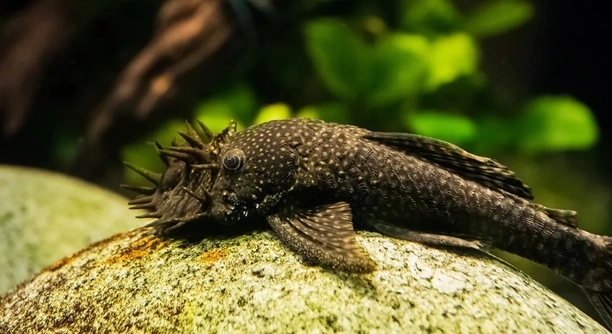
Do you enjoy keeping small fish but find yourself thinking about adding a Bristlenose Pleco to your classroom aquarium? These little algae eaters are popular, and many people consider them for school tanks.
Bristlenose Plecos can be kept in school aquariums if proper care is provided. They require stable water conditions, adequate hiding spaces, and a balanced diet. Ensuring these needs are met helps maintain their health and prevents stress or disease.
Learning how to properly care for Bristlenose Plecos in shared spaces can improve both the fish’s well-being and the classroom environment.
Understanding Bristlenose Plecos in Schools
Bristlenose Plecos are small, peaceful fish that adapt well to community tanks, making them suitable for classrooms. Their main role is controlling algae, which keeps tanks cleaner and reduces maintenance. These fish are nocturnal, so they are more active at night but still show interesting behaviors during the day. Hiding places like caves, driftwood, and plants are essential for their comfort. Plecos also need a balanced diet of algae wafers, vegetables, and occasional protein-based foods. Water conditions must be stable with proper filtration, moderate temperatures, and regular cleaning. Schools often have fluctuating schedules for maintenance, so creating a routine helps the fish thrive. They grow slowly but can reach up to six inches, so tank size matters. Classroom tanks under 20 gallons might be too small for multiple plecos. Overall, their hardy nature and calm temperament make them manageable for students to observe and learn responsibility through caring for living creatures.
These fish are hardy and adapt to many school tank conditions when their basic needs are met consistently.
Maintaining Bristlenose Plecos in schools also teaches students about responsibility and patience. Observing them encourages curiosity about aquatic life and environmental balance. Overfeeding is a common mistake, which can pollute the water. Their algae-eating habits help reduce buildup, but plecos still require regular water changes. Students can rotate feeding tasks to ensure no fish is neglected. Plecos may appear small, but they live for many years if cared for properly. Their peaceful nature prevents conflicts with other tank mates, making them ideal for mixed aquariums. Introducing these fish slowly and monitoring their health ensures the classroom tank remains stable. Understanding their behavior, like hiding during the day and grazing at night, provides insights into natural fish habits. Involving students in tank upkeep creates an educational experience that goes beyond observation, encouraging empathy and attentiveness.
Tank Setup Essentials
A suitable tank includes hiding spots, proper filtration, and stable temperature for Bristlenose Plecos.
Plecos need specific tank conditions to thrive in schools. Water quality is vital, so consistent monitoring of pH, temperature, and ammonia levels is necessary. Driftwood or caves give them safe spaces to rest and graze. Plants offer extra coverage and improve oxygen levels, supporting both plecos and other tank inhabitants. Filtration should be efficient but not create strong currents, as plecos prefer calmer water. Regular water changes help maintain clarity and reduce toxins. Adequate lighting is important, but they don’t require intense light, reflecting their nocturnal nature. Choosing a tank size of at least 30 gallons accommodates growth and multiple fish comfortably. Feeding should be consistent with a mix of algae wafers, vegetables, and occasional protein, avoiding overfeeding that could harm water quality. Paying attention to these factors ensures plecos remain healthy, visible, and active in a classroom setting.
Feeding and Nutrition
Bristlenose Plecos eat algae, vegetables, and occasional protein. A balanced diet keeps them healthy, active, and visible in the tank. Overfeeding can harm water quality and stress fish.
Providing a mix of foods helps meet nutritional needs. Algae wafers are convenient, but fresh vegetables like zucchini, cucumber, and spinach are excellent additions. Occasionally, small amounts of protein-based foods, such as bloodworms, support growth. Rotating feeding days can prevent overfeeding and keep water cleaner. Plecos scrape surfaces for algae naturally, but supplemental food ensures they get enough nutrients. Monitoring their behavior and body condition helps ensure they are healthy and thriving.
Feeding schedules should match school routines. Consistent timing reduces stress and helps students participate responsibly. Avoid leaving uneaten food in the tank, as it can foul water and attract unwanted bacteria. Observation during feeding teaches students to notice health changes, like reduced appetite or unusual behavior. Proper nutrition supports growth, strengthens immunity, and enhances the pleco’s natural color and activity. A well-fed pleco contributes to a more vibrant and educational classroom aquarium experience.
Tank Companions and Behavior
Bristlenose Plecos are peaceful and compatible with most small to medium fish species.
Choosing compatible tank mates is important. Aggressive or overly large fish can stress plecos, reducing their activity and health. Small tetras, guppies, and mollies usually coexist well. Plecos occupy different tank levels, grazing the bottom, while other fish swim above. This separation reduces competition for food and space. Monitoring interactions helps prevent bullying or territorial disputes, especially in smaller tanks. Plecos may chase intruders near hiding spots, but this is generally minor and temporary. Understanding these behaviors ensures a calm environment, making observation easier for students and maintaining balance within the classroom aquarium.
Plecos display interesting behaviors that enhance tank dynamics. They graze on algae, scrape surfaces with their suckermouths, and rest inside caves or under driftwood during the day. Nighttime activity can reveal more natural habits, as they explore the tank and feed. Observing interactions with tank mates provides insights into social behavior, stress signals, and habitat preferences. Their peaceful nature makes them ideal for schools where students learn responsibility through care routines. Maintaining compatible companions and monitoring pleco behavior ensures the aquarium remains stable, educational, and visually appealing for everyone involved.
Common Health Issues
Bristlenose Plecos are generally hardy, but poor water quality can cause stress and disease. Regular monitoring of ammonia, nitrite, and nitrate levels is essential for their health.
Ich, fin rot, and digestive problems are the most frequent concerns. Maintaining a clean tank and providing a balanced diet helps prevent these issues from developing.
Monitoring Water Quality
Consistent water testing is vital to detect problems early. Keeping pH, temperature, and hardness within safe ranges prevents stress and illness. Filtration and partial water changes are crucial for maintaining a stable environment, especially in school aquariums.
Breeding Considerations
Bristlenose Plecos breed in hiding spots with caves or tubes. Males guard eggs, and proper tank conditions encourage successful reproduction in captivity.
Student Involvement
Allowing students to participate in feeding and observation teaches responsibility and care. Assigning tasks like water testing or tank cleaning promotes engagement and helps maintain a healthy aquarium environment.
FAQ
How big do Bristlenose Plecos get in a school aquarium?
Bristlenose Plecos typically grow up to six inches. Their growth rate depends on diet, water quality, and tank size. In a properly maintained school tank, they usually reach full size slowly, which helps prevent overcrowding and stress. Providing enough space and hiding spots ensures they remain healthy and active.
How often should Bristlenose Plecos be fed?
Plecos should be fed once daily, with supplemental vegetables a few times per week. Algae wafers are convenient for routine feeding, while fresh vegetables like zucchini or spinach provide essential nutrients. Overfeeding can pollute the tank, so it’s important to remove uneaten food promptly.
Can Bristlenose Plecos live with other fish in a classroom tank?
Yes, they are peaceful and compatible with many small to medium fish species. They occupy the bottom of the tank, so they don’t compete much for space or food. Aggressive or very large fish should be avoided, as they may stress plecos.
What water conditions are ideal for Bristlenose Plecos?
They thrive in water temperatures between 72–78°F with a pH of 6.5–7.5. Hardness should be moderate. Stable water conditions with proper filtration are critical to prevent stress and disease. Partial water changes help maintain a healthy environment.
Do Bristlenose Plecos require hiding spots?
Yes, hiding spots like caves, driftwood, or PVC tubes are essential. Males guard eggs during breeding, and plecos feel safer when they have secure areas to rest. Without proper hiding places, they can become stressed and less active.
How long do Bristlenose Plecos live?
They can live 5–10 years with proper care. Longevity depends on diet, water quality, and tank conditions. Regular maintenance and observation are key to ensuring they reach their full lifespan in a school aquarium.
Are Bristlenose Plecos difficult to care for in schools?
Not particularly. They are hardy and forgiving compared to other tropical fish, but consistent care is required. Students can easily learn feeding routines, water testing, and basic tank upkeep, making plecos manageable in an educational setting.
Can Bristlenose Plecos reproduce in a classroom tank?
Yes, they can breed if there are caves or tubes and stable water conditions. Males guard eggs, and proper nutrition encourages spawning. Breeding may require monitoring to prevent overpopulation in smaller school tanks.
What signs indicate a Bristlenose Pleco is unhealthy?
Signs include reduced activity, loss of appetite, clamped fins, or visible spots and lesions. Water quality issues are often the cause. Regular observation and testing allow students to catch problems early and maintain fish health.
Is it necessary to have a separate tank for Bristlenose Plecos in schools?
Not always. They can live in community tanks with compatible species. However, for breeding or special care, a separate tank may be useful to reduce stress and allow close observation.
How do I clean a tank with Bristlenose Plecos without stressing them?
Perform partial water changes and clean surfaces gently. Avoid disturbing hiding spots too much. Plecos are sensitive to sudden changes, so maintaining a calm approach during cleaning helps reduce stress and keeps them healthy.
What are the most common mistakes when keeping Bristlenose Plecos in schools?
Overfeeding, poor water maintenance, and inadequate hiding spaces are the main issues. Ignoring tank size or adding aggressive fish can also create problems. Following a consistent routine and observing fish behavior prevents most mistakes and keeps the tank balanced.
How much space do Bristlenose Plecos need per fish?
A minimum of 20–30 gallons per pleco is recommended, especially if multiple fish share the tank. Larger tanks provide room for hiding spots, grazing areas, and help maintain water quality for a healthy environment.
Do Bristlenose Plecos need supplemental lighting?
Not necessarily. They are nocturnal and don’t require strong lighting. Low to moderate light is sufficient for their comfort and encourages natural grazing behaviors while also supporting plants in the tank.
Can Bristlenose Plecos eat live plants?
They mostly eat algae and vegetables but may occasionally nibble soft plants. Hardy plants like Java fern or Anubias are recommended, as plecos are less likely to damage them while still enjoying natural grazing surfaces.
How do I know when a Bristlenose Pleco is happy?
Active grazing, normal coloration, exploring the tank, and resting in hiding spots during the day indicate contentment. Observing natural behavior regularly helps ensure their needs are met and allows students to notice changes quickly.
Is it okay to have more than one Bristlenose Pleco in a school tank?
Yes, if the tank is large enough and has multiple hiding spots. Small tanks may cause territorial disputes. Proper monitoring and space allocation prevent aggression and stress between plecos.
Can Bristlenose Plecos survive without algae in the tank?
They can survive with supplemental feeding if natural algae is scarce. Algae wafers, vegetables, and occasional protein are sufficient to meet dietary needs. Ensuring variety prevents nutritional deficiencies and supports overall health.
How often should hiding spots and decorations be rearranged?
Rarely. Sudden changes can stress plecos. If rearranging is necessary, do it gradually, leaving familiar spots intact. Maintaining consistent hiding places encourages comfort and reduces defensive behaviors in the tank.
What is the easiest way to tell if water quality is safe for Bristlenose Plecos?
Regular testing of ammonia, nitrite, nitrate, pH, and temperature provides the most reliable information. Observing fish behavior and clarity of the water also helps indicate stability and safety for the plecos.
Can Bristlenose Plecos coexist with snails or shrimp in a school tank?
Yes, they usually coexist peacefully with snails or non-aggressive shrimp. Plecos focus on the bottom surfaces, so conflicts are rare. Monitoring interactions ensures no accidental harm occurs, especially with smaller or delicate invertebrates.
Do Bristlenose Plecos need specific substrates?
Soft sand or smooth gravel is ideal. Rough substrates can harm their delicate fins or mouth. Substrate choice also affects algae growth, which plecos naturally graze on for additional nutrition.
Are Bristlenose Plecos sensitive to noise or vibrations in a classroom?
They can be startled by sudden vibrations or excessive noise. Placement of the tank in a calm area helps reduce stress. Students observing quietly during feeding or maintenance promotes a stable environment for the fish.
Can Bristlenose Plecos help teach students about ecosystems?
Yes, they provide a hands-on example of algae control, fish behavior, and tank ecology. Students can learn how living organisms interact, the importance of water quality, and the role of diet and shelter in maintaining a balanced aquatic system.
How long can Bristlenose Plecos go without food?
They can survive a few days without food due to stored energy and algae in the tank. Longer periods without feeding can cause stress or health decline, so consistent feeding is important, especially in school settings.
What is the best way to introduce Bristlenose Plecos to a new tank?
Acclimate slowly by floating the bag and gradually mixing tank water over 20–30 minutes. This reduces stress from temperature and water chemistry changes. Gentle introduction helps them adapt quickly and reduces the risk of shock.
Are Bristlenose Plecos noisy at night?
They are quiet fish. Their grazing and movement may produce slight sounds, but they do not disturb classroom activities. Observing them at night can be done with dim lighting to avoid stress.
Do Bristlenose Plecos need vitamins or supplements?
A varied diet with fresh vegetables, algae wafers, and occasional protein is sufficient. Supplements are usually unnecessary if diet and water quality are properly maintained. Over-supplementing can cause water contamination and harm the fish.
How can students help maintain a Bristlenose Pleco tank responsibly?
Students can rotate feeding, observe behavior, test water, and assist with partial water changes. Assigning age-appropriate tasks encourages accountability, improves fish care, and teaches practical lessons in observation and routine maintenance.
Are Bristlenose Plecos sensitive to temperature changes?
Yes, sudden shifts can stress them and weaken immunity. Stable temperatures within their preferred range are essential. Using a reliable heater and monitoring temperature daily ensures a safe environment for classroom aquariums.
Can Bristlenose Plecos recognize their caretakers?
They may associate regular feeding with human presence but do not form bonds like mammals. They respond to activity near the tank and may approach surfaces during feeding, providing students with visible, interactive learning opportunities.
Is it necessary to quarantine new plecos before adding them to a school tank?
Yes, quarantining prevents introducing disease. A separate tank for 2–4 weeks allows monitoring for illness or parasites before mixing with existing fish, maintaining overall tank health.
How do Bristlenose Plecos interact with their own species?
They are generally peaceful but can show mild territorial behavior, especially males during breeding. Providing enough space and hiding spots minimizes disputes and supports harmonious cohabitation in classroom tanks.
What is the best way to handle Bristlenose Plecos if needed?
Handling should be minimal. Use a soft net gently if necessary. Avoid squeezing or exposing them to air for long periods. Proper care during handling prevents injury and stress.
Can Bristlenose Plecos survive in a tank without algae entirely?
Yes, as long as they receive proper alternative foods like algae wafers and vegetables. Algae is beneficial but not strictly necessary if diet is balanced and sufficient.
Are Bristlenose Plecos nocturnal?
Yes, they are more active at night but will still graze and explore during daylight. Their nocturnal habits are important to consider when observing behavior in a classroom setting.
Do Bristlenose Plecos need strong water flow?
No, moderate flow is sufficient. Strong currents can stress them and interfere with feeding. Gentle circulation supports water quality while keeping plecos comfortable.
How often should the tank decorations be cleaned?
Decorations can be cleaned during regular water changes, but avoid harsh scrubbing. Mild rinsing preserves beneficial bacteria while keeping surfaces free from excessive algae buildup.
What type of tank lighting is best for Bristlenose Plecos?
Low to moderate lighting works best. Bright light can stress plecos and encourages hiding. Soft lighting also supports plant growth without disturbing the fish’s natural behavior.
Can Bristlenose Plecos jump out of the tank?
They rarely jump but may occasionally explore edges. A secure lid prevents escape, especially in smaller classroom aquariums. Regular observation reduces the risk of accidents.
How can students monitor pleco health effectively?
Observation of behavior, appetite, coloration, and activity levels provides early signs of health issues. Keeping records during feeding and tank checks encourages responsibility and allows timely intervention if problems arise.
Do Bristlenose Plecos produce much waste?
They produce moderate waste, mostly from uneaten food. Maintaining proper filtration, routine water changes, and controlled feeding helps prevent water quality issues and keeps the tank clean.
What is the best way to teach students about Bristlenose Pleco care?
Hands-on involvement with feeding, water testing, and observation teaches responsibility. Clear instructions and rotating tasks ensure students understand proper care, creating an interactive, educational experience while keeping fish healthy.
Are Bristlenose Plecos compatible with bettas?
Generally yes, as plecos are bottom dwellers and peaceful. Bettas may ignore them, but individual temperaments should be monitored. Providing sufficient hiding spots ensures both species feel secure and reduces stress.
How do I prevent algae overgrowth if I have plecos?
Plecos eat algae but may not fully control it. Limiting light, avoiding overfeeding, and regular tank maintenance help keep algae levels manageable. Observation ensures balance between algae presence and tank cleanliness.
Can Bristlenose Plecos tolerate school schedules with occasional absences?
Yes, they are hardy enough to handle brief feeding gaps if algae is present. Consistent routines are still ideal. Assigning backup caretakers ensures no prolonged neglect occurs.
Do Bristlenose Plecos need specific water hardness?
Moderate hardness is ideal. Extreme soft or hard water can stress plecos, affecting health and behavior. Regular testing helps maintain proper conditions.
What is the easiest way to introduce multiple plecos into a tank?
Provide multiple hiding spots and introduce them gradually. Observing interactions reduces territorial disputes and ensures smooth adaptation to the shared environment.
How do Bristlenose Plecos respond to classroom noise?
They may retreat to hiding spots if startled but generally adapt. Quiet observation and gentle maintenance reduce stress and support normal behavior.
Are Bristlenose Plecos messy eaters?
They produce minimal food waste compared to other bottom feeders if fed properly. Removing excess food keeps water clean and reduces maintenance.
Can plecos coexist with goldfish?
Caution is needed. Goldfish produce more waste and prefer cooler temperatures. Plecos may tolerate them, but careful monitoring and water maintenance are essential for a healthy environment.
Do plecos need tank mates for mental stimulation?
Not necessarily. They are content alone or with other peaceful fish. Hiding spots and grazing areas provide enrichment and support natural behavior.
How long does it take for plecos to adapt to a new tank?
Typically a few days to a week. Gradual acclimation, stable water, and proper hiding spaces speed up adjustment and reduce stress.
Are Bristlenose Plecos sensitive to chlorine in tap water?
Yes. Always treat water with a dechlorinator before adding plecos to prevent stress and health issues.
Can plecos help teach about algae management?
Yes, observing their grazing illustrates natural algae control. Students learn how diet, light, and maintenance affect algae levels in a tank.
What should I do if a pleco stops eating?
Check water quality, temperature, and tank mates. Stress, illness, or poor conditions are common causes. Prompt intervention prevents health decline.
Are plecos suitable for small classroom tanks under 20 gallons?
They can survive short-term, but larger tanks are recommended for comfort and long-term health. Limited space can lead to stress or aggression.
Do Bristlenose Plecos require weekly water changes?
Partial water changes weekly or biweekly are recommended. They maintain water quality, reduce waste buildup, and prevent disease.
Can plecos recognize feeding routines?
Yes, they associate caretakers with food but do not form emotional bonds. Consistent schedules encourage activity and observation opportunities.
How do I prevent fighting between multiple male plecos?
Provide multiple hiding spots, sufficient space, and observe behavior. Territorial disputes are minimized with careful tank setup.
What is the best temperature range for plecos in a classroom?
72–78°F is ideal. Maintaining this range with a heater and thermometer ensures comfort and health.
Do plecos need substrate for grazing?
Yes, they benefit from soft gravel or sand to scrape algae and avoid mouth injuries.
How often should plecos be observed for health checks?
Daily or at least during feeding ensures early detection of illness or stress. Recording observations helps track long-term trends.
Are plecos good for teaching students about nocturnal animals?
Yes, their nighttime activity demonstrates nocturnal behavior, offering hands-on learning about different animal patterns.
Can plecos live with African cichlids?
Generally no. Aggressive cichlids may harass plecos, causing stress or injury. Careful species selection is needed for compatibility.
Do plecos require a separate filter?
No, a well-maintained shared filter is sufficient. Regular cleaning ensures proper water circulation and quality.
How can students safely remove uneaten food?
Use a small net or siphon to remove leftovers gently. This keeps water clean without disturbing the plecos.
Do plecos change color in response to stress?
Yes, they may darken or fade when stressed. Observing color changes helps identify environmental or health problems early.
What is the minimum number of hiding spots needed for multiple plecos?
At least one per pleco, plus extras, to reduce territorial disputes and ensure comfort.
Can plecos help reduce algae naturally?
Yes, they graze on algae, reducing buildup and supporting a cleaner tank environment for other fish.
Are plecos compatible with live plants?
Yes, hardy plants like Java fern or Anubias work well. Plecos mostly graze surfaces without damaging strong plants.
How do I handle plecos during tank maintenance?
Minimize handling. Use a soft net and avoid prolonged air exposure. Gentle care reduces stress and prevents injury.
Do plecos require vitamin supplements?
No, a varied diet provides sufficient nutrition. Supplements are only needed if dietary options are limited.
Can plecos survive school breaks without daily care?
Short breaks are manageable if algae and tank conditions are stable. Longer absences require planned care from another caretaker.
What is the best method for acclimating plecos?
Float the bag, gradually mix tank water, and release gently after 20–30 minutes. This prevents shock and stress.
Do plecos interact with other bottom dwellers?
They are generally peaceful. Providing space and hiding spots prevents competition and supports harmonious cohabitation.
How long does it take for plecos to show natural behavior after moving?
A few days to a week, depending on tank stability and hiding spot availability.
Are plecos sensitive to sudden light changes?
Yes, abrupt bright light can stress them. Gradual lighting or dim conditions support comfort and natural activity.
Can plecos survive in slightly acidic or slightly alkaline water?
They tolerate a range of 6.5–7.5 pH. Sudden extremes or fluctuations can stress them and impact health.
Do plecos require a specific tank shape?
No, long tanks are preferable to provide grazing space and reduce territorial disputes. Depth is less critical.
How often should plecos be monitored during school hours?
Daily observation during feeding or classroom visits ensures they remain healthy and active.
Can plecos tolerate fluctuations in water temperature from heaters or AC?
Sudden shifts should be avoided. Gradual, stable temperatures maintain health and reduce stress.
Are plecos suitable for observing in daytime classrooms?
Yes, although more active at night, they are visible during the day, grazing and resting in hiding spots.
Do plecos need a gravel vacuum?
Yes, occasional vacuuming helps remove debris without disturbing the substrate or stressing the fish.
Can plecos live with shrimp species?
Yes, they generally coexist peacefully, but small shrimp may be at risk if hiding
Bristlenose Plecos can be a great addition to a school aquarium. They are small, peaceful, and relatively hardy fish, which makes them easier to care for compared to many other species. Their algae-eating habits help keep tanks cleaner, reducing maintenance for students and teachers. They are quiet and unobtrusive, so they do not interfere with the classroom environment. Even though they are nocturnal, they can be observed during the day resting in hiding spots or grazing slowly, giving students opportunities to learn about fish behavior. With the right care, including stable water conditions, proper diet, and enough space, these fish can live for many years, teaching responsibility and attention to detail over time. Their presence adds life to the tank and can make a classroom feel more engaging without being overwhelming.
Caring for Bristlenose Plecos in schools also helps teach students practical skills. Feeding, water testing, and cleaning routines can be shared among students, giving them hands-on experience with animal care. Watching the fish graze, interact with tank mates, or retreat to hiding spots offers lessons about natural behavior, territoriality, and environmental needs. Maintaining the tank teaches consistency, as water quality must be monitored to prevent stress and disease. Students learn how diet, space, and environment affect health, and these lessons can be applied to other animals or plants they care for in the future. Plecos are forgiving fish, but they still require attention. Simple mistakes like overfeeding, skipping water changes, or adding incompatible fish can create problems. Observing changes in behavior or appearance can teach students to notice early warning signs and take corrective action, which is an important life skill.
Overall, Bristlenose Plecos are suitable for a classroom setting when proper care is followed. Their modest size, calm nature, and low-maintenance habits make them ideal for students to observe and care for responsibly. Providing hiding spots, a balanced diet, and a stable tank environment ensures their health and longevity. They are educational without being demanding, showing students the importance of routine, patience, and attention to detail. While they may not be the most active fish during the day, their subtle behaviors and interactions with the tank environment make them interesting to watch. They encourage curiosity and teach practical lessons about ecosystems, algae control, and animal behavior. With consistent care, Bristlenose Plecos can thrive in a school setting, offering both educational and aesthetic value, while helping students learn responsibility in a simple, manageable way.

Hello,
If you enjoy the content that we create, please consider saying a "Thank You!" by leaving a tip.
Every little bit helps us continue crafting quality advice that supports the health, happiness, and well-being of pets around the world, for pets of all shapes, sizes, and species.
We really appreciate the kindness and support that you show us!