
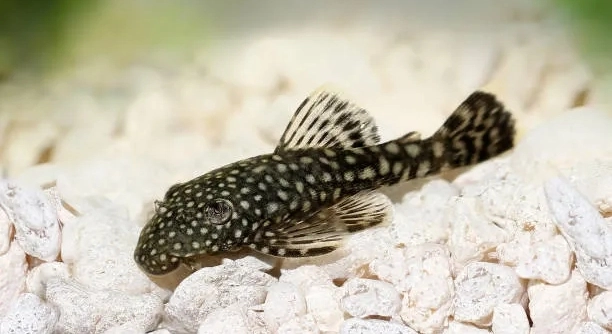
Have you ever noticed your pleco spending more time searching than grazing in the tank? Watching them can make you wonder if they are truly getting enough algae to stay healthy and active.
A pleco that does not receive sufficient algae may exhibit poor growth, weakened immunity, and abnormal behavior. Limited access to natural food sources can lead to malnutrition and stress, affecting overall health and potentially shortening the fish’s lifespan.
Observing these signs early can help you adjust your tank setup and feeding habits before serious health issues arise.
Reduced Algae on Tank Surfaces
I first noticed my pleco spending more time wandering than eating, which made me check the tank walls. Algae wasn’t growing like it used to, and I realized the lack of natural grazing spots was affecting him. Plecos need surfaces coated with algae to scrape and feed on daily. Without it, they might start nibbling on decorations or plants that aren’t part of their diet. Regular tank maintenance, light exposure, and feeding habits all influence algae growth. Cleaning too often or using strong chemicals can remove essential algae layers, leaving your pleco without enough to eat. I began adjusting the lighting schedule and adding algae wafers occasionally. Slowly, the tank surfaces began to replenish naturally. Watching my pleco’s behavior change was a clear sign that these small adjustments mattered. Plecos rely heavily on algae as a food source, and neglecting this can quickly affect their health and activity levels.
When tank surfaces lack algae, plecos may appear restless, spend more time searching, and eat less than usual, signaling dietary insufficiency.
Adding driftwood and smooth rocks helped create more grazing areas. I also observed that reducing harsh cleaning and adjusting lighting encouraged algae growth, giving my pleco consistent access to food while maintaining a healthy tank balance.
Weight Loss and Poor Growth
Weight loss is one of the first noticeable signs when a pleco isn’t getting enough algae.
A pleco deprived of sufficient algae often shows slower growth and reduced weight. Their bodies start to use stored energy, which can weaken muscles and fins. Even if other foods are provided, algae remains a critical component of their diet, supplying fiber and essential nutrients. I observed that my pleco’s belly became less rounded, and the shiny, healthy appearance of his skin faded slightly. Over time, a lack of algae can make plecos more vulnerable to disease because their immune system weakens. To counteract this, I introduced more algae-friendly decorations, provided supplements, and monitored his weight weekly. Ensuring that the tank has natural light or a safe algae growth supplement can support steady growth and overall vitality. Plecos are resilient, but consistent access to their natural food source is key to keeping them strong, active, and healthy.
Lethargic Behavior
I noticed my pleco spending long hours hiding and barely moving. This sudden drop in activity seemed linked to the lack of algae in the tank.
Reduced algae intake can lead to low energy levels. Plecos rely on algae as a primary food source, and insufficient nutrition causes them to conserve energy. My pleco would often rest in corners, avoiding normal grazing spots. Over time, this lethargy can affect their metabolism and make them more susceptible to stress or disease. Introducing algae wafers and adjusting tank lighting helped him regain some energy, though natural algae growth remained essential.
Behavior changes were clear even during feeding times. Previously enthusiastic about grazing, my pleco now approached food slowly and hesitated. The contrast was striking and made me realize how vital consistent algae access is for maintaining normal activity levels and overall well-being. Observing these patterns helped me prioritize creating more grazing surfaces and monitoring diet closely.
Fading Color
The vibrant patterns on my pleco’s body became dull, signaling something was off.
Plecos deprived of algae often show muted coloration. Algae provides pigments and nutrients that help maintain skin tone. I noticed my pleco’s once-bright stripes turning paler, and his overall appearance seemed less lively. Even with supplementary food, the lack of natural algae affected his health visibly. Color fading can also indicate stress and low immunity, which can lead to illness if not addressed promptly. To improve his condition, I added more natural surfaces for grazing and ensured the tank lighting supported algae growth.
Over several weeks, I monitored subtle changes in his color and behavior. Regular observation helped me adjust feeding and tank conditions to restore both vibrancy and energy. Ensuring adequate algae availability and proper nutrition proved key to helping him regain healthy coloration while maintaining overall wellness. Creating a balanced environment made a significant difference in his appearance and daily activity.
Constant Searching
My pleco seemed to wander endlessly across the tank, scraping surfaces without much success. This constant searching clearly showed he wasn’t finding enough algae to eat.
He spent more time moving than resting or feeding. Lack of algae made him restless and less comfortable in his environment.
Nibbling on Decorations
He started nibbling on ornaments and driftwood more aggressively than usual. Without enough natural algae, plecos often look for alternative surfaces to graze on. Over time, this behavior can damage decorations and even stress the fish if suitable food sources remain limited. Observing this, I added extra algae wafers and rough rocks to encourage proper grazing.
Reduced Appetite
Even when I offered supplemental food, my pleco’s interest was low. Insufficient algae can make them less motivated to eat alternatives, showing how essential natural algae is for maintaining regular feeding behavior.
Hiding More Than Usual
He retreated to caves and corners for hours at a time. Lack of adequate algae can increase stress, causing plecos to hide more frequently, which can further reduce their activity and grazing opportunities.
How can I tell if my pleco isn’t getting enough algae?
I noticed subtle changes in my pleco’s behavior and appearance first. He was wandering more, grazing less, and his vibrant color started fading. Weight loss and slower growth were clear signs too. Plecos rely on algae as a staple food, so monitoring these indicators is essential for maintaining their health.
What types of algae are best for plecos?
Plecos thrive on naturally occurring algae in the tank, particularly green and brown biofilm algae. These provide fiber and essential nutrients. I also supplemented with algae wafers when natural growth was limited. It’s important to avoid chemically treated algae or algae collected from unsafe sources, as these can harm the fish rather than support their diet.
Can plecos survive without algae?
While plecos may consume other foods, algae is crucial for their long-term health. My pleco would nibble on vegetables or pellets, but without algae, he showed lethargy, fading color, and poor growth. Algae provides nutrients not easily replaced by other foods, making it vital to maintain natural grazing surfaces.
How often should I check algae levels in the tank?
I make it a habit to check surfaces every few days. Algae growth can fluctuate based on lighting, water conditions, and tank maintenance. Ensuring enough grazing areas exist prevents nutritional deficiency and reduces stress. Observing changes early helps me adjust feeding or tank conditions quickly.
Can I supplement algae if natural growth is low?
Yes, I used algae wafers and occasionally blanched vegetables like zucchini or cucumber. Supplementing is especially helpful in tanks with low light or heavy cleaning routines that remove natural algae. Supplements should complement, not replace, natural growth to support a balanced diet.
Why does my pleco hide more when algae is low?
I noticed that my pleco spent hours in corners or behind decorations when grazing opportunities were scarce. Stress from lack of food can cause hiding behavior. Providing extra algae surfaces and occasional supplements encourages activity and reduces anxiety in the tank.
Does tank lighting affect algae growth?
Absolutely. Proper lighting encourages algae development on tank surfaces. I adjusted my lighting schedule to mimic natural day cycles, which helped algae spread evenly. Too much light can cause overgrowth and water quality issues, while too little slows algae formation, impacting your pleco’s diet.
Are some pleco species more sensitive to low algae than others?
Yes. Smaller or juvenile plecos tend to be more affected because they rely heavily on constant grazing for growth. Larger species can tolerate temporary shortages better, but long-term deficiency still impacts health, color, and activity. I observed that my young pleco needed more consistent algae than adults.
What signs indicate recovery after algae levels improve?
After adding more algae and supplements, I noticed my pleco became more active, regained some color, and returned to regular grazing patterns. Weight stabilized, and hiding decreased. Regular observation and consistent algae access are key to sustaining these improvements.
How do I prevent algae shortages in the future?
Maintaining a balance of light, tank decorations, and moderate cleaning helps algae thrive. I also keep some supplemental foods on hand for periods when natural growth slows. By observing my pleco daily and making small adjustments, I ensure he always has adequate grazing opportunities.
This FAQ reflects real experiences and practical steps to ensure plecos get enough algae. Monitoring behavior, appearance, and tank conditions can prevent issues and support a healthy, active fish. A consistent approach makes a significant difference in long-term care.
Ensuring your pleco has enough algae is essential for its overall health and wellbeing. Algae is more than just a food source—it provides vital nutrients that support growth, maintain vibrant coloration, and strengthen the immune system. Without adequate algae, plecos can experience lethargy, reduced appetite, weight loss, and even increased stress levels. Over time, these issues can affect their long-term health and make them more prone to disease. Observing your pleco regularly can help you notice early signs of deficiency, such as fading color, excessive hiding, or constant searching for food. By paying attention to these behaviors, you can take timely steps to improve their environment and diet, ensuring they remain healthy and active in the tank.
Maintaining a proper balance in the aquarium is key to supporting algae growth. Lighting, water quality, and decorations all play a role in how well algae develops. Plecos need surfaces where they can graze naturally, so providing smooth rocks, driftwood, and other appropriate structures encourages feeding behavior. At the same time, it is important not to over-clean the tank or use chemicals that can remove algae entirely. Adding supplementary foods like algae wafers or blanched vegetables can help during periods when natural algae growth is slow, but these should not replace the natural grazing that plecos need daily. Regular observation and small adjustments in tank maintenance routines can go a long way in preventing algae shortages and keeping your pleco healthy.
Consistency in providing algae and a well-maintained environment ensures that plecos thrive in captivity. By combining natural algae growth with occasional supplements, you create a sustainable diet that supports growth, coloration, and activity. Watching a pleco regain its energy and color after addressing algae shortages is rewarding, as it clearly shows how important this aspect of their care is. Keeping track of changes in behavior, appetite, and physical appearance allows you to make adjustments early, preventing serious health issues. A thoughtful approach to tank setup, feeding habits, and algae management ensures your pleco not only survives but flourishes. Over time, these efforts result in a more active, vibrant, and healthier fish that enjoys a stable and supportive environment.

Hello,
If you enjoy the content that we create, please consider saying a "Thank You!" by leaving a tip.
Every little bit helps us continue crafting quality advice that supports the health, happiness, and well-being of pets around the world, for pets of all shapes, sizes, and species.
We really appreciate the kindness and support that you show us!