
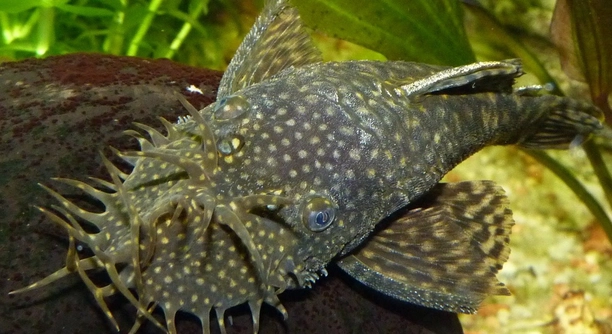
Are your plecos spending more time hiding than grazing on algae? Many fish owners notice their algae-eating companions ignoring the green growth in their tanks. This behavior can leave aquariums less tidy than expected.
Plecos may avoid algae due to dietary preferences, water quality issues, tank environment, or stress. Ensuring proper nutrition, stable water parameters, and adequate hiding spots supports their natural grazing habits and promotes healthier, more consistent algae consumption.
Understanding why your pleco may avoid algae helps maintain a balanced tank and healthier fish. Observing these factors can improve both their environment and daily habits.
Understanding Pleco Dietary Needs
Plecos are often labeled as algae eaters, but their diet is more varied than many realize. While they do consume algae, they also require vegetables, sinking pellets, and occasional protein to stay healthy. Relying solely on algae can leave them undernourished, which might explain why they avoid certain types. Younger plecos especially need supplemental foods like zucchini, cucumber, or spinach to support growth and maintain energy levels. Overfeeding protein can lead to water quality problems, which indirectly reduces algae grazing. Observing your pleco’s feeding behavior helps identify if it’s receiving balanced nutrition. Sometimes, they simply prefer fresh vegetables over algae-covered surfaces. Introducing a variety of foods gradually can encourage healthier eating patterns. Ensuring that pellets or vegetables sink to the bottom prevents competition from other fish, giving your pleco a consistent source of nutrition. A well-fed pleco will still nibble algae, but its overall health improves.
Providing varied foods ensures your pleco receives essential nutrients and encourages consistent grazing habits in the tank environment.
Regularly monitoring diet and food preferences helps maintain a balanced feeding routine, reducing stress and improving overall well-being for your pleco.
Water Quality and Tank Environment
Poor water quality can discourage plecos from eating algae. Even slight changes in temperature, pH, or ammonia levels can stress fish, causing them to hide rather than graze. Clean, stable water encourages natural behavior and supports algae growth. Proper filtration and regular water changes prevent toxins from accumulating. Plecos also need hiding spots and smooth surfaces to feel secure. Stress-free conditions improve activity and feeding habits.
Water parameters like temperature, pH, and hardness significantly affect pleco health. Most species thrive in temperatures between 74–80°F, with a slightly acidic to neutral pH range. Sudden fluctuations in these conditions can lead to stress and reduced appetite. Algae availability is also tied to lighting and water nutrients. Insufficient light or excess organic waste can reduce algae growth, leaving plecos less interested. Tank layout matters; they prefer caves, driftwood, and plants for cover. A secure environment allows them to explore and graze naturally. Observing behavior after adjustments can guide further improvements. Consistent maintenance fosters a healthy, active pleco that balances grazing with overall nutrition. Keeping algae accessible while providing proper food, water, and hiding spaces ensures their needs are met. Monitoring and adjusting tank conditions regularly prevents future feeding problems and promotes long-term health.
Stress and Its Impact on Pleco Feeding
Stress significantly affects plecos, often causing them to avoid algae. Overcrowding, aggressive tank mates, or sudden changes in water conditions can trigger hiding and reduced grazing behavior, making consistent feeding more difficult.
Plecos respond to stress by retreating to dark corners or hiding under decorations. Even minor disturbances, such as frequent tapping on the tank or strong currents, can discourage them from exploring or eating. Stress can also suppress their immune system, making them more susceptible to illness. Observing their behavior helps identify environmental pressures. Reducing stress involves stabilizing water parameters, limiting tank disturbances, and providing sufficient hiding spaces. A calmer environment encourages plecos to graze naturally and maintain normal feeding habits.
Proper tank setup and management are crucial. Avoid overcrowding, introduce new fish carefully, and maintain gentle water flow. Ensuring they feel secure promotes regular algae consumption and overall well-being.
Lighting and Algae Availability
Algae growth depends on proper lighting. Insufficient light or inconsistent schedules reduce algae, leaving plecos less interested in grazing and searching for alternative foods.
Lighting affects photosynthesis, which directly impacts algae development. Tanks with low light or shaded areas may have sparse algae coverage, discouraging plecos from feeding consistently. Conversely, intense light for long periods can lead to excessive algae growth, causing nutrient imbalances and poor water quality. Balancing light intensity and duration is key. Timers can help maintain a steady day-night cycle, encouraging predictable grazing patterns. Plecos often feed more actively during low-light periods, such as early morning or evening. Observing their activity helps determine the best lighting schedule for your tank.
Providing consistent lighting encourages natural grazing behavior while supporting healthy algae growth. Combining proper light, nutrients, and tank conditions ensures plecos have both access to food and a stable environment. Regularly monitoring algae coverage and adjusting light duration can prevent periods of low feeding activity, promoting better overall health. This approach creates a balanced ecosystem where plecos can thrive and maintain their natural habits.
Age and Growth Factors
Young plecos may eat less algae as they grow, relying more on supplemental foods to meet nutritional needs. Older plecos sometimes reduce grazing due to slower metabolism or dental wear, which can make algae scraping more difficult.
Growth stages also affect activity. Juveniles require higher protein and varied foods, while adults balance grazing with supplemental vegetables and pellets. Proper feeding ensures healthy development and encourages consistent algae consumption, even as their preferences evolve over time.
Algae Type and Texture
Not all algae are equally appealing to plecos. Soft, green algae is easier to consume, while tougher varieties may be ignored, especially if plecos are accustomed to supplemental foods. Their preference can influence grazing patterns significantly.
Monitoring Behavior Patterns
Observing your pleco’s daily habits helps identify changes in appetite or grazing. Patterns indicate health, tank comfort, and feeding preferences.
FAQ
Why is my pleco ignoring algae completely?
Plecos may avoid algae for several reasons, including insufficient nutrition, poor water quality, or stress. If your pleco has access to a variety of vegetables and pellets, it might simply prefer these over algae. Observing tank conditions, diet, and behavior helps determine the cause.
Can a pleco survive without eating algae?
Yes, plecos can survive without consuming large amounts of algae if they receive a balanced diet. Vegetables like zucchini, cucumber, and spinach, along with sinking pellets or occasional protein, provide necessary nutrients. Algae is supplementary rather than essential for health.
How do water parameters affect algae consumption?
Plecos are sensitive to water quality. Fluctuations in pH, ammonia, nitrites, or temperature can stress them, reducing grazing behavior. Stable water encourages natural feeding habits and helps maintain consistent algae growth. Regular testing and maintenance are essential.
Does tank lighting impact algae eating?
Yes, lighting directly affects algae growth. Inadequate light reduces algae coverage, leaving plecos with less food. Overly strong lighting can create excessive algae, affecting water quality. Maintaining a consistent light schedule promotes healthy grazing patterns and tank balance.
Why does my pleco hide instead of eating?
Stress from overcrowding, aggressive tank mates, or sudden changes can cause plecos to hide. Providing hiding spots, gentle water flow, and stable conditions reduces stress, encouraging regular feeding and grazing behavior. Observing behavior helps identify environmental triggers.
Are some algae types better than others for plecos?
Plecos often prefer soft, green algae over tougher varieties. Harder algae or surfaces covered in biofilm may discourage grazing. Offering supplemental vegetables helps ensure proper nutrition if preferred algae is scarce.
How can I encourage my pleco to eat algae?
Introduce a mix of vegetables and pellets to supplement their diet while gradually offering algae-covered surfaces. Ensuring stable water, proper lighting, and hiding spots makes them more comfortable, encouraging natural grazing. Consistent observation helps adjust conditions.
Does age affect algae consumption?
Young plecos may rely more on supplemental foods, while adults balance grazing with vegetables and pellets. Older plecos might reduce grazing due to slower metabolism or worn teeth. Adjust diet and tank setup based on age and activity levels.
Can stress prevent plecos from eating algae?
Yes, stress can suppress appetite and discourage grazing. Causes include sudden water changes, aggressive tank mates, and lack of hiding spaces. Minimizing disturbances, maintaining water quality, and providing secure areas helps reduce stress and restore feeding habits.
How do I know if my pleco is healthy despite avoiding algae?
Check overall activity, growth, and body condition. A pleco that swims actively, maintains a good weight, and eats supplemental foods is generally healthy. Avoid focusing solely on algae consumption; monitor diet variety and environmental stability.
Is overfeeding other foods a problem for algae grazing?
Yes, plecos may ignore algae if they are already full from vegetables or pellets. Providing balanced portions and timing feedings encourages natural grazing behavior. Reducing excess food helps maintain their appetite for algae.
Can tank mates influence algae eating?
Aggressive or fast-moving tank mates may intimidate plecos, preventing them from accessing algae. Ensuring adequate space and hiding spots allows plecos to graze without interference. Observing interactions helps identify behavioral issues.
Do plecos prefer fresh or old algae?
Fresh, soft algae is usually preferred. Old or dried algae may be ignored. Supplementing with fresh vegetables ensures consistent nutrition and encourages grazing behavior. Maintaining tank cleanliness and algae accessibility supports natural feeding.
What role does tank setup play in grazing habits?
A well-organized tank with hiding spots, driftwood, and smooth surfaces encourages comfort and activity. Plecos graze more when they feel secure. Adjusting tank layout and ensuring stable conditions improves feeding consistency.
How long can a pleco go without eating algae?
Plecos can go several days without consuming algae if provided with a balanced diet. Prolonged avoidance may indicate stress, poor water quality, or dietary imbalance, which should be addressed promptly to maintain health.
Can changing water too often discourage algae eating?
Sudden or frequent water changes may stress plecos, causing them to hide and avoid grazing. Gradual, consistent changes maintain water quality without disrupting feeding behavior. Observing responses after adjustments ensures they remain comfortable and active.
Does temperature affect algae consumption?
Yes, plecos have optimal temperature ranges, typically 74–80°F. Temperatures outside this range can slow metabolism and reduce grazing activity. Maintaining stable water temperature supports both algae growth and pleco health.
How do I tell if my pleco is stressed?
Signs include hiding, reduced activity, color changes, or erratic swimming. Identifying stress early allows adjustments to water quality, tank layout, or diet, helping restore normal feeding patterns and overall health.
Is it normal for plecos to eat more at night?
Many plecos are more active during low-light periods. Grazing in the evening or early morning is natural. Adjust feeding schedules and lighting to support their natural rhythm and encourage consistent algae consumption.
Can supplements improve algae eating habits?
Providing vegetables, pellets, and occasional protein supplements can improve overall nutrition. This encourages healthier grazing and ensures plecos receive essential nutrients even if they avoid certain algae types.
How do I prevent my pleco from ignoring algae in the future?
Maintain balanced nutrition, stable water parameters, proper lighting, and a secure tank environment. Regular observation of feeding habits allows proactive adjustments, supporting consistent algae grazing and long-term health.
This FAQ section provides clear answers to common concerns and helps address the multiple factors influencing pleco algae consumption, ensuring better care and tank management.
Final Thoughts
Understanding why a pleco avoids algae requires looking at multiple factors in its environment and diet. While plecos are often labeled as algae eaters, they are more opportunistic than many people realize. A lack of interest in algae does not automatically indicate illness or poor health. Diet plays a significant role. Providing a variety of vegetables, pellets, and occasional protein ensures that plecos receive essential nutrients that algae alone cannot supply. Younger plecos may rely more on supplemental foods for growth, while adults balance grazing with other nutrition. Even older plecos may graze less because of slower metabolism or dental wear, making supplemental food important. Monitoring what your pleco chooses to eat and adjusting the diet accordingly helps maintain their health while encouraging natural grazing behavior. It is important to remember that their grazing patterns can be influenced by preference, age, or prior feeding habits.
Tank conditions are equally critical to maintaining healthy feeding behaviors. Water quality, temperature, and pH levels have a direct effect on a pleco’s comfort and willingness to graze. Sudden changes in water parameters can stress fish, causing them to hide or reduce activity. Stress can also arise from overcrowding, aggressive tank mates, or insufficient hiding spaces. Ensuring that plecos feel secure in their environment allows them to explore, graze, and interact naturally. Algae growth itself depends on proper lighting, nutrient levels, and water flow. Insufficient light or low nutrient levels can reduce algae availability, while excessively strong lighting can lead to imbalanced growth. Observing your pleco and its environment allows for small adjustments that support both their natural behaviors and the overall balance of the tank. Proper tank management promotes not only feeding consistency but also overall well-being.
Feeding habits, tank setup, and stress levels all interact to influence whether a pleco will graze on algae. Soft, green algae is usually preferred, while tougher types may be ignored. Even when algae is abundant, supplemental foods are often necessary to maintain proper nutrition. A consistent schedule, gentle water flow, hiding spaces, and stable environmental conditions help encourage natural feeding patterns. Monitoring behavior, adjusting lighting, and observing water quality are practical ways to support healthy grazing habits. While a pleco avoiding algae may seem concerning, it is usually a sign that adjustments are needed rather than an immediate problem. Paying attention to diet, tank environment, and behavior ensures that plecos remain active, healthy, and well-nourished. Supporting natural behaviors while providing supplemental nutrition allows them to thrive in captivity and maintain their grazing habits over time.

Hello,
If you enjoy the content that we create, please consider saying a "Thank You!" by leaving a tip.
Every little bit helps us continue crafting quality advice that supports the health, happiness, and well-being of pets around the world, for pets of all shapes, sizes, and species.
We really appreciate the kindness and support that you show us!