
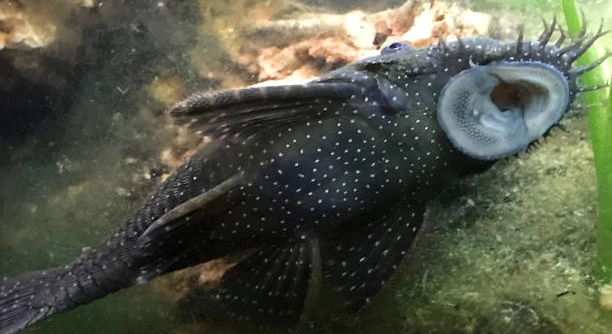
Do plecos in home aquariums ever change their eating habits when it comes to breeding? Many fishkeepers notice shifts in behavior during these periods, including changes in appetite and activity levels. Observing these behaviors can help maintain a healthy environment.
Plecos often reduce or stop eating during breeding periods. This behavior is a natural response linked to hormonal changes and protective instincts, allowing them to focus on reproduction and egg care rather than foraging for food.
Understanding this behavior can improve your care routine and ensure your plecos stay healthy during breeding periods. Proper observation can make all the difference in your aquarium.
Why Plecos Stop Eating During Breeding
Plecos often stop eating during breeding because their bodies prioritize reproduction over digestion. Hormonal changes trigger instinctive behaviors that focus on guarding eggs and maintaining territory. During this period, a pleco may hide more frequently and reduce its movement, conserving energy for protection. Many aquarists notice that males become particularly protective, staying close to the breeding site, cleaning surfaces, and even chasing other fish away. Females may reduce activity while preparing to lay eggs. This shift in routine often causes a temporary loss of appetite, which can seem alarming. It is important to recognize this as normal behavior rather than illness. Ensuring the tank environment remains stable, with clean water and appropriate hiding spaces, helps the plecos maintain health. Observing without interference allows the breeding process to proceed naturally, minimizing stress and supporting successful egg care and fry development in the aquarium.
The appetite reduction is temporary and tied to reproductive instincts. Plecos usually resume normal eating once breeding activity decreases and fry are independent.
Providing a balanced environment, including hiding spaces, proper water quality, and a calm atmosphere, supports plecos through breeding. Avoid overfeeding or forcing food, as this can stress them further. Observing behavioral cues helps in adjusting tank management, ensuring both adults and offspring remain healthy. Offering occasional vegetables or algae wafers near the breeding site may encourage minimal feeding without disrupting protective behaviors. Understanding these natural patterns prevents unnecessary worry and promotes a thriving aquarium where plecos can reproduce successfully while maintaining long-term health. Monitoring water parameters is crucial, as breeding can increase sensitivity to environmental changes. By respecting their instincts and needs, caretakers can witness successful breeding and the early growth of healthy fry.
Signs Plecos Are Not Eating Due to Breeding
Reduced feeding, increased hiding, and territorial guarding are clear indicators of breeding-related appetite changes. Males often remain near caves or chosen surfaces, displaying protective behaviors.
During breeding, plecos’ focus shifts almost entirely to reproductive tasks. Males may clean and guard a chosen nesting site, fanning eggs with their fins to provide oxygen while preventing fungal growth. Females may reduce movement, remaining near the nest or avoiding other fish. The shift in energy allocation naturally suppresses appetite, making food less important than reproductive success. Caretakers may notice plecos ignoring usual offerings, even preferred foods. This is not a sign of illness if the fish remain alert and active within their breeding area. Environmental stability is crucial, as changes in temperature, water quality, or sudden disturbances can stress breeding plecos. Supporting them with consistent conditions, such as maintaining proper pH, temperature, and hiding spots, helps breeding continue smoothly. Minimal feeding can occur without disrupting breeding, but patience is key. Observing behavioral cues ensures the plecos’ health while protecting the eggs, ultimately promoting successful fry hatching and survival.
How to Support Plecos During Breeding
Providing a stable tank environment is essential. Keep water parameters consistent and avoid sudden changes. Hiding spaces and caves allow plecos to feel secure while guarding eggs. Minimal feeding may be needed, focusing on easily digestible foods near their preferred areas.
Maintaining clean water with regular testing of ammonia, nitrite, nitrate, and pH helps reduce stress. Plecos are sensitive during breeding, and even minor fluctuations can impact egg survival. Avoid overcrowding the tank and limit disturbances from other fish or external activity. Using gentle filtration and moderate water flow allows plecos to guard their nesting sites effectively without being forced out. Observing their behavior daily helps detect any signs of stress or illness early, ensuring both adults and future fry remain healthy.
Offering small amounts of soft vegetables or algae wafers near the breeding site can support minimal feeding without disrupting protection behaviors. Avoid forcing food or overfeeding, as this may create tension or encourage aggression between plecos. Focus on providing a calm environment with proper hiding spots and minimal interference. By respecting natural instincts, plecos can complete the breeding process successfully, and fry survival rates are higher. Attention to environmental stability and subtle supplementation ensures healthy adults and strong offspring, making breeding periods manageable and productive.
Common Mistakes That Affect Pleco Appetite
Overfeeding and frequent tank disturbances often reduce breeding success. Plecos may stop eating if stressed or if food is offered in excess, which can harm egg development.
Introducing new fish, rearranging décor, or using strong filtration during breeding can unsettle plecos. Even minor disturbances, such as tapping the glass or sudden lighting changes, may cause males to abandon nests temporarily. Overfeeding can lead to poor water quality, increasing ammonia and nitrite levels, which directly impacts both adults and eggs. Removing food completely may seem logical, but providing small, controlled amounts supports health without compromising protective behaviors. Observing behavior and adjusting care practices in real time helps maintain appetite once breeding subsides.
Neglecting water quality and ignoring hiding spaces are frequent errors. Plecos rely on stable conditions to feel secure enough to guard eggs, and poor parameters can cause stress-induced anorexia. Avoid strong water currents that disturb nests, and monitor temperature to remain within optimal breeding ranges. Using minimal handling and gentle maintenance routines reduces stress, allowing plecos to focus on reproduction. Proper balance between feeding, water care, and environmental stability prevents complications, ensuring both adults and fry remain healthy. Recognizing these common mistakes helps improve breeding outcomes while maintaining long-term fish welfare.
Adjusting Feeding During Breeding
Offer food sparingly to avoid disturbing the breeding plecos. Focus on small, soft portions placed near their hiding or nesting areas.
Avoid forcing plecos to eat. Their natural instincts prioritize egg care over feeding. Small, infrequent meals maintain minimal nutrition without stressing them.
Best Foods for Minimal Feeding
During breeding, soft vegetables like zucchini, cucumber, or spinach work well. Algae wafers can be placed close to nesting sites for easy access. These foods are gentle on digestion and allow plecos to feed without leaving their protective positions. Avoid hard or large foods that require extensive movement or risk interfering with egg care. Monitoring how much they consume helps prevent water quality issues while still supporting basic nutrition. Minimal feeding ensures adults stay healthy without compromising breeding behavior or fry safety, providing an effective balance between nourishment and reproductive focus.
Monitoring Pleco Behavior
Observe plecos daily for signs of stress, aggression, or unusual hiding. These behaviors indicate whether adjustments in care are needed.
FAQ
Do plecos always stop eating when breeding?
Not all plecos stop eating completely, but most reduce their intake significantly. Appetite changes are a natural response to hormonal shifts and reproductive instincts. Males guarding eggs or fry may refuse food for days, focusing energy on protection rather than feeding. Females often eat minimally while preparing to lay eggs.
How long will a pleco go without food during breeding?
The fasting period varies depending on species and environmental conditions. Some plecos may skip feeding for a few days, while others can last one to two weeks without serious health effects. Regular observation is important to ensure the fish remains alert and active.
Should I try to feed breeding plecos?
Feeding can be offered but should be minimal and easy to access. Soft vegetables, algae wafers, or small portions of prepared foods placed near nesting sites allow plecos to feed without leaving eggs unguarded. Avoid overfeeding, which can create stress or water quality issues.
Can fasting affect egg development?
Short-term fasting generally does not harm egg development. Plecos have adapted to survive brief periods without food during reproduction. Problems only arise if fasting extends unusually long or environmental conditions are poor. Consistent water quality and stress-free conditions are more critical for successful breeding.
Why does a male pleco guard the nest and ignore food?
Male plecos have a strong instinct to protect eggs and fry. Guarding includes fanning the eggs, cleaning the surface, and chasing intruders. Energy is diverted from feeding to ensure offspring survival, which is why males may seem uninterested in food.
What are signs that a breeding pleco is unhealthy?
Even during reduced feeding, a healthy pleco should be alert, responsive, and maintain its position near the nest. Lethargy, unusual floating, rapid gill movement, or visible injuries indicate health issues. Immediate water testing and careful observation are needed to address potential problems.
How can I encourage minimal feeding without disrupting breeding?
Place small portions of soft vegetables or algae wafers directly near hiding or nesting spots. Offer food at times when plecos are slightly more active, such as early morning or late evening, but avoid forcing them to leave their territory. Monitoring consumption ensures they get necessary nutrition.
Will plecos resume normal eating after breeding?
Yes, most plecos gradually return to regular feeding patterns once eggs hatch and fry are less vulnerable. Appetite increases slowly, so continue offering suitable foods until normal behavior is fully restored. Maintaining stable water conditions supports a smooth transition.
Does the type of pleco affect fasting behavior?
Yes, some species reduce feeding more drastically than others. Common plecos like the common pleco or bristlenose may fast several days, while smaller species may eat more frequently. Understanding species-specific habits helps adjust care during breeding periods.
Can stress make plecos stop eating outside of breeding?
Stress from poor water quality, sudden changes, or overcrowding can mimic breeding fasting behavior. Identifying the cause is important, as stress-related anorexia requires intervention, unlike natural fasting during reproduction. Regular monitoring and maintaining a calm environment prevent unnecessary fasting outside of breeding.
How important is hiding space for appetite and breeding?
Hiding spaces are essential. They reduce stress, allow plecos to guard eggs safely, and enable minimal feeding without exposing them to threats. Providing caves, tubes, or dense décor ensures plecos feel secure and continue natural breeding behavior while maintaining health.
Is it normal for females to eat even less than males?
Females may eat less during egg-laying preparation. They often remain near nesting areas but are less active than males. Limited feeding is common and generally does not affect long-term health, provided water quality remains stable and they regain appetite after reproduction.
What should I do if plecos refuse food for more than two weeks?
Extended fasting may indicate environmental issues, illness, or stress. Test water parameters, reduce disturbances, and observe closely for disease signs. If health declines, consult an aquatic specialist. Minimal feeding near the nest may help, but intervention is sometimes necessary.
Can fry survival be impacted by adult fasting?
Adult fasting does not usually harm fry if adults continue proper egg care. Male guarding and female preparation behaviors are more important than feeding during early stages. Stable conditions and minimal interference are key to high fry survival rates.
How can I track when breeding plecos return to normal feeding?
Observe their movement, frequency of leaving the nest, and willingness to eat offered foods. Gradual increases in feeding behavior indicate recovery. Maintaining consistent feeding routines and providing soft foods helps monitor their transition without stressing the fish.
Are there differences in fasting between tank-bred and wild plecos?
Wild plecos may tolerate longer fasting due to natural survival adaptations, while tank-bred plecos often resume feeding sooner. Environmental consistency and reduced stress in aquariums can make domesticated plecos more predictable in feeding patterns during breeding.
Can I use supplements to support fasting plecos?
Supplements are generally unnecessary if water quality and minimal feeding are maintained. Overuse can create water quality issues or stress plecos. Focus on proper vegetables and algae wafers for nutrition and maintain calm conditions to support breeding and health naturally.
What environmental factors help plecos maintain health while fasting?
Stable temperature, clean water, adequate hiding spaces, and low disturbance are critical. Proper oxygenation and moderate filtration prevent stress and support normal reproductive behavior, ensuring plecos remain healthy despite reduced feeding.
How do I know if fasting is causing stress rather than normal breeding behavior?
Indicators include erratic swimming, lethargy, pale coloration, or visible injuries. Normal breeding fasting involves alert, protective behavior near eggs or fry. Close observation and testing water parameters help distinguish between stress and natural reproductive fasting.
Can multiple plecos in the same tank affect feeding during breeding?
Yes, competition or territorial disputes can exacerbate fasting behaviors. Ensuring enough hiding spaces and separate territories reduces conflict. Minimal food can be offered in multiple locations to prevent aggression while allowing natural reproductive behavior to continue.
How do I balance feeding with protecting water quality?
Offer small, controlled portions directly near plecos’ hiding areas. Remove uneaten food promptly to prevent ammonia spikes. Maintaining stable water parameters ensures fasting during breeding does not harm adult health or future fry survival.
Are there signs that plecos are ready to eat again after breeding?
Increased movement away from nests, curiosity toward food, and gradual nibbling indicate recovery. Appetite returns slowly, so continue small, frequent feedings while monitoring water conditions to support their transition back to normal eating habits.
Does fasting affect long-term health of plecos?
Short-term fasting during breeding rarely affects long-term health if water quality remains stable and stress is minimized. Plecos are adapted to temporary reductions in feeding during reproduction, and normal feeding resumes once breeding concludes. Proper care ensures ongoing adult vitality and successful future breeding cycles.
What is the best approach to care for fasting plecos?
Observe behavior, maintain water stability, offer minimal soft foods near nests, avoid disturbances, and monitor health closely. Respecting natural instincts and providing secure environments ensures healthy adults and successful fry development during and after breeding.
Final Thoughts
Understanding pleco behavior during breeding is essential for any aquarist hoping to support healthy fish and successful reproduction. Plecos naturally reduce their appetite during this time, which can appear alarming if you are unfamiliar with their habits. This behavior is linked to hormonal changes that prioritize reproduction and egg care over feeding. Both males and females adjust their activity levels and energy allocation, often hiding more, guarding nests, and focusing on reproductive tasks. Recognizing these natural instincts helps caretakers provide the proper environment while avoiding unnecessary stress or interventions. Patience is key, as forcing food or attempting to alter their behavior can cause tension, disrupt breeding, and negatively affect water quality. Observing the plecos’ routines and understanding these patterns provides reassurance and ensures that their needs are met without interference.
Providing a stable and supportive environment is one of the most effective ways to assist plecos during breeding. Clean water, appropriate hiding spaces, and minimal disturbances allow them to focus on egg protection without the pressure to feed. Soft vegetables or algae wafers can be offered near nesting areas to provide minimal nutrition if needed, but overfeeding should be avoided, as excess food can deteriorate water quality and stress the fish. Regular observation of behavior, rather than focusing solely on feeding habits, is a more accurate way to gauge their health during this period. By maintaining consistency in temperature, filtration, and décor, plecos feel secure enough to continue natural breeding activities. This balance between support and non-interference promotes both adult health and higher fry survival rates.
Breeding periods are a critical time for plecos, requiring careful attention and understanding from caretakers. While reduced appetite may seem worrying, it is a normal and temporary phase that allows plecos to perform essential reproductive behaviors. Once breeding concludes, most plecos gradually return to their regular feeding patterns and daily routines. Maintaining stable tank conditions throughout this time ensures that both adults and fry remain healthy, reducing the risk of illness or stress-related complications. By respecting their natural instincts, providing minimal support, and observing behavioral cues, aquarists can foster a successful and low-stress breeding environment. Understanding these elements not only improves outcomes for plecos during reproduction but also enhances long-term care strategies, ensuring that adult fish remain strong and fry have the best possible start in the aquarium.

Hello,
If you enjoy the content that we create, please consider saying a "Thank You!" by leaving a tip.
Every little bit helps us continue crafting quality advice that supports the health, happiness, and well-being of pets around the world, for pets of all shapes, sizes, and species.
We really appreciate the kindness and support that you show us!