
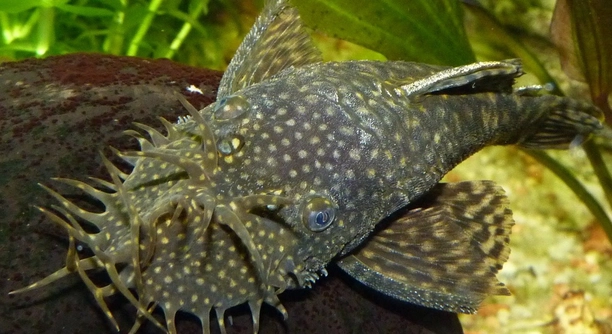
Have you noticed your pleco acting differently lately, maybe hiding more or refusing to eat? Sometimes, these changes can indicate that something isn’t quite right with your aquatic friend’s health or environment.
Certain pleco behaviors, such as excessive hiding, rapid gill movement, or erratic swimming, often signal stress or illness. These actions can stem from poor water quality, improper diet, or unsuitable tank conditions that disrupt their well-being and natural behavior patterns.
Recognizing these warning signs early helps prevent serious issues and keeps your pleco healthy, comfortable, and thriving in its tank environment.
Excessive Hiding
When your pleco starts hiding more than usual, it often means it’s feeling stressed or uncomfortable. While plecos are naturally shy, staying hidden for long periods can indicate issues like poor water quality, overcrowding, or sudden changes in their environment. A pleco that rarely comes out to feed or interact may also be struggling with illness or territorial stress from other fish. Maintaining stable water parameters, providing proper filtration, and offering enough hiding spots can help reduce stress. Observe your pleco’s habits closely to identify what might be causing it to retreat more than normal.
A consistent hiding pattern combined with loss of appetite or pale coloring can signal serious stress. It’s important to check your tank conditions immediately and ensure your pleco isn’t being bullied by tank mates.
Plecos thrive in calm, clean environments. Keep lighting low, perform regular water changes, and avoid sudden tank rearrangements. When your pleco feels secure and undisturbed, it will naturally become more active. Observing it during nighttime, when plecos are most lively, can also give better insight into its behavior and comfort level. Creating a stable setup helps prevent long-term stress and allows your pleco to develop healthier, more natural routines without constant hiding or fear.
Loss of Appetite
A pleco that stops eating is almost always showing signs of discomfort or illness. Appetite loss can result from poor water conditions, overfeeding, or an unbalanced diet. Identifying the cause early prevents more serious problems from developing.
Plecos rely heavily on a proper mix of plant-based and protein foods. When they stop eating, it can indicate issues such as high ammonia levels, lack of oxygen, or an unsuitable diet. Test your water regularly to ensure the levels of ammonia, nitrite, and nitrate are within safe limits. If the water is stable, review your feeding routine. Offer sinking wafers, fresh vegetables like zucchini or cucumber, and occasional protein-based treats. Some plecos may stop eating if they are fed the same food continuously, so rotating their diet keeps them interested and nourished. If your pleco continues to refuse food after environmental checks and dietary changes, consult an aquatic specialist to rule out infections or internal parasites that may be affecting its digestion or overall health.
Erratic Swimming
Erratic swimming in plecos often signals discomfort or poor tank conditions. Rapid, uncoordinated movement or darting to the surface can indicate oxygen deprivation, toxins in the water, or sudden changes in temperature affecting their stability and stress levels.
Poor water quality is one of the main triggers for erratic swimming. Ammonia and nitrite spikes can irritate a pleco’s gills, causing it to move frantically. Low oxygen levels also force plecos to swim toward the surface seeking relief. To prevent this, maintain stable water parameters, perform regular water changes, and ensure proper aeration. Avoid overfeeding, as decomposing food contributes to poor water conditions that stress your fish.
If your pleco continues to swim abnormally after the water is balanced, inspect for signs of parasites or bacterial infections. Subtle changes like clamped fins or body sores can reveal underlying illness. In these cases, isolation and targeted treatment are essential to prevent worsening symptoms.
Rapid Gill Movement
Rapid gill movement is a clear sign of stress or oxygen deficiency. Plecos breathe faster when they struggle to get enough oxygen or when toxins like ammonia are irritating their gills. Ignoring this behavior can quickly lead to health complications.
Poor water quality, excessive heat, or a lack of surface agitation are common causes of rapid gill movement. Increasing aeration and maintaining an optimal temperature range between 72–82°F can help your pleco breathe comfortably. A buildup of waste materials or leftover food in the tank also reduces oxygen levels, so consistent cleaning is important. If your pleco’s gills remain flared and movement persists after improving conditions, consider testing for high ammonia or nitrite levels immediately. Chronic stress weakens their immune system, making them more susceptible to infections. Acting early ensures your pleco returns to steady, calm breathing and maintains good health in a balanced aquatic environment.
Faded or Pale Coloring
A pleco’s color fading can be a sign of stress, poor nutrition, or sudden changes in lighting or temperature. Consistent dullness may also indicate a weakened immune system caused by poor water conditions or nutritional deficiencies.
Stressful environments and unbalanced diets often lead to noticeable color loss. Keeping stable water parameters, minimizing bright light exposure, and offering a varied diet rich in vegetables and algae-based foods help restore natural coloration.
Clamped Fins
Clamped fins, where the pleco holds its fins tightly against its body, often signal discomfort or illness. This can result from poor water quality, low temperatures, or infections like fin rot. Addressing the root cause promptly prevents further health decline and restores your pleco’s normal posture.
Regular tank maintenance and consistent water testing are crucial for preventing clamped fins. Ensure your pleco has enough space, clean hiding spots, and stable water temperatures. A balanced diet also supports fin health, helping your pleco maintain energy and a relaxed, natural appearance.
Unusual Lethargy
Lethargy in plecos often points to illness, stress, or poor water conditions. When your pleco stays motionless for long periods or stops its normal nighttime activity, check for low oxygen levels, unsuitable temperatures, or internal infections that might be affecting its energy.
FAQ
Why is my pleco staying in one spot all day?
Plecos are nocturnal, meaning they are most active at night and prefer resting during the day. However, if your pleco remains motionless for unusually long periods, it could indicate stress, poor water quality, or lack of oxygen. Check your tank’s ammonia, nitrite, and nitrate levels, as even slight imbalances can affect behavior. Also, ensure there’s enough oxygen flow from air stones or filters. If your pleco continues to stay still despite stable conditions, look for signs of illness such as cloudy eyes, pale patches, or labored breathing.
Why is my pleco hiding all the time?
Hiding is a natural part of pleco behavior, especially during the day. However, excessive hiding can suggest your pleco feels unsafe, overexposed, or stressed by tank mates. Providing caves, driftwood, and shaded areas helps create a sense of security. Ensure that the lighting isn’t too bright and that aggressive fish aren’t causing constant stress. If hiding persists along with loss of appetite or pale coloring, it might point to illness or poor water conditions that need attention.
What causes my pleco to stop eating?
A pleco refusing food usually signals that something in its environment is off. Poor water conditions, sudden temperature changes, or a repetitive diet can lead to appetite loss. Make sure to vary its diet with sinking algae wafers, vegetables like zucchini or cucumber, and occasional protein-based treats. Regularly test water parameters, as even minor ammonia spikes can discourage feeding. If appetite loss continues for more than a few days, consult a professional to check for internal parasites or infections.
Why does my pleco breathe rapidly?
Rapid gill movement often means your pleco isn’t getting enough oxygen. This can happen in overcrowded tanks, during hot weather, or if filters aren’t circulating the water properly. Increase surface agitation by adjusting your filter flow or adding an air stone. Check for high ammonia or nitrite levels, which can burn the gills and make breathing painful. Stable temperatures, clean water, and adequate oxygen flow usually help your pleco return to normal breathing patterns within a few days.
Why is my pleco’s color fading?
Faded coloring is often caused by stress, poor nutrition, or dirty water. Plecos need a clean, stable environment and a nutrient-rich diet to maintain their color. Overexposure to bright light can also cause their natural hues to fade. Try dimming the lighting and offering algae-based foods or blanched vegetables to restore vibrancy. If fading occurs along with lethargy or unusual spots, it could signal a bacterial or parasitic infection that needs immediate care.
Why is my pleco swimming erratically?
Erratic swimming can indicate your pleco is stressed or struggling with toxins in the tank. Ammonia or nitrite spikes are the most common cause, as they irritate the gills and disrupt normal movement. Sudden temperature shifts or loud vibrations can also trigger frantic behavior. Stabilize the water conditions, check oxygen levels, and minimize external disturbances around the tank. In persistent cases, look for signs of infection or parasites that might be affecting your pleco’s balance or comfort.
How can I tell if my pleco is sick?
Signs of illness in plecos include loss of appetite, clamped fins, faded color, erratic movement, and spending too much time near the surface or hiding. You might also notice visible changes like white patches, sores, or swollen areas. Sick plecos often breathe faster or appear sluggish. Isolating the affected fish helps prevent spreading disease, especially if you suspect a bacterial or parasitic issue. Maintain consistent water quality, perform small frequent water changes, and avoid overfeeding during recovery.
How do I keep my pleco healthy and active?
Regular tank maintenance, a balanced diet, and a peaceful environment are essential. Keep water clean with weekly partial changes, provide plenty of hiding spaces, and avoid keeping aggressive tank mates. Feed your pleco a mix of algae wafers, vegetables, and protein-based treats for proper nutrition. Monitor their behavior daily for changes, and test water parameters routinely to catch problems early. Consistency in care keeps your pleco vibrant, active, and stress-free, ensuring long-term health and a thriving tank environment.
Final Thoughts
Keeping a pleco healthy involves more than just regular feeding; it requires attention to detail, patience, and consistency. These peaceful bottom dwellers play an important role in maintaining tank cleanliness, but they also rely heavily on stable conditions and proper care to stay active and vibrant. Changes in their behavior, like hiding too much, losing color, or showing signs of stress, are often early indicators that something in their environment is off balance. Observing your pleco daily, keeping up with water testing, and maintaining a calm, stable setup are key to preventing serious problems before they develop. A balanced diet, clean substrate, and adequate space help your pleco thrive and maintain its natural beauty for years.
When a pleco begins showing signs of distress, it’s important to act quickly but calmly. Small adjustments—like improving water quality, increasing oxygen flow, or reducing bright lighting—can make a significant difference. Plecos are sensitive creatures that respond well to gradual, consistent care. Sudden changes, overcrowding, or neglecting routine maintenance often lead to stress-related behaviors and illness. By maintaining a clean tank and monitoring temperature, pH, and filtration, you can ensure your pleco has the best possible environment to recover and stay strong. Remember, each pleco species may have slightly different needs, so understanding the specific requirements of your fish helps you create an ideal habitat that supports both health and longevity.
A healthy pleco is an active, well-colored, and content fish that contributes to a balanced aquarium ecosystem. Recognizing troubling behaviors early and taking simple, consistent steps to correct them will make caring for your pleco more rewarding and less stressful. Clean water, varied nutrition, and a peaceful tank environment are the foundation of good care. Over time, you’ll learn to recognize your pleco’s normal habits and moods, which makes spotting issues easier. By being attentive and proactive, you not only ensure your pleco’s well-being but also create a thriving aquatic space for all your fish. Caring for plecos is about balance—maintaining harmony between the environment, feeding, and routine. With a little care and awareness, your pleco will continue to grow, explore, and add life to your aquarium for many years to come.

Hello,
If you enjoy the content that we create, please consider saying a "Thank You!" by leaving a tip.
Every little bit helps us continue crafting quality advice that supports the health, happiness, and well-being of pets around the world, for pets of all shapes, sizes, and species.
We really appreciate the kindness and support that you show us!