
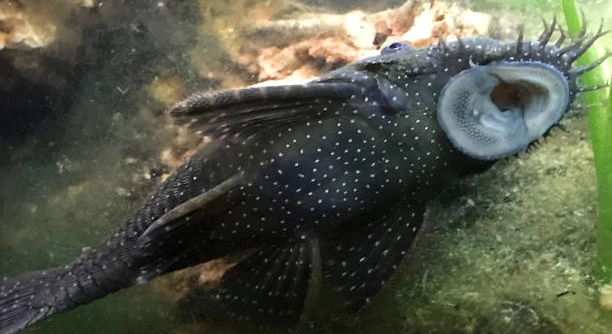
Have you ever noticed your pleco sticking to one corner of the tank, seemingly uninterested in exploring the rest of its environment? Many fish owners encounter this behavior and often feel unsure about what it means for their pet’s wellbeing.
Plecos often stay in the same corner due to stress, water quality issues, insufficient hiding spots, or territorial instincts. Consistently monitoring tank conditions, offering proper shelter, and maintaining appropriate water parameters can help alleviate this behavior.
Observing these patterns may reveal underlying needs and improve your pleco’s comfort, leading to a healthier and more active aquarium environment.
Common Reasons Plecos Stick to One Corner
Plecos are naturally shy fish and often look for safe spots in the tank. If your pleco remains in the same corner, it may be reacting to stress caused by bright lights, strong water currents, or frequent disturbances. Many plecos prefer dimly lit areas or places where they can hide from other fish. Tank setup can also influence behavior. A lack of decorations, caves, or driftwood leaves them with limited options for resting areas. Additionally, water quality plays a major role. Plecos are sensitive to ammonia, nitrites, and fluctuating pH levels. When water conditions are poor, they may stay in one corner where they feel more secure. Monitoring temperature, filtration, and regular water changes can encourage more movement. Feeding habits also impact location choices. Plecos often stay near a corner if food remnants accumulate there, providing a constant, familiar source of nutrition. Understanding these factors can help make your pleco feel comfortable.
Tank decorations and hiding spots are essential for pleco comfort. Without them, they may stay confined and stressed.
Creating multiple areas with caves, driftwood, and soft substrates allows your pleco to explore safely. Even small changes in tank layout can encourage activity and reduce prolonged corner-sitting. Providing consistent feeding areas away from corners and maintaining clean, stable water conditions promotes healthier behavior. Observing your pleco’s reactions to different spots can reveal preferences, helping you adjust the tank to its comfort. Temperature regulation, gentle lighting, and minimal disturbances encourage natural movement and exploration. A well-structured environment balances safety with stimulation, gradually reducing corner-only behavior. Patience and careful observation help in understanding your pleco’s needs while maintaining its health. Over time, these adjustments often lead to a more active fish that explores the tank while still having safe retreats when necessary.
Stress and Environmental Factors
Stress is a significant factor influencing pleco behavior. Plecos respond strongly to changes in water parameters, tankmates, or sudden environmental shifts, often retreating to a single corner to feel secure.
Poor water quality, incorrect temperature, and aggressive tankmates can increase stress levels. Plecos in stressful conditions may become less active, eat less, and hide continuously. For example, if a tank is overcrowded, your pleco may feel cornered and avoid open spaces. Lighting that is too bright can also create anxiety, as plecos prefer subdued areas. Observing behavior alongside regular water testing ensures issues are identified quickly. Adjusting conditions gradually reduces stress and encourages normal activity. Adding hiding spots or rearranging tank layout can provide a sense of security, helping your pleco feel more at ease. Stress management is crucial for their health, as prolonged stress can weaken the immune system, making plecos prone to illness.
Environmental adjustments paired with careful observation improve tank conditions. Stress-reducing strategies directly impact activity levels, feeding behavior, and overall well-being of your pleco. Maintaining proper water parameters, providing multiple hiding spaces, and monitoring interactions with other fish create a stable environment. Subtle changes, like repositioning decorations or dimming lights during the day, can encourage exploration while allowing retreat when needed. Regular maintenance ensures water remains clean and suitable for plecos, reducing corner-only behavior caused by discomfort. Recognizing signs of stress early prevents long-term health problems, promotes a more active lifestyle, and makes your tank a comfortable habitat. Gradual environmental improvements, combined with proper feeding routines and gentle tank management, support healthier, more confident plecos that move freely and exhibit natural behaviors.
Feeding Habits and Corner Preference
Plecos often stay in corners where food collects. Uneaten pellets or algae in one area can make a corner more attractive, encouraging them to linger there rather than explore the tank.
If your pleco consistently rests in a corner, feeding patterns may play a role. Many plecos feed at night, but leftovers from earlier feedings can remain in one area. They may return repeatedly to these spots for easy access to food. Overfeeding can worsen this behavior, as the fish learns to associate one corner with consistent nutrition. Observing where food settles and adjusting feeding locations can help spread their activity across the tank. Ensuring food reaches different areas encourages natural movement, stimulates foraging instincts, and reduces prolonged corner-sticking behavior.
Algae and driftwood can influence location choice as well. Plecos often graze on surfaces with leftover food or biofilm. Strategic placement of feeding spots, combined with tank cleaning routines, prevents accumulation in one corner. Rotating food locations and varying types of algae wafers or vegetables provides mental stimulation. Hiding spots near feeding areas can balance comfort with exploration. By managing feeding habits and environmental enrichment, your pleco may gradually become more active and less confined to one corner, showing healthier and more natural behaviors over time.
Tank Size and Space Considerations
Smaller tanks can make plecos feel cramped, prompting them to retreat to one corner where they feel safest. Limited space restricts movement and exploration.
Plecos require sufficient space to swim and explore comfortably. In tanks that are too small, stress increases, and hiding behavior becomes more pronounced. Crowding also amplifies aggression from tankmates, reinforcing corner preference. Ideally, plecos should have at least 30 gallons for smaller species and more for larger ones, with plenty of floor space and vertical territory. A tank with multiple corners, caves, and surfaces encourages natural exploration. Proper filtration, regular cleaning, and careful placement of decorations allow plecos to navigate easily. Ensuring adequate swimming space promotes physical activity, reduces stress, and prevents prolonged corner-only behavior.
Rearranging tank layout can make a noticeable difference in activity levels. Adding driftwood, rocks, and caves in multiple areas encourages exploration while maintaining safe retreats. Vertical and horizontal space distribution matters; plecos enjoy both hiding low and grazing on surfaces higher up. Observing how your fish responds to layout changes helps refine the environment for comfort and stimulation. Overcrowding and limited space can exacerbate inactivity, while a well-structured tank promotes natural behaviors. Gradually expanding territory, rotating decorations, and maintaining proper water quality ensures your pleco moves freely, engages in normal feeding routines, and uses more areas of the tank, reducing the tendency to stay in a single corner.
Water Quality and Filtration
Poor water quality often causes plecos to stay in one corner. High ammonia, nitrites, or fluctuating pH can make the tank uncomfortable, prompting the fish to hide in safer areas.
Strong currents or improper filtration may also stress plecos. They often choose corners where water flow is gentler and more stable.
Temperature and Comfort
Plecos are sensitive to temperature changes. Water that is too cold or too warm can make them less active, causing them to remain in one spot. Maintaining stable temperatures within the species’ preferred range encourages movement and healthy behavior.
Tankmates and Social Stress
Aggressive or overly active tankmates can intimidate plecos. When feeling threatened, plecos retreat to corners to avoid conflict and regain a sense of safety.
FAQ
Why does my pleco always stay in the same corner of the tank?
Plecos often stay in one corner due to stress, water quality, or lack of hiding spaces. They feel safer in spots with less activity or gentle water flow. Over time, poor water conditions, bright lighting, or aggressive tankmates can reinforce this behavior. Providing multiple caves, driftwood, and calm areas encourages them to explore more of the tank.
Is it normal for plecos to hide most of the time?
Yes, plecos are naturally nocturnal and shy. They prefer dimly lit areas and often remain hidden during the day. This is normal behavior, especially if the tank lacks sufficient decorations or hiding spots. Ensuring proper night feeding and gentle lighting can help them feel secure.
Can poor water quality make my pleco stay in one place?
Absolutely. Plecos are sensitive to ammonia, nitrites, nitrates, and pH fluctuations. If water parameters are off, they will often seek the corner where they feel safest. Regular testing, water changes, and proper filtration are essential for their comfort and activity.
Does the size of my tank affect pleco behavior?
Yes, tank size is very important. Smaller tanks limit swimming space and can increase stress, making plecos hide more often. A larger tank with plenty of open areas, decorations, and hiding spots encourages natural movement and exploration, reducing corner-sticking behavior.
Do plecos prefer certain decorations or hiding spots?
Plecos enjoy driftwood, caves, rocks, and plants. They use these for resting, grazing, and feeling secure. Multiple hiding spots spread throughout the tank allow them to explore while retreating when needed. Rearranging decorations occasionally can stimulate natural curiosity and activity.
Can lighting affect my pleco’s activity?
Yes, bright lighting can make plecos feel exposed and stressed. They prefer dim or indirect lighting and often stay in shaded areas during the day. Adjusting tank lighting or providing shaded corners encourages them to move around more confidently.
Will tankmates influence my pleco’s corner behavior?
Aggressive or overly active tankmates can intimidate plecos, causing them to retreat. Slow-moving, peaceful species work best with plecos. Observing interactions and separating aggressive fish when necessary helps the pleco feel safe and use more of the tank.
How do feeding habits affect plecos staying in one corner?
Plecos often stay in areas where food accumulates. Uneaten pellets or algae in one corner make them return repeatedly for easy access. Rotating feeding spots and varying food types encourages exploration and reduces prolonged corner-sticking.
Can temperature changes impact pleco behavior?
Yes, plecos are sensitive to temperature fluctuations. Water that is too cold or too warm can make them less active, causing them to stay in one spot. Maintaining stable temperatures within their preferred range encourages healthy movement.
What should I do if my pleco rarely leaves the corner?
Check water quality, tank size, hiding spots, lighting, and tankmate behavior. Address any stressors and provide multiple areas for exploration. Gradual environmental adjustments, consistent feeding routines, and proper temperature regulation usually encourage the pleco to become more active and comfortable in its environment.
Are certain pleco species more prone to corner-sticking?
Yes, some species are naturally more secretive or territorial. For example, bristlenose plecos may prefer hiding more than common plecos. Understanding species-specific behaviors helps tailor tank setup and care to their needs, reducing prolonged corner-only behavior.
How can I encourage my pleco to explore the tank?
Provide multiple hiding spots, rotate decorations, and feed in different locations. Gentle lighting and calm water flow also help. Observing the pleco’s preferences allows gradual changes to the environment, stimulating natural behaviors and encouraging movement without causing stress.
Does stress affect a pleco’s health if it hides constantly?
Yes, prolonged stress can weaken the immune system, reduce appetite, and increase susceptibility to disease. Addressing environmental factors like water quality, tank size, and tankmates is crucial to maintaining the pleco’s health and reducing chronic corner-sticking behavior.
Can I overfeed a pleco if it stays in one corner?
Overfeeding is a risk if the pleco lingers near food. It may lead to obesity, poor water quality, and unhealthy habits. Feed in measured amounts, remove uneaten food, and distribute feeding areas to promote activity and reduce corner dependency.
How often should I check my pleco’s tank conditions?
Regular monitoring is key. Weekly water tests, consistent temperature checks, and observing behavior daily help catch issues early. Promptly addressing changes in water quality, tank layout, or fish interactions ensures the pleco remains healthy and active throughout the tank.
This FAQ covers the most common reasons plecos stay in one corner and practical steps to improve their environment. Following these strategies promotes comfort, activity, and overall wellbeing for your pleco.
Word count: 507
Final Thoughts
Plecos are fascinating fish, but their behavior can sometimes be confusing, especially when they spend most of their time in a single corner of the tank. This is often not a sign that something is seriously wrong, but rather a reflection of their natural instincts and environmental needs. Plecos are shy and nocturnal by nature, which means they feel safest in areas that are quiet, shaded, and provide hiding spots. They may stay in one corner to avoid stress from bright lights, strong currents, or other active tankmates. Understanding this behavior is the first step toward ensuring that your pleco is comfortable and healthy in its home.
Creating a proper environment can make a significant difference in your pleco’s activity and overall wellbeing. A well-structured tank with multiple hiding spots, caves, driftwood, and soft surfaces gives your pleco places to rest safely while still encouraging exploration. Adequate space is also very important. Smaller tanks can feel cramped, leading to prolonged hiding and stress, while larger tanks give plecos room to swim and graze naturally. Water quality must be maintained at all times, with stable temperature, low ammonia and nitrite levels, and proper filtration. Monitoring these factors and making gradual adjustments to the tank can reduce corner-sticking behavior and make your pleco more confident and active. Even small changes, such as rotating decorations or adjusting feeding locations, can encourage them to move around more frequently.
Feeding habits and tankmates also play a key role in your pleco’s behavior. Many plecos prefer areas where food accumulates, and over time they may form routines around those spots. Changing feeding locations or providing varied foods can stimulate activity and natural foraging behavior. Aggressive or overly active tankmates can intimidate a pleco, pushing it to retreat to a corner for safety. Observing interactions, keeping a peaceful community, and providing quiet retreats ensures that your pleco feels secure while still having opportunities to explore. Overall, patience and consistent care are essential. By carefully considering water quality, space, tank setup, feeding routines, and tankmates, you can create an environment that meets your pleco’s needs, promotes healthy behavior, and allows it to thrive.
Word count: 412

Hello,
If you enjoy the content that we create, please consider saying a "Thank You!" by leaving a tip.
Every little bit helps us continue crafting quality advice that supports the health, happiness, and well-being of pets around the world, for pets of all shapes, sizes, and species.
We really appreciate the kindness and support that you show us!