
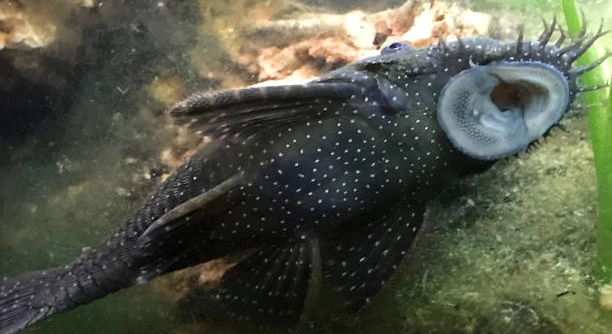
Are your plecos refusing to breed even when everything seems perfectly set up in their tank? Breeding these fascinating fish can sometimes be tricky, especially when small changes disrupt their natural cycles and behaviors.
Several factors can interfere with pleco breeding cycles, including unstable water parameters, inadequate hiding spaces, poor diet, and stress caused by tank mates or frequent disturbances. These conditions can prevent spawning, delay egg development, or even stop breeding behaviors altogether.
Understanding these disruptions will help you create a stable environment where your plecos can thrive and breed successfully without unnecessary stress or complications.
Unstable Water Conditions
When breeding plecos, maintaining stable water quality is essential. Even minor fluctuations in temperature, pH, or hardness can disrupt their breeding rhythm. Plecos rely on consistent parameters to trigger spawning behavior, and any imbalance can cause stress that leads to inactivity. Water temperature should remain between 78–82°F, and pH levels must be slightly acidic to neutral, around 6.5–7.5. Ammonia and nitrite levels should always stay at zero, with nitrates kept low through regular water changes. Clean water encourages breeding readiness, while poor quality can delay or completely stop reproduction. Paying close attention to these details often determines whether your plecos spawn successfully or not.
When water parameters fluctuate too often, plecos may abandon their nesting sites and lose interest in breeding. Regular monitoring using a reliable test kit ensures consistency, helping you avoid unwanted surprises that may affect their health and natural breeding patterns.
Stable water conditions create a sense of security that encourages plecos to breed naturally. With consistency and patience, you can help them feel comfortable enough to spawn without disruption or stress-related setbacks that may interfere with their breeding success.
Inadequate Hiding Spaces
Plecos are shy and territorial, needing private areas to feel secure during breeding. Without proper hiding spots like caves or driftwood, males may struggle to attract females or guard eggs effectively. Providing enough shelters reduces aggression and boosts breeding activity.
Caves are crucial because plecos use them as breeding chambers. The male pleco usually guards the eggs inside until they hatch, so a well-chosen cave mimicking their natural habitat helps protect both eggs and fry. These spaces should be slightly larger than the male’s body, ensuring he can enter comfortably but still defend the entrance. Smooth, dark materials such as clay or stone work best. You can also use driftwood and rocks to create secluded corners, giving each pleco enough territory. Having multiple hiding spots prevents fights and promotes calm interactions, making it easier for pairs to spawn successfully and raise healthy fry without interruption.
Poor Diet and Nutrition
A poor diet can easily disrupt pleco breeding. These fish require balanced nutrition to produce eggs and maintain energy during spawning. When their diet lacks variety or essential nutrients, breeding attempts often fail, and overall health begins to decline.
Feeding plecos a mix of protein and plant-based foods supports successful breeding. High-quality sinking pellets, algae wafers, blanched vegetables, and occasional protein sources like bloodworms or shrimp keep them in good condition. Females especially need nutrient-rich foods to produce viable eggs, while males benefit from energy-dense meals for nest guarding. Underfeeding or relying on one type of food can cause malnutrition, reducing breeding frequency and fry survival rates. A proper diet not only keeps them healthy but also promotes consistent spawning cycles.
Maintaining a steady feeding schedule ensures plecos receive consistent nourishment. Clean up any leftover food to prevent water pollution that could further disrupt their breeding environment and stress them unnecessarily.
Tank Mates and Stress
Aggressive or overly active tank mates can easily stress plecos, disrupting breeding behavior and causing them to hide constantly. Stress suppresses natural instincts, leading to fewer mating attempts and sometimes complete avoidance of breeding activity altogether.
When plecos share their space with fish that chase or disturb them, it becomes nearly impossible for them to establish secure breeding territories. Species like cichlids or large barbs often compete for space and intimidate plecos during nesting. Choosing peaceful tank mates like tetras, rasboras, or small catfish helps create a calm environment where plecos feel safe to spawn. Keep the tank large enough to minimize territorial conflicts and include plenty of hiding areas to separate species when needed. Lower stress levels lead to better breeding results, healthier eggs, and more active parental behavior from both males and females.
Inconsistent Lighting
Irregular lighting can interrupt pleco breeding patterns by confusing their natural day and night cycles. Too much light causes stress, while too little affects their activity levels. Maintaining a consistent 10–12-hour light schedule helps regulate behavior and encourages stable breeding conditions.
Sudden changes in lighting, such as turning lights on or off abruptly, can frighten plecos and disrupt spawning behavior. Using a timer to control lighting ensures gradual transitions that mimic natural daylight. This stability supports calmness and helps plecos maintain regular breeding cycles without unnecessary stress or confusion.
Overcrowded Tanks
An overcrowded tank can cause tension, especially when plecos are ready to breed. Too many fish create competition for space, oxygen, and food, leaving plecos unable to establish nesting territories. Keeping the tank spacious prevents aggression and allows natural breeding behaviors to occur without interruption or constant disturbance.
Poor Tank Maintenance
Neglecting tank upkeep affects water quality, leading to unstable conditions that prevent breeding. Regular cleaning, filter maintenance, and partial water changes are essential. A clean tank reduces stress, keeps parameters balanced, and helps plecos feel comfortable enough to breed successfully and care for their eggs properly.
FAQ
Why are my plecos not breeding even though the water conditions seem perfect?
Even with ideal parameters, breeding may not occur if other factors are off. Plecos need more than clean water—they require a secure environment, stable lighting, and proper nutrition. Stress from tank mates or sudden disturbances can easily stop spawning behavior. Try offering multiple caves or hiding spots and maintaining consistent temperature and pH levels. Feeding nutrient-rich foods such as algae wafers, blanched zucchini, and protein supplements like shrimp or bloodworms will encourage stronger breeding behavior. Sometimes, patience is also necessary, as plecos can take time to adjust before breeding comfortably.
How long does it take for plecos to breed once conditions are right?
Once all conditions are stable, it can take anywhere from a few days to a few weeks for plecos to start breeding. Males will first choose or clean a cave before attempting to attract a female. After the female deposits her eggs, the male guards them until they hatch, which usually takes about five to ten days, depending on the temperature. It’s important not to disturb the tank during this time, as stress can cause the male to abandon the nest or eat the eggs. Consistency and calm surroundings are key.
Can plecos breed in a community tank?
Breeding plecos in a community tank is possible, but it can be challenging. Other fish may disturb the breeding pair or eat the eggs once they’re laid. To increase success, provide plenty of hiding spaces and ensure tank mates are peaceful and non-aggressive. Avoid overstocking, as overcrowding leads to territorial stress. Ideally, move the breeding pair to a separate tank once spawning begins. This gives them privacy and helps protect the eggs from being eaten or damaged. Even if kept in a community setup, good tank structure and stable water quality make breeding more likely.
What temperature is best for breeding plecos?
Plecos generally breed best at temperatures between 78°F and 82°F. Cooler water can slow breeding activity, while higher temperatures may cause stress. Keeping the temperature stable is crucial because frequent fluctuations can disrupt their reproductive cycle. Using a reliable heater with a thermostat helps maintain the right range. Gradually raising the temperature by a few degrees can sometimes stimulate breeding behavior, especially if you mimic seasonal changes. However, always make adjustments slowly to avoid shocking the fish. Consistency is more important than exact numbers, as plecos thrive in steady, balanced conditions.
How can I tell if my plecos are preparing to breed?
You’ll notice the male spending more time inside or near a chosen cave, cleaning its interior and guarding the entrance. Females will appear fuller around the abdomen as eggs develop. When ready, the female will enter the male’s cave to lay eggs, and the male will stay to fertilize and guard them. During this time, plecos may become more territorial, especially the male. Avoid moving decorations or interfering with their space. Observing this behavior closely helps confirm that breeding is about to begin or is already happening.
What should I feed plecos before and after breeding?
Before breeding, feed a high-protein diet to help females produce healthy eggs and males gain strength for nest guarding. Include algae wafers, spirulina-based pellets, and vegetables like cucumber and zucchini. Adding occasional protein sources such as frozen bloodworms or shrimp enhances nutrition. After breeding, continue offering a balanced mix of protein and plant matter to help the parents recover. If fry hatch, feed them crushed algae wafers, boiled spinach, or specialized fry food. Consistent feeding and clean water promote strong fry growth and help adult plecos regain their strength quickly.
Do plecos eat their own eggs or fry?
Male plecos typically guard the eggs carefully, but in stressful conditions, they may eat them. This often happens if the male feels unsafe or the environment changes suddenly, such as shifts in lighting or water flow. Reducing disturbances during incubation prevents this issue. Some females may also consume eggs if they remain nearby too long after spawning. Once the fry hatch, providing plenty of hiding spots and keeping tank mates calm helps increase survival rates. Maintaining peace and consistent care is the best way to ensure successful rearing.
Is it normal for plecos to stop breeding after a successful spawn?
Yes, plecos often take breaks between breeding cycles. This rest period allows them to regain energy and recover physically. The length of this break depends on the species, tank conditions, and diet. Continue offering nutritious food and stable water parameters during this time. Eventually, the male will begin cleaning his cave again, signaling that another breeding attempt is near. Avoid rushing the process or changing too much in the tank. Consistency, patience, and proper care are what lead to long-term breeding success with plecos.
Final Thoughts
Breeding plecos can be deeply rewarding, but it requires patience, attention, and consistency. These fascinating fish depend on stable conditions and a peaceful environment to reproduce successfully. Each factor, from water quality to tank setup, plays a vital role in determining whether breeding efforts will succeed or fail. Small disruptions such as sudden lighting changes, aggressive tank mates, or irregular maintenance can easily throw off their rhythm. By observing their behavior closely and maintaining steady care routines, you can create an environment that supports natural breeding instincts. Plecos are resilient, but they thrive best when their surroundings remain predictable and stress-free. Understanding their needs not only promotes successful breeding but also ensures healthier, longer-living fish overall.
The breeding process also highlights the importance of balance in aquarium care. Feeding a nutritious, well-rounded diet keeps plecos strong and prepared for spawning, while clean water ensures eggs develop properly. Even the simplest adjustments—like adding more caves, maintaining steady temperatures, or providing hiding spots—can make a noticeable difference. Observing how plecos interact with their environment gives valuable insight into what they need to feel safe and ready to breed. Over time, these small efforts build up to create a thriving habitat where reproduction happens naturally. Rather than rushing the process, focusing on consistency and calmness leads to better outcomes. When their environment is in harmony, plecos will breed confidently and care for their eggs with dedication.
Every successful breeding experience teaches something new about the delicate balance within an aquarium. Plecos remind us that stability and patience often matter more than constant intervention. Once you understand how external factors influence their breeding behavior, you can make thoughtful changes that encourage natural reproduction. Avoid overhandling or rearranging the tank frequently, as plecos value familiarity and stability. Continue routine maintenance, watch their feeding habits, and let them set the pace. Over time, your efforts will be rewarded with healthy fry and active adults displaying their natural instincts. Breeding plecos isn’t about perfection—it’s about providing the right foundation and allowing nature to take its course. With care, observation, and a calm environment, you’ll find that successful breeding comes naturally, creating a healthy and balanced aquarium where your plecos can thrive for years to come.

Hello,
If you enjoy the content that we create, please consider saying a "Thank You!" by leaving a tip.
Every little bit helps us continue crafting quality advice that supports the health, happiness, and well-being of pets around the world, for pets of all shapes, sizes, and species.
We really appreciate the kindness and support that you show us!