
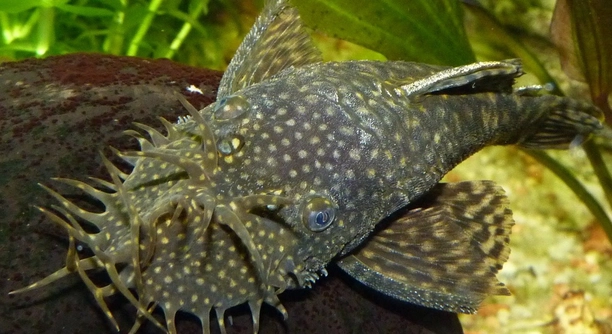
Do you ever notice your pleco sitting quietly in one corner of the tank for hours at a time? Watching them so still can feel unusual, especially if other fish are actively swimming around. Plecos have a calm presence that makes them interesting to observe.
Plecos remain stationary for extended periods primarily due to their natural behavior and environmental needs. They are nocturnal, prefer resting during daylight, and often attach to surfaces to conserve energy while feeding on algae or biofilm present in their habitat.
Understanding why plecos act this way can help improve tank care and ensure they stay healthy and comfortable in their environment.
Pleco Behavior and Resting Habits
Plecos are naturally calm fish that spend much of their day resting. Their stationary periods are often linked to their nocturnal nature, meaning they are most active at night. During daylight hours, they prefer to remain attached to surfaces like rocks, driftwood, or the tank glass. This resting behavior helps them conserve energy and reduces stress, especially in a tank with bright lighting or active tank mates. Many plecos also use these quiet periods to graze on algae, which forms a significant part of their diet. Observing them in one spot is normal and indicates they feel safe in their environment. Tank setup can influence this behavior, including hiding places, smooth surfaces, and stable water conditions. If a pleco suddenly changes its resting patterns or becomes unusually lethargic, it could signal stress or illness. Consistent tank maintenance and proper feeding help ensure they maintain these natural routines.
Plecos remain in one spot largely for comfort, feeding efficiency, and energy conservation in their aquatic habitat.
Providing a tank environment that mirrors natural conditions supports healthy behavior. Hiding spots, gentle water flow, and regular feeding allow plecos to rest confidently. Their stillness is a sign they are content, not necessarily inactive. Over time, owners learn to recognize normal resting patterns versus signs of discomfort or health issues.
Feeding Patterns and Stationary Behavior
Feeding habits greatly influence plecos’ time spent in one spot.
Plecos often attach to surfaces to graze steadily on algae or sinking pellets, which allows them to feed efficiently without expending unnecessary energy.
Observing their feeding patterns can explain why they stay in the same area for long periods. Many plecos prefer grazing on surfaces rather than swimming actively through the tank for food. Algae, biofilm, and occasional plant matter are their primary food sources, so being stationary while feeding is a natural and effective strategy. Some plecos may even return to the same spot repeatedly, indicating a reliable food source. Lighting, water flow, and competition from other fish also influence their behavior. Ensuring a steady supply of algae or supplementary food keeps them healthy and minimizes stress. Overfeeding should be avoided, as excess food can pollute the tank, affecting both the pleco’s behavior and overall water quality. Recognizing and respecting these patterns helps maintain a balanced, thriving aquarium environment for all inhabitants.
Tank Environment and Comfort
Plecos favor calm areas with hiding spots like caves or driftwood. They often stay in one location if the environment feels safe and stress-free.
Proper tank setup is essential for stationary behavior. Plecos appreciate gentle water flow and plenty of surfaces to cling to. Rough currents or open, exposed areas can make them nervous, prompting more movement or hiding. Smooth driftwood, rocks, and plants provide resting points where they feel secure. Consistent water parameters, including temperature and pH, also contribute to their comfort. Plecos are sensitive to sudden changes in their surroundings, so maintaining a stable environment supports natural resting patterns.
Lighting levels directly impact pleco activity. Dim or moderate lighting encourages resting during the day, while bright lights may make them seek shelter. Providing shaded areas or floating plants can help reduce stress and allow plecos to exhibit calm behavior. Over time, you may notice favorite resting spots becoming consistent zones where they feel most comfortable and secure. Observing their preferences helps adjust the tank setup for optimal care and peace.
Health Considerations and Stationary Time
Extended stillness can indicate health or stress issues in plecos. Proper monitoring ensures well-being.
Regular observation of plecos is important to differentiate natural resting from signs of illness. If a pleco becomes unusually inactive, stops eating, or shows discoloration, it may be experiencing stress, poor water quality, or disease. Immediate attention can prevent worsening conditions.
Water quality plays a crucial role in pleco health. Ammonia, nitrite, or nitrate spikes can reduce energy levels, making them stay in one spot longer. Nutritional deficiencies or improper diet may also cause lethargy. Ensuring clean water, a balanced diet, and consistent maintenance helps plecos maintain normal activity patterns. Occasionally, parasites or fungal infections may cause them to cling to surfaces and remain inactive. Monitoring behavior alongside water tests and providing prompt care ensures plecos remain healthy, active during their natural active periods, and comfortable in their tank environment.
Nocturnal Nature and Daytime Rest
Plecos are nocturnal, meaning they are most active at night and rest during the day. Their stillness in daylight is completely natural and helps them conserve energy for nighttime feeding and exploration.
During the night, plecos become more active, searching for food and cleaning surfaces. Their quiet daytime behavior ensures they maintain enough energy for their nightly routines. This natural rhythm should be respected when planning feeding schedules or adjusting lighting conditions in the tank.
How Stress Affects Their Behavior
Stress can cause plecos to stay in one spot for longer than usual or hide excessively. Common stressors include poor water quality, sudden changes in temperature, aggressive tank mates, or lack of proper hiding spaces. Addressing these issues quickly helps restore normal activity and appetite.
When plecos experience stress, their immune systems weaken, making them more prone to illness. Ensuring stable conditions, providing calm tank mates, and maintaining water cleanliness support their health. Regular observation helps detect stress early, allowing adjustments before serious problems develop.
Recognizing Normal Stillness
Remaining still for hours is usually a natural part of pleco behavior. Observing their feeding and nighttime patterns helps determine if their stillness is healthy or a sign of stress. Understanding these habits ensures proper care and a peaceful aquarium environment.
FAQ
Why does my pleco stay still all day?
Plecos are nocturnal fish, which means they rest during the day and become active at night. Staying still helps them conserve energy and feel secure. They often attach themselves to surfaces like driftwood, rocks, or glass where they can rest comfortably. This stillness is normal and not a sign of laziness. Unless they stop eating, change color, or show signs of stress, there is no reason for concern. Their behavior is simply part of their natural rhythm.
How can I tell if my pleco is sick or just resting?
Healthy plecos will still eat and respond to movement, even if they spend hours in one spot. A sick pleco may lose its appetite, appear pale, breathe rapidly, or cling to one area without moving for an unusually long time. If your pleco stays still and avoids food for several days, check water quality first, as poor conditions are a common cause of illness. Consistent observation helps you recognize what is normal for your fish.
Do plecos sleep like other fish?
Plecos do not sleep in the same way mammals do, but they enter a resting state where activity slows. Their metabolism decreases, and they remain attached to a surface to stay stable. You may notice less movement and a relaxed posture. This resting phase usually happens during the day and is a natural, healthy behavior that helps them recharge for nighttime feeding and cleaning.
Why does my pleco only move at night?
Plecos are naturally nocturnal creatures, meaning they are active when lights are off. This behavior is linked to their wild origins, where they avoided predators by moving and feeding at night. In an aquarium, you might see them exploring once the room darkens. If you want to observe their nighttime activity, try using dim or red lighting that does not disturb them.
Is it normal for plecos to stay in one spot for days?
It can be normal, depending on the species, tank setup, and time of day. Some plecos prefer one resting area and will return to it repeatedly. However, if they remain still for several days without eating or show signs of discoloration, it could mean something is wrong. Testing the water and checking for stress factors like aggressive tank mates or poor lighting can help identify the cause.
Do plecos get bored?
Plecos do not experience boredom in the same way humans do, but they can become stressed or inactive in poor conditions. A tank without enough surfaces, hiding spots, or natural materials like wood may make them feel insecure. Adding driftwood, rocks, and plants encourages exploration and feeding behavior. Variety in their diet also helps keep them healthy and active.
Can lighting affect how long a pleco stays still?
Yes, bright lights can make plecos stay hidden or motionless for long periods. They prefer dim lighting that mimics their natural habitat. Too much light can stress them, while gentle or indirect lighting encourages normal movement. Providing shaded areas with plants or decorations helps them feel secure and reduces excessive stillness caused by discomfort.
What should I do if my pleco is not moving much?
First, check the water parameters—ammonia, nitrite, and nitrate levels can directly affect activity. Ensure oxygen levels are adequate and that the water temperature suits the species. If conditions are stable, observe their feeding and nighttime activity. Lack of movement combined with poor appetite or faded color may indicate illness, requiring prompt attention.
How long can plecos stay in one spot without moving?
Plecos can stay in one spot for several hours or even most of the day. Their ability to remain attached to surfaces helps them conserve energy. This behavior is completely normal for healthy plecos. As long as they move occasionally, eat regularly, and maintain normal color, there is no need to worry.
Do all pleco species behave the same way?
Not exactly. While most plecos share similar habits, some species are more active than others. For example, bristlenose plecos may move around more often than common plecos. Size, tank setup, and personality also influence behavior. Observing your specific pleco helps you understand what is typical for its species and adjust care accordingly.
Can tank mates influence my pleco’s stillness?
Yes, aggressive or fast-moving tank mates can stress plecos, making them stay hidden or still longer than usual. Peaceful companions create a calmer environment where plecos feel safe to move freely. Always research compatibility before adding new fish to ensure a balanced, stress-free community.
Why does my pleco hide instead of staying visible?
Hiding is a natural behavior for plecos, especially during the day. They seek shelter to avoid bright light or activity in the tank. Hiding also provides safety and reduces stress. As long as they emerge at night to feed and remain healthy, hiding should not be a concern.
Should I be worried if my pleco doesn’t move during feeding time?
It depends on the feeding schedule. Since plecos are nocturnal, they might ignore food during the day and eat later at night. Try placing sinking wafers or vegetables before turning off the lights. Check in the morning to see if the food has been eaten. This behavior is typical and not a cause for alarm.
How can I encourage my pleco to be more active?
You can promote movement by maintaining good water quality, providing hiding spots, and offering a variety of foods like algae wafers, vegetables, and driftwood for grazing. Keeping the lighting dim and ensuring a peaceful environment encourages natural activity. Over time, your pleco will settle into a comfortable rhythm and may even become more visible.
Final Thoughts
Understanding why plecos stay in one spot for hours helps fish owners care for them more effectively. Their stillness is not unusual or something to be worried about. In most cases, this calm behavior reflects a healthy and content fish that feels safe in its environment. Plecos are naturally peaceful, energy-efficient, and cautious. Staying still allows them to rest, conserve energy, and remain stable against currents. Their tendency to attach to surfaces like driftwood, rocks, or tank glass is a part of their unique nature. Recognizing these habits helps owners avoid unnecessary stress or confusion about their pleco’s behavior. Every pleco has its own rhythm, and learning to read these small signs helps build a more balanced aquarium.
A big part of keeping plecos healthy lies in creating a tank that meets their natural needs. A suitable environment gives them a reason to rest calmly without showing signs of stress or illness. Clean water, proper temperature, and steady lighting patterns all contribute to their comfort. Driftwood, smooth rocks, and shaded areas encourage their natural instinct to rest in one spot while feeling protected. Their nocturnal nature means they will always be more active when lights are off, and providing dim conditions supports this natural rhythm. Monitoring their feeding habits is also important, as plecos that eat regularly and maintain steady energy levels are usually in good condition. When their needs are met, the stillness becomes part of a predictable, healthy routine rather than something concerning.
Paying attention to subtle changes can make a big difference in maintaining their well-being. If a pleco becomes more withdrawn, stops eating, or shows a duller appearance, it may be a sign that something in the tank has changed. Checking water parameters, reviewing the diet, and observing tank mate behavior can quickly identify possible causes. However, most of the time, plecos staying still is simply a sign that they are comfortable and secure. They are peaceful fish that prefer calm surroundings and minimal disturbance. Seeing them rest quietly is a reflection of balance in the aquarium. By understanding and respecting their nature, owners can create a space where plecos thrive—moving with purpose, resting with confidence, and contributing to a calm, stable aquatic environment that mirrors the peace they naturally bring.

Hello,
If you enjoy the content that we create, please consider saying a "Thank You!" by leaving a tip.
Every little bit helps us continue crafting quality advice that supports the health, happiness, and well-being of pets around the world, for pets of all shapes, sizes, and species.
We really appreciate the kindness and support that you show us!