
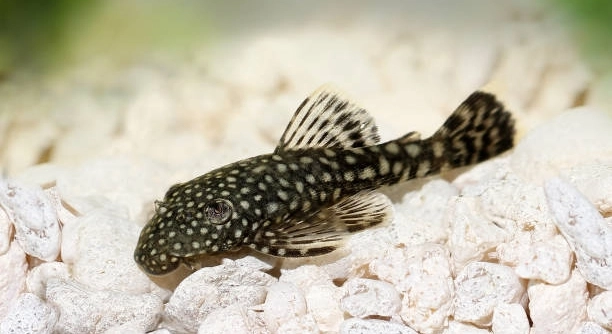
Is your pleco tank starting to look a bit cramped or harder to maintain than before? Maybe your fish seem less active or the water gets dirty faster than usual.
The main reason it’s time to upgrade your pleco tank is inadequate space and filtration. As plecos grow, their bioload increases, leading to poor water quality, stress, and potential health problems. A larger, well-filtered tank supports stable conditions and overall wellness.
Recognizing the signs early can make a big difference in your pleco’s comfort and lifespan, helping you create a thriving aquatic environment.
1. Your Pleco Has Outgrown Its Tank
Plecos may look small when you first bring them home, but many species grow much larger than expected. As they mature, they need more space to move, explore, and establish their own territories. A cramped tank can cause stress, limit natural behavior, and even affect their health. You might notice your pleco hiding more often, producing excess waste, or scratching against decorations. These are all signs that their current space is no longer enough. A larger tank helps maintain stable water parameters and reduces aggression, creating a healthier environment for your pleco to thrive.
When a pleco outgrows its tank, its growth can slow down or stop completely. Over time, this can lead to deformities or other health problems. Expanding their space gives them the freedom to swim and display natural behaviors more comfortably.
Choosing the right upgrade depends on your pleco species. Common plecos, for example, can reach over a foot long and require at least a 75-gallon tank. Bristlenose plecos, on the other hand, can live comfortably in a 30-gallon setup. It’s also important to consider filtration power, as larger tanks need stronger filters to handle increased waste. When upgrading, add hiding spots like driftwood and caves to make your pleco feel secure. Clean, spacious conditions will help your pleco live a longer, happier life.
2. Water Quality Declines Too Quickly
If your tank water becomes cloudy or develops a strong odor shortly after cleaning, it’s often a sign your setup is too small. A growing pleco produces more waste than your current filter can handle, leading to ammonia spikes and unhealthy water conditions.
An upgrade helps balance your aquarium’s ecosystem. In a larger tank, there’s more water to dilute waste and more surface area for beneficial bacteria to thrive. This natural balance keeps harmful compounds under control and reduces the need for frequent deep cleanings. A strong filter suited for the tank’s size ensures that debris and waste are efficiently removed, keeping the environment clear and stable. It’s also wise to test your water regularly to monitor ammonia, nitrite, and nitrate levels. By upgrading your pleco’s home and maintaining proper filtration, you’ll notice clearer water, steadier parameters, and a healthier, more active fish. Clean water is one of the biggest indicators of a happy pleco.
3. The Tank Gets Dirty Too Fast
When your pleco’s tank needs cleaning more often than before, it’s a clear sign the environment can’t handle the waste being produced. Frequent buildup of debris, algae, and uneaten food shows that the tank is too small or under-filtered.
Upgrading to a larger tank helps maintain a stable, cleaner ecosystem. Bigger tanks dilute waste more effectively, preventing harmful spikes in ammonia and nitrite levels. A more powerful filtration system can handle the increased bioload, keeping the water cleaner for longer periods. You’ll also spend less time scrubbing algae and vacuuming gravel, allowing both you and your pleco to enjoy a more balanced, low-stress setup. Adding live plants can further assist in controlling waste and improving oxygen levels, creating a healthier and more natural habitat.
Dirty water doesn’t just look bad—it can affect your pleco’s health. Poor water quality can cause stress, fin rot, and breathing issues. Over time, the buildup of toxins leads to long-term damage. An upgraded tank ensures that waste is managed efficiently, and the water remains clear and stable. Consistent maintenance paired with proper filtration will help your pleco stay active and maintain its appetite. A clean environment keeps your fish more vibrant and prevents common health problems.
4. Your Pleco Seems Less Active
A pleco that spends most of its time hiding or lying still could be uncomfortable in its surroundings. Limited space and poor water conditions can lead to stress, making your pleco less active and less interested in exploring its environment.
In a properly sized tank, plecos have the space and stimulation they need to behave naturally. They enjoy exploring caves, driftwood, and rocks, which encourage movement and reduce boredom. Adding these features to a larger tank creates a more engaging environment. When plecos feel secure, they become more active, often coming out more during feeding times and exploring during the night. Providing enough room to roam and adding variety to their surroundings can make a noticeable difference in their behavior and well-being. A larger, enriched space helps restore their energy and natural curiosity.
5. Frequent Aggression or Territorial Behavior
When plecos feel cramped, they may become territorial and chase other fish away from their space. This behavior is often caused by a lack of room or hiding spots, especially if multiple bottom-dwellers share the same area.
Upgrading the tank can reduce aggression by giving each fish more space to establish boundaries. Adding driftwood, caves, or plants creates separate zones and visual barriers, helping calm tensions. A larger environment allows natural behavior without constant conflict, leading to a more peaceful aquarium overall.
6. Filtration System Struggles to Keep Up
If your filter seems to run nonstop but the water still looks murky, it’s likely overworked. As plecos grow, they produce more waste, and smaller filters simply can’t manage the load effectively. An upgrade to a larger tank should always include a stronger filtration system. A good rule is to choose a filter rated for twice your tank size. This ensures proper circulation and keeps harmful toxins low. A clean, well-filtered tank provides your pleco with stable conditions and reduces your workload during maintenance.
7. Decorations and Plants Feel Overcrowded
When tank decorations start to look jammed together, it limits your pleco’s movement and natural behavior. A crowded layout also makes cleaning difficult and traps debris, leading to unhealthy water conditions that affect both your fish and plants.
FAQ
How do I know when my pleco needs a bigger tank?
You’ll notice several changes that suggest your pleco has outgrown its current setup. These include frequent waste buildup, cloudy water, or your pleco appearing restless or less active. If you find yourself cleaning the tank more often, it’s likely the bioload has become too much for the filtration system. You may also see your pleco hiding constantly or acting aggressively toward other fish. These behaviors often stem from stress caused by overcrowding. When your pleco’s length exceeds one-third of the tank’s width, it’s time to upgrade. Ensuring enough swimming space and stable water conditions keeps your fish healthy and relaxed.
What size tank does a pleco really need?
The ideal tank size depends on the species. Common plecos, for instance, can grow over twelve inches long and need at least seventy-five gallons of space. Bristlenose plecos stay smaller, around five inches, and do well in tanks of thirty gallons or more. Rubber lip plecos need around twenty gallons but still benefit from extra space. Always consider future growth, not just current size. A larger tank also makes water quality easier to maintain and reduces stress. It’s better to upgrade early rather than wait until your pleco becomes cramped or unhealthy.
Can I just add a second filter instead of upgrading the tank?
Adding a second filter can help manage water quality temporarily, but it doesn’t solve space limitations. Plecos produce heavy waste, and even with good filtration, they need enough room to swim freely. If the tank is too small, your pleco will remain stressed, and aggressive behavior may continue. A bigger tank allows proper circulation and more surface area for beneficial bacteria to grow. You can still use multiple filters in a larger tank for stronger water flow and improved cleanliness. Think of filtration as support, not a full substitute for space.
What happens if I don’t upgrade the tank?
Keeping your pleco in a small tank long-term can lead to stunted growth, deformities, and serious health issues. The water will likely become polluted faster, and even frequent cleaning won’t prevent stress or poor oxygen levels. Plecos may become inactive, lose their appetite, or develop diseases from poor conditions. Eventually, their lifespan may shorten significantly. Upgrading isn’t just about aesthetics—it’s essential for your pleco’s well-being. Giving them room to grow and thrive ensures they stay active and maintain strong coloration, showing they are healthy and comfortable in their environment.
Do plecos really need hiding spots?
Yes, hiding spots are very important. Plecos are naturally shy and enjoy resting in dark areas. Without caves, driftwood, or plants to hide under, they can become anxious and stressed. In larger tanks, you can arrange multiple hiding areas to make your pleco feel secure. These also help divide territory if you keep more than one bottom-dwelling fish. The presence of hiding spaces encourages natural behavior, reduces aggression, and helps your pleco adjust to lighting and feeding schedules more comfortably.
How often should I clean a larger pleco tank?
Even with a bigger tank, maintenance remains important. Perform partial water changes of twenty to thirty percent every one to two weeks. Use a gravel vacuum to remove uneaten food and debris. Clean the filter media monthly, but avoid washing it with tap water since chlorine can kill beneficial bacteria. With proper filtration and consistent care, you’ll find that larger tanks stay cleaner for longer. Regular checks of ammonia, nitrite, and nitrate levels ensure your pleco’s home remains safe and balanced.
Can multiple plecos live together in a larger tank?
It depends on the species and the tank size. Some plecos are territorial, especially males. If you plan to keep more than one, aim for at least a hundred gallons of space with multiple hiding areas. Bristlenose plecos are more peaceful and can sometimes share space with other plecos if the tank is large enough. Always watch for signs of aggression, such as chasing or fin damage. Providing plenty of driftwood and visual barriers helps reduce stress. The key is to balance space, hiding spots, and water quality to keep all tank mates content.
Is upgrading stressful for my pleco?
Moving your pleco to a new tank can cause temporary stress, but careful preparation minimizes the risk. Use water from the existing tank to help maintain familiar chemistry and temperature. Acclimate your pleco slowly by floating the transport bag in the new tank and gradually mixing water over fifteen to twenty minutes. Avoid sudden lighting or noise during the process. After the move, keep an eye on your pleco’s behavior and appetite for a few days. With a proper setup, they will settle quickly and benefit from the cleaner, roomier environment.
What kind of substrate and decor work best for plecos?
Plecos appreciate soft, smooth substrates like sand or fine gravel that won’t damage their undersides. They also enjoy driftwood, which not only provides shelter but helps them digest properly since many species graze on it. Avoid sharp rocks or plastic decorations that could cause injury. Live plants, such as java fern and anubias, work well because plecos rarely uproot them. Combining these elements in a spacious tank makes your pleco feel secure and encourages natural feeding and resting behaviors.
How soon should I upgrade once I notice these signs?
It’s best to upgrade as soon as you recognize the signs of overcrowding or poor water conditions. Waiting too long can lead to stress and long-term health problems. Planning ahead helps you find the right tank size and equipment without rushing. Once upgraded, your pleco will adapt quickly and show more natural activity. Acting early ensures your fish’s comfort, keeps maintenance manageable, and makes your aquarium more enjoyable to care for overall.
Final Thoughts
Upgrading your pleco tank is one of the most important decisions you can make for your fish’s health and comfort. Plecos are hardy, but they still need the right environment to thrive. Many problems—like cloudy water, slow growth, or aggressive behavior—often come down to space and water quality. When your pleco has enough room to move, explore, and rest, you’ll notice a clear difference in its behavior and appearance. A larger tank not only improves water stability but also makes caring for your pleco easier and more enjoyable. It’s about creating balance between the fish, the environment, and your maintenance routine.
A bigger tank also opens up more possibilities for design and function. You can add more driftwood, plants, and hiding spots without crowding the space. Plecos are naturally curious and love exploring, so giving them a richer environment keeps them active and less stressed. The right setup should feel like a miniature riverbed—clean water, stable temperature, and safe places to rest. When filtration, space, and decoration all work together, the tank becomes self-sustaining, meaning less work for you and a better life for your pleco. Taking the time to plan the upgrade properly, choosing the right size and equipment, ensures that you won’t have to make major changes again soon.
In the end, upgrading isn’t just about keeping up with your pleco’s growth—it’s about responsibility and respect for the animal you care for. Providing the right conditions allows your pleco to live out its full potential, showing off its natural beauty and peaceful nature. The process might take some effort, but it’s rewarding to see your pleco thriving in a clean, well-balanced tank. Small improvements, like stronger filtration or extra hiding spots, can make a big difference in its overall well-being. Whether you keep a common, bristlenose, or any other type of pleco, a comfortable and spacious home helps prevent stress, illness, and unnecessary maintenance. With proper care and space, your pleco can live for many years, becoming an active and calming presence in your aquarium. Upgrading the tank is not just an adjustment—it’s a commitment to giving your fish the healthy and peaceful life it deserves.

Hello,
If you enjoy the content that we create, please consider saying a "Thank You!" by leaving a tip.
Every little bit helps us continue crafting quality advice that supports the health, happiness, and well-being of pets around the world, for pets of all shapes, sizes, and species.
We really appreciate the kindness and support that you show us!