
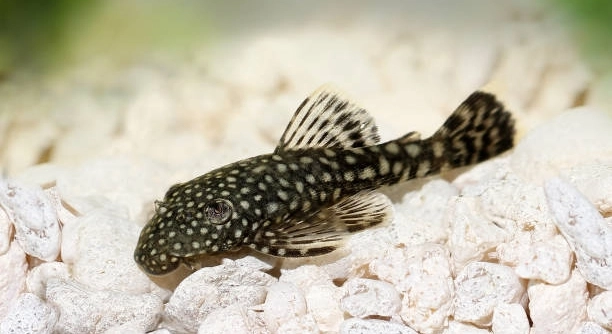
Have you ever brought home a pleco and wondered how often it needs to eat? These fish have unique habits that can make feeding a little confusing at first. Learning the basics helps keep them healthy.
Plecos should generally be fed once every day, with occasional fasting days each week. Providing a balanced diet of algae wafers, vegetables, and occasional protein ensures their nutritional needs are met and supports proper growth and health.
Understanding proper feeding schedules can prevent health issues and help your pleco thrive in your aquarium environment. This knowledge makes caring for them simpler and more enjoyable.
Understanding Pleco Feeding Habits
Plecos are primarily nocturnal, which means they are more active at night and prefer to eat during those hours. Observing them during the day might give the impression they are not eating much, but this is normal. They graze on algae, plant matter, and occasional protein sources. In captivity, it is important to mimic their natural feeding pattern. Providing food in the evening or after lights go out often results in more activity and better consumption. Overfeeding can be harmful, as leftover food decomposes and affects water quality, stressing your fish. A mix of algae wafers, blanched vegetables, and occasional sinking pellets works well. Watching your pleco’s behavior helps you adjust portions. Feeding small amounts consistently ensures they get enough nutrition without polluting the tank. Every tank and pleco is different, so observing them closely is essential. Proper feeding supports growth, prevents illness, and keeps their digestive system functioning smoothly.
Plecos naturally graze rather than eat all at once. Small portions spread over time are ideal for their health and water quality.
Consistency in feeding times helps your pleco feel secure. It also allows you to notice changes in appetite or behavior early. By adapting feeding methods and portions, you can maintain a healthy, balanced environment.
Recommended Feeding Schedule
Most adult plecos thrive on a once-daily feeding schedule, though young or very active fish may need slightly more. A day of fasting once a week can help regulate digestion and prevent obesity.
A good approach is to offer food in the evening when the lights are dimmed or turned off. Algae wafers, cucumber slices, zucchini, and occasional protein treats provide a varied diet. Remove any uneaten food after a few hours to maintain clean water. Monitor your pleco’s size and activity to adjust portions as needed. Young plecos require smaller, more frequent meals, while older fish can handle larger portions once daily. Proper feeding also prevents other tank residents from overeating. Balancing vegetables and protein ensures your pleco grows steadily without digestive problems. Observing your pleco’s habits, including scraping algae from tank surfaces, allows you to fine-tune the feeding routine. Overfeeding can lead to poor water quality and health issues, so moderation is key. By sticking to a regular schedule and adjusting for individual needs, you can support a healthy, thriving pleco in your aquarium.
Choosing the Right Food
Algae wafers are a staple for plecos, providing essential nutrients. Fresh vegetables like zucchini, cucumber, and spinach complement their diet. Occasional protein treats support growth and energy, but balance is key to prevent digestive issues.
Vegetables should be blanched to soften them and make them easier to digest. Algae wafers sink slowly, allowing plecos to graze throughout the night. Protein sources, such as shrimp pellets or bloodworms, should be given sparingly. Avoid overfeeding any single type of food, as it can upset digestion or water quality. Observing your pleco’s preferences helps in selecting the right mix of food. Removing leftover food promptly prevents tank pollution, keeping the environment healthy for all fish. Variety ensures proper nutrition and keeps your pleco active and thriving.
It’s important to note that not all store-bought foods are equal. Some algae wafers lack essential vitamins, while some protein pellets may contain fillers. Choosing high-quality, balanced options ensures your pleco receives proper nutrition. Rotating vegetables and occasionally introducing new options prevents dietary boredom. Monitoring your pleco’s health, weight, and activity levels lets you adjust the feeding plan effectively. Over time, you’ll learn what works best for your individual fish, making care easier and more predictable. Consistency in quality and portion sizes directly affects longevity and overall well-being.
Feeding Frequency Tips
You can feed adult plecos once daily, while juveniles may need two smaller meals. Skipping one day a week can aid digestion and prevent overeating.
Small, consistent portions are best. Plecos prefer grazing throughout the night, so spreading food over a few hours or providing slow-sinking options ensures they consume enough. Monitor leftovers to prevent waste. Juvenile plecos grow quickly, requiring careful observation to adjust portions. Overfeeding leads to water quality issues, which can stress fish. A balanced schedule promotes healthy growth, supports digestion, and minimizes tank maintenance. By tracking your pleco’s appetite and activity, you can refine feeding frequency to match its specific needs. Consistency also reduces stress and encourages natural behaviors, such as algae grazing and territorial movement within the tank.
Monitoring Your Pleco’s Appetite
A healthy pleco shows consistent interest in food and actively grazes on algae or vegetables. Sudden changes in appetite can indicate stress, illness, or water quality issues that need immediate attention.
Track feeding patterns closely. Note if your pleco leaves food uneaten or becomes lethargic, which may signal digestive problems or improper feeding frequency. Adjust portion sizes and monitor water parameters to maintain a stable environment. Regular observation helps prevent small issues from turning into serious health problems.
Signs of Overfeeding
Overfed plecos often leave uneaten food in the tank, which can decay and pollute the water. This leads to higher ammonia levels and potential stress for all tank inhabitants. Monitoring leftover food helps maintain clean water and proper feeding routines.
Adjusting Portions
Portion size should match your pleco’s size and activity level. Juveniles need smaller, more frequent meals, while adults can handle a single portion daily. Observe behavior and digestion to refine amounts.
Evening Feeding Benefits
Feeding in the evening aligns with a pleco’s nocturnal habits. Food is consumed more effectively, reducing waste and supporting natural behavior.
FAQ
How much should I feed my pleco each day?
Adult plecos generally need one feeding per day, while juveniles may require two smaller meals. Portions should be enough for them to finish within a few hours. Overfeeding can pollute the tank and harm their health, so observation is key to adjusting amounts properly.
What types of vegetables are safe for plecos?
Plecos enjoy zucchini, cucumber, spinach, and lettuce. Blanching vegetables softens them, making digestion easier. Leafy greens should be given in moderation, while harder vegetables like zucchini can be offered more regularly. Rotating vegetables ensures they get varied nutrients without overloading any one type.
Can plecos eat protein?
Yes, protein is important but should be occasional. Shrimp pellets, bloodworms, or other sinking protein options help support growth and energy. Too much protein can lead to digestive problems, so it is best to feed it only a few times per week.
Do plecos need fasting days?
Fasting once a week can be beneficial, especially for adults. It helps regulate digestion and prevents obesity. During fasting days, monitor the fish for stress, but in most cases, plecos adjust well without food for 24 hours.
How do I know if I’m overfeeding my pleco?
Leftover food that remains in the tank after several hours is a clear sign of overfeeding. Other signs include cloudy water, algae blooms, or excess waste. Adjust portion sizes and remove uneaten food promptly to maintain a healthy environment.
Is it okay if my pleco doesn’t eat during the day?
Yes. Plecos are nocturnal and often feed more actively at night. Daytime inactivity is normal and not necessarily a cause for concern. Evening or nighttime feeding aligns with their natural habits and encourages proper consumption.
Should I give algae wafers every day?
Algae wafers are a staple and can be fed daily, but they should be complemented with fresh vegetables and occasional protein. Relying only on wafers may limit nutrient variety and reduce overall health. A balanced diet prevents digestive problems and supports steady growth.
Can I feed my pleco too little?
Feeding too little can slow growth, weaken immunity, and cause lethargy. Observe your pleco’s behavior and body condition to ensure it is eating enough. Adjust portions gradually if you notice weight loss or decreased activity. Proper feeding ensures long-term health.
How do feeding habits change as plecos grow?
Juvenile plecos need smaller, more frequent meals, while adults can thrive on a single daily feeding. As they grow, adjust portion sizes to match their size and activity level. Growth stages also affect protein needs, so occasional adjustments are necessary.
What should I do if my pleco refuses food?
Refusal to eat may indicate stress, illness, or poor water conditions. Check water parameters, temperature, and tank environment. Try offering blanched vegetables or different algae wafers. If refusal continues, consult a vet familiar with fish health to rule out underlying issues.
Is it necessary to remove uneaten food immediately?
Yes, uneaten food can decompose and increase ammonia or nitrate levels. Removing leftovers helps maintain water quality, reduces algae growth, and prevents stress or illness in plecos and other tank inhabitants. Regular observation is essential.
Can plecos eat live plants?
Some plecos may nibble on live plants, but it depends on the species. Providing vegetables reduces the likelihood of plant damage. Hardy plants are preferable in tanks with plecos to prevent destruction of delicate foliage.
Does water temperature affect feeding?
Yes, plecos eat more actively in warmer water within their preferred temperature range. Cold water slows metabolism, reducing appetite and digestion. Maintaining stable water conditions supports healthy feeding and overall well-being.
How often should I adjust feeding routines?
Feeding routines should be reviewed regularly, especially when your pleco grows or if tank conditions change. Adjust portions, types of food, and timing as needed to match activity levels and health. Observing behavior is the best guide for ongoing adjustments.
What signs indicate my pleco is healthy and well-fed?
A healthy pleco is active at night, shows a smooth body, consumes food consistently, and produces normal waste. Bright coloration, steady growth, and regular grazing are good indicators of proper feeding and tank conditions.
Can plecos share food with other fish?
Yes, but competition may prevent them from getting enough. Provide sinking wafers and vegetables in areas where plecos can access them without interference from faster or more aggressive tankmates. Observation ensures all fish receive sufficient nutrition.
How important is variety in a pleco’s diet?
Variety prevents nutrient deficiencies and digestive problems. A mix of algae wafers, vegetables, and occasional protein supports steady growth, proper digestion, and overall health. Rotating foods keeps plecos engaged and reduces the risk of selective eating habits.
Can I feed plecos commercial fish flakes?
Flakes are not ideal, as they float and may not reach the bottom-dwelling pleco. Sinking wafers and fresh vegetables are better suited to their feeding habits. Occasional flakes can be used if they sink or are offered in moderation.
How do I transition plecos to new foods?
Introduce new foods gradually alongside familiar options. Observe how they respond and ensure the food is consumed. Gradual changes reduce stress, prevent digestive upset, and encourage acceptance of a varied diet.
Are frozen or freeze-dried foods safe?
Yes, frozen or freeze-dried foods like bloodworms or shrimp are safe if properly prepared. Thaw and rinse before feeding to remove preservatives or debris. These foods are useful for occasional protein supplementation.
How can I encourage picky plecos to eat?
Try different vegetables or algae wafers, slightly warming the food, or placing it near hiding spots where plecos feel safe. Patience and observation help determine what your individual pleco prefers, ensuring proper nutrition without overfeeding.
What role does tank size play in feeding?
Larger tanks may disperse food more, making it harder for plecos to find. Distribute food in multiple areas, ensuring all plecos get access. Smaller tanks allow easier observation but still require careful portioning to prevent waste.
Can plecos survive only on algae in the tank?
While they can graze on algae, relying solely on it is insufficient for long-term health. Supplementing with vegetables and occasional protein ensures proper nutrition and growth. Algae alone may not meet all dietary requirements, especially in tanks with limited natural growth.
How does water quality affect feeding?
Poor water quality reduces appetite and can lead to illness. High ammonia, nitrite, or nitrate levels stress plecos. Maintaining clean water ensures healthy feeding, digestion, and overall well-being. Regular monitoring and tank maintenance are essential for consistent feeding habits.
What is the best way to monitor feeding success?
Track leftover food, observe activity and appetite, and monitor waste production. Healthy, well-fed plecos show steady growth, bright coloration, and normal behavior. Adjust portions or food types as needed based on these observations to maintain a thriving fish.
How do I balance feeding for multiple plecos?
Provide multiple feeding spots and varied portions to ensure each pleco gets enough food. Juveniles and adults may have different needs, so careful observation and adjustment are necessary. Rotating food types keeps all fish engaged and reduces competition-related stress.
Can I use supplements for plecos?
Supplements are rarely needed if you provide a balanced diet of wafers, vegetables, and occasional protein. Vitamins or mineral additives may be used if deficiencies are suspected, but proper natural foods typically meet their nutritional needs.
How long can plecos go without food?
Plecos can survive short periods without food, especially adults. Occasional fasting days are fine, but prolonged lack of food leads to weight loss, weakened immunity, and health problems. Regular observation ensures they remain healthy and active.
What is the effect of overfeeding on other tank fish?
Excess food can pollute water, increasing ammonia and nitrate levels. This stresses all fish, causing illness or abnormal behavior. Maintaining proper feeding routines for plecos helps protect overall tank health and reduces maintenance needs.
Are live foods necessary for plecos?
Live foods are optional and can provide enrichment. They are not required for basic nutrition if wafers, vegetables, and occasional protein are provided. Live foods should be sourced carefully to avoid introducing parasites or contaminants.
How often should I change pleco feeding routines?
Routines should be reassessed with growth, health changes, or tank condition shifts. Adjust portions, timing, and food variety based on observation. Consistent monitoring ensures plecos remain healthy, active, and properly nourished without overfeeding or nutrient deficiencies.
What feeding mistakes should I avoid?
Avoid overfeeding, relying solely on one food type, neglecting water quality, and ignoring behavioral cues. Portion sizes should match size and activity. Proper observation and variety are key to preventing health issues and maintaining a thriving aquarium environment.
Can plecos share tank space with other bottom feeders?
Yes, but monitor food access. Provide enough food for all, using sinking wafers and vegetables in multiple locations. Observing interactions ensures no fish is left underfed and reduces competition-related stress.
Do plecos need feeding at the same time every day?
Consistency helps reduce stress and encourages natural feeding behaviors. Feeding at similar times each day aligns with nocturnal habits and improves consumption efficiency. Variations are fine occasionally but keeping a routine benefits overall health.
What’s the best way to introduce a new pleco to my tank?
Feed small portions in safe areas while monitoring interactions. Ensure they adjust to existing tankmates and acclimate to water conditions. Gradual introduction and observation prevent stress and encourage healthy feeding habits from the start.
How can I tell if my pleco is overweight?
A bloated body, reduced mobility, and decreased activity are signs of excess weight. Adjust feeding frequency, portion sizes, and food type to restore healthy condition. Regular observation prevents long-term health issues caused by overfeeding.
Are frozen vegetables acceptable?
Yes, frozen vegetables like zucchini or peas are suitable if thawed and blanched. They provide essential nutrients and are convenient for consistent feeding when fresh options are unavailable.
Can plecos eat fruit?
Fruit should be avoided or given rarely, as it is high in sugar and may disrupt digestion. Vegetables and algae remain the primary diet, with protein supplements added occasionally for balance.
Do plecos eat at the surface?
Mostly, plecos feed near the bottom. Surface feeding is rare and usually only occurs if food sinks slowly or is floating temporarily. Providing sinking options ensures proper access and aligns with natural feeding habits.
Is it necessary to weigh food for plecos?
Exact weighing is not required, but monitoring portion sizes and adjusting based on consumption ensures they are neither underfed nor overfed. Observation is usually sufficient for maintaining proper nutrition.
How do I prevent picky eating habits?
Rotate foods, offer vegetables and protein occasionally, and avoid over-reliance on wafers. Gradual introduction of new foods encourages acceptance. Consistency and variety prevent selective eating and maintain balanced nutrition.
Can plecos eat spirulina?
Yes, spirulina is a good supplement, often included in algae wafers. It provides protein, vitamins, and minerals, supporting overall health. It should complement vegetables and occasional protein sources for a balanced diet.
How can I tell if my pleco is malnourished?
Signs include thin body, dull coloration, low activity, and irregular waste. Adjust feeding portions, ensure a balanced diet, and monitor health closely. Early detection prevents long-term health problems and supports proper growth.
Are feeding trays or plates useful?
Yes, they help concentrate food in one area, reduce waste, and make it easier to monitor consumption. They are especially useful in tanks with multiple fish or strong currents.
Do plecos need calcium supplements?
If their diet includes vegetables and high-quality algae wafers, additional calcium is rarely needed. Calcium may be added if deficiencies are suspected or for breeding purposes.
How important is water flow during feeding?
Moderate water flow prevents food from drifting away and ensures plecos can access it easily. Strong currents may carry food too quickly, making it harder for bottom feeders to eat properly.
Can plecos overeat on vegetables?
Yes, excessive vegetable feeding can cause digestive problems. Offer small portions, rotate types, and remove leftovers to prevent bloating, poor digestion, or water quality issues.
Should I mix different types of food in one feeding?
Mixing wafers, vegetables, and occasional protein provides balanced nutrition. Observe what is consumed first to adjust future feedings and ensure nothing goes to waste.
Do plecos need dietary supplements for winter?
No, if water conditions remain stable and a balanced diet is provided. Supplements are rarely necessary unless deficiencies are suspected. Proper feeding practices maintain health year-round.
How can I tell if my pleco is stressed during feeding?
Hiding excessively, ignoring food, or swimming erratically may indicate stress. Check water parameters, tank environment, and feeding routine. Addressing stress ensures consistent feeding and overall well-being.
Are homemade pleco foods safe?
Yes, if ingredients are safe, balanced, and properly prepared. Avoid spices, salts, or preservatives. Homemade foods allow control over nutrients and variety.
Can plecos adapt to new diets?
Yes, gradual introduction of new foods alongside familiar options allows adaptation. Observing acceptance ensures proper nutrition without digestive issues.
How long should I leave food in the tank?
Remove uneaten food after a few hours to prevent water pollution. Slow-sinking foods may remain slightly longer, but monitoring is essential to maintain water quality.
Is feeding plecos daily always necessary?
Most adults thrive on daily feeding, but occasional fasting days support digestion. Juveniles may need more frequent meals. Adjust based on growth, activity, and tank conditions.
What happens if a pleco misses a meal?
Missing one meal occasionally is not harmful. Plecos can graze algae or adjust to a short fast. Regular feeding ensures consistent nutrition and growth over time.
Do plecos eat at the same spot every time?
Many establish favorite feeding areas. Providing food in multiple locations ensures access, especially in community tanks or with multiple plecos. Observation helps identify preferred spots.
Can plecos survive on commercial wafers alone?
Wafers alone provide basic nutrition but lack variety. Supplementing with vegetables and occasional protein ensures balanced nutrition, supporting growth, digestion, and overall health.
How do I handle multiple plecos with different appetites?
Feed in separate areas, observe each fish, and adjust portions based on consumption. Ensuring all plecos get enough prevents competition-related stress and promotes healthy growth.
Is it normal for plecos to nibble on decorations?
Yes, nibbling on driftwood or ornaments is common, especially for species that need fiber. Providing vegetables reduces excessive gnawing while supporting digestion.
What is the best way to clean up after feeding?
Remove uneaten food with a net or siphon after a few hours. Clean any debris from substrate and decorations to maintain water quality and prevent health issues.
Can plecos eat frozen bloodworms?
Yes, frozen bloodworms are a safe protein source when thawed. Feed occasionally to supplement diet without overfeeding protein.
How important is observation during feeding?
Observation ensures proper consumption, identifies health or behavior changes, and helps adjust portions. Regular monitoring is key to a thriving pleco and balanced tank.
Can plecos go on a plant-only diet?
They may survive but may lack protein and nutrients. A balanced diet including vegetables, algae wafers, and occasional protein is ideal for long-term health.
Do plecos prefer fresh or frozen vegetables?
Both are acceptable. Fresh vegetables provide better texture, while frozen options are convenient and retain nutrients if properly thawed and prepared.
How can I tell if a pleco is satisfied after feeding?
Signs include reduced grazing, normal swimming, and calm behavior. Overeating may cause bloating, while underfeeding leads to continued searching for food. Observation helps balance portions.
Should I feed plecos differently in winter?
If water temperature is stable, feeding routines can remain the same. Cold water slows metabolism, so slightly smaller portions may be necessary if temperature drops.
Can plecos eat dried seaweed?
Yes, nori or other dried seaweed is safe and provides fiber and nutrients. Soften in water before feeding to make it easier to consume.
How do I prevent food from being eaten by other fish first?
Feed in areas where plecos can access food directly, use sinking wafers, and distribute vegetables near hiding spots. Observation ensures plecos get sufficient portions.
Are algae wafers enough for young plecos?
Algae wafers alone may not meet all nutritional needs. Supplement with blanched vegetables and occasional protein for balanced growth and proper development.
Can I feed plecos commercial vegetable blends?
Yes, high-quality blends are suitable, but ensure they are free from additives and preservatives. Blanching before feeding improves digestibility and acceptance.
What’s the best way to rotate foods?
Alternate vegetables, wafers, and protein on different days. Observe preferences and adjust rotation to maintain variety, prevent boredom, and ensure balanced nutrition.
Can plecos survive without vegetables?
Long-term survival without vegetables is not ideal. Vegetables provide fiber and essential vitamins. A balanced diet with algae wafers, vegetables, and occasional protein promotes optimal health.
How do I know if my pleco is eating enough algae?
Check grazing behavior and overall health. Lack of interest in vegetables or wafers may indicate insufficient algae consumption. Supplementing with wafers ensures balanced nutrition.
Is feeding time important for tank harmony?
Yes, consistent feeding reduces competition, stress, and aggression. Observing preferred feeding spots and timing ensures all fish receive adequate nutrition.
Can plecos eat vegetables directly from the garden?
Yes, but wash thoroughly to remove pesticides or chemicals. Blanching improves digestibility and safety.
How much protein is ideal for plecos?
Occasional protein a few times per week is sufficient. Overfeeding protein can cause digestive problems, while too little may affect growth. Balance with vegetables and algae wafers.
Do plecos eat algae naturally in the tank?
Yes, they graze algae on surfaces, but in tanks with low natural algae, supplementation with wafers and vegetables is necessary to meet nutritional needs.
Can plecos overeat on protein?
Yes, excess protein can cause digestive issues and water quality problems. Offer small amounts occasionally, balancing with vegetables and wafers.
How do I introduce multiple foods at once?
Place small portions of different foods in separate areas. Observe consumption and adjust future feedings to ensure balanced intake without waste.
Is it okay if plecos eat slowly?
Yes, slow eating is normal. Plecos graze over time
Final Thoughts
Feeding a pleco may seem simple at first, but it requires attention to detail and consistency. These fish have specific dietary needs that differ from many other aquarium species. They are primarily nocturnal, so they prefer eating in the evening or at night. Providing food at the right time ensures they consume enough without leaving uneaten leftovers that can pollute the tank. A balanced diet is essential, combining algae wafers, fresh vegetables, and occasional protein. Overfeeding is a common mistake that can harm both the pleco and the tank environment, while underfeeding can slow growth and affect health. By observing your pleco’s behavior and appetite, you can adjust portions and feeding schedules to match its individual needs. Paying attention to subtle signs, such as leftover food, lethargy, or changes in body shape, will help you maintain proper feeding practices and prevent problems before they become serious.
Understanding the nutritional needs of your pleco goes beyond just choosing the right foods. Variety is important to ensure proper growth and digestive health. Fresh vegetables like zucchini, cucumber, and spinach provide fiber and vitamins, while algae wafers supply essential minerals and nutrients. Occasional protein, such as shrimp pellets or bloodworms, supports energy and development, but it should be limited to prevent digestive issues. Observing how your pleco interacts with different foods can guide you in creating a diet that suits it best. Some plecos are picky eaters, and gradual introduction of new foods can help them accept a wider range of options. Keeping track of how much is eaten and removing uneaten food promptly helps maintain water quality, which is just as important for their overall health as the food itself. Consistency in both diet and feeding schedule helps the pleco feel secure, reducing stress and encouraging natural behaviors like grazing and exploring the tank.
Feeding your pleco properly also supports the health of the entire aquarium. Overfeeding can lead to excess waste, high ammonia levels, and algae blooms, which can affect other fish and plants in the tank. Following a structured feeding routine with controlled portions prevents these issues and keeps the tank environment stable. Monitoring your pleco closely allows you to notice changes in appetite or behavior that may indicate stress, illness, or environmental issues. Adapting the feeding schedule as the pleco grows ensures it receives the right nutrition at every life stage. With careful observation, patience, and a balanced diet, feeding your pleco can be straightforward and rewarding. Meeting its dietary needs contributes to a longer, healthier life, while also making aquarium maintenance easier and more predictable. Consistent, thoughtful feeding practices are key to keeping your pleco healthy, active, and thriving.

Hello,
If you enjoy the content that we create, please consider saying a "Thank You!" by leaving a tip.
Every little bit helps us continue crafting quality advice that supports the health, happiness, and well-being of pets around the world, for pets of all shapes, sizes, and species.
We really appreciate the kindness and support that you show us!