
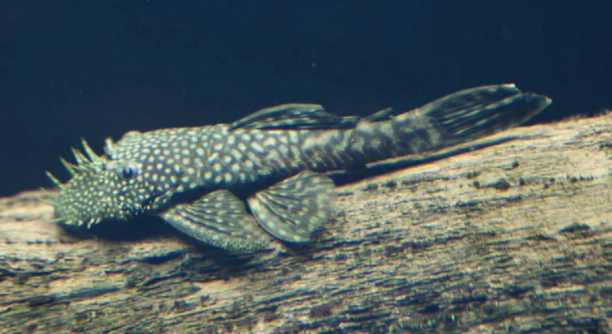
Have you ever noticed your bristlenose pleco exploring every nook of its aquarium but always returning to the same spot? Many owners find themselves observing these fish repeatedly visiting caves or hiding spaces. Their behavior can be quite consistent.
Bristlenose plecos often form attachments to specific caves or hiding spots within their tank. This preference is influenced by their natural instincts for shelter, security, and breeding, making certain caves a critical part of their daily routine and comfort.
Observing these habits can reveal more about their natural instincts and help you create a more suitable environment for your pleco.
Why Bristlenose Plecos Prefer Caves
Bristlenose plecos feel safer when they have a hiding spot. In nature, they live in rivers and streams where crevices and caves provide shelter from predators. Inside an aquarium, a cave mimics that sense of security. You might notice your pleco spending hours inside the same cave, sometimes only leaving to eat. These fish are nocturnal by habit, and a cave gives them a place to rest during the day. The right cave size is important—it should be snug but not cramped. Decorations or driftwood near the cave can make the area feel more natural, encouraging your pleco to settle in. Some plecos even use caves as breeding spots, where males guard eggs and fry. Watching your pleco claim a cave can show how instinct drives their behavior. Providing multiple caves can reduce stress and prevent territorial disputes if you have more than one pleco.
Caves reduce stress levels and allow plecos to display natural behaviors. A comfortable hideout keeps them healthy.
Offering different types of caves ensures your pleco feels secure. Round, flat, or hollow decorations create variety, giving them options. Observing which cave they prefer can help you understand their comfort preferences. Over time, this helps maintain a stable and stress-free environment.
Signs Your Pleco Is Attached to a Cave
A pleco attached to a cave will consistently return to it after feeding or exploring the tank.
You might notice them rubbing against the walls of the cave or staying near the entrance. Males often guard the cave if breeding is occurring. Their attachment can also be subtle, like spending more time in one cave than others, or patrolling around it. Some plecos will even resist leaving their chosen spot during daylight hours, indicating a strong preference for security. Changes in the tank, such as moving the cave or adding new decorations nearby, can stress them initially, but they often readjust once they feel safe again. Regular observation will show their favored spots and how they interact with the environment. Choosing caves with smooth edges and appropriate size ensures comfort. Over time, understanding their attachment helps maintain a calm and healthy tank, supporting both natural behavior and overall well-being.
How to Choose the Right Cave
The right cave is crucial for your pleco’s comfort. Size matters—it should fit your pleco snugly but allow movement. Material and smooth edges prevent injury. Multiple caves can reduce competition if you have more than one fish in the tank.
Look for caves made of natural-looking materials like ceramic, resin, or driftwood. Avoid sharp edges or rough surfaces that can damage their fins or skin. Consider the tank size when selecting caves; a small tank requires compact caves, while a larger tank allows more variety. Placement is important—caves should be stable and partially hidden to provide security while still being accessible. Observing how your pleco interacts with each cave helps determine their preferred type, allowing you to refine the setup. Over time, offering suitable caves reduces stress and encourages natural behaviors, including resting, grazing, and, in some cases, breeding.
Caves should be easy to clean without disturbing your pleco’s established space. Smooth surfaces and removable designs help maintain hygiene while keeping your pleco attached to its favorite spot.
Benefits of Cave Attachment
Caves give plecos a safe place to hide and rest. They reduce stress and encourage natural behavior.
Attachment to a cave supports better health by lowering stress, which strengthens the immune system and promotes longevity. Plecos use caves to rest during daylight and explore at night, following instincts. A stable, preferred cave provides a sense of territory, improving overall well-being. When breeding, caves serve as safe spawning areas, where males can guard eggs. Providing multiple caves in the tank can prevent conflicts if more than one pleco is present. Watching a pleco interact with its cave can also be rewarding, as you notice their habits, preferences, and even unique personality traits emerging over time. Well-chosen caves enhance the tank environment, encouraging natural grazing and exploration. By understanding and supporting these attachments, you ensure your pleco feels secure, behaves naturally, and thrives in captivity.
Signs of Cave Preference
Plecos that prefer a cave will return to it consistently, even after feeding or swimming elsewhere. They may spend most of the day inside, resting or hiding near the entrance, showing clear attachment to that specific spot.
Territorial behaviors often appear around their chosen cave. Males may patrol the area or display mild aggression toward intruders. This behavior is natural and indicates the pleco sees the cave as a secure home. Regular observation of these habits can help you understand their comfort levels and provide better care.
Materials That Work Best
Ceramic, resin, and driftwood caves are ideal for plecos. These materials are safe, non-toxic, and durable, allowing long-term use in the tank. Avoid soft plastics or sharp surfaces that may harm fins or skin. Stability and smooth surfaces are essential for comfort.
Positioning Caves in the Tank
Place caves against the back or sides of the tank to provide security and prevent disturbance. Avoid central locations, which can make plecos feel exposed.
FAQ
Do bristlenose plecos need multiple caves in a tank?
Providing multiple caves is helpful, especially if you have more than one pleco. It reduces territorial disputes and gives each fish a sense of security. Even if your pleco favors one cave, having extras allows flexibility and prevents stress if another pleco tries to claim the same spot. Multiple caves also encourage exploration and natural behavior, giving your pleco options for resting, hiding, or breeding. Observing which caves are most used helps you understand their preferences and improve the tank layout accordingly.
How do I know if my pleco is attached to a cave?
Attachment is easy to spot. Your pleco will spend long periods inside or near a particular cave. You may notice repeated returns after feeding or swimming. Some plecos rub against the walls, guard the entrance, or patrol the area if they feel it is their territory. These behaviors indicate comfort and security. A pleco attached to a cave will often resist leaving it during daylight hours or may show mild aggression toward intruders near its chosen spot.
Can cave attachment affect breeding?
Yes, caves play a major role in breeding. Male bristlenose plecos often select a cave as a spawning site. They guard the eggs and fry inside the cave until the young are independent. Providing a suitable, secure cave increases the chances of successful breeding. Plecos prefer caves that are snug and partially hidden, simulating natural conditions. Observing attachment patterns can indicate readiness for breeding. Ensuring proper water quality, stable conditions, and suitable cave design can improve reproductive success.
What type of cave is best for plecos?
Caves made of ceramic, resin, or driftwood are ideal. Smooth edges prevent injuries, and sturdy construction ensures stability. The cave should be large enough for the pleco to move comfortably but still feel snug. Avoid rough or sharp surfaces that could damage fins or skin. Placement matters too—caves should be partially hidden against the back or sides of the tank, giving a sense of safety while remaining accessible. Observing your pleco’s behavior can help determine if the cave is the right size and material.
How often should I clean the caves?
Caves should be cleaned regularly to prevent algae buildup and maintain water quality. Remove the cave carefully to avoid disturbing your pleco too much. Gentle scrubbing with tank water is usually enough. Avoid harsh chemicals, as plecos are sensitive to residues. Cleaning frequency depends on the tank’s conditions, feeding schedule, and algae growth, but generally once every few weeks is sufficient. Clean caves encourage continued attachment by keeping the environment safe and comfortable.
Can plecos switch caves over time?
Yes, plecos may change preferred caves occasionally. Factors like new tank decorations, changes in water flow, or availability of multiple hiding spots can influence this. A pleco might explore other caves and settle in a new one if it feels safer or more comfortable. Observing their movement helps you understand their behavior and ensures the tank layout supports natural instincts. Switching caves is normal and doesn’t mean stress if other conditions are stable.
Are caves necessary for all plecos?
While plecos can survive without caves, attachment improves their well-being. Caves provide security, reduce stress, and encourage natural behaviors like resting and grazing. Especially for bristlenose plecos, which are nocturnal and territorial, a secure cave is almost essential. Offering appropriate caves helps maintain health, encourages activity, and can even support breeding in male plecos.
How do I encourage a pleco to use a cave?
Place the cave in a quiet, stable location with partial hiding. Add decorations or driftwood nearby to create a more natural feel. Avoid moving the cave frequently. Some plecos take time to explore new hiding spots, so patience is key. Observing their exploration helps you understand when they feel secure enough to adopt the cave as their own. Over time, they will return consistently once they feel safe.
Can cave attachment affect tank cleaning or maintenance?
Yes, plecos attached to caves may resist moving during cleaning. It’s important to handle caves gently and avoid stressing the fish. Temporary relocation of the pleco may be necessary if thorough cleaning is needed. Regular, gentle maintenance ensures hygiene while preserving your pleco’s sense of security.
Do plecos show signs of stress if a cave is removed?
Removing a favored cave can cause stress, such as hiding elsewhere, reduced activity, or aggression. Providing a replacement or multiple caves helps reduce stress. Gradual changes to the tank environment are better than sudden removal. Observing your pleco’s behavior after adjustment ensures they adapt comfortably.
This FAQ provides insight into how cave attachment shapes your pleco’s behavior, comfort, and health, supporting a well-maintained and natural tank environment.
If you want, I can continue the next headers in the same style and format so the article flows fully. Do you want me to do that?
Final Thoughts
Bristlenose plecos are naturally drawn to caves, and this attachment is a reflection of their instincts. In the wild, they rely on hiding spots for protection, rest, and even breeding. In an aquarium, a well-placed cave can provide a sense of security that allows them to behave more naturally. Observing a pleco settle into its chosen cave shows how important these spaces are to their overall well-being. When a pleco has a preferred spot, it can spend more time resting during the day and exploring the tank at night, which supports both physical and mental health. Choosing caves that are appropriately sized and made of safe materials like ceramic, resin, or driftwood ensures that your pleco feels comfortable and protected. This simple addition to the tank has a significant impact, encouraging normal behaviors that make the fish more active, less stressed, and easier to care for.
Consistency and observation play a key role in maintaining a healthy environment for plecos. Watching which caves are favored, how often your fish returns to a particular spot, and whether multiple plecos are comfortable sharing spaces provides important insight into their needs. If conflicts arise, adding extra caves or rearranging the tank slightly can reduce tension and help maintain a calm environment. Plecos often use caves not just for hiding but also for grazing on algae and other food sources, which further emphasizes the importance of providing multiple options. Taking the time to observe and respond to these behaviors ensures that your plecos are happy and secure. Understanding their natural tendencies makes it easier to design a tank layout that supports long-term health, giving each fish a place to feel at ease while encouraging normal, instinct-driven activity throughout the tank.
Providing caves is not just about giving a hiding spot—it’s about improving the overall quality of life for your pleco. These spaces reduce stress, encourage natural behaviors, and can even support breeding in males. Proper placement, safe materials, and careful observation all contribute to a healthier and more stable aquarium environment. Plecos attached to caves often display more confident and predictable behaviors, which makes it easier to notice if something in the tank is wrong, whether it’s water quality, diet, or social dynamics. Paying attention to how your pleco interacts with its cave allows you to make informed decisions that keep the tank balanced. In the end, caves are more than decorations—they are essential tools for creating a secure, natural-feeling environment where your pleco can thrive, rest, and grow comfortably over time.

Hello,
If you enjoy the content that we create, please consider saying a "Thank You!" by leaving a tip.
Every little bit helps us continue crafting quality advice that supports the health, happiness, and well-being of pets around the world, for pets of all shapes, sizes, and species.
We really appreciate the kindness and support that you show us!