
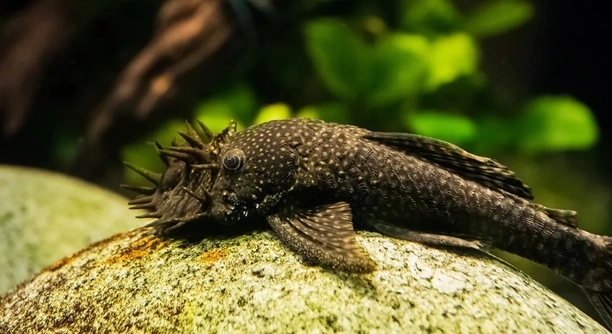
Do your plecos seem less active than usual or cling to the tank glass for long periods? Many aquarists notice subtle changes in behavior that indicate their tank’s oxygen levels might be insufficient for these freshwater fish.
Insufficient oxygen in a pleco tank can cause stress, weakened immune systems, and abnormal behavior. Monitoring oxygen levels, ensuring proper water circulation, and maintaining clean filtration are critical steps to sustain a healthy aquatic environment.
Recognizing early signs can prevent serious health issues and ensure your plecos remain vibrant and active in their tank environment.
Gasping at the Surface
When plecos start coming up to the water surface more often than usual, it is usually a clear indication that the tank’s oxygen levels are too low. Fish rely on dissolved oxygen in the water to breathe, and when the concentration drops, they instinctively seek areas where oxygen is more available. This behavior is more noticeable during warmer months when water holds less oxygen naturally. Tank overcrowding, inadequate filtration, or lack of water movement can worsen the problem. Observing your pleco and other tank mates can provide early signs before serious health issues arise. Even minor adjustments, such as adding an air stone or increasing water circulation, can make a significant difference. Maintaining clean water and regularly checking filtration systems ensures your plecos remain active and healthy. Continuous monitoring is key to preventing stress and potential illness caused by low oxygen.
Gasping behavior should never be ignored, as prolonged oxygen deprivation can lead to disease and lethargy.
Regular water testing and improving aeration are effective strategies to reduce surface gasping and maintain a stable environment.
Lethargy and Reduced Movement
Reduced activity is often one of the first subtle signs that oxygen levels are insufficient. Plecos that normally explore the tank may become sluggish or stay in one spot for long periods. Low oxygen affects metabolism, making fish less energetic and slower to react. Tank conditions such as high temperatures, overcrowding, or overfeeding can contribute to oxygen depletion. Observing patterns in activity helps identify if the issue is environmental rather than illness. Addressing oxygen problems early prevents long-term stress, which can weaken their immune systems and increase susceptibility to infections. Ensuring proper water flow and aeration supports both movement and health. Small adjustments, like adding plants or using an air pump, can restore balance without major tank modifications. Healthy plecos should display consistent movement and curiosity, so sudden lethargy is a warning signal. Monitoring oxygen levels regularly helps maintain vitality.
Adding an air stone or increasing filtration flow can significantly improve activity levels and overall tank health.
A combination of water circulation, temperature regulation, and attention to stocking density can restore oxygen levels. Overfeeding should be avoided, as decomposing food consumes oxygen. Incorporating these measures maintains a stable and supportive environment, allowing plecos to regain normal activity patterns. Regular maintenance ensures long-term stability, preventing further lethargy caused by low oxygen or other environmental stressors.
Clinging to Decorations
Plecos may cling to decorations or tank walls more frequently when oxygen is low. This behavior allows them to conserve energy and access small pockets of oxygen. It’s a subtle signal that their environment might need attention.
When plecos stay attached to tank surfaces for extended periods, it often indicates insufficient oxygen. Reduced water movement or overcrowding can make oxygen less available in some areas of the tank. Decorations, driftwood, or plants can provide temporary relief, but they are not a permanent solution. Improving circulation with a filter adjustment or adding an air stone ensures oxygen reaches all areas. Observation is key; a sudden increase in clinging behavior signals the need for immediate action. Keeping water quality high and avoiding excessive feeding also supports proper oxygen levels and overall fish health.
This behavior is often accompanied by slower swimming and reduced interaction with other tank inhabitants. Plecos will remain stationary more than usual, only moving to feed or relocate. Monitoring these patterns helps determine if oxygen levels are consistently low. Regular checks and adjustments prevent stress and long-term health problems, ensuring the tank environment remains stable and supportive for your fish.
Rapid Gill Movement
Rapid gill movement is one of the most noticeable signs of oxygen deficiency. It shows that plecos are working harder to extract oxygen from the water. Immediate action is required to prevent prolonged stress.
Increased gill movement indicates the fish are compensating for low oxygen. Tank conditions such as high temperatures, overcrowding, or organic waste buildup reduce oxygen availability, forcing plecos to breathe faster. This reaction can be seen when plecos are stationary but their gills are moving rapidly. Ensuring adequate aeration through pumps, air stones, or stronger water flow helps reduce stress. Consistent water testing is essential to identify deficiencies before they lead to severe health issues. Maintaining proper filtration and avoiding excess feeding also supports stable oxygen levels.
If rapid gill movement persists, plecos may experience fatigue, reduced appetite, and heightened susceptibility to disease. Interventions like partial water changes or adding live plants can improve oxygenation. Adjusting temperature and monitoring stocking levels also help stabilize conditions. Observing gill activity daily provides early warning of environmental issues, allowing corrective action to protect fish health and maintain a balanced aquatic ecosystem.
Pale or Faded Color
Low oxygen can cause plecos to lose their vibrant color. A dull or pale appearance often signals stress and decreased overall health.
Color changes should be monitored alongside behavior. Faded plecos may also show slower movement or cling more to surfaces, emphasizing the need for improved oxygenation and tank care.
Erratic Swimming
Erratic or frantic swimming is often a response to low oxygen levels. Plecos may dart around the tank or swim in unusual patterns, trying to locate better-oxygenated areas. Rapid, irregular movement can increase stress and energy use, worsening their condition.
Maintaining stable oxygen levels and proper water circulation reduces this behavior. Adding air stones, increasing filter flow, and ensuring the tank is not overcrowded helps plecos regain normal swimming patterns and reduces stress-related movements. Observing these changes early allows for adjustments before health declines.
Frequent Hiding
Plecos may hide more often when oxygen levels are insufficient. Shelters provide temporary relief, but persistent hiding indicates the need for improved tank aeration.
FAQ
How can I tell if my pleco tank has low oxygen?
Low oxygen often shows through changes in behavior and appearance. Plecos may gasp at the surface, display rapid gill movement, or cling to decorations. They may also become lethargic, swim erratically, or hide more than usual. Observing these patterns alongside water temperature, filtration, and stocking density can confirm oxygen issues.
What immediate steps should I take if oxygen seems low?
Start by improving water circulation and aeration. Adding an air stone or increasing filter flow helps distribute oxygen throughout the tank. Performing partial water changes can also raise dissolved oxygen levels. Ensure the tank is not overcrowded, and remove any decaying plant material or excess food that consumes oxygen.
Can tank temperature affect oxygen levels?
Yes, warmer water holds less oxygen. If the temperature rises above the ideal range for plecos, they may struggle to get enough oxygen. Maintaining consistent water temperature and providing adequate aeration helps prevent oxygen depletion and reduces stress on the fish.
Will adding plants help with oxygen levels?
Live plants can contribute oxygen through photosynthesis, especially during the day. However, plants alone are usually not enough to maintain optimal oxygen for plecos, particularly in crowded or heavily stocked tanks. Combining plants with air stones, filters, and water circulation is the most effective approach.
How often should I check oxygen levels?
Regular observation is more practical than constant measurement. Watch for behavioral signs like gasping, clinging, or hiding. For precise monitoring, test dissolved oxygen levels weekly using an aquarium test kit. Keeping track ensures early detection and prevents long-term health problems.
Can low oxygen cause illness in plecos?
Yes, chronic low oxygen weakens the immune system, making plecos more susceptible to infections and stress-related illnesses. Promptly addressing oxygen deficiencies reduces the risk of disease and supports overall vitality. Proper tank maintenance and environmental management are essential for prevention.
What long-term measures improve oxygen levels?
Maintain a clean, well-filtered tank and avoid overstocking. Use air stones, adjust filter flow, and consider a small water pump for larger tanks. Regular partial water changes, removing waste, and keeping temperature stable all contribute to a healthier oxygen environment.
Are there signs that are often mistaken for low oxygen?
Yes, illness, poor water quality, or stress from overcrowding can mimic low oxygen signs. Distinguishing between these factors requires careful observation of behavior, water parameters, and overall tank conditions. Ensuring clean, stable water with proper aeration helps address multiple potential issues.
Can I use bubbler devices continuously?
Yes, continuous use of air stones or bubblers is safe and often recommended for tanks with plecos. They improve oxygen distribution and create gentle water movement, which benefits the fish. Ensure the device does not disturb plants or create excessive currents that stress the plecos.
How do I prevent low oxygen in the future?
Regular maintenance is key. Keep the tank clean, avoid overfeeding, maintain proper stocking levels, and monitor temperature. Combine natural and mechanical aeration methods, such as plants, air stones, and proper filtration. Early detection of behavior changes ensures plecos remain healthy and active long-term.
This FAQ provides clear steps to identify, address, and prevent low oxygen, keeping plecos active, healthy, and vibrant in their environment.
Final Thoughts
Maintaining proper oxygen levels in a pleco tank is essential for the health and well-being of your fish. Plecos are resilient, but they rely on consistent water conditions to stay active and thrive. Observing behavioral cues, such as gasping at the surface, rapid gill movement, or clinging to decorations, helps identify potential problems before they become serious. Lethargy, pale coloration, and erratic swimming are additional signs that the environment may need attention. Acting early by improving water circulation, adjusting filtration, or adding an air stone can prevent long-term stress and health issues. Keeping the tank clean and avoiding overcrowding also supports stable oxygen levels and overall water quality, creating an environment where plecos can flourish. These steps, while simple, have a significant impact on maintaining a healthy aquatic habitat.
Regular maintenance and monitoring are key to preventing oxygen deficiencies. Partial water changes, removing excess food or debris, and maintaining proper temperature are all small actions that contribute to a balanced environment. Live plants can also help support oxygen levels during the day, though they should complement mechanical aeration rather than replace it. Observing your plecos on a daily basis allows you to notice subtle changes in behavior and respond quickly. Even minor adjustments, like repositioning a filter or adding an air stone, can make a noticeable difference in the tank’s oxygen distribution. Over time, consistent care ensures that plecos remain active, display vibrant coloration, and exhibit natural behaviors. Understanding how oxygen interacts with other aspects of the tank environment empowers you to maintain a stable, healthy habitat without relying on drastic measures or frequent interventions.
It is important to remember that oxygen levels affect more than just movement or appearance. Low oxygen can weaken the immune system, making plecos more prone to disease and reducing their lifespan. By focusing on proper aeration, water quality, and balanced stocking, you create an environment that supports their overall health. Observing behavior, maintaining equipment, and performing regular checks form the foundation of effective care. Healthy plecos are more likely to display natural foraging behaviors, interact with their surroundings, and adapt to minor environmental changes without stress. Consistent attention to these details ensures long-term stability in the tank and contributes to a rewarding experience for both the fish and the aquarist. Prioritizing oxygen management is a straightforward but impactful way to ensure plecos remain vibrant, healthy, and active throughout their time in the aquarium.

Hello,
If you enjoy the content that we create, please consider saying a "Thank You!" by leaving a tip.
Every little bit helps us continue crafting quality advice that supports the health, happiness, and well-being of pets around the world, for pets of all shapes, sizes, and species.
We really appreciate the kindness and support that you show us!