
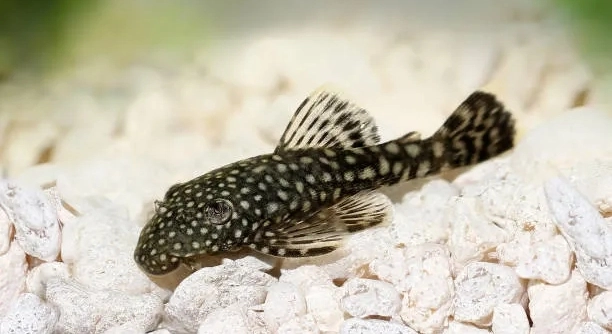
Are your peaceful plecos struggling to find compatible tank mates? Many aquarists face the challenge of creating a harmonious environment that allows these gentle fish to thrive without stress or aggression. Choosing companions carefully ensures balance.
The best tank mates for peaceful plecos are species that share similar temperaments and water requirements. Ideal companions include small, non-aggressive fish such as tetras, corydoras, and rasboras. These choices minimize conflict while promoting a stable and healthy aquarium ecosystem.
Finding the right companions can transform your tank into a calm and enjoyable aquatic space. Proper selection helps plecos flourish alongside compatible fish.
Corydoras Catfish
Corydoras catfish are ideal companions for peaceful plecos due to their calm nature and similar water preferences. These bottom-dwelling fish are active during the day, gently scavenging the substrate without disturbing other tank inhabitants. They come in various sizes and patterns, adding subtle color to the tank while staying non-aggressive. Corydoras prefer a soft substrate to protect their sensitive barbels, making them compatible with the hiding spots and smooth surfaces plecos enjoy. Their social behavior means they thrive in groups of at least three to five, which encourages natural activity and reduces stress. Providing proper hiding spaces, gentle filtration, and regular water changes ensures they remain healthy alongside plecos. Additionally, corydoras contribute to keeping the tank clean by consuming leftover food and debris without interfering with the plecos’ feeding habits. Their modest size and peaceful temperament make them a reliable choice for a balanced, harmonious community aquarium where all species coexist comfortably.
Corydoras catfish integrate seamlessly with plecos, enhancing tank dynamics without causing conflict or territorial disputes.
These fish also help maintain substrate cleanliness while encouraging natural activity. When kept in groups, corydoras exhibit lively interactions that are enjoyable to observe, making them a practical and visually pleasing addition to a pleco tank.
Harlequin Rasboras
Harlequin rasboras are small, peaceful fish that move in coordinated schools, reducing stress for plecos and other tank mates. Their vibrant coloring adds visual interest without promoting aggression or territorial behavior.
Harlequin rasboras thrive in slightly acidic to neutral water, matching plecos’ requirements, and prefer planted tanks that offer open swimming space and shaded areas. Schools of six or more help them feel secure, which minimizes stress and supports natural behaviors. They feed primarily on micro-pellets and flakes, allowing plecos to occupy the bottom without competition. Their peaceful temperament ensures they coexist with plecos and other gentle species without issues. Introducing harlequin rasboras can also enhance the overall energy of the tank, providing movement and contrast above the plecos’ slower bottom activity. Regular monitoring of water quality and maintaining a stable temperature are key to keeping both species healthy. With proper care, harlequin rasboras can live harmoniously alongside plecos, creating a balanced and visually appealing aquarium environment.
Neon Tetras
Neon tetras are small, peaceful fish that add bright color to a pleco tank. They swim in schools, keeping movement lively while staying non-aggressive, making them excellent companions for bottom-dwelling plecos.
These fish prefer slightly acidic to neutral water, which aligns well with the conditions plecos need. Neon tetras are active in the mid to upper levels of the tank, avoiding competition for space and food with plecos that remain at the bottom. Their schooling behavior creates a natural sense of security, reducing stress for all tank inhabitants. They accept a variety of foods, including flakes and micro-pellets, and their minimal size ensures they do not disturb larger or more territorial species. Regular maintenance and monitoring of water quality help keep neon tetras and plecos healthy together. Their calm temperament and adaptability make them a practical addition to a peaceful community aquarium.
Neon tetras also encourage visual contrast in the tank, highlighting the plecos’ unique patterns and movements. Their small size and schooling behavior support harmony.
Otocinclus Catfish
Otocinclus catfish are excellent algae eaters that coexist peacefully with plecos. Their gentle nature prevents conflicts, and they occupy similar bottom-to-mid tank zones without disturbing other fish. Their small size makes them non-threatening to larger species.
Otocinclus thrive in well-established tanks with plenty of hiding spots and smooth surfaces. They feed mainly on algae, helping maintain a clean aquarium without competing with plecos for food. Their social behavior encourages keeping them in groups of at least four or five, which reduces stress and promotes natural interactions. These catfish are sensitive to water conditions, so regular water changes, gentle filtration, and stable temperatures are essential. Despite their delicate appearance, otocinclus can live for several years if cared for properly. Combining them with plecos creates a functional and visually appealing tank, as they complement plecos’ bottom-dwelling habits while contributing to algae control. Their quiet, cooperative behavior ensures the tank remains peaceful and well-balanced.
Guppies
Guppies are small, peaceful fish that add lively color to a pleco tank. Their active swimming in the mid to upper levels complements plecos’ bottom-dwelling habits without causing stress or competition.
They are adaptable to a range of water conditions, which aligns with plecos’ requirements. Guppies are easy to feed and generally non-aggressive, making them reliable companions in a community tank.
Cherry Barbs
Cherry barbs are gentle, non-aggressive fish that thrive in groups. Their calm behavior ensures they coexist smoothly with plecos while adding subtle red hues to the aquarium.
Kuhli Loaches
Kuhli loaches are slender, bottom-dwelling fish that move quietly alongside plecos. Their nocturnal habits and peaceful nature prevent conflicts, and they help aerate the substrate, benefiting overall tank health.
Zebra Danios
Zebra danios are active swimmers that occupy the mid to upper levels of the tank. Their energetic movements complement plecos’ slower pace and create a balanced, dynamic aquarium environment.
FAQ
What tank size is best for plecos and their tank mates?
A minimum of 30 gallons is recommended for smaller plecos, like bristlenose species. Larger plecos, such as common plecos, require at least 75 gallons. Tank mates need enough space to swim freely and establish territories. Proper space reduces stress and aggression, ensuring all fish remain healthy.
Can plecos live with aggressive fish?
Plecos are generally peaceful, and aggressive fish can stress them out. Avoid pairing plecos with cichlids, larger barbs, or fin-nipping species. Aggressive fish can damage plecos’ fins or disturb their feeding areas. Choosing calm, non-territorial species helps maintain a harmonious aquarium environment.
Do plecos need hiding spots?
Yes, plecos need caves, driftwood, and shaded areas. Hiding spots allow them to rest, reduce stress, and mimic their natural environment. Tank mates like corydoras or loaches benefit from hiding spaces as well. Without shelters, plecos may become stressed or display unusual behavior.
How many tank mates can I add with plecos?
The number depends on tank size and species. Smaller tanks require fewer companions, while larger tanks can support multiple peaceful species. Consider water quality, oxygen levels, and territorial needs. Overcrowding can cause stress, disease, and competition for food.
What do peaceful plecos eat alongside other fish?
Plecos are primarily herbivores but may eat protein occasionally. They enjoy algae wafers, vegetables, and driftwood. Tank mates like tetras, rasboras, or corydoras typically eat flakes or pellets. Feeding different species appropriately prevents competition and ensures all fish get proper nutrition.
Are plecos compatible with schooling fish?
Yes, schooling fish such as neon tetras, harlequin rasboras, and cherry barbs are compatible. They swim in groups above the plecos, avoiding conflicts. Schools provide security for smaller fish and help maintain a calm tank environment. Plecos remain at the bottom without interfering with their movements.
Do plecos need special water conditions with tank mates?
Plecos prefer slightly acidic to neutral water, moderate temperature, and low to moderate currents. Tank mates should share similar requirements to avoid stress or illness. Maintaining stable water parameters ensures both plecos and companions thrive. Regular water testing and partial water changes are essential.
Can plecos damage plants in the tank?
Some plecos, like common plecos, may uproot delicate plants while foraging. Smaller species, such as bristlenose plecos, are less likely to cause damage. Pairing them with hardy plants or artificial decorations reduces disruption and preserves the aquarium layout.
How do I prevent aggression between plecos and tank mates?
Choose species with compatible temperaments and similar water needs. Provide enough hiding spots, space, and food for all fish. Observe interactions regularly and separate individuals if necessary. Balanced stocking and careful monitoring prevent stress and conflict in a community aquarium.
Are plecos nocturnal, and does this affect tank mates?
Plecos are primarily nocturnal, meaning they are most active at night. Daytime activity is minimal, which allows mid and upper-level tank mates to move freely. Providing shaded areas helps plecos feel secure while coexisting peacefully with other species.
Can plecos be kept with shrimp or snails?
Yes, peaceful plecos often coexist with snails and shrimp. They generally ignore these invertebrates if ample food is available. Shrimp may benefit from leftover food, and snails help clean algae. Avoid aggressive pleco species that may disturb smaller invertebrates.
How often should I feed plecos and their tank mates?
Plecos typically need feeding once daily or every other day with algae wafers or vegetables. Tank mates like tetras, rasboras, or barbs require small, frequent feedings of flakes or pellets. Feeding schedules must consider species needs to avoid overfeeding or competition.
Can I mix multiple pleco species in the same tank?
Yes, but ensure similar size and temperament. Avoid combining very large plecos with smaller ones, as competition for hiding spots and food can arise. Monitor their interactions and provide plenty of space and shelters to prevent stress and territorial disputes.
Do plecos help clean the tank?
Plecos assist with algae control, but they are not a complete cleaning solution. Additional maintenance, such as water changes and substrate cleaning, is necessary. Tank mates like corydoras, loaches, and snails can further support a clean, balanced environment.
How long do plecos live with proper care?
Plecos can live 10–15 years or longer, depending on the species. Tank mates with similar needs support their longevity by reducing stress. Consistent feeding, water quality, and environmental enrichment are essential for a healthy, long-lived pleco.
Are there signs of stress in plecos when tank mates are incompatible?
Yes, stressed plecos may hide excessively, refuse food, or display unusual swimming patterns. Tank mates may also show aggression, chasing or nipping. Observing behavior and adjusting the aquarium setup can resolve compatibility issues.
How can I introduce new tank mates safely?
Quarantine new fish to prevent disease. Introduce them gradually and observe interactions closely. Provide extra hiding spaces and maintain stable water parameters. Slow introduction helps plecos and other species acclimate, reducing stress and the risk of conflict.
Can plecos live with goldfish?
Goldfish are generally not ideal companions due to differing temperature and water chemistry needs. Goldfish prefer cooler water, while plecos need slightly warmer conditions. If paired, careful monitoring and adjustments are necessary, but it is often better to select more compatible species.
Are plecos compatible with bettas?
Peaceful plecos can coexist with non-aggressive bettas if the tank is large enough and hiding spaces are provided. Avoid pairing with aggressive bettas, as they may nip pleco fins. Monitoring interactions ensures both species remain safe and stress-free.
Do plecos need driftwood in the tank?
Yes, driftwood provides a natural hiding spot and a source of dietary fiber for many pleco species. It also enhances water quality slightly and mimics their natural habitat. Most tank mates are unaffected, and driftwood helps create a balanced, comfortable environment for all fish.
How do I choose tank mates for juvenile versus adult plecos?
Juvenile plecos are smaller and more vulnerable, so smaller, peaceful species are preferable. Adult plecos can coexist with larger non-aggressive fish, but territorial disputes may occur if hiding spots are limited. Consider size, temperament, and tank layout when selecting companions.
Are schooling fish necessary in a pleco tank?
Schooling fish are not required but improve tank dynamics. They reduce stress in smaller species by providing security in numbers and create visual interest without disturbing plecos. Combining schools with bottom-dwellers like plecos balances movement and activity across the tank levels.
Can plecos and shrimp reproduce together safely?
Yes, but shrimp may become prey if plecos are large or aggressive. Smaller pleco species are less likely to threaten shrimp. Providing hiding spots and ample food ensures that shrimp populations remain stable while plecos coexist peacefully.
Do plecos need temperature-specific companions?
Yes, selecting tank mates that thrive in the same temperature range is essential. Plecos prefer 72–78°F (22–26°C), so companions must tolerate similar conditions to prevent stress, disease, or weakened immune systems. Stable temperatures are crucial for a harmonious aquarium.
How often should I monitor water parameters with multiple species?
Regular testing of ammonia, nitrite, nitrate, pH, and temperature is recommended at least once a week. Multiple species produce varying waste loads, so consistent monitoring ensures water quality remains safe. Adjustments and water changes prevent stress and health issues in plecos and tank mates.
Can plecos adapt to community tanks quickly?
Yes, plecos can adapt within a few days to weeks if the tank is stable and provides hiding spaces. Slow acclimation of tank mates and maintaining proper conditions helps reduce stress and ensures a peaceful, balanced environment.
Are there specific behaviors that indicate compatibility issues?
Signs include chasing, nipping, hiding excessively, or refusing food. Tank mates should show calm, predictable behavior. Adjusting the tank layout, adding hiding spots, or separating incompatible species resolves most conflicts. Consistent observation is key to maintaining harmony.
Do plecos interact with mid-level swimmers like tetras?
Interactions are minimal. Plecos focus on the bottom of the tank, while tetras and similar fish occupy the mid-level. This natural separation reduces conflict and allows all species to coexist comfortably without interfering with each other’s space.
How long does it take for new tank mates to settle with plecos?
New fish may take several days to two weeks to adjust fully. Gradual acclimation, proper hiding spots, and stable water parameters support a smooth integration, ensuring plecos and companions coexist peacefully.
Are there signs of a successful pleco community tank?
Yes, all species display normal swimming patterns, active feeding, and healthy coloration. Minimal hiding, absence of aggression, and visible algae control indicate that plecos and tank mates thrive together in a balanced environment.
Can plecos live with both schooling and bottom-dwelling species?
Yes, plecos naturally occupy the bottom, leaving mid and upper tank areas to schooling fish. Combining species with complementary levels maximizes space, reduces stress, and promotes a dynamic yet peaceful aquarium ecosystem.
Do plecos prefer dim or bright lighting with tank mates?
Plecos prefer dim lighting or shaded areas, while many mid-level companions can tolerate moderate light. Using plants, decorations, or floating cover helps create zones of shade for plecos without affecting other fish. This ensures comfort for all species.
Can plecos help reduce algae naturally in the tank?
Yes, plecos graze on algae, particularly on surfaces and driftwood. While they aid in maintaining cleanliness, they cannot replace regular maintenance. Combining algae-eating plecos with snails or otocinclus enhances natural cleaning without disturbing tank mates.
What precautions should I take when introducing multiple species to a pleco tank?
Quarantine new fish, monitor water quality, and provide adequate space and hiding spots. Gradual introduction reduces stress, prevents disease, and ensures peaceful interactions among plecos and tank mates.
Are plecos suitable for beginner aquarists with community tanks?
Yes, smaller species like bristlenose plecos are low-maintenance and adaptable. Choosing compatible, peaceful tank mates simplifies care. Observing feeding habits, water quality, and hiding spaces helps beginners maintain a healthy, harmonious aquarium.
Do plecos require different feeding schedules than their tank mates?
Plecos often feed at night or once daily, while other species may need multiple feedings. Adjusting feeding times and amounts ensures all fish receive proper nutrition without competition or waste accumulation.
Can plecos be aggressive toward their own species?
Some species may show mild territorial behavior, especially adults in confined spaces. Providing multiple hiding spots and adequate space reduces conflicts. Keeping similar-sized plecos together in larger tanks generally prevents serious aggression.
Is it necessary to decorate the tank differently for plecos and tank mates?
Yes, creating distinct zones—caves and driftwood for plecos, open swimming areas for mid-level fish—ensures all species have suitable environments. Balanced decorations support natural behaviors and reduce stress in a community tank.
Do plecos require supplements in addition to their diet?
Plecos benefit from occasional vegetables, algae wafers, and driftwood. Supplements such as blanched zucchini or cucumber provide fiber and nutrients. Ensuring varied food supports health and complements tank mates’ diets without competition.
How can I tell if plecos are compatible with a new species before adding them?
Research species behavior, size, and water requirements. Observe community dynamics in similar tanks or consult aquarist guides. Gradual introductions and monitoring interactions allow you to detect compatibility issues early and maintain a peaceful environment.
Are plecos compatible with small schooling fish like rasboras and danios?
Yes, small, peaceful schooling fish occupy different tank levels and do not interfere with plecos’ bottom-dwelling habits. This separation reduces conflict, ensures adequate feeding space, and promotes a balanced aquarium environment.
Can plecos survive with snails without harming them?
Most peaceful plecos coexist with snails safely. Large plecos may occasionally disturb shells while foraging, but smaller species generally ignore snails. Adequate food and hiding spots help protect invertebrates while plecos graze naturally.
Do plecos need special care if tank mates are active swimmers?
No, plecos adapt well as long as they have hiding spots and food. Active swimmers occupy mid to upper tank levels, leaving the bottom to plecos. This natural separation reduces stress and ensures a peaceful coexistence.
How do I maintain harmony in a mixed pleco tank long-term?
Regular water changes, proper feeding schedules, adequate hiding spots, and observing behavior are key. Adjusting stocking levels and maintaining stable water parameters prevent stress and aggression, supporting a healthy and balanced tank for plecos and their companions.
Can plecos tolerate fluctuating water conditions if tank mates are sensitive?
No, plecos prefer stable conditions. Sensitive tank mates may suffer if parameters fluctuate. Maintaining consistent temperature, pH, and cleanliness ensures all species thrive without stress or illness.
Are plecos compatible with fish that prefer cooler water?
Generally not. Plecos thrive in slightly warmer water, while cool-water species may experience stress or slowed growth. Selecting species with similar temperature ranges ensures a peaceful and healthy tank environment.
Do plecos interact with schooling fish socially or only share space?
Plecos mainly share space. Schooling fish move together in the mid-level, while plecos occupy the bottom. Their interactions are minimal but harmonious, creating a visually dynamic yet peaceful aquarium environment.
Can plecos coexist with shrimp that reproduce rapidly?
Yes, most plecos ignore small shrimp if ample food is provided. Providing hiding spots and plants protects shrimp populations while allowing plecos to forage naturally. Observing interactions ensures both species remain safe.
Are plecos compatible with bettas if the tank is heavily planted?
Yes, plants create zones of shade and hiding spots, reducing territorial disputes. Peaceful bettas and plecos can coexist if space is adequate and interactions are monitored.
Do plecos need a separate diet from tank mates that are omnivores?
Yes, plecos are primarily herbivores and require algae wafers or vegetables, while omnivorous tank mates need protein-rich foods. Feeding separately ensures all species receive proper nutrition without conflict.
Can plecos live with fast-moving fish without stress?
Yes, as long as plecos have hiding spots and bottom areas to retreat. Fast-moving mid-level fish do not usually interfere, allowing plecos to feed and rest comfortably.
Are there signs that plecos prefer specific tank mates?
Plecos show calm behavior, active feeding, and minimal hiding with compatible species. They may swim alongside non-aggressive tank mates without displaying stress or defensive behavior, indicating compatibility.
How do I handle plecos that become territorial with tank mates?
Provide extra hiding spots, increase tank size if possible, and monitor interactions. Separating aggressive individuals temporarily or permanently may be necessary to maintain a peaceful tank.
Can plecos thrive with small schooling fish in a planted tank?
Yes, plants provide shade, hiding, and natural boundaries. Schooling fish occupy the mid-level while plecos graze at the bottom. This combination supports peaceful coexistence and a visually appealing tank.
Do plecos need water flow adjustments when kept with active swimmers?
Plecos tolerate gentle to moderate flow. Active swimmers prefer some current, so balancing water movement ensures both species remain comfortable. Careful placement of filters and decorations can create zones suitable for all.
Are plecos compatible with fish that prefer slightly acidic water?
Yes, most plecos thrive in slightly acidic to neutral water. Tank mates with similar pH preferences reduce stress and disease risk, ensuring all species maintain good health.
Do plecos help reduce algae without affecting other species?
Yes, plecos primarily graze on surfaces and driftwood, leaving tank mates undisturbed. They contribute to a cleaner tank environment while coexisting peacefully with other fish.
Can plecos be kept with schooling fish in small tanks?
Small tanks require careful stocking. Limit the number of schooling fish and ensure hiding spots for plecos. Overcrowding can lead to stress and competition, so space management is essential.
How do I know if plecos and tank mates are thriving together?
Healthy coloration, normal feeding, minimal aggression, and active movement indicate compatibility. Observing behavior regularly ensures that plecos and companions coexist peacefully.
Are plecos compatible with goldfish in mixed aquariums?
Generally not ideal due to different temperature and water requirements. Goldfish prefer cooler water, while plecos need warmer conditions. Compatibility is difficult, and stress or illness can result.
Can plecos live with active surface feeders?
Yes, plecos occupy the bottom, so surface feeders do not interfere. Proper feeding and space allocation prevent competition and maintain harmony in a mixed tank.
Do plecos interact differently with juvenile versus adult tank mates?
Juveniles are more vulnerable, so plecos may ignore them. Adults require more space and hiding spots. Observing interactions ensures peaceful coexistence.
Can plecos live with snails that reproduce quickly?
Yes, small plecos generally ignore snails. Providing hiding spaces and ample food ensures both species thrive without disruption.
Are plecos compatible with bettas in community tanks?
Peaceful bettas and plecos can coexist if the tank is large, well-planted, and hiding spaces are available. Aggressive bettas should be avoided.
Do plecos require separate feeding areas from other species?
Yes, plecos need algae wafers, vegetables, and driftwood. Separating feeding ensures all species receive proper nutrition and reduces competition.
Can plecos thrive with mid-level schooling fish?
Yes, plecos occupy the bottom while schooling fish swim above. This natural separation promotes a balanced, peaceful environment and reduces territorial conflicts.
How do I prevent plecos from stressing other tank mates?
Provide hiding spots, proper feeding, and adequate space. Monitor interactions and adjust stocking or tank layout as needed to maintain a peaceful environment.
Do plecos require different water parameters than most community fish?
Plecos thrive in slightly acidic to neutral water, moderate temperatures, and low to moderate currents. Selecting tank mates with similar requirements ensures harmony.
Can plecos live with shrimp long-term?
Yes, small peaceful plecos usually coexist with shrimp. Providing food and hiding areas ensures both species thrive without stress.
Are plecos compatible with small barbs?
Cherry barbs are compatible due to their calm nature. Avoid larger or aggressive barbs that may stress plecos.
Do plecos need driftwood in planted community tanks?
Yes, driftwood provides hiding spots and dietary fiber, supporting ple
Choosing the right tank mates for peaceful plecos is an important step in maintaining a healthy and balanced aquarium. Plecos are gentle bottom-dwellers that prefer calm environments and need hiding spaces to feel secure. Selecting companions that share similar water requirements, temperament, and space needs helps prevent stress and aggression. Species like corydoras, otocinclus, and small schooling fish such as tetras or rasboras tend to work well because they occupy different areas of the tank and do not compete for food or territory. Providing proper care, including regular water changes, adequate filtration, and suitable feeding schedules, supports the health of both plecos and their companions.
It is essential to consider not only the species but also the number of tank mates in relation to tank size. Overcrowding can quickly lead to poor water quality, territorial disputes, and stress for all inhabitants. Plecos generally thrive in well-planted tanks with driftwood and hiding spots, which also benefit other species. Grouping schooling fish, like harlequin rasboras or neon tetras, helps reduce stress and encourages natural behaviors. Bottom-dwellers like corydoras and kuhli loaches can coexist peacefully with plecos while helping to clean leftover food and maintain substrate health. Maintaining consistent water parameters, including temperature, pH, and hardness, is crucial to ensure that all species remain healthy and active. Observing interactions regularly allows aquarists to identify any issues early and make adjustments as needed.
When carefully selected and properly cared for, plecos and their tank mates can create a harmonious and visually appealing aquarium. Balanced stocking, combined with suitable hiding spots and feeding practices, encourages natural behaviors and minimizes conflict. Plecos benefit from the presence of other peaceful species that occupy different areas of the tank, while mid-level and top-level swimmers bring energy and movement to the environment. Regular monitoring, maintenance, and attention to water quality are key to long-term success. A well-planned community tank not only supports the physical health of plecos and their companions but also provides a calm and enjoyable environment to observe. By focusing on compatibility, space, and care, aquarists can ensure that peaceful plecos thrive alongside their chosen tank mates for years to come.

Hello,
If you enjoy the content that we create, please consider saying a "Thank You!" by leaving a tip.
Every little bit helps us continue crafting quality advice that supports the health, happiness, and well-being of pets around the world, for pets of all shapes, sizes, and species.
We really appreciate the kindness and support that you show us!