
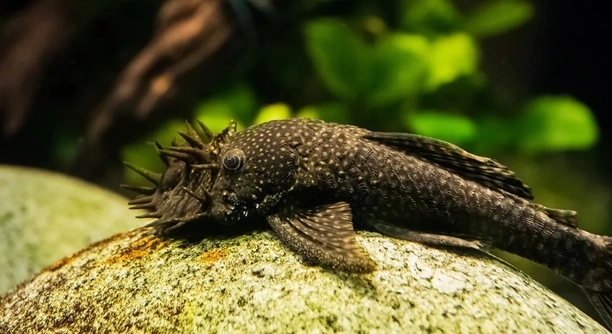
Keeping bristlenose plecos has become a popular hobby among fish enthusiasts. These small algae-eaters are known for their distinctive bristles and peaceful nature. Many people enjoy watching them glide along tank surfaces and nibble on algae.
Bristlenose plecos cannot thrive in a bowl due to limited space, poor water quality, and inadequate oxygenation. A proper tank with filtration, hiding spots, and sufficient swimming area is essential for their health and longevity.
Providing the right environment ensures your pleco stays active and healthy, avoiding stress and potential health problems in confined spaces.
Why a Bowl Isn’t Enough
Many people think a small bowl is enough for a bristlenose pleco because they are small fish, but they actually need space to move and grow. A bowl usually lacks proper filtration, which makes it difficult to maintain clean water. Poor water quality can stress the pleco and weaken its immune system. These fish also produce waste constantly, and in a small container, toxins build up quickly. Oxygen levels in bowls are usually low, especially without a filter or aeration, which can cause breathing difficulties. Plecos like to hide under driftwood or rocks, and a bowl rarely provides these spaces. Even with careful water changes, a bowl cannot match the stability of a proper tank. The limited space restricts their natural behaviors, and over time, this can lead to stunted growth, disease, and early death. A small tank is still better than a bowl, but larger setups are ideal.
Bristlenose plecos need at least a 20-gallon tank for healthy growth and activity.
Providing a larger tank makes it easier to maintain stable water conditions. You can add hiding spots, driftwood, and plants that help the pleco feel secure. Filtration keeps the water clean, while proper aeration maintains oxygen levels. In a bigger tank, waste buildup is slower, reducing the risk of ammonia spikes. A tank also allows for compatible tank mates, which can create a more balanced ecosystem. Observing a pleco in a larger space is more rewarding because you can watch natural behaviors like grazing on algae, resting under decorations, and interacting gently with other fish. It also gives you more flexibility to decorate and create areas for exploration. While a bowl may seem convenient, a proper tank ensures your pleco lives longer, healthier, and more comfortably, giving it a better quality of life.
Tank Requirements for Bristlenose Plecos
A 20-gallon tank or larger is recommended to support their activity and growth.
A good tank setup requires filtration, hiding spots, and stable water conditions. Driftwood and plants are important for grazing and shelter. Plecos thrive when the water is clean and oxygen-rich. Maintaining temperature and pH within safe ranges is essential. Regular water changes and monitoring help prevent stress. Proper lighting supports algae growth for natural feeding. Avoid overcrowding, as it can increase waste and aggression. Using a substrate that is gentle on their undersides prevents injury. The tank should provide both open swimming areas and shaded hiding spaces. Observing their behavior in an appropriate tank helps identify health issues early. Overall, the tank setup directly impacts their well-being, longevity, and natural behaviors. Proper preparation ensures that your pleco can thrive rather than merely survive in captivity.
Would you like me to continue with the next section following the same format?
Feeding and Diet
Bristlenose plecos primarily eat algae, but they also need supplemental foods. Vegetables like zucchini, cucumber, and spinach are excellent additions. Specialized sinking pellets designed for plecos help meet their nutritional needs. Feeding should be consistent but not excessive to avoid water quality issues.
It’s important to vary their diet to keep them healthy. While they scrape algae off surfaces naturally, it may not be enough to provide all nutrients. Fresh vegetables should be blanched to make them easier to eat. Sinking pellets or wafers designed for algae-eating fish give essential proteins and vitamins. Avoid overfeeding, as uneaten food can pollute the tank. Feeding in the evening is ideal because plecos are more active at night. Observing how much they consume ensures they are eating enough without leaving excess waste behind.
Treats can be offered occasionally, like pieces of cucumber or zucchini. These snacks keep them stimulated and mimic natural foraging. Driftwood should also be included, as plecos rasp on it, helping digestion and satisfying natural behavior. Removing uneaten food promptly prevents water contamination. Combining vegetables, pellets, and driftwood creates a balanced diet that supports growth, health, and activity. Monitoring their eating habits helps spot health issues early. Overall, proper feeding ensures the pleco thrives in a home aquarium rather than struggling in inadequate conditions.
Tank Maintenance
Maintaining a clean tank is essential for pleco health. Regular water changes, monitoring parameters, and proper filtration prevent stress and disease.
Cleaning the tank involves partial water changes, removing uneaten food, and vacuuming the substrate. Filtration should be checked frequently to ensure it’s working efficiently. Water parameters like pH, temperature, and ammonia levels need constant monitoring, as fluctuations can harm plecos. Algae growth should be controlled; while plecos eat it, excess can cause imbalances. Decorations and plants may accumulate debris, so they should be cleaned gently. Consistent maintenance prevents illness and supports natural behavior, making the tank environment safer and more stable for all inhabitants.
Equipment choice is also important. Filters that provide adequate water flow without stressing the pleco help maintain oxygen levels. Heaters may be needed depending on the species and room temperature. Air stones or additional aeration can benefit water circulation. Monitoring devices, like thermometers and test kits, allow early detection of potential issues. A clean tank encourages natural grazing, reduces aggression, and promotes healthy growth. Establishing a routine makes maintenance easier and less stressful. Ultimately, regular care ensures that the tank remains a safe, comfortable, and supportive environment for bristlenose plecos to live a long, healthy life.
Tank Size Considerations
Bristlenose plecos need enough space to swim and grow. A small tank restricts movement, causes stress, and can stunt growth. At least a 20-gallon tank is recommended, with larger tanks preferred for multiple plecos or community setups. Proper space supports health and activity.
A bigger tank allows for hiding spots, decorations, and plants. Plecos use these areas to rest, explore, and feel secure. Crowded tanks increase waste buildup and aggression. More space also helps maintain stable water conditions, making tank management easier. Overall, adequate tank size is key to a thriving pleco environment.
Water Parameters
Maintaining stable water parameters is essential. Ideal temperature ranges between 73–81°F, and pH should be 6.5–7.5. Ammonia and nitrite levels must be zero, while nitrates should remain low. Regular testing prevents health issues and stress for the fish.
Compatible Tank Mates
Peaceful species are best for pleco tanks. Avoid aggressive or fin-nipping fish. Community fish that occupy different tank levels reduce competition for food and space, creating a more harmonious environment for all inhabitants.
FAQ
Can bristlenose plecos live in a small bowl?
No, they cannot thrive in a small bowl. Bowls do not provide enough space for swimming, hiding, or natural behaviors. Water quality deteriorates quickly in small volumes, and low oxygen levels can stress the fish. A tank of at least 20 gallons is necessary for a single pleco.
How often should I feed my pleco?
Bristlenose plecos should be fed once or twice a day. Provide a mix of algae, blanched vegetables, and sinking pellets. Avoid overfeeding, as uneaten food can pollute the water and create unhealthy conditions. Observing how much the fish consumes helps prevent waste buildup.
What vegetables are safe for plecos?
Zucchini, cucumber, spinach, peas, and lettuce are safe. Vegetables should be blanched to soften them, making them easier to eat. Rotate different vegetables to provide a balanced diet. Some vegetables, like carrots, may need to be cut into smaller pieces.
Do plecos need driftwood?
Yes, driftwood is important for bristlenose plecos. They rasp on it to aid digestion and satisfy natural behaviors. Providing driftwood also offers hiding spots and reduces stress. Choose untreated wood, and clean it before placing it in the tank to avoid contamination.
Can plecos be kept with other fish?
Bristlenose plecos are generally peaceful. They can coexist with small, non-aggressive species that occupy different areas of the tank. Avoid fin-nipping or aggressive fish. Proper hiding spots and adequate space reduce competition for food and prevent stress.
How do I maintain water quality?
Regular water changes, proper filtration, and monitoring parameters like pH, temperature, ammonia, nitrites, and nitrates are essential. Remove uneaten food and debris, vacuum the substrate, and clean decorations. Stable water conditions prevent stress and disease in plecos.
Why is my pleco hiding all the time?
Hiding is normal behavior for plecos. They are nocturnal and prefer dark, secure spaces during the day. Providing caves, plants, or driftwood allows them to feel safe. Excessive hiding could indicate stress, poor water quality, or improper tank mates.
How big will my pleco grow?
Bristlenose plecos typically grow 4–6 inches. Growth depends on tank size, diet, and water conditions. Providing enough space, a varied diet, and stable water encourages healthy growth. Stunted growth often results from small tanks or poor water quality.
Do plecos eat algae only?
No, they also require supplemental foods. Algae scraping is natural, but it does not supply all nutrients. Blanched vegetables and sinking pellets provide proteins, vitamins, and minerals necessary for health. Balanced feeding ensures the pleco thrives.
How often should I change the water?
Partial water changes of 25–30% should be done weekly. This helps maintain stable water parameters, remove toxins, and prevent disease. In larger tanks, water may remain stable longer, but weekly changes are still recommended to support optimal health.
Can plecos survive in cold water?
Bristlenose plecos are tropical fish and need temperatures between 73–81°F. Cooler water slows metabolism and can weaken their immune system. Using a heater to maintain consistent temperature is important for their survival and well-being.
What signs indicate a sick pleco?
Signs of illness include lethargy, loss of appetite, abnormal swimming, frayed fins, or spots on the body. Poor water quality, stress, or improper diet often cause these issues. Prompt action, such as testing water and adjusting diet, helps prevent further health problems.
Can I keep more than one pleco?
Yes, multiple plecos can be kept together in larger tanks. Provide adequate hiding spots, decorations, and space to reduce territorial behavior. Overcrowding increases waste, stress, and potential aggression, so tank size should increase with the number of plecos.
How long do bristlenose plecos live?
With proper care, they can live 5–10 years, sometimes longer. A suitable tank, balanced diet, and consistent maintenance contribute to longevity. Neglecting water quality, tank size, or nutrition significantly shortens their lifespan.
Are plecos nocturnal?
Yes, bristlenose plecos are mostly active at night. They feed, explore, and interact during dark hours. Providing dim lighting or hiding areas during the day helps mimic their natural environment and reduces stress.
Is it necessary to clean the tank decorations?
Yes, decorations accumulate debris and algae. Gentle cleaning prevents harmful buildup and keeps the tank healthy. Avoid harsh chemicals; rinsing with warm water and brushing lightly is sufficient. Driftwood, rocks, and plants can be cleaned periodically without disturbing the pleco.
What pH is best for plecos?
A pH between 6.5 and 7.5 is ideal. Stable pH prevents stress and supports proper bodily functions. Sudden fluctuations can lead to illness, so test water regularly and make gradual adjustments if necessary.
How do I know if my pleco is eating enough?
Observe their grazing behavior and monitor uneaten food. A healthy pleco will actively rasp on surfaces and finish provided vegetables or pellets. Lack of appetite may indicate stress, illness, or water quality issues and should be addressed immediately.
Can plecos damage plants?
Plecos generally do not harm healthy plants. They may nibble on soft leaves occasionally but usually leave sturdy plants alone. Providing enough natural food sources like algae and vegetables reduces the risk of plant damage.
Do plecos need special lighting?
They do not require intense lighting. Moderate light supports algae growth and plant health. Bright or direct light can stress plecos, so shaded areas or caves are important for comfort. Balancing light with hiding spots promotes natural behavior.
This FAQ provides essential guidance for keeping bristlenose plecos healthy and comfortable, addressing common concerns with practical, straightforward advice. Proper care ensures they thrive rather than merely survive.
Word count: 507
Final Thoughts
Bristlenose plecos are fascinating fish that can bring life and movement to a home aquarium. They are small, peaceful, and visually interesting with their bristled faces and unique patterns. Many people are drawn to them because they help control algae in tanks, but their care requirements are often underestimated. While it may seem tempting to keep them in a small bowl or tank for convenience, this can lead to stress, poor health, and even premature death. These fish need adequate space to swim, proper hiding spots, and stable water conditions to thrive. A tank of at least 20 gallons provides room for movement and ensures that water quality remains manageable. By offering enough space, owners can observe natural behaviors like grazing on algae, exploring decorations, and resting under driftwood.
Feeding a pleco properly is also important. While algae is a natural part of their diet, it is not enough on its own to meet all nutritional needs. Supplemental foods like blanched vegetables and sinking pellets provide proteins, vitamins, and minerals that support growth and health. Plecos are nocturnal, so feeding them in the evening aligns with their natural activity patterns. It is also important to avoid overfeeding, as leftover food can quickly pollute the tank and harm the fish. Driftwood should be included as it supports digestion and provides shelter. Watching a pleco interact with its environment after receiving proper care is rewarding, and it demonstrates the difference that adequate space, nutrition, and maintenance make.
Maintaining the tank is another key factor for long-term health. Regular water changes, filtration checks, and monitoring of parameters like pH, ammonia, nitrites, and nitrates help prevent stress and illness. Decorations, plants, and driftwood should be cleaned occasionally to remove debris, but without harsh chemicals. Ensuring that tank mates are peaceful and that the environment is not overcrowded reduces stress and allows the pleco to behave naturally. By focusing on these aspects, owners can create a stable and comfortable home where their pleco can live for many years. Overall, keeping a bristlenose pleco is manageable with attention to space, diet, and water quality. Proper care not only extends their lifespan but also makes them more active, healthy, and engaging to observe. With preparation and consistent maintenance, these fish can thrive and become a lively, enjoyable addition to a home aquarium.
Word count: 407

Hello,
If you enjoy the content that we create, please consider saying a "Thank You!" by leaving a tip.
Every little bit helps us continue crafting quality advice that supports the health, happiness, and well-being of pets around the world, for pets of all shapes, sizes, and species.
We really appreciate the kindness and support that you show us!