
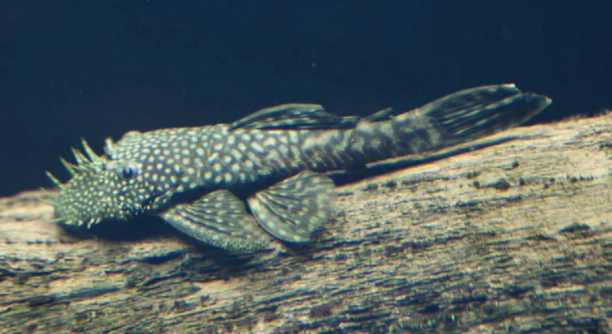
Are your pleco’s colors looking muted or less vibrant than usual? It can be disheartening to see your fish appear dull despite your efforts to maintain a healthy tank and environment for them.
The primary reasons a pleco may appear dull in color include poor diet, inadequate lighting, stress, and suboptimal water conditions. Ensuring a balanced diet, stable water parameters, and a low-stress environment promotes natural pigmentation and overall health.
Maintaining the right conditions and understanding your pleco’s needs will help restore its natural vibrancy and keep it healthy for years.
Common Dietary Issues Affecting Pleco Color
Many plecos lose their bright colors because of what they eat. A diet lacking in variety or essential nutrients can result in a dull appearance. Plecos require a mix of algae, vegetables, and high-quality sinking pellets to thrive. Feeding only one type of food, like standard flake or pellet food, can limit the nutrients they receive. Certain vegetables like zucchini, cucumber, and spinach are rich in vitamins that help enhance coloration. Additionally, incorporating occasional protein sources like bloodworms or shrimp can support overall health and maintain vibrant patterns. Overfeeding can also be harmful, leading to poor water quality and stress, which further dulls their color. Observing your pleco’s eating habits and adjusting portion sizes is crucial. Rotating foods ensures they receive all necessary nutrients. Feeding at consistent times each day reduces stress and encourages regular activity, which in turn can make their colors appear more lively.
A proper diet is fundamental to your pleco’s appearance and overall health.
Keeping track of nutrient intake and observing your pleco’s responses to dietary changes can dramatically improve coloration. Variety, portion control, and quality are key factors.
Environmental Factors That Influence Color
Water quality directly impacts pleco pigmentation. Poor water conditions, including improper pH, hardness, or high nitrate levels, can make plecos appear pale or dull.
Stress from overcrowding, aggressive tank mates, or lack of hiding spots also diminishes color intensity. Plecos need areas to retreat and feel secure. Providing caves, driftwood, and plants reduces stress, supporting healthier skin and pigmentation. Lighting plays a role too; insufficient or excessive light can affect natural color expression. A balanced light cycle that mimics natural day and night encourages vibrant patterns. Monitoring temperature and avoiding sudden changes prevents stress-induced dulling. Regular water changes and testing help maintain ideal conditions. Observing behavior alongside physical appearance allows you to detect early signs of environmental stress. Combining proper diet with a stable and enriched environment maximizes your pleco’s natural coloration.
Healthy water and a calm tank make your pleco show its best colors naturally.
Stress and Its Impact on Pleco Color
Stress is a major factor that can make plecos look pale or muted. Overcrowding, aggressive tank mates, or sudden changes in the environment can trigger stress, directly affecting their pigmentation and overall health.
Plecos need a stable and calm environment to maintain their vibrant colors. Frequent rearrangement of tank decorations, rapid temperature changes, or inconsistent lighting can contribute to stress. Providing plenty of hiding spots like caves and driftwood allows them to feel secure. Observing their behavior can help identify stress—hiding constantly, reduced activity, or loss of appetite are common signs. Stress weakens the immune system and reduces their ability to display natural colors. Maintaining a consistent routine, proper water quality, and peaceful tank conditions supports both health and color expression.
Reducing stress involves careful observation and gradual adjustments. Over time, a calm environment allows plecos to regain brighter colors and show more natural patterns.
Lighting and Color Expression
Proper lighting is essential for plecos to display their full coloration. Insufficient or harsh lighting can dull their patterns and reduce vibrancy.
Plecos are adapted to natural light cycles, so mimicking day and night patterns helps maintain pigmentation. Fluorescent or LED lights should provide enough intensity without stressing the fish. Positioning lights to avoid excessive glare and providing shaded areas can prevent overexposure. Lighting also supports algae growth, which is a natural food source for many pleco species. Too little light can stunt algae development, indirectly affecting diet and color. Monitoring tank illumination and adjusting based on pleco activity ensures they remain active and colorful.
Consistent and balanced lighting encourages natural behavior, which in turn allows colors to develop fully. Combining light management with proper diet and stress reduction maximizes overall vibrancy and health.
Age and Natural Color Changes
As plecos age, their colors can naturally fade. Older fish may not display the same vibrant patterns they had when younger, even under ideal conditions.
Juvenile plecos often show brighter colors, which gradually mellow with maturity. This is a normal process and does not necessarily indicate poor health.
Genetics and Color Variation
Some plecos are genetically predisposed to lighter or more muted colors. Even with optimal care, certain species or strains will never reach intense vibrancy. Understanding your pleco’s lineage helps set realistic expectations.
Seasonal and Environmental Cycles
Color intensity can fluctuate with seasonal changes or variations in tank temperature. Slight shifts in light, water chemistry, or feeding patterns can temporarily alter pigmentation. Monitoring conditions closely ensures plecos maintain consistent coloration.
FAQ
Why is my pleco suddenly losing color?
A sudden loss of color usually points to stress, poor water quality, or illness. Check water parameters like temperature, pH, and nitrate levels. Ensure the tank is stable, not overcrowded, and that the pleco has hiding spots. Illness or parasites can also dull coloration, so observe for unusual behavior or spots.
Can diet really improve my pleco’s color?
Yes, diet plays a key role. Plecos need a mix of vegetables, algae, and high-quality sinking pellets. Vitamin-rich foods like zucchini, spinach, and cucumber help enhance pigmentation. Occasional protein treats, like bloodworms or shrimp, support health. Rotating foods and avoiding overfeeding ensures proper nutrition.
How often should I change the water?
Regular water changes help maintain color and health. For most plecos, changing 20–30% of the water weekly keeps nitrates low and prevents stress. Avoid sudden large changes, as rapid shifts in water chemistry can cause color fading and discomfort.
Does lighting affect color?
Yes, lighting significantly influences coloration. Plecos need a balance between light and shaded areas. Too much light can stress them and fade colors, while too little reduces algae growth, which is part of their natural diet. A consistent day-night cycle is essential.
Can stress make my pleco pale?
Stress is one of the main reasons plecos lose vibrancy. Overcrowding, aggressive tank mates, or constant changes in tank layout can trigger stress. Providing caves, driftwood, and quiet areas allows them to feel secure and maintain natural colors.
Is it normal for plecos to change color as they age?
Yes, aging can naturally dull colors. Young plecos usually have brighter patterns, which fade over time. This is normal and doesn’t indicate poor care. Proper diet and a calm environment can help older plecos retain as much vibrancy as possible.
Do genetics influence pleco color?
Genetics play a large role. Some species or strains are naturally muted, while others are bright. Even with optimal care, genetically predisposed plecos will not develop intense colors. Knowing your pleco’s strain helps set realistic expectations.
Can temperature changes affect color?
Yes, fluctuations in water temperature can impact pigmentation. Sudden drops or spikes can stress the fish and reduce vibrancy. Maintaining a stable temperature that matches the species’ needs supports both health and natural coloration.
How can I tell if dull colors are a health issue?
If your pleco’s color fades along with behavioral changes—such as loss of appetite, lethargy, or unusual spots—this may indicate illness. Investigate water quality, diet, and possible infections. Consulting an aquatic veterinarian may be necessary if symptoms persist.
Will supplements help restore my pleco’s color?
Certain supplements can support coloration if the diet is lacking. Spirulina or carotenoid-rich foods may enhance pigmentation, but they work best alongside a balanced diet and proper tank conditions. Supplements alone cannot replace poor water quality or chronic stress.
Can multiple factors cause dull coloration?
Yes, dull colors are often the result of several combined issues: diet, stress, water quality, lighting, and genetics. Addressing each factor systematically usually produces the best results and restores your pleco’s natural vibrancy over time.
How long does it take for a pleco to regain color?
Recovery time varies based on the cause. With improved diet, stable water conditions, and reduced stress, some plecos regain noticeable color in a few weeks. Genetics and age may limit the extent, but steady care always helps maximize natural coloration.
Are some pleco species naturally duller than others?
Yes, species like the Common Pleco often have muted colors, while others, such as the Clown Pleco or Zebra Pleco, naturally show more vibrant patterns. Researching your specific species helps set realistic expectations for color intensity.
Does tank decor influence color?
Yes, providing hiding spots and shaded areas reduces stress and encourages natural behavior. Driftwood, rocks, and plants allow plecos to feel secure, indirectly supporting healthy pigmentation. A bland or barren tank can contribute to paler colors over time.
Can disease permanently affect color?
Severe or untreated disease can cause permanent changes to pigmentation. Early detection and treatment are crucial. Maintaining overall health through proper water quality, diet, and stress management is the best prevention.
How do I know if lighting is adequate?
Proper lighting balances intensity and duration. Observe your pleco: if it consistently hides or shows faded colors, the lighting may be too strong or weak. Adjust lights gradually and provide shaded areas to mimic natural conditions.
Is it okay for plecos to have dull colors sometimes?
Yes, short-term dulling can happen due to temporary stress or minor changes in environment. Consistent dullness, however, signals a need to check water quality, diet, or potential health issues.
Do plecos regain color after stress?
With proper care, plecos often regain lost color once stress is reduced. Providing hiding spots, stable water conditions, a nutritious diet, and consistent lighting allows them to recover and display natural vibrancy over time.
What’s the most important factor for vibrant color?
A combination of diet, stress management, stable water conditions, and proper lighting is essential. Focusing on each aspect systematically ensures your pleco maintains its healthiest and most colorful appearance.
Can algae in the tank affect color?
Yes, algae is a natural food source for many plecos. A lack of algae can reduce nutrition and dull colors, while moderate growth provides both food and enrichment, helping maintain vibrant pigmentation.
How do I prevent future dulling?
Preventing dull colors involves maintaining water quality, providing a varied diet, reducing stress, offering hiding spots, and monitoring lighting. Regular observation allows early detection of issues, helping your pleco stay healthy and colorful consistently.
Maintaining the natural color of your pleco requires a combination of consistent care and attention to their environment. A dull appearance often signals that something in the tank or diet needs adjustment. Plecos are sensitive to changes in water quality, temperature, and lighting, and they rely on stable conditions to maintain their health and vibrancy. Regular water testing, timely changes, and careful monitoring of temperature and pH levels are essential steps. Even small fluctuations can stress the fish, which in turn can make their colors appear muted. A calm, stable environment not only supports their natural pigmentation but also reduces the risk of illness and behavioral issues, which can further affect appearance.
Diet plays a major role in a pleco’s coloration. Feeding a varied and balanced diet ensures they receive the necessary nutrients to develop and maintain vibrant patterns. Vegetables such as zucchini, spinach, and cucumber provide essential vitamins, while occasional protein sources like bloodworms or shrimp add extra support. Avoid overfeeding, as uneaten food can harm water quality and lead to stress, dulling the colors further. Rotating foods and observing how your pleco responds allows you to identify which foods enhance their natural appearance the most. While supplements can provide extra pigments, they are only effective when paired with an overall healthy diet and proper tank conditions. Attention to nutrition, combined with environmental care, produces the best results over time.
Stress management is equally important for maintaining your pleco’s coloration. Overcrowding, aggressive tank mates, or a lack of hiding spaces can significantly impact their vibrancy. Adding caves, driftwood, and plants creates secure areas where your pleco can retreat and feel safe. Consistency in lighting and tank layout helps reduce sudden stressors. Genetics and age also influence how bright your pleco can become, but even naturally muted fish benefit from attentive care. By addressing diet, environment, and stress in a systematic way, you can support your pleco’s health and help it display its best colors. Over time, careful maintenance will allow even older or naturally subdued plecos to retain as much vibrancy as possible, providing a visually appealing and healthy aquarium.

Hello,
If you enjoy the content that we create, please consider saying a "Thank You!" by leaving a tip.
Every little bit helps us continue crafting quality advice that supports the health, happiness, and well-being of pets around the world, for pets of all shapes, sizes, and species.
We really appreciate the kindness and support that you show us!