
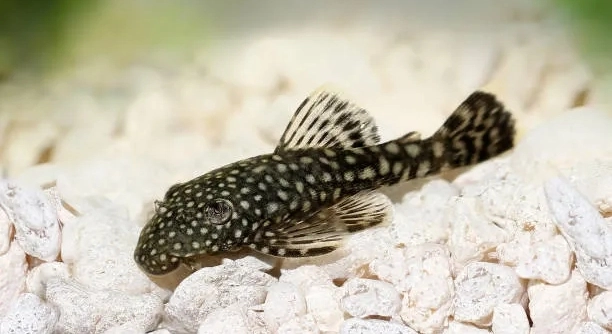
Have you ever noticed your pleco acting differently when you adjust your aquarium’s water flow? Small changes in their environment can sometimes lead to surprising behavior shifts that leave many fish owners wondering why.
Plecos are indeed sensitive to water flow changes, as these adjustments can affect their comfort, oxygen intake, and feeding behavior. Variations in current strength may cause stress or disrupt their normal routines, especially if the change occurs too suddenly.
Learning how water flow influences plecos helps create a calm, balanced aquarium where they can thrive and show their natural behavior with ease.
Why Water Flow Matters to Plecos
Plecos naturally live in rivers and streams with moderate to strong water movement. This means water flow is not just a comfort—it is a key part of their environment. The current helps carry oxygen through the tank, keeps debris from settling, and mimics their natural habitat. When the flow is too weak, plecos may become less active and breathe faster due to low oxygen levels. On the other hand, overly strong currents can tire them out, forcing them to cling to surfaces more than usual. Striking a balance is important for their comfort and health, especially since each pleco species has its own preferred flow strength.
Observing your pleco’s movements can help determine if the water flow feels right. When they rest calmly on surfaces and feed normally, it’s a good sign your tank setup is working well.
A stable and gentle current often brings out the best in plecos.
Signs Your Pleco Is Affected by Flow Changes
Changes in water flow can cause visible behavior shifts in plecos. They may start hiding more often, cling tightly to the glass, or stop eating for short periods. You might also see them swimming against the current more frequently or staying near calmer areas of the tank.
If your pleco reacts this way, it often means the flow changed too drastically. Try adjusting your filter output or adding decorations that break the current into softer streams. Gradual changes are easier for plecos to adapt to, and maintaining steady flow patterns helps prevent unnecessary stress. It’s also wise to check oxygen levels, as improper circulation can lead to low oxygen conditions that make plecos sluggish. Watching your fish closely after any adjustment is the best way to ensure they remain comfortable. When your pleco resumes normal activity, you’ll know the balance has been restored.
How to Adjust Water Flow Safely
Start by making small changes instead of large ones. Sudden shifts in flow can cause stress, even if your pleco seems fine at first. Gradual adjustments give them time to adapt and maintain normal breathing and feeding behavior.
To reduce strong flow, try redirecting your filter’s output toward the tank wall or adding plants and rocks to break the current. If the water feels too still, slightly increase the flow rate until your pleco shows calm, steady movement. Keep an eye on their gill motion and body posture for signs of comfort. Every aquarium setup is different, so minor tweaks can make a big difference in creating a balanced environment that fits your pleco’s needs. Stability in flow helps support oxygen levels and overall tank cleanliness.
Regularly observing your pleco’s response after each change ensures their comfort and keeps your tank conditions consistent over time.
Creating the Ideal Environment
Plecos thrive when their tank resembles a slow-moving stream. Smooth rocks, driftwood, and broad plants provide resting spots and help break the flow. This setup lets them choose between calmer and more active areas depending on their mood or energy level.
Adding air stones or sponge filters can help circulate water evenly without creating harsh currents. Consistent maintenance, like cleaning the filter and monitoring flow output, keeps conditions stable. Avoid using overly strong powerheads unless your pleco species naturally prefers stronger water movement. Balance is key; a peaceful environment encourages natural feeding and reduces stress. When the tank’s flow feels right, your pleco will appear more relaxed, showing healthy color and steady breathing patterns that reflect a stable, happy habitat.
Common Mistakes to Avoid
Many fish keepers mistakenly increase water flow too much, thinking it improves oxygen levels. However, plecos can become stressed when constantly pushed by strong currents. Always check your pleco’s behavior after any adjustment to ensure the change is suitable and not overwhelming.
Another common mistake is cleaning or replacing filter parts too aggressively, which can suddenly alter the flow pattern. This disruption may confuse or stress your pleco. Try to clean filters in stages and avoid switching all parts at once to maintain a consistent water flow.
How Temperature and Flow Work Together
Water temperature and flow have a close relationship that affects pleco comfort. Warmer water holds less oxygen, so maintaining steady flow helps ensure proper oxygen circulation. Cooler water can handle stronger currents, while warmer tanks benefit from gentler flow. Always check temperature stability before adjusting flow settings. Proper balance prevents unnecessary stress and supports healthy breathing.
When to Recheck Your Setup
After every filter cleaning or tank rearrangement, observe your pleco’s behavior for a few days. Subtle shifts in swimming or hiding may signal the need for small flow adjustments to restore their comfort and normal activity levels.
FAQ
How much water flow do plecos need?
Plecos generally prefer moderate water flow. They are adapted to rivers and streams where currents are steady but not too strong. The ideal flow allows them to swim comfortably without being forced against surfaces constantly. Observing your pleco’s behavior is the best indicator. Calm resting, normal feeding, and smooth breathing show the flow is appropriate. Different species have slightly different preferences, so adjust gradually and provide areas of slower current using rocks, driftwood, or plants to let your pleco choose where to stay.
Can sudden changes in flow harm plecos?
Yes, sudden changes can stress plecos. They are sensitive to their environment, and rapid shifts may affect their breathing, feeding, or resting habits. Stress can lead to hiding, sluggishness, or even illness. Gradual adjustments are safer and allow plecos to acclimate without negative effects. When changing flow, observe them for a few days. If they appear restless or cling to surfaces constantly, the change may be too abrupt. Minor adjustments over time ensure a stable and healthy habitat for them.
What are signs of stress from improper flow?
Stress from water flow often shows in behavior. Plecos may hide more than usual, swim frantically, cling tightly to surfaces, or avoid feeding. Rapid gill movement or unusual breathing patterns can also indicate stress. Some plecos may appear lethargic if the flow is too weak. Watching daily behavior is key to detecting stress early. Providing areas with slower water or adjusting filter output can relieve these issues. Consistency in flow and gradual changes prevent long-term stress and help plecos remain healthy and active.
Should I change water flow for different pleco species?
Yes, species differences matter. Some plecos prefer stronger currents similar to rivers, while others thrive in gentler flows found in slower streams or ponds. Research your pleco species’ natural habitat to set up an appropriate flow. Gradually fine-tune the current in your aquarium. Providing varied flow zones with driftwood, rocks, and plants gives them options. Watching where they spend most of their time helps confirm if the flow matches their comfort level. A setup that mimics their natural environment supports feeding, resting, and overall health.
Does tank size affect water flow for plecos?
Tank size plays a significant role. Larger tanks can have stronger filters without overwhelming the fish because the flow spreads out, while small tanks can create overly strong currents easily. Adjusting flow for the size ensures plecos can navigate comfortably. Using obstacles like driftwood or plants helps moderate strong currents in smaller tanks. Proper placement of the filter outlet also guides water in ways that reduce stress. Always observe how your pleco responds to ensure they are not constantly pushed by the flow or avoiding certain areas of the tank.
Can flow changes affect pleco feeding?
Yes, water flow influences feeding habits. Too strong a current can make it difficult for plecos to reach food, while too weak a flow may reduce oxygen circulation, affecting appetite. Provide areas of calm water where they can eat comfortably. Monitor feeding times after adjusting flow to ensure they can access food easily. Gradual changes help them adapt to new conditions. Offering food near resting spots or using sinking pellets ensures they eat without struggling against currents, supporting their health and energy.
How do decorations impact water flow?
Rocks, driftwood, and plants alter water movement and create areas of slower or faster current. These provide plecos options to rest or swim according to their preference. Strategic placement can reduce strong currents near feeding areas and create calm zones for resting. Overcrowding with decorations can block flow too much, so balance is important. Observing your pleco’s preferred spots helps determine if the layout suits their needs. Small adjustments in decorations can improve comfort without major filter changes.
How often should I monitor water flow?
Flow should be monitored regularly, especially after cleaning filters, changing equipment, or rearranging the tank. Daily observation of your pleco’s behavior is the best guide. Even minor changes in tank setup can alter currents, so staying attentive ensures their comfort. Quick checks of gill movement, swimming patterns, and resting locations reveal whether adjustments are needed. Keeping a stable environment prevents stress, supports feeding, and maintains healthy oxygen levels, which are all vital for pleco well-being.
Can plecos adapt to new flow over time?
Yes, plecos can adapt if changes are gradual. Sudden shifts may cause stress, but incremental adjustments allow them to get used to new currents. Observing their behavior during transitions is essential. Providing multiple flow zones gives them choice and helps ease adaptation. Patience and careful monitoring make the adjustment smooth and reduce health risks. Once accustomed, they usually show normal feeding, swimming, and resting behavior, demonstrating that gradual changes in flow can be accommodated safely.
Is strong flow ever beneficial?
Moderate strong flow can benefit some species by improving oxygen circulation and simulating natural habitats. It can also help reduce debris buildup and encourage exercise. However, it must be balanced and monitored, especially in smaller tanks or with species that prefer calmer water. Providing calm zones ensures plecos are not constantly stressed while still receiving the advantages of moving water. Observing your pleco’s comfort level is key to knowing whether stronger flow is suitable.
This FAQ covers most common concerns about plecos and water flow, providing practical guidance for keeping them healthy, comfortable, and active in an aquarium environment.
Final Thoughts
Taking care of plecos requires attention to small details, and water flow is one of the most important factors. Plecos are naturally adapted to environments with gentle to moderate currents, and replicating that in your tank helps them stay healthy. Even small adjustments in flow can affect how they breathe, feed, and rest. Observing your pleco closely after changing the filter output or rearranging the tank can give you a good idea of whether the flow is comfortable. If they cling to surfaces constantly, hide more than usual, or avoid feeding, it usually means the water movement is not quite right. Gradual changes are better than sudden ones because plecos need time to adjust to new conditions. In addition, creating areas of calm water with driftwood, rocks, or broad plants allows them to choose their preferred space, which reduces stress and promotes natural behavior. This is especially important if you have multiple pleco species, as their flow preferences can differ.
Maintaining a balanced aquarium is about more than just water flow, but it plays a central role in creating a healthy environment. Flow affects oxygen levels, cleanliness, and even how waste is carried away from the tank. Proper circulation helps prevent stagnant areas where debris or leftover food can build up, which can lead to poor water quality. When the flow is right, plecos swim and feed naturally, their colors look brighter, and their behavior appears calm and stable. Observing their daily routine provides valuable feedback on whether your tank setup is working or if small adjustments are needed. Adding decorations strategically not only enhances the tank’s appearance but also helps regulate flow. By providing calm zones and gentle currents, you give plecos the choice to move to areas where they feel most comfortable. This balance between active and resting spaces ensures that your plecos remain stress-free and enjoy a stable, supportive environment over time.
Consistency and patience are key when it comes to pleco care. Every pleco has its own personality and needs, so paying attention to subtle changes in behavior is essential. While some plecos handle moderate currents well, others may prefer slower water and sheltered areas. Making slow, careful adjustments to water flow, observing reactions, and providing options for different flow strengths will help your pleco feel safe and comfortable. It’s also important to maintain overall tank health, including temperature, oxygen levels, and water quality, as these factors interact with flow to influence well-being. When your pleco shows steady breathing, relaxed movement, and normal feeding behavior, it is a sign that your efforts are working. Focusing on flow, combined with proper care practices, helps create an aquarium environment that supports your pleco’s natural habits and long-term health, making them a more active, vibrant, and content member of your tank.

Hello,
If you enjoy the content that we create, please consider saying a "Thank You!" by leaving a tip.
Every little bit helps us continue crafting quality advice that supports the health, happiness, and well-being of pets around the world, for pets of all shapes, sizes, and species.
We really appreciate the kindness and support that you show us!