
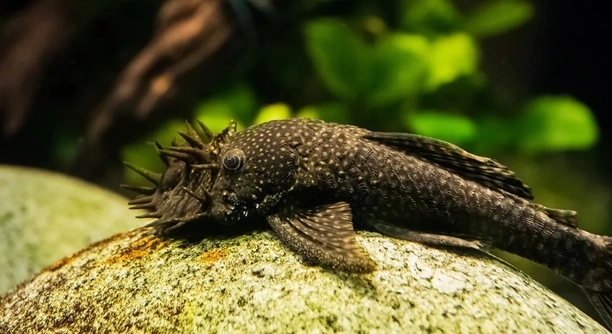
Do Bristlenose Plecos are popular freshwater fish known for their unique appearance and algae-eating habits. Many aquarists enjoy observing them glide along tank surfaces, appreciating their quiet, steady movements in a home aquarium environment.
Bristlenose Plecos are sensitive to sudden changes in lighting. Abrupt illumination can startle them, causing temporary hiding or erratic swimming. Gradual transitions in light intensity are recommended to minimize stress and maintain their natural behavior patterns within the aquarium.
Understanding Plecos’ response to light helps create a more comfortable environment for these fish. Observing their natural routines ensures a healthy and calm tank ecosystem.
Understanding Bristlenose Plecos and Light Sensitivity
Bristlenose Plecos have adapted to dimly lit environments in the wild, where they hide among rocks and plants during daylight hours. Sudden exposure to bright lights can trigger stress responses, making them retreat quickly to hiding spots. Observing these behaviors in a home aquarium can be alarming at first. Plecos may freeze, swim erratically, or cling tightly to surfaces when lights change abruptly. Maintaining a predictable lighting schedule is essential. Using timers or dimmers helps the fish adjust gradually, reducing stress and promoting normal feeding and cleaning behaviors. Over time, Plecos may become more comfortable with moderate light changes, but they still prefer gradual transitions. Monitoring their reactions during routine tank maintenance or feeding provides insight into their comfort levels. Subtle environmental adjustments, like adding floating plants or shaded areas, can further ease light sensitivity. Understanding these needs ensures a healthier, calmer aquarium that reflects their natural behavior patterns.
Gradual light transitions reduce stress and support Plecos’ natural routines, improving overall tank harmony and fish health.
A well-planned tank environment respects Plecos’ sensitivity. Providing shaded areas, hiding spots, and consistent light schedules encourages normal activity and feeding. Sudden bright lights can startle them, leading to erratic swimming or hiding. Observing behavior during lighting changes helps identify stress triggers. Adjusting lighting gradually promotes calm and consistent activity, while maintaining dim areas mimics natural habitats. Over time, Plecos may tolerate moderate light fluctuations if the environment remains predictable. Tank decorations and plants can provide additional shelter, giving the fish a sense of security. Maintaining water quality alongside light management ensures a balanced habitat. By prioritizing gentle transitions and shaded areas, aquarists can reduce stress-related behaviors and enhance Plecos’ overall well-being, making them more visible and active during feeding while still feeling secure.
Best Practices for Light Management
Gradual lighting changes are key to reducing stress in Bristlenose Plecos.
Using timers, dimmers, or indirect light sources helps Plecos adapt naturally. Bright overhead lighting should be introduced slowly, allowing them to acclimate without panic. Adding floating plants or caves creates shaded areas where fish can retreat. Monitoring reactions during light changes gives insight into comfort levels. Regularly observing these responses ensures the tank environment remains suitable. Consistent routines in lighting, feeding, and maintenance prevent sudden stress, keeping Plecos calm and active. Small adjustments can make a significant difference in their behavior. Over time, they will respond positively to controlled light transitions, improving their visibility and activity during the day. Planning tank layout with hiding spots and soft lighting contributes to a healthier and more natural habitat, reflecting their needs from the wild.
Using a combination of timers, shaded areas, and careful observation allows aquarists to manage light effectively. Gradual adjustments prevent stress and support normal behavior patterns.
Implementing controlled lighting practices promotes a calm environment for Plecos. Start by dimming lights slowly during daily transitions or feeding times. Introduce indirect lighting when using strong overhead lamps, and provide consistent shaded areas with floating plants or decorations. Timers ensure a predictable schedule, reducing sudden changes that can trigger hiding or erratic movement. Observing Plecos during these adjustments reveals their comfort levels, allowing fine-tuning of light intensity and duration. Shaded areas and caves mimic natural habitats, offering security while still enabling visibility. Over time, consistent routines in lighting, feeding, and maintenance reinforce normal behavior, making Plecos more active during the day without increasing stress. Combining water quality management, tank structure, and controlled lighting ensures a balanced habitat. This approach encourages calm, healthy Plecos that exhibit natural cleaning and feeding behaviors, enhancing the overall tank experience.
How Sudden Light Affects Behavior
Bristlenose Plecos often respond to sudden light by hiding or freezing. They may cling to tank surfaces or swim quickly toward shaded areas. These reactions are stress responses and indicate discomfort with abrupt changes in their environment.
Stress from sudden light can affect feeding and activity patterns. Plecos may refuse food temporarily or hide for extended periods. Erratic swimming or darting across the tank is common during unexpected brightness. Maintaining predictable lighting schedules and providing shaded areas helps reduce these reactions. Gradual exposure allows Plecos to acclimate while minimizing stress, supporting normal behavior and overall well-being in the aquarium.
Over time, Plecos may learn to tolerate moderate light changes if shaded areas and hiding spots are available. Consistent routines and gentle lighting transitions reduce panic responses. Observing behavior helps identify when lights are too intense or sudden. Adding floating plants or caves gives additional refuge, improving comfort. Controlled lighting combined with stable tank conditions promotes calm and active fish. Plecos that feel secure will resume normal feeding and cleaning activities without prolonged stress.
Tips to Reduce Stress
Gradual light transitions, shaded areas, and indirect light help Bristlenose Plecos adjust without panic or hiding.
Using dimmers or timers creates a predictable environment. Sudden overhead lights should be avoided. Floating plants or decorations provide safe zones. Observing behavior during light changes shows comfort levels and guides adjustments. Proper lighting management reduces stress and supports natural activity patterns, enhancing overall fish well-being.
Implementing controlled lighting requires attention to detail. Start by dimming lights gradually during routine feeding or tank maintenance. Ensure shaded areas or caves are easily accessible for retreat. Timers keep schedules consistent, preventing abrupt brightness. Observe how Plecos react during these changes and adjust intensity if necessary. Combining indirect lighting with decorations helps create a balanced environment that mimics their natural habitat. Calm, stress-free Plecos are more active, visible, and maintain normal feeding and cleaning habits. Consistent management of light and tank structure is key to a healthy aquarium ecosystem.
Recognizing Signs of Stress
Bristlenose Plecos show stress through hiding, erratic swimming, or clinging to surfaces. Loss of appetite or reduced activity are common signs. Recognizing these behaviors early helps prevent prolonged stress and ensures the fish remain healthy.
Observing your Plecos during light changes is essential. Sudden brightness often triggers hiding or darting. Monitoring patterns over time helps determine if adjustments in lighting or tank setup are needed to maintain a calm environment.
Adjusting Lighting Gradually
Start by dimming lights slowly during daily transitions. Use timers or indirect light to avoid abrupt changes. Introducing brighter light in stages allows Plecos to acclimate without panic, maintaining natural feeding and cleaning routines. Consistent routines help them feel secure and reduce stress.
Creating Shaded Areas
Shaded areas give Plecos safe retreat spaces. Floating plants, caves, or decorations help reduce stress and mimic natural habitats. These spots are essential for calm behavior and proper adjustment to light changes.
FAQ
Do Bristlenose Plecos mind sudden lights?
Yes, Bristlenose Plecos are sensitive to sudden changes in lighting. Abrupt brightness can startle them, causing hiding, darting, or clinging to surfaces. They thrive in environments with gradual light transitions. Using timers, dimmers, or indirect lighting helps them adjust without stress, maintaining their normal feeding and cleaning routines.
How can I make light changes less stressful for my Plecos?
Gradual transitions are key. Dim lights slowly or introduce brighter lights in stages. Timers create consistent schedules, while floating plants and decorations provide shaded areas for retreat. Monitoring behavior during these changes ensures Plecos are comfortable and helps identify when light intensity may be too strong.
Why do Plecos hide when the lights turn on suddenly?
Hiding is a natural stress response. In the wild, Plecos avoid bright daylight and predators by staying in shaded areas. Sudden light in a tank triggers this instinct, making them seek refuge until the environment feels safe again. Providing caves or plants mimics this natural habitat.
Will sudden lights affect my Pleco’s health?
Occasional sudden light exposure is unlikely to cause lasting harm, but frequent disturbances can lead to stress. Prolonged stress may reduce appetite, weaken the immune system, or cause abnormal behavior. Maintaining stable lighting and shaded areas helps prevent long-term health issues.
Can Plecos get used to bright tank lights?
Plecos can acclimate to moderate light changes over time if transitions are gradual and shaded areas are available. Consistency is crucial. They will remain calmer and continue normal activities, such as cleaning surfaces and feeding, if the environment supports their natural behaviors.
Are certain times of day better for turning on lights?
Yes. Introducing lights gradually in the morning or during feeding times reduces stress. Avoid sudden switching on during dark periods or at random times. Predictable schedules help Plecos maintain a sense of security and support their natural activity patterns.
Do Plecos prefer dim or bright tanks?
Bristlenose Plecos naturally prefer dimly lit environments with shaded areas. While moderate lighting is acceptable, intense bright lights can trigger stress responses. Adding floating plants or hiding spots helps replicate their natural conditions, allowing them to move freely while feeling safe.
How do I know if my Pleco is stressed from light?
Common signs include hiding frequently, darting suddenly, clinging to surfaces, reduced feeding, or lethargy. Observing patterns during lighting changes helps identify stress triggers. Adjusting light intensity or providing additional shaded areas can reduce these behaviors.
Can tank decorations help with light sensitivity?
Absolutely. Decorations like caves, driftwood, and plants create shaded spots where Plecos can retreat. This reduces stress from sudden light changes and allows them to feel secure while still exploring the tank. Arranging decorations strategically can balance exposure and protection.
Is it okay to leave the lights on for long periods?
Extended bright light exposure can stress Plecos. Maintaining a consistent lighting schedule with gradual transitions is better. Using timers ensures predictable light cycles, supporting normal feeding, cleaning, and resting behaviors without causing anxiety or hiding tendencies.
How often should I monitor my Plecos during light changes?
Regular observation is important, especially when introducing new lighting or adjusting existing setups. Monitoring behavior during transitions helps ensure Plecos are comfortable. Noting patterns allows fine-tuning of light intensity, duration, and shaded areas, ensuring a calm and healthy environment for the fish.
Can sudden light affect other fish in the tank too?
Yes, many fish are sensitive to abrupt lighting changes. Like Plecos, they may hide, dart, or show stress responses. Gradual transitions, shaded areas, and a consistent lighting schedule benefit all tank inhabitants, helping maintain a peaceful and balanced aquarium ecosystem.
What is the best overall approach for light management?
The best approach combines gradual transitions, shaded retreats, consistent schedules, and careful observation. Using timers and indirect lighting supports Plecos’ natural behaviors. Adding floating plants or caves enhances comfort. Monitoring and adjusting as needed ensures a low-stress, healthy environment for all fish in the tank.
This FAQ addresses common concerns and practical steps for reducing light-induced stress. Consistent lighting, adequate shading, and careful observation allow Plecos to thrive, remain visible, and maintain natural activity and feeding patterns.
Final Thoughts
Bristlenose Plecos are unique freshwater fish that bring both activity and charm to home aquariums. Their gentle cleaning behavior and distinct appearance make them a popular choice for many fish keepers. However, they have specific environmental needs that are easy to overlook, particularly when it comes to lighting. Sudden bright lights can be startling for these fish, triggering stress behaviors such as hiding, darting, or clinging to tank surfaces. In the wild, Plecos are accustomed to shaded areas and gradual light changes, which help them feel safe and secure. Bringing these natural conditions into a home tank is essential for their well-being. Simple adjustments, like adding caves, driftwood, or floating plants, can create the shaded spaces they naturally seek. Gradual transitions in light, either with timers or dimmers, prevent sudden shocks and allow the fish to maintain normal routines. Observing their behavior during lighting changes provides valuable insight into their comfort levels, ensuring that stress is minimized while promoting healthy activity and feeding habits.
Creating a stable and predictable lighting environment is not just about comfort—it directly impacts the overall health of Plecos. Stress caused by abrupt changes in light can weaken the immune system, reduce appetite, and even lead to abnormal behaviors over time. Maintaining consistent routines, including light schedules and shaded areas, encourages calm and natural behavior. This consistency also supports other aspects of tank care, such as feeding schedules and water quality management. By paying attention to these details, aquarists can provide an environment that closely mimics the Plecos’ natural habitat, allowing them to thrive. In addition, well-managed lighting and thoughtful tank layout enhance the visibility and interaction of the fish without causing harm. Over time, Plecos in a carefully planned environment will display more confidence and activity, making it easier to observe their cleaning habits and enjoy their unique presence in the aquarium. Simple changes in lighting management can make a significant difference in their daily behavior and long-term health.
Overall, understanding the sensitivity of Bristlenose Plecos to sudden light is a key part of responsible aquarium keeping. Providing gradual light transitions, shaded retreat areas, and consistent routines ensures that the fish remain calm and active. Observing reactions during light changes allows aquarists to adjust conditions in real time, reducing stress and supporting natural behavior. Combining these lighting strategies with proper tank maintenance, clean water, and appropriate feeding routines creates a balanced and healthy environment. While sudden lights may seem minor, they can have a noticeable effect on Plecos, and addressing this factor demonstrates careful attention to their needs. With the right setup, these fish will continue their natural cleaning behavior, feed reliably, and move confidently throughout the tank. Focusing on their comfort with lighting not only improves their quality of life but also enhances the overall enjoyment of keeping them. Thoughtful light management is a simple yet effective way to ensure Plecos remain healthy, visible, and active for years to come.

Hello,
If you enjoy the content that we create, please consider saying a "Thank You!" by leaving a tip.
Every little bit helps us continue crafting quality advice that supports the health, happiness, and well-being of pets around the world, for pets of all shapes, sizes, and species.
We really appreciate the kindness and support that you show us!