
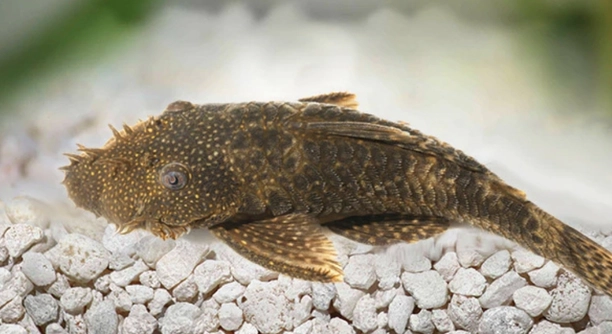
Have you ever tried breeding your plecos but ended up feeling unsure about what went wrong or how to improve their spawning success?
Boosting breeding success in plecos depends on maintaining proper water conditions, offering a nutritious diet, and providing a safe, stress-free environment. These factors encourage natural spawning behaviors and improve fry survival rates, ensuring healthier and more productive breeding outcomes.
Understanding the essential steps behind pleco breeding can make your efforts more rewarding and lead to consistent, healthy results.
1. Maintain Stable Water Conditions
Keeping the water stable is one of the most important steps when breeding plecos. These fish are sensitive to sudden changes in temperature, pH, or hardness. A consistent environment helps them feel secure and ready to spawn. Aim for slightly acidic to neutral water, around 6.5 to 7.5 pH, with temperatures between 78°F and 82°F. Good filtration and regular water changes prevent ammonia and nitrate buildup, both of which can interfere with breeding. Gentle water flow also mimics their natural river habitats, encouraging spawning behavior. Stability is key—fluctuations, even small ones, can cause stress and delay reproduction.
Regularly testing your tank helps ensure everything remains in range. Using a reliable heater and thermometer prevents unwanted temperature swings, keeping your plecos healthy and calm.
Maintaining stable conditions also supports fry development later on. Clean water gives eggs a better chance of hatching, reducing the risk of fungus and early mortality.
2. Provide the Right Diet
A healthy diet directly influences breeding success. Plecos need balanced nutrition to stay strong and produce viable eggs. High-quality sinking pellets or wafers can serve as a good base. Supplementing with fresh vegetables like zucchini, cucumber, and spinach keeps them active and healthy. Some species also benefit from protein sources such as bloodworms or shrimp, especially during breeding season. Avoid overfeeding, as leftover food can pollute the water and harm the fish. A consistent feeding schedule helps maintain their energy levels and supports spawning readiness.
Feeding plecos properly also enhances their coloration and improves their immune system. Breeding pairs fed on a rich, varied diet are more likely to spawn successfully and care for their eggs. Remember that nutrition affects not only the adults but also the fry. A good start in life often depends on the nutrients the parents receive before spawning.
3. Create Ideal Breeding Caves
Breeding caves give plecos a safe and private space to spawn. Males guard these areas and care for the eggs until they hatch. The right cave size and placement can make a big difference in breeding success and egg survival.
Choose caves that fit your pleco species. The male should be able to enter snugly but still move inside comfortably. Clay or ceramic caves are ideal because they’re easy to clean and resemble natural habitats. Position the caves near gentle water flow but away from strong currents. Providing several options allows plecos to pick their preferred spot, reducing stress and territorial disputes. Males often clean the cave before spawning, so a proper setup encourages this natural behavior and increases success rates.
Once eggs are laid, avoid disturbing the cave. The male will fan them to keep oxygen flowing and protect them from fungus. Stability is essential during this stage.
4. Separate Fry from Adults
Separating fry from adults prevents accidental predation and increases survival rates. Even though some plecos are peaceful, adults may eat eggs or fry if they feel threatened or hungry. Creating a safe grow-out tank helps young fish thrive without competition.
Use a small, filtered tank filled with water from the main aquarium to minimize shock. Maintain similar temperature and pH levels to keep the fry comfortable. Add hiding spots using plants or small tubes to help them feel secure. Feeding them crushed pellets, baby brine shrimp, or specialized fry food ensures steady growth. Clean the tank often to prevent waste buildup but avoid sudden water changes. Consistent care and clean conditions are key to raising healthy fry.
Moving them back to the main tank should only happen once they are large enough not to be seen as food by adults.
5. Keep Lighting Low
Plecos feel more comfortable in dimly lit environments. Bright lights can stress them and reduce their interest in spawning. Soft or subdued lighting helps mimic their natural habitat, especially since most plecos are nocturnal and prefer darker surroundings when breeding.
Using floating plants or shaded areas in the tank can naturally reduce light exposure. This makes the fish feel secure enough to breed. Avoid sudden changes in lighting, as this can startle them. Keeping things calm and consistent helps encourage natural mating behavior.
6. Monitor Breeding Behavior
Observing breeding behavior helps you understand when spawning is near. Males usually become more territorial, spending extra time guarding or cleaning their chosen caves. Females appear rounder as they produce eggs. When conditions are right, spawning happens quietly but efficiently, often during the night.
7. Maintain Consistent Patience
Breeding plecos takes time and consistency. Rushing the process or constantly changing conditions can discourage spawning. Patience allows the fish to adjust naturally to their environment and feel secure enough to reproduce successfully.
FAQ
How long does it take for plecos to start breeding?
The time it takes for plecos to breed depends on their age, health, and environment. Most species reach sexual maturity around one to two years old. If the tank conditions are stable, and both the male and female are healthy, they may start showing breeding behavior soon after. However, it can sometimes take a few weeks or even months for them to feel comfortable enough to spawn. Patience and consistency in care are essential. Frequent water changes, proper diet, and low stress levels usually help speed up the process naturally.
What is the best temperature for pleco breeding?
Plecos breed best in warm water, usually between 78°F and 82°F. Temperature influences their metabolism and behavior, so keeping it within this range encourages breeding activity. Some species may spawn at slightly cooler or warmer temperatures, but sudden changes should be avoided. A reliable heater and thermometer help maintain stable conditions. Gradual changes can also trigger spawning, such as a small temperature drop to simulate rainfall, which many pleco species associate with their natural breeding season. Consistency is still the key factor in achieving good results.
How can I tell if my plecos are ready to breed?
Males become more territorial and spend more time cleaning and guarding caves. They may also fan the entrance or chase other males away. Females look rounder when filled with eggs. When both seem interested in the same cave, breeding is usually close. Observing these behaviors helps you prepare the tank and reduce disturbances during this critical time. Avoid handling or moving them once they start showing signs of pairing.
Do plecos eat their own eggs or fry?
Some plecos may accidentally eat their eggs or fry, especially if they feel threatened or if the tank is too crowded. In most species, the male guards the eggs and fans them to provide oxygen. However, if stress levels rise or other fish approach, the male might consume the eggs as a defense response. To prevent this, keep the breeding tank quiet and separate from other fish. Once the fry hatch, it’s best to move them to a grow-out tank for safety and proper feeding.
What do pleco fry eat after hatching?
Newly hatched pleco fry initially feed on their yolk sacs for a few days. After that, they can be offered soft, easily digestible foods such as crushed algae wafers, baby brine shrimp, or boiled vegetables. Keeping their food close to the tank bottom helps them find it easily. Maintaining clean water is crucial since leftover food can quickly foul the tank and harm the fry. Feed them small amounts multiple times a day for steady growth.
How often do plecos breed?
Once plecos start breeding successfully, they can spawn several times a year under stable conditions. The frequency depends on the species and environment. Some may breed every few months, while others may wait longer. Providing good nutrition and keeping the water clean encourages regular spawning. Avoid overbreeding, as it can weaken the parents over time. Allow them rest periods between spawnings to recover their strength.
Can plecos breed in community tanks?
While plecos can breed in community tanks, it’s not always ideal. Other fish may stress them or eat the eggs and fry. If you want to increase breeding success, a dedicated breeding tank works better. This allows you to control water parameters, lighting, and feeding without interference. If you choose to keep them in a community setup, provide plenty of caves and hiding spaces to reduce conflict and stress.
Do all pleco species breed the same way?
Most pleco species share similar breeding habits, such as using caves and having males guard the eggs. However, some require different water conditions or cave sizes. For example, smaller species like bristlenose plecos breed more readily in home aquariums, while larger or rarer types may need more specific care. Researching your pleco’s species helps you adjust the setup properly. Paying attention to their natural habitat can guide you toward the most successful breeding approach.
How long does it take for pleco eggs to hatch?
Pleco eggs usually hatch within four to ten days, depending on water temperature and species. Warmer temperatures speed up hatching slightly. During this period, the male continues to guard and fan the eggs to keep them healthy. Once they hatch, the fry remain near the cave until they absorb their yolk sacs and start swimming freely. At that point, they can be moved to a separate tank if needed. Gentle care during this stage greatly improves survival rates.
Why aren’t my plecos breeding even with perfect conditions?
Even if your setup seems perfect, some plecos simply need more time to pair or adjust to the tank. Stress, lack of privacy, or mismatched pairs can delay breeding. Try adding more caves, ensuring a balanced male-to-female ratio, and providing a diet rich in vegetables and protein. Sometimes, subtle changes like simulating rainfall with cooler water changes can trigger breeding. Patience, steady care, and a calm environment are often the final push needed for success.
Final Thoughts
Breeding plecos can feel both rewarding and challenging, especially for those who are still learning what their fish need. Each species has its own habits, but most share the same requirements for clean water, the right diet, and a calm environment. Understanding these details makes a big difference in success. It is not just about getting them to breed once; it is about creating a setup that supports them long-term. With consistent care, plecos can breed regularly, giving you a chance to watch one of nature’s most interesting behaviors right in your aquarium. The key is to remain patient and pay attention to how your fish respond to small changes. Breeding takes time, but once conditions are balanced, it often happens naturally without much interference.
A successful breeding setup depends on stability and observation. Many people make the mistake of over-managing their tanks, changing too much too quickly, or trying to force the process. Plecos thrive when they feel safe, and that sense of security comes from a familiar, stable environment. Clean water, steady temperature, and good food can encourage even shy species to spawn. Watching the male care for the eggs is especially fascinating because it shows how attentive these fish can be. Providing enough caves, maintaining dim lighting, and reducing noise or movement near the tank also help create a more natural setting. Once the fry hatch, gentle handling and proper feeding make sure they grow strong. Each stage requires patience, but seeing the results is worth it.
Consistency is what ties everything together. Breeding plecos is less about luck and more about creating a balanced ecosystem where they can thrive. Even if the first few attempts do not go as planned, it is important to keep observing and adjusting small details rather than making big changes. Over time, you begin to understand the specific needs of your fish, and that knowledge helps you improve each breeding attempt. Remember that healthy adult plecos are more likely to produce healthy fry, so never overlook their general care outside of breeding. In the end, raising plecos successfully is not just about producing offspring—it is about maintaining a peaceful and natural environment where the fish feel comfortable enough to show their best behavior. The effort you put into their care always reflects in their health, activity, and willingness to breed.

Hello,
If you enjoy the content that we create, please consider saying a "Thank You!" by leaving a tip.
Every little bit helps us continue crafting quality advice that supports the health, happiness, and well-being of pets around the world, for pets of all shapes, sizes, and species.
We really appreciate the kindness and support that you show us!