
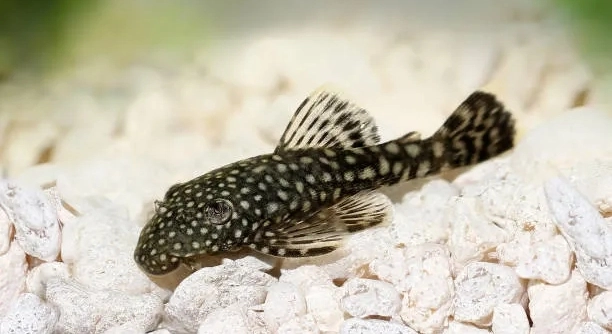
Do you ever watch your pleco glide silently across the tank and notice it pausing near the glass, seemingly staring back at itself? These moments can be oddly captivating, leaving you curious about your fish’s behavior.
Plecos show limited recognition of their reflection, often reacting as if encountering another fish rather than themselves. Their responses are primarily territorial or cautious, and evidence suggests they do not possess true self-awareness like some higher mammals or birds.
Understanding how plecos interact with mirrors and reflections can help you better design their tanks and improve their well-being.
How Plecos React to Their Reflection
Watching my pleco when it meets its reflection is always a little surprising. Most of the time, it will swim cautiously toward the glass, flare its fins, and sometimes try to push against the mirrored image. At first, I thought it was aggressive, but over time I noticed these behaviors are part of how plecos explore their surroundings. They may circle the reflection repeatedly or pause near it for long moments, almost as if studying the “other fish.” Occasionally, they lose interest and swim away, showing that the reflection is not constantly stimulating. Unlike some animals that show curiosity or recognition of themselves, plecos seem to respond mainly to the presence of what appears to be another fish. The intensity and duration of these interactions can vary depending on the fish’s mood, age, or the environment in the tank, including hiding spots and decorations.
Plecos mainly act territorially toward their reflection rather than displaying self-awareness. This reaction is normal and not harmful.
Over time, I realized the reflections can actually enrich the tank environment. They give the fish something to respond to and can help reduce boredom. A pleco’s natural behavior includes exploring surfaces, scraping algae, and patrolling its space. When a reflection is present, it can trigger these instincts more often. However, it is important to monitor the fish to ensure repeated stress does not occur. If a pleco becomes overly aggressive or stressed by seeing itself, adjusting the tank setup with more hiding spaces or reducing mirrored surfaces can help. Mirrors or reflective surfaces are not harmful in small doses, but knowing how your pleco reacts helps maintain a calm and healthy environment. Noticing these patterns has made caring for my pleco more engaging and insightful, and it gives a glimpse into the subtle ways fish perceive their surroundings.
Why Reflections Matter in a Tank
Reflections can influence pleco behavior in ways that are subtle but noticeable.
A reflective surface introduces new stimuli that the pleco responds to instinctively. Even though the fish does not recognize itself, the presence of a “rival” or another creature can encourage activity and movement. Plecos may display more fin-flaring, circling, or gentle nudging of surfaces when reflections appear. This interaction provides mental and physical stimulation, which is important for a fish that often spends long periods at the bottom of the tank. At the same time, the reflection can sometimes create mild stress if it is constant or the fish has no place to hide. Balancing reflective surfaces with natural decorations like driftwood, rocks, and plants allows the pleco to engage with its environment safely. Observing how your pleco reacts can guide you in arranging the tank to maintain calm while still encouraging natural behaviors. The reflective effect is not necessary for health, but it adds an interesting element to a pleco’s daily routine and can help owners notice the fish’s subtle behaviors more clearly.
Signs Your Pleco Notices Its Reflection
A pleco may react to its reflection with quick movements, fin flaring, or repeated swimming along the glass. These behaviors are subtle signals that it perceives something unusual in the tank and is trying to assess the situation carefully.
I’ve observed that plecos tend to circle mirrors or shiny surfaces repeatedly, almost like they are inspecting a new object. They may bump lightly against the glass or follow the reflection for several minutes before losing interest. The reactions vary depending on the pleco’s personality, size, and the tank setup. Some fish are more aggressive, while others remain calm, simply watching. Over time, these behaviors provide insight into how the fish interacts with its environment and responds to stimuli it doesn’t fully understand.
Not every pleco reacts strongly to reflections. Some seem indifferent, swimming past mirrors without a glance, while others are curious or territorial. Changes in lighting, time of day, and tank arrangement can also influence responses. Tracking these patterns helps me understand my pleco’s temperament and ensures its habitat is both engaging and comfortable. Observing these signs consistently makes caring for the fish more rewarding and allows adjustments when stress appears.
Managing Reflections in Your Tank
Reflections can both stimulate and stress a pleco, depending on the environment and the fish’s temperament. Limiting mirrored surfaces can reduce unnecessary stress while still encouraging natural activity.
I learned that placing decorations like rocks, driftwood, and plants near reflective areas can break up the reflection and give the pleco safe zones. This setup allows the fish to engage with its environment without constant confrontation with its mirrored image. Over time, I noticed the pleco became calmer and spent more time exploring rather than reacting defensively. Adjusting lighting and minimizing highly reflective surfaces helps maintain balance. Understanding how plecos respond enables me to design a tank that supports natural behavior while reducing potential stress. Consistently monitoring interactions with reflections ensures that the fish remains active but not overwhelmed, promoting overall well-being and a more peaceful tank environment.
Reflection and Tank Placement
Placing the tank near windows or bright lights can increase reflections that your pleco may notice. Even small shiny objects inside the tank can catch its attention and trigger reactions.
Positioning decorations and hiding spots carefully can reduce unnecessary stress from reflections. Plecos respond better when they have places to retreat from perceived rivals or sudden movements.
Behavioral Patterns Around Mirrors
I noticed my pleco often spends more time near mirrored surfaces during certain times of the day. Morning light creates faint reflections, prompting circling or gentle nudging, while dimmer periods reduce interaction. These patterns suggest that plecos respond to visual cues rather than self-recognition. Observing daily routines helped me predict when my pleco would be more active near reflective surfaces, allowing for better tank management and ensuring that interactions remain healthy and non-stressful.
Benefits of Controlled Reflections
Controlled reflections can stimulate activity and mimic natural environmental changes. Careful placement allows plecos to explore without constant stress.
FAQ
Can plecos recognize themselves in a mirror?
Plecos do not recognize themselves like humans or some birds do. Their reactions are mostly territorial or cautious, treating the reflection as another fish. I have watched my pleco circle the mirrored area repeatedly, often flaring its fins, showing curiosity or mild aggression rather than self-awareness.
Why does my pleco attack its reflection?
Plecos may attack reflections because they perceive them as rivals invading their space. This is especially true if the fish is establishing a territory or defending a preferred hiding spot. In my experience, aggressive behavior peaks when the reflection appears near favorite areas like driftwood or tank corners.
Is it harmful for plecos to see themselves?
Short periods of seeing a reflection are usually harmless. However, constant exposure may stress some fish. I noticed that my pleco became calmer when reflective surfaces were partially blocked by decorations. Providing hiding spaces and breaking up reflections helps reduce tension.
Do all plecos react the same way?
No, reactions vary by individual. Some plecos are highly territorial, flaring and circling mirrors, while others ignore reflections entirely. Observing your fish over several days can reveal its temperament. My pleco is somewhere in between—curious but not overly aggressive.
How can I reduce stress from reflections?
Adding decorations like rocks, plants, and driftwood near mirrored areas breaks up reflections and gives plecos places to hide. I rearranged my tank to create soft boundaries, and the pleco began exploring calmly rather than fixating on its mirrored image.
Can reflections stimulate natural behavior?
Yes. Reflections can encourage movement, fin flaring, and exploring surfaces. Controlled exposure can keep a pleco active and mentally engaged. In my tank, the pleco seemed more alert and active when gentle reflections appeared, mimicking encounters with other fish without adding real competition.
Should I use a mirror to train or entertain my pleco?
Mirrors are not necessary for training or enrichment but can provide brief stimulation. I used a small reflective object temporarily to observe my pleco’s behavior, but I always removed it afterward to prevent prolonged stress. It’s best to use mirrors sparingly.
How long can a pleco safely see its reflection?
Short periods, from a few minutes to an hour, are generally safe. I’ve found that limiting exposure prevents stress while still giving the fish something to interact with. Constant reflection without breaks may cause unnecessary tension and reduce overall well-being.
Do reflections help in tank maintenance?
Indirectly, yes. Reflections can encourage plecos to explore more of the tank, helping them clean surfaces and reach algae spots they might otherwise ignore. In my experience, when the fish noticed its reflection near decorations, it moved around more actively, scraping surfaces naturally.
Will plecos eventually ignore reflections?
Some do. Over time, plecos can habituate to repeated reflections and may show little interest. My pleco initially flared and circled constantly, but after several days, it interacted less, showing that familiarity can reduce stress and repetitive behavior.
Can multiple plecos in the same tank respond differently to reflections?
Yes. Each fish has its own temperament. In a tank with two plecos, one might show curiosity while the other ignores mirrors. Observing each fish individually is key to understanding how reflections affect their behavior and ensuring that interactions remain safe.
Are reflections useful for understanding pleco behavior?
Absolutely. Watching how plecos respond to reflections provides insight into their territorial instincts, curiosity, and daily routines. I found that these observations helped me adjust the tank layout and decorations to create a more balanced, comfortable environment.
Do plecos become stressed by their own reflection over time?
Stress can occur if the reflection is constant or if hiding spots are limited. I noticed my pleco became more relaxed once decorations partially blocked reflective surfaces. It’s important to monitor behavior and make adjustments to ensure calm and natural interactions.
Can reflections help in socializing plecos?
Reflections do not replace real social interactions but can simulate visual stimulation. In my experience, they encourage movement and mild engagement without the risks of adding new, potentially aggressive fish to the tank. Controlled exposure is key.
How can I safely introduce reflective objects in the tank?
Start with small, temporary reflective items and observe reactions closely. I used a small mirror against a corner of the tank for a few minutes at a time, ensuring the pleco had places to retreat. Gradually adjusting placement helped prevent stress while maintaining stimulation.
Do tank size and decoration affect reflection responses?
Yes. Smaller tanks or bare tanks intensify reflections, often leading to stronger reactions. My pleco reacted less in a well-decorated, larger tank where mirrors were partially obscured. Adding plants, rocks, and driftwood creates natural barriers that reduce perceived threats.
Are some pleco species more sensitive to reflections than others?
Yes. Different species have varying territorial instincts and visual perception. While common plecos may tolerate brief reflections, others like bristlenose plecos can show stronger territorial reactions. Knowing your species’ tendencies helps in managing tank reflections effectively.
Is it safe to leave a pleco alone with its reflection for extended periods?
Extended exposure is not recommended. I observed that prolonged reflection without breaks can increase fin-flaring and restlessness. Providing hiding spaces and limiting exposure ensures the pleco remains active but not stressed.
What is the best way to observe pleco reactions safely?
Use small, temporary reflective surfaces and monitor behavior closely. I placed a small mirror briefly and watched for flaring, circling, or retreating. Adjusting the environment based on these observations keeps interactions safe and helps understand natural behaviors without causing stress.
Do reflections replace the need for tank enrichment?
No. Reflections are only a minor form of stimulation. Driftwood, plants, varied surfaces, and proper tank layout provide far more meaningful engagement. In my experience, combining enrichment with controlled reflective surfaces keeps plecos active, healthy, and calm.
Can reflections teach anything about pleco personalities?
Yes. How a pleco responds to its reflection reveals territorial instincts, curiosity, and activity levels. Observing these reactions helped me understand my pleco’s temperament, predict its behavior in different situations, and improve tank management for comfort and mental stimulation.
Do plecos eventually recognize reflections as harmless?
Some may habituate, showing little interest after repeated exposure. My pleco initially reacted strongly but gradually ignored the mirror, indicating familiarity can reduce stress and repetitive defensive behavior.
Are there alternatives to mirrors for stimulating plecos?
Yes. Moving decorations, live plants, or gentle water currents can stimulate exploration without stress. I found that subtle changes in the tank provided engagement similar to reflections while avoiding potential anxiety from perceived rivals.
How important is monitoring pleco reactions to reflections?
Monitoring is crucial. Observing behaviors like flaring, circling, or retreating helps determine if the reflection is stimulating or stressful. I learned that careful observation allows adjustments to tank setup, ensuring the pleco remains active, healthy, and calm without unnecessary tension.
Final Thoughts
Observing a pleco’s behavior around reflections has been an eye-opening experience for me. These fish often respond as if they are seeing another pleco rather than themselves. At first, I was surprised by the flaring and circling near the glass, but over time it became clear that this is a natural way for plecos to interact with their surroundings. They rely heavily on instinct, and reactions to reflections are a mix of curiosity, territorial defense, and environmental exploration. Unlike mammals or some birds, plecos do not possess self-awareness, so their reactions should be understood in terms of instinctual behavior rather than intelligence or recognition. Watching how my pleco interacts with reflective surfaces has helped me appreciate its natural habits and subtle ways of communicating discomfort or interest.
Managing reflections in the tank is a simple but important step in caring for plecos. I found that introducing hiding spots, decorations, and plants around mirrored areas reduced stress and helped my fish feel secure. Reflections can be stimulating in small doses, encouraging activity and engagement, but constant exposure can lead to restlessness or repeated defensive behavior. Positioning the tank to limit strong external reflections, or using temporary reflective objects for short observation periods, is an effective way to balance stimulation and calm. Observing reactions closely allowed me to adjust the tank gradually, creating an environment where my pleco could explore freely while maintaining comfort. The small adjustments made a noticeable difference in the fish’s behavior, showing that careful management of reflections is part of good tank design and overall fish welfare.
Reflections also offer an opportunity to better understand a pleco’s personality and daily routines. By watching how it reacts at different times of the day or in different lighting, I gained insight into its temperament and preferences. Some plecos are highly territorial and respond strongly to reflections, while others are indifferent or mildly curious. This variation underscores the importance of observing individual behavior rather than assuming all plecos respond the same way. Providing a balanced environment, combining enrichment with safe reflective surfaces, encourages natural exploration without unnecessary stress. Over time, I have noticed my pleco becomes more confident, active, and comfortable in its tank. Recognizing these patterns helps me support its health and well-being, making daily care easier and more rewarding. Overall, understanding how plecos interact with reflections is a valuable part of fishkeeping, allowing for thoughtful tank arrangements and a deeper appreciation for these fascinating aquatic creatures.

Hello,
If you enjoy the content that we create, please consider saying a "Thank You!" by leaving a tip.
Every little bit helps us continue crafting quality advice that supports the health, happiness, and well-being of pets around the world, for pets of all shapes, sizes, and species.
We really appreciate the kindness and support that you show us!