
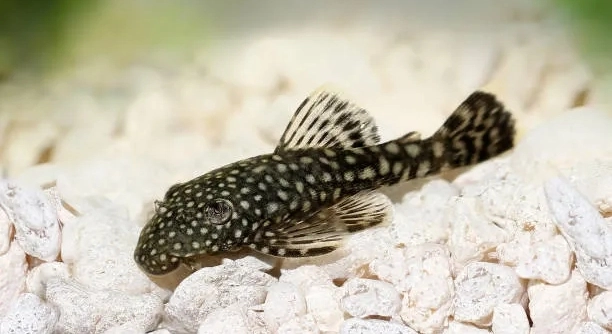
Do you ever wonder if your pleco is truly happy in its tank or just surviving? Watching them glide along surfaces can be calming, but small details in their environment make a big difference in their well-being.
Maintaining a happy pleco tank requires regular monitoring of water quality, diet, hiding spaces, tank mates, lighting, and filtration. Each of these factors contributes to the overall health, activity, and stress levels of the fish in measurable ways.
Small adjustments in care routines can improve your pleco’s comfort and longevity, creating a healthier, more vibrant environment for your aquatic companion.
Water Quality
Maintaining clean water is essential for plecos to thrive. I always check ammonia, nitrite, and nitrate levels at least once a week. Plecos are sensitive to sudden changes, so gradual adjustments help prevent stress. Temperature also matters; keeping it stable around 74–80°F makes a big difference. Filtration systems should run continuously, and weekly partial water changes of 20–25% help keep toxins low. I learned early on that overfeeding can cloud the water, so measuring food portions carefully is key. Aeration matters too—plecos enjoy calm currents, but oxygen-rich water improves overall health. Observing the water’s clarity and smell gives quick clues about tank conditions. Even small tweaks, like adding driftwood or aquatic plants, improve both water quality and the pleco’s comfort. Proper care ensures the tank stays balanced and reduces the likelihood of illness.
Consistently monitoring water prevents sudden health issues, keeping plecos active and less stressed. Simple routines make a noticeable difference.
Water quality impacts plecos more than many realize. High ammonia or nitrite levels can quickly harm them, even in a tank that looks clean. Regular testing, using test strips or liquid kits, ensures the environment stays safe. Filtration systems remove waste, but cleaning the filter media occasionally is essential to maintain efficiency. Partial water changes remove nitrates and replenish minerals naturally present in water. Driftwood provides both a place to hide and natural tannins that slightly lower pH, simulating their native habitats. Observing pleco behavior also indicates water health; sluggish movement or reduced feeding signals a problem. Feeding them appropriately helps prevent excess waste and keeps the water clear. Over time, these practices create a stable, low-stress environment where plecos feel secure. Proper water maintenance isn’t just about cleanliness—it directly affects their activity, coloration, and overall happiness. Small, consistent actions matter more than occasional deep cleans.
Diet and Feeding
A balanced diet keeps plecos healthy and active. I make sure they get both algae and sinking pellets regularly. Leafy greens like zucchini or spinach are also favorites.
Plecos need variety; a mix of vegetables, pellets, and occasional treats ensures proper nutrition.
Plecos naturally graze on surfaces, so supplementing their diet prevents deficiencies. Fresh vegetables should be blanched to soften them, making them easier to eat. Algae wafers provide essential protein, especially for species that grow larger. I noticed my pleco becomes more energetic when its meals are consistent and varied. Avoid overfeeding, as uneaten food decomposes, affecting water quality. Rotating vegetables keeps them interested and ensures different nutrients are available. Some plecos enjoy occasional protein treats like shrimp pellets or bloodworms, but these should be occasional to prevent digestive issues. Observing your pleco’s eating habits can reveal preferences and potential health concerns. By combining natural grazing opportunities with supplemental foods, the pleco’s dietary needs are fully met. A well-fed pleco shows brighter colors, smoother skin, and more playful activity along the tank surfaces.
Hiding Spaces
Plecos need places to hide and rest. I add caves, driftwood, and dense plants so they feel secure. Without hiding spots, they become stressed and less active.
Providing multiple hiding options reduces stress and encourages natural behaviors. Driftwood also helps with digestion for some species, and plants give shade and cover.
I noticed my pleco spends most daylight hours in a favorite cave. Adding several options around the tank lets them move freely and choose preferred spots. Dense plants near the back of the tank create a sense of security, while driftwood offers both hiding and grazing areas. Some species prefer smooth caves, others rough surfaces. Rotating decorations occasionally keeps the environment stimulating, preventing boredom. A well-structured tank encourages exploration during feeding and improves overall health. Hiding spaces are essential, not optional, for a happy pleco. They balance comfort, activity, and stress management in a simple, natural way.
Tank Mates
Choosing compatible tank mates is important. Aggressive fish can stress plecos, while calm species help maintain harmony in the tank.
I carefully select fish that won’t harass plecos. Peaceful community fish, small tetras, or snails often coexist without conflict.
Plecos are mostly nocturnal and need space to feed and rest, so tank mates should respect their routines. I avoid territorial or fin-nipping species, as even minor harassment can reduce appetite and cause injury. Observing interactions early helps spot potential issues before they escalate. I also consider the tank size; overcrowding increases stress and aggression. Some plecos tolerate larger fish, but smaller, peaceful species are safer. Adding plecos to an established tank usually works better than introducing them alongside aggressive newcomers. Overall, careful planning ensures a balanced ecosystem, where plecos remain active, healthy, and stress-free while coexisting with other species.
Lighting
Plecos prefer dim lighting with shaded areas. Too much bright light can stress them and reduce activity. I use floating plants to soften harsh overhead lights and create gentle shadows across the tank.
Adjusting the light cycle helps simulate a natural environment. I keep lights on for about 8–10 hours daily.
Filtration
Strong, reliable filtration is essential for maintaining clean water and oxygen levels. I choose filters appropriate for tank size, ensuring gentle flow that plecos can tolerate. Regular maintenance prevents buildup of debris and keeps water clear.
Temperature
Keeping the water stable between 74–80°F prevents stress and promotes healthy metabolism. Sudden changes can cause illness or lethargy. I monitor temperature daily and use a heater when needed to maintain consistency.
FAQ
How often should I feed my pleco?
I feed my pleco once daily in the evening, as they are mostly nocturnal. A mix of algae wafers, vegetables, and occasional protein treats keeps them healthy. Overfeeding causes leftover food to decay, which can harm water quality and stress your fish.
Can plecos live with other fish?
Yes, but it depends on the species. Peaceful community fish, snails, and small tetras usually coexist well. Avoid aggressive or fin-nipping species, as plecos can become stressed or injured. Observing interactions helps prevent conflicts before they escalate.
How much hiding space do plecos need?
Plecos need multiple hiding spots. Driftwood, caves, and dense plants provide safety and comfort. I rotate decorations occasionally to keep the tank stimulating. Proper hiding spaces reduce stress and encourage natural behavior like grazing and resting.
How do I know if my pleco is healthy?
Healthy plecos are active at night, have smooth skin, clear eyes, and a steady appetite. Any sudden lethargy, clamped fins, or unusual swimming patterns may signal a water quality issue, dietary deficiency, or illness. Regular observation is key.
What is the ideal tank size for a pleco?
Tank size depends on the species. Common plecos can grow large, needing at least 75 gallons. Smaller species like bristlenose plecos do fine in 30–50 gallons. Adequate space prevents territorial behavior and allows free movement, reducing stress and supporting growth.
How often should I change the water?
I perform weekly partial water changes of 20–25%. This removes toxins, maintains minerals, and keeps the water clear. Larger changes or infrequent cleaning can shock plecos or disrupt the biological balance, so consistent, moderate changes work best.
Do plecos need special water conditions?
Plecos thrive in stable water with pH around 6.5–7.5 and temperature between 74–80°F. They are sensitive to sudden changes, so gradual adjustments are essential. Adequate filtration and aeration help maintain oxygen levels and reduce stress.
Can plecos eat only algae?
No, algae alone does not provide sufficient nutrition. I supplement with sinking pellets and vegetables. Occasional protein treats support growth and overall health. A varied diet prevents deficiencies and encourages natural grazing behavior.
How do I prevent pleco stress?
Stress comes from poor water quality, overcrowding, aggressive tank mates, or sudden changes. I maintain stable water parameters, provide hiding spots, and ensure compatible companions. Observing behavior daily helps detect early signs of stress before serious issues develop.
What decorations are best for plecos?
Driftwood is essential, as it helps digestion and provides hiding spots. Caves and dense plants offer shelter and security. Smooth surfaces prevent injuries, and rotating decorations occasionally keeps the environment engaging. Proper setup supports natural behavior and overall well-being.
How can I encourage my pleco to eat vegetables?
Blanching vegetables like zucchini or spinach softens them and releases nutrients, making them more appealing. I place the vegetables in different areas of the tank, encouraging exploration. Combining this with algae wafers ensures a balanced diet and prevents picky eating.
Are plecos nocturnal or active during the day?
Plecos are mostly nocturnal. They are more active at night and often hide during the day. Providing shaded areas and caves allows them to rest safely. Observing their behavior during feeding times can help adjust routines for optimal health.
Do plecos need a heater?
A heater is necessary if your home temperature drops below 74°F. Maintaining stable water temperature prevents stress and supports healthy metabolism. I check daily and adjust as needed to avoid sudden fluctuations that can weaken the immune system.
Can plecos survive without algae in the tank?
Yes, but they need alternatives like vegetables and pellets. Some species rely on driftwood for grazing. A mix of foods ensures proper nutrition and prevents deficiencies that algae alone cannot provide.
How do I clean the pleco tank without stressing it?
I perform partial water changes, vacuum substrate carefully, and avoid sudden water parameter changes. Removing uneaten food and debris gradually keeps the tank clean without shocking the pleco. Gentle movements and consistent routines reduce stress.
What signs indicate water quality problems?
Cloudy water, strong odor, or algae overgrowth indicate issues. Plecos may become lethargic, refuse food, or show unusual swimming. Testing ammonia, nitrite, nitrate, and pH regularly helps prevent long-term problems and keeps the tank balanced.
How do I know if my pleco is growing properly?
Healthy growth is steady and proportional to species size. Bright coloration, smooth fins, and active feeding are good indicators. Slow growth may result from inadequate diet, overcrowding, or poor water conditions, so monitoring and adjustments are important.
Can plecos coexist with shrimp or snails?
Yes, most peaceful shrimp and snails are safe tank mates. Plecos rarely bother them if they have enough hiding spaces. I still monitor interactions initially to ensure no aggression occurs, especially with smaller or slow-moving shrimp.
Do plecos need a specific substrate?
A soft substrate like sand or smooth gravel prevents injuries while foraging. Driftwood and rocks complement the substrate, creating natural grazing surfaces. Avoid sharp gravel that can damage fins or skin. Choosing the right substrate supports comfort and health.
How long do plecos live?
Plecos can live 10–15 years or more with proper care. Stable water, a balanced diet, hiding spots, and compatible tank mates contribute to longevity. Consistency in maintenance routines has a noticeable impact on their lifespan.
Can plecos be aggressive?
Some species show territorial behavior, particularly in small or crowded tanks. Providing sufficient space, hiding spots, and compatible companions reduces aggression. Observing interactions helps address issues before they escalate.
Are plecos compatible with planted tanks?
Yes, most plecos do well with hardy plants. Driftwood and caves support natural behavior, and plants provide cover. I avoid delicate or soft-leaved plants that may be uprooted during grazing. Proper plant selection enhances both aesthetics and pleco comfort.
How do I introduce a new pleco to an existing tank?
Acclimate slowly by floating the bag in the tank for temperature adjustment, then gradually add tank water before release. I observe closely for stress or aggression. Hiding spots and sufficient space reduce conflicts during introduction.
Can plecos eat processed fish food?
Yes, high-quality sinking pellets or wafers are essential, especially if natural algae is limited. I supplement with vegetables and occasional protein treats. Relying solely on processed food can lead to nutrient gaps, so variety is important.
What should I do if my pleco stops eating?
Check water quality, temperature, and tank conditions first. Stress, illness, or incompatible tank mates often cause reduced appetite. I try offering fresh vegetables or wafers and monitor closely. Prompt action prevents malnutrition and keeps the pleco healthy.
Do plecos need water movement?
Moderate water movement helps oxygenation but should not be strong enough to stress the fish. I adjust filters to create gentle currents, simulating natural river environments. Proper flow promotes comfort and health.
Can plecos live alone?
Yes, plecos are fine alone if the tank provides enough hiding spots, surfaces for grazing, and proper water conditions. Loneliness is rarely an issue, but environmental enrichment is key for activity and well-being.
How do I prevent algae overgrowth?
Balance lighting, avoid overfeeding, and maintain filtration. Regular partial water changes and monitoring nutrients reduce excessive algae. I also introduce natural grazers like snails or a small school of algae-eating fish to help control growth.
Are plecos sensitive to medications?
Yes, many medications affect plecos differently than other fish. I always check species-specific tolerance before treatment. Sensitive species may need quarantine tanks to prevent stress or chemical damage. Proper dosing ensures safety and effectiveness.
Do plecos need seasonal care adjustments?
Temperature and light adjustments may be needed in colder months. I monitor water stability and feeding habits. Gradual changes help maintain normal behavior and prevent stress during seasonal shifts.
How do I encourage natural behavior?
Provide driftwood, caves, and plants. Offer grazing surfaces and varied food. I observe activity patterns and adjust hiding spots or feeding routines to stimulate exploration, foraging, and nighttime activity. Natural behavior indicates comfort and health.
Can plecos recognize their owner?
Plecos may respond to feeding cues and movement near the tank. While not interactive like some fish, they can associate routines with food and safety, showing subtle recognition over time.
How often should I check water parameters?
I test weekly for ammonia, nitrite, nitrate, and pH. Frequent monitoring ensures early detection of imbalances, preventing stress, disease, and long-term health issues. Consistency is more important than frequency alone.
What is the best way to feed large plecos?
Use sinking wafers or cut vegetables placed on the tank bottom. For big plecos, larger portions or multiple feeding spots prevent competition and ensure everyone gets enough food. Monitoring consumption avoids waste and water quality problems.
Do plecos need a quarantine tank?
Yes, introducing new plecos to a quarantine tank for 2–4 weeks helps prevent disease transmission. Observation during this period allows early detection of illness and protects established tank residents.
How can I tell if a pleco is stressed?
Signs include clamped fins, hiding constantly, reduced appetite, and erratic swimming. I check water conditions, tank mates, and environmental factors to identify causes. Early intervention prevents long-term health problems.
What is the best way to handle a sick pleco?
Quarantine the fish, maintain stable water, and use species-appropriate treatment. Avoid handling unless necessary, as stress worsens illness. Observing feeding and behavior helps track recovery progress.
Are plecos sensitive to light cycles?
Yes, abrupt changes can stress them. I maintain consistent light schedules, with shaded areas for resting. Gradual adjustments help prevent behavioral and health issues.
How do I choose a pleco species?
Consider adult size, tank space, diet, and compatibility with other fish. Smaller species are easier to manage, while larger species require more care. Research habits, activity levels, and environmental needs before selecting one.
Can plecos live in cold water?
Most plecos prefer tropical temperatures and are not suited for cold water. A heater maintains stability, preventing illness, lethargy, and decreased appetite. Cold stress can lead to serious health problems quickly.
How do I deal with territorial behavior?
Provide multiple hiding spots and sufficient space. Avoid overcrowding and aggressive tank mates. I rearrange decorations to break sightlines and reduce conflicts. Monitoring behavior ensures a calm, balanced tank environment.
Do plecos need supplementary vitamins?
Generally, a balanced diet with vegetables, pellets, and occasional protein treats meets nutritional needs. I occasionally provide vitamin-enriched foods if deficiencies appear. Over-supplementing is unnecessary and can affect water quality.
Can plecos live with bettas?
Some bettas may be aggressive, but plecos usually keep to themselves. I monitor closely to ensure no harassment occurs. Providing caves and hiding spots reduces conflict and keeps both species safe.
What is the best way to clean driftwood?
Rinse thoroughly and soak to remove tannins before adding to the tank. I avoid harsh chemicals and scrub gently to prevent scratches. Proper preparation prevents water discoloration and maintains a healthy environment.
How do I know when a pleco is full-grown?
Growth rate slows as they approach species-specific adult size. I monitor body length, weight, and overall proportions. Proper care ensures healthy growth and prevents stunted development.
Are plecos good algae cleaners?
They help control algae but do not replace regular tank maintenance. I supplement their diet with vegetables and wafers. Relying solely on plecos for algae removal is insufficient in most tanks.
Can plecos reproduce in home tanks?
Some species breed in captivity, usually needing caves and stable water. I provide hiding spots and consistent care. Successful breeding depends on species, tank setup, and environmental conditions.
How often should I replace filter media?
I clean or replace filter media according to manufacturer recommendations. Partial cleaning maintains efficiency while preserving beneficial bacteria. Proper filter care prevents water quality issues and supports pleco health.
Do plecos need driftwood for digestion?
Many species, especially common plecos, require driftwood to aid digestion. They rasp on it, which supplements their diet and supports intestinal health. Driftwood also provides shelter and natural grazing areas.
How can I prevent injuries in the tank?
Use smooth substrates, avoid sharp decorations, and ensure hiding spots are secure. I monitor interactions and rearrange decorations if necessary. Safe tank design prevents fin damage, stress, and infection.
What is the ideal pH for plecos?
Most plecos thrive at pH 6.5–7.5. I monitor levels regularly and make gradual adjustments if needed. Stable pH supports overall health, activity, and stress reduction.
How do I encourage plecos to explore?
Providing varied surfaces, driftwood, and multiple hiding spots stimulates natural curiosity. I place food in different areas to promote movement and grazing. Environmental enrichment improves activity and overall well-being.
Can plecos survive in small tanks?
Smaller species manage fine in limited space, but larger plecos need big tanks. I ensure sufficient hiding spots and swimming areas. Overcrowding causes stress, aggression, and stunted growth.
Do plecos recognize feeding routines?
Yes, they associate movements near the tank and timing with meals. I maintain consistent schedules, which encourages natural behavior and reduces stress.
What should I do if my pleco is sick and the water is poor?
Fix water quality first by testing and performing partial changes. Poor water exacerbates illness. I isolate the fish if needed, treat appropriately, and maintain stable, clean conditions for recovery.
Can plecos coexist with cichlids?
Some cichlids are aggressive; success depends on species, tank size, and hiding spaces. I observe interactions carefully and separate fish if conflict arises. Proper planning ensures a balanced environment.
How do I prevent stress during maintenance?
I keep movements slow, avoid sudden water changes, and provide hiding spots. Gentle routines and gradual adjustments prevent behavioral issues and health problems in plecos.
Are plecos affected by water hardness?
Yes, most prefer soft to moderately hard water. I monitor GH and KH levels to match species requirements. Stable hardness supports growth, digestion, and overall health.
Can plecos live with goldfish?
Goldfish are generally peaceful but produce more waste, affecting water quality. I monitor parameters closely and provide adequate filtration. Tank size must accommodate both species comfortably.
How do I treat common pleco diseases?
Identify the issue first, maintain clean water, and use species-appropriate medication. I quarantine affected fish to prevent spreading. Early treatment ensures better recovery outcomes.
Do plecos need special lighting for plants?
Not specifically for themselves, but proper lighting supports plants that provide shade, grazing surfaces, and hiding areas. I balance light intensity to protect plecos while supporting plant health.
How do I acclimate a new pleco?
Float the bag for temperature adjustment, then gradually add tank water. I release slowly and monitor behavior. Adequate hiding spots reduce stress during acclimation.
Can plecos survive long-term in low-light tanks?
Yes, they tolerate dim conditions well. I provide shaded areas and hiding spots, ensuring activity and grazing habits remain normal. Stable, low-stress environments suit their natural behavior.
What is the best way to prevent disease in plecos?
Maintain clean water, balanced diet, compatible tank mates, and stable parameters. I quarantine new fish and monitor behavior regularly. Prevention through consistent care is more effective than treatment after illness.
Do plecos interact with humans?
Interaction is subtle; they respond to feeding routines and tank movement. While not highly social, consistent care and observation build recognition and reduce stress.
How can I tell if a pleco is stressed by lighting?
Clamped fins, hiding constantly, and avoiding lit areas indicate stress. I adjust light intensity, add floating plants, or provide shaded zones to improve comfort.
Are plecos picky eaters?
Some are selective, especially without variety. I rotate vegetables, algae wafers, and occasional protein to encourage consistent feeding and maintain nutrition.
Can plecos survive sudden water changes?
Sudden changes cause stress and health issues. I perform gradual partial changes to maintain stability, preventing shock and supporting overall well-being.
Do plecos need supplements for calcium?
If the diet includes driftwood, vegetables, and high-quality pellets, supplements are usually unnecessary. I monitor growth and shell health in tank mates like snails.
How often should I check for diseases?
Daily observation is best. I watch for behavior changes, appearance, or appetite reduction. Early detection prevents serious health problems.
Can plecos live with shrimp-eating fish?
No, predatory species may harm small shrimp. I avoid introducing incompatible tank mates to protect plecos and other invertebrates.
How do I prevent fin rot?
Maintain clean water, avoid overcrowding, and monitor interactions. I treat early signs with appropriate care. Proper diet and stable conditions reduce risk significantly.
Do plecos need air stones?
Not always; adequate filtration provides oxygen. I use air stones if needed to improve aeration, especially in warm or densely stocked tanks.
Can plecos eat frozen food?
Yes, frozen shrimp or bloodworms can supplement diet occasionally. I thaw properly and avoid overfeeding to prevent water quality issues.
Are plecos sensitive to chlorine?
Yes, chlorine and chloramine are harmful. I always treat tap water with a dechlorinator before adding it to the tank to protect plecos.
How do I prevent algae from taking over?
Balance light, avoid overfeeding, maintain filtration, and introduce algae grazers. Regular partial water changes help prevent nutrient buildup.
Can plecos tolerate brackish water?
Most species prefer freshwater. Only certain species tolerate mild brackish conditions. I research species-specific needs before adjusting water chemistry.
Do plecos need a sand substrate?
Soft substrates like sand are preferred to protect delicate fins. I avoid sharp gravel to prevent injuries while grazing or moving around the tank.
How can I improve pleco activity?
Provide varied surfaces, hiding spots, and grazing opportunities. I rotate decorations and offer different foods in multiple areas to stimulate natural behavior.
Do plecos benefit from floating plants?
Yes, floating plants create shade, reduce light intensity, and offer hiding areas. I include them to mimic natural conditions and improve comfort.
How long does it take for plecos to adjust to a new tank?
Typically a few days to a couple of
Plecos are fascinating fish that bring both beauty and activity to a home aquarium. Taking care of them requires attention to detail, but the effort is manageable with consistent routines. From water quality and temperature to diet and tank mates, each factor plays a role in their overall health. Observing their behavior, such as grazing habits and movement around hiding spots, provides valuable insight into how comfortable and happy they are. Over time, you learn to recognize subtle changes that indicate stress or discomfort, allowing you to address issues before they become serious. Consistency is key. Regular water testing, scheduled feeding, and providing a stable environment help prevent common problems that can affect plecos in captivity. A well-maintained tank creates a healthy, low-stress environment where plecos can thrive and display their natural behaviors. It also encourages growth and coloration, making them a more engaging and lively addition to your home.
Understanding pleco needs also means creating a space that closely resembles their natural habitat. Hiding spots like caves, driftwood, and dense plants give them security and reduce stress, while surfaces for grazing allow natural feeding behaviors. The combination of proper lighting, moderate water movement, and filtration helps maintain a balanced ecosystem that supports both fish and plant life. Choosing compatible tank mates ensures peaceful interactions and minimizes aggression or competition. Even small details, like blanching vegetables or rotating decorations, can make a noticeable difference in their comfort and activity levels. The goal is not just to keep them alive but to provide an environment where they can display natural behaviors safely. Observing them as they explore, feed, and rest is rewarding, and seeing them thrive reinforces the importance of proper care. Attention to these aspects ensures a healthier, longer-lived pleco that contributes to a lively and dynamic aquarium.
Finally, caring for plecos is about balance and observation. It is important to provide the right combination of water quality, temperature, diet, hiding spaces, and compatible companions, all while monitoring behavior and environmental conditions. Small adjustments often prevent major issues and help maintain a stable tank ecosystem. Patience is essential, especially when introducing new fish, adjusting water parameters, or modifying the tank setup. Each pleco may have slightly different preferences or tolerances, so learning their specific needs over time is valuable. With consistent attention, they can live for many years, grow to healthy sizes, and remain active and content. Caring for plecos teaches patience, observation, and responsibility, but it also offers a quiet satisfaction as you watch them thrive. The combination of proper nutrition, environmental enrichment, and routine maintenance creates a harmonious setting where plecos remain healthy, stress-free, and vibrant. A thoughtful approach ensures a tank that is beneficial not just for the fish but also enjoyable and rewarding for the caretaker.
Word count: 412

Hello,
If you enjoy the content that we create, please consider saying a "Thank You!" by leaving a tip.
Every little bit helps us continue crafting quality advice that supports the health, happiness, and well-being of pets around the world, for pets of all shapes, sizes, and species.
We really appreciate the kindness and support that you show us!