
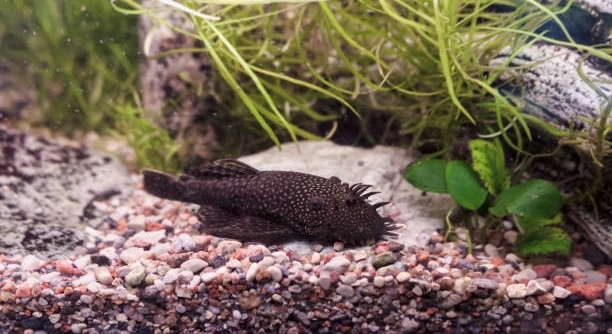
Do you ever notice your pleco acting differently, hiding more often, or refusing to eat the way it usually does?
Plecos display anxious behavior through several actions, including hiding excessively, rapid fin movement, loss of appetite, and erratic swimming patterns. These behaviors often indicate environmental stress, poor water conditions, or sudden changes in their surroundings.
Understanding these subtle signs will help you create a calmer, safer environment that supports your pleco’s comfort and overall well-being.
1. Hiding More Than Usual
When plecos become anxious, one of the first signs you might notice is excessive hiding. While it’s normal for them to retreat into caves or under decorations, doing it constantly often signals discomfort. This behavior usually happens when their surroundings feel unsafe or unfamiliar. Changes in tank setup, bright lighting, or aggressive tankmates can make them retreat more often. They instinctively look for shelter to protect themselves from what they perceive as threats. If this continues for several days, it’s best to review the environment. Check if the tank has enough hiding spots, adjust lighting, and ensure the water parameters are stable. Even small disturbances can make a pleco uneasy.
A pleco hiding all day is telling you something. It might be overwhelmed, frightened, or stressed due to environmental factors that need attention. Observing calmly helps you notice what could be causing its discomfort.
Providing secure hiding spaces is essential for your pleco’s sense of safety. You can use smooth caves, driftwood, or PVC pipes. Avoid rearranging decorations too often, as consistency builds trust. Ensure the water temperature and quality remain steady, since fluctuations may heighten anxiety. Over time, your pleco will learn that its environment is predictable and safe. Once it feels secure, you’ll notice it exploring more freely, showing off its natural behavior and confidence again.
2. Rapid Fin Movement
When plecos feel uneasy, you may notice their fins twitching or moving rapidly. This response often appears when they sense stress or changes in their environment. It’s a subtle but clear physical expression of anxiety.
Rapid fin movement can stem from poor water quality, overcrowding, or constant disturbances near the tank. Plecos rely heavily on stable conditions, so any sudden variation—like a temperature drop or increased vibration—can unsettle them. Make sure to test water regularly and maintain a quiet, steady environment. Avoid tapping on the glass or moving objects too frequently around the tank. It also helps to keep lighting soft, as harsh brightness can agitate them. Monitoring your pleco’s fins helps you catch anxiety early. By adjusting conditions promptly, you’ll prevent the behavior from escalating into more serious stress responses, like loss of appetite or erratic swimming. Consistent care creates a peaceful, steady rhythm your pleco can relax into.
3. Loss of Appetite
A sudden loss of appetite is a strong indicator that your pleco is anxious or stressed. It may refuse its usual vegetables, algae wafers, or driftwood. This change often appears when the tank environment feels unstable or when water quality declines.
When plecos stop eating, their bodies react to stress by slowing digestion. Poor water conditions, aggressive tankmates, or frequent handling can make them feel unsafe enough to reject food. Always test the water for ammonia, nitrate, and pH balance. If everything checks out, try offering their favorite foods at night when they feel more secure. Feeding in low light helps them relax. Avoid overfeeding during this time, as uneaten food can worsen water quality and create more stress.
Once the environment feels calm and balanced again, your pleco will usually resume eating. You’ll notice it grazing on surfaces, nibbling algae, or exploring more during feeding time. Keeping the setup consistent and quiet will help maintain this positive behavior long-term. Patience is key when restoring your pleco’s appetite and confidence.
4. Erratic Swimming
Erratic swimming is another common sign of anxiety in plecos. They may dart around the tank quickly or move in unusual patterns. This sudden behavior often points to poor water conditions or something startling them repeatedly.
Plecos rely on stable surroundings to feel secure. Rapid movements are usually stress responses triggered by high ammonia levels, temperature shifts, or too much activity near the tank. Sometimes, aggressive fish or bright lights can make them panic. Begin by testing the water and confirming proper filtration. Make gradual changes instead of sudden ones, especially during water replacements. Keeping tank lighting dim and consistent also helps calm them down. If they continue to swim erratically, try adding more hiding spaces or adjusting tank decor to reduce open areas. Over time, they’ll regain confidence, swimming smoothly again once they sense that the environment is predictable and safe.
5. Clamped Fins
When plecos hold their fins tightly against their bodies, it’s often a sign of tension or anxiety. This reaction usually occurs when water parameters are unstable or when they’re exposed to loud noises and sudden movements around the tank.
Clamped fins make it harder for plecos to move naturally, showing that they’re trying to protect themselves. To help, keep the tank calm, maintain steady water conditions, and reduce any external stressors. Over time, as they feel safer, their fins will relax and spread normally again.
6. Glass Surfing
Glass surfing, or repeatedly swimming up and down the tank walls, signals stress or restlessness. It can happen when plecos feel trapped, sense poor water quality, or lack enough space and enrichment in their environment. Make sure the tank size is appropriate for their growth and activity level.
Check for overcrowding, strong currents, or reflective glass that might be confusing them. Sometimes, rearranging decorations or adding hiding areas can reduce this behavior. Also, ensure consistent feeding times and keep tank lighting soft. Addressing these factors helps your pleco feel more secure, reducing its urge to pace or rush along the glass.
7. Color Fading
Color fading often appears when plecos experience stress or anxiety. Their vibrant tones may turn dull as a response to poor water conditions, low oxygen, or frequent disturbances. Maintaining a clean, balanced tank environment helps restore their natural coloring and overall health.
How can I tell if my pleco is stressed?
Stress in plecos can show in several ways, including hiding more than usual, clamped fins, rapid fin movement, loss of appetite, erratic swimming, or even glass surfing. Some plecos also show color fading or unusual lethargy. Observing these behaviors over time helps identify persistent stress rather than temporary reactions. Keep a close eye on changes after adjusting water parameters, rearranging the tank, or introducing new tankmates. Noticing patterns in behavior is important. Stress usually comes from environmental factors rather than the pleco itself.
What are the main causes of anxiety in plecos?
Anxiety often arises from poor water quality, sudden changes in temperature, overcrowding, or aggressive tankmates. Inconsistent lighting or frequent disturbances outside the tank can also make them uneasy. Even small changes, like moving decorations or tapping on the glass, may trigger stress responses. Plecos are sensitive to their surroundings and need predictable conditions. Lack of hiding spaces or insufficient enrichment can add to their discomfort. By identifying potential stressors in the tank environment, you can take steps to minimize anxiety and help your pleco feel more secure.
How can I reduce stress in my pleco?
Maintaining clean, stable water is the most effective way to reduce stress. Regularly test for ammonia, nitrites, nitrates, and pH levels. Provide plenty of hiding spots, such as driftwood, caves, or PVC pipes. Keep lighting soft and avoid sudden changes. Avoid overcrowding and monitor interactions with other fish. Feeding at consistent times also helps plecos feel secure. If stress behaviors persist, consider separating aggressive tankmates or adjusting the tank setup. Reducing external disturbances and keeping a quiet environment encourages your pleco to relax and exhibit natural behaviors again.
Is hiding always a bad sign?
Not always. Plecos naturally enjoy hiding as a normal part of their behavior. However, excessive hiding or refusing to leave shelter for extended periods may indicate stress. When combined with other behaviors like loss of appetite or clamped fins, hiding becomes a stronger signal of anxiety. Providing multiple hiding options in safe areas allows plecos to feel secure without being forced into constant seclusion. Observing how long they stay hidden and whether they venture out for food helps gauge whether the hiding is normal or a stress response.
Why does my pleco refuse food sometimes?
Refusing food is often linked to stress or environmental changes. Poor water quality, sudden temperature shifts, or aggressive tankmates can make them uneasy. Lack of hiding spaces or changes in lighting may also cause temporary appetite loss. Plecos may eat more during low-light periods or at night, so adjusting feeding times can help. Avoid overfeeding, as leftover food worsens water quality and adds stress. Restoring stable tank conditions and providing a calm, secure environment encourages your pleco to regain interest in food gradually.
Can glass surfing harm my pleco?
Glass surfing itself usually doesn’t cause physical harm, but it indicates stress or restlessness. Repeated behavior can result in exhaustion or minor injuries if they hit tank objects. Stressful environments, overcrowding, or reflections in the glass often trigger this behavior. Improving water quality, providing hiding spots, and reducing disturbances usually reduces glass surfing. Keeping the tank peaceful and consistent encourages the pleco to explore naturally rather than pacing along the walls. Monitoring their activity and adjusting the environment helps prevent long-term stress-related issues.
When should I consult a vet?
Consult a vet if your pleco shows persistent stress behaviors despite improving tank conditions. Signs include constant hiding, prolonged loss of appetite, visible injuries, or unusual lethargy. A veterinarian experienced with fish can check for illness, parasites, or organ problems that may mimic anxiety behaviors. Early intervention ensures your pleco recovers more quickly and prevents complications. Regular health checks, alongside monitoring behavior, help maintain a thriving pleco in a calm, well-kept environment.
How long does it take for plecos to recover from stress?
Recovery depends on the severity of stress and the effectiveness of environmental adjustments. Minor stress may resolve within a few days once conditions stabilize, while prolonged stress may take weeks. Providing a consistent environment, hiding spots, balanced water parameters, and reduced disturbances accelerates recovery. Monitoring behavior closely helps you understand progress and ensures your pleco gradually returns to normal activity, appetite, and coloring. Patience and consistency are key for long-term health and comfort.
Can tankmates affect my pleco’s anxiety?
Yes, aggressive or overly active tankmates can cause constant stress. Plecos often prefer calm, compatible fish that don’t compete for territory or food. Overcrowding increases anxiety and reduces available hiding space. Introducing new tankmates gradually and observing interactions helps prevent conflicts. Adjusting the environment to give plecos their own safe zones ensures they feel secure and reduces stress-induced behaviors like clamped fins, erratic swimming, or glass surfing.
Does water quality directly impact pleco behavior?
Absolutely. Poor water quality is one of the most common reasons plecos become anxious. High ammonia, nitrite, or nitrate levels, along with incorrect pH, can make them uncomfortable or ill. Regular water testing and consistent filtration are essential. Even slight fluctuations in temperature or chemical balance can trigger hiding, loss of appetite, or erratic movements. Maintaining clean, stable water is crucial for preventing stress and supporting natural, healthy behavior. Plecos respond immediately to improvements, gradually returning to normal activity and coloration.
Total word count: 503
Plecos are sensitive creatures that respond quickly to changes in their environment. Anxiety in these fish often shows through behaviors such as hiding, loss of appetite, clamped fins, erratic swimming, or glass surfing. These signs are not random; they are your pleco’s way of signaling discomfort or stress. Understanding these behaviors is important because it allows you to adjust the tank conditions before the anxiety worsens. Observing your pleco closely over time helps you identify patterns and triggers. Even small changes, like moving decorations, adjusting lighting, or introducing new tankmates, can affect their behavior. By paying attention to these details, you can create an environment that feels safe and stable for your pleco, which ultimately supports its health and overall well-being.
Maintaining a calm and consistent tank is key to reducing anxiety. Water quality plays a major role in pleco comfort, so regular testing for ammonia, nitrites, nitrates, and pH is essential. Temperature consistency is equally important, as sudden shifts can make them uneasy. Providing hiding spaces, such as caves, driftwood, or PVC pipes, gives plecos a sense of security and helps them feel in control of their surroundings. Overcrowding or aggressive tankmates can increase stress, so giving your pleco space and peace is crucial. Feeding at consistent times and using low lighting during feeding helps reduce nervousness and encourages natural behaviors. Even small improvements in tank management can make a noticeable difference in reducing stress levels, helping plecos feel comfortable enough to explore and feed regularly.
Patience is important when caring for an anxious pleco. Behavior changes may not resolve immediately, and some fish take weeks to fully adjust to new conditions. Avoid sudden alterations to the tank setup or routine, as these can prolong stress. Regular monitoring of their behavior, combined with a steady environment, encourages them to regain confidence and return to normal activity patterns. Recognizing and responding to anxiety early prevents more serious health problems and ensures your pleco remains active and healthy. Consistent care, understanding their needs, and providing a secure environment are the best ways to support a pleco through periods of anxiety, helping them thrive in a safe, calm habitat.
Word count: 407

Hello,
If you enjoy the content that we create, please consider saying a "Thank You!" by leaving a tip.
Every little bit helps us continue crafting quality advice that supports the health, happiness, and well-being of pets around the world, for pets of all shapes, sizes, and species.
We really appreciate the kindness and support that you show us!