
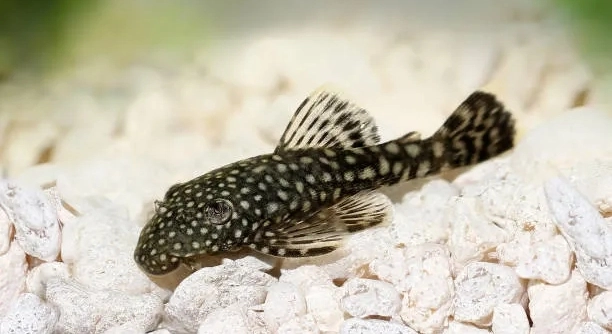
Do you ever notice your pleco swimming lazily at the bottom of the tank while ignoring its usual food? Observing your pleco’s feeding behavior can reveal a lot about its overall health and wellbeing in subtle ways.
Healthy plecos display consistent feeding patterns, consuming both algae and supplemental foods regularly. Changes in appetite, hesitation to eat, or selective feeding may indicate stress, illness, or improper water conditions that require timely attention.
Recognizing these habits early can help maintain your pleco’s health and ensure it thrives in its aquatic environment.
Consistent Algae Consumption
Observing your pleco feeding on algae regularly is a key sign of its health. A healthy pleco will scrape surfaces for algae, spending consistent time grazing each day. If your pleco ignores algae for more than a few days, it could signal stress, illness, or unsuitable water conditions. Algae eating is more than just a food habit; it reflects the fish’s digestive health and energy levels. Tank cleanliness also impacts this behavior. When algae is plentiful, a pleco can maintain its natural activity, helping it stay active and strong. Sudden changes in algae consumption can indicate internal problems, such as digestive upset or parasites. Monitoring feeding habits alongside water parameters ensures you catch potential issues early. Observing these small patterns gives insight into your pleco’s daily routine, helping you adjust care to support its growth and longevity. Consistency in feeding also supports healthy tank ecology.
Regular grazing on algae supports both the pleco’s diet and tank cleanliness, making it a positive indicator of health.
When plecos feed consistently on algae, their digestive system functions efficiently, promoting nutrient absorption. Maintaining a balanced diet alongside natural grazing helps prevent deficiencies. Watching how they feed can guide dietary adjustments, like supplementing with vegetables or sinking pellets. Healthy feeding patterns also indicate comfort in the environment. Stress, sudden temperature changes, or overcrowding can disrupt these habits, so observing algae consumption is crucial. Plecos that graze actively are less likely to overeat supplemental foods, maintaining proper weight and avoiding digestive issues. Supporting this natural behavior ensures the fish remain energetic, vibrant, and resilient against common ailments.
Appetite for Supplemental Foods
Plecos that eagerly accept sinking pellets or vegetables show they are healthy and well-nourished.
Offering varied foods like zucchini, cucumber, or pellets ensures they receive essential nutrients. Plecos that refuse supplements may need water checks or diet adjustments.
Supplemental feeding allows you to monitor intake and detect subtle appetite changes. Vegetables provide fiber for digestion, while pellets supply protein for growth. Healthy plecos will approach food quickly, nibble at it, and continue grazing without hesitation. Changes in interest or refusal can indicate illness, stress, or aging, so tracking these responses is important. Observing preferences also helps you tailor the diet, ensuring they get balanced nutrition. Over time, you may notice certain vegetables or pellets are more appealing, which can be rotated for variety. Consistent supplemental feeding complements natural algae grazing, supporting overall health. Maintaining this routine also allows for easier observation of unusual behaviors, helping you intervene early if problems arise. Proper feeding habits reflect both physical health and comfort in the tank environment.
Feeding at Regular Times
Plecos that eat at consistent times each day are usually healthy. Irregular feeding patterns can signal stress, poor water quality, or illness. Tracking their schedule helps identify early changes.
Regular feeding times help stabilize a pleco’s digestion and energy levels. A predictable routine allows them to anticipate food, reducing stress and promoting natural grazing behavior. When plecos skip meals occasionally, it may not be alarming, but persistent irregularity can indicate underlying problems. Observing timing also gives insight into how environmental factors, such as light cycles or tank mates, affect feeding behavior. Maintaining consistency supports growth and overall health, while sudden deviations may require water testing or diet adjustments to prevent long-term issues.
Maintaining feeding regularity encourages a stable tank environment. Plecos thrive on predictability, which reduces competition for food and minimizes stress. Monitoring timing helps detect subtle changes, ensuring their health remains optimal.
Enthusiastic Response to Food
A pleco that eagerly approaches food demonstrates both good appetite and overall health. Lack of interest can indicate stress or illness.
Healthy plecos respond quickly to food, actively nibbling or grazing without hesitation. Enthusiastic feeding shows energy, comfort in the environment, and proper nutrition. Changes in response, such as hesitation or disinterest, often precede visible signs of health problems.
Observing how your pleco reacts to feeding provides insight into both diet and environment. Plecos that consistently show eagerness are generally well-adjusted, while those that avoid food may be experiencing water issues, illness, or stress. Offering a variety of supplemental foods allows you to monitor preferences and adjust diet accordingly. This behavior also helps you maintain proper portion sizes, preventing overfeeding or underfeeding. Energy, vibrancy, and active feeding habits are reliable indicators that your pleco is thriving. Regular monitoring ensures early detection of potential health concerns, keeping the fish strong and energetic.
Interest in New Foods
Plecos that try new foods show adaptability and a healthy appetite. Reluctance to eat new items may indicate stress, illness, or dissatisfaction with tank conditions.
Introducing different vegetables or pellets encourages balanced nutrition. Healthy plecos explore new foods quickly, while persistent refusal can signal potential issues requiring attention.
Eating Without Struggling
Plecos that feed smoothly without struggling indicate proper jaw and digestive health. Difficulty scraping or chewing can point to oral or digestive problems. Proper feeding technique ensures nutrients are absorbed efficiently, supporting growth and overall wellbeing.
Active Grazing
Plecos that actively graze surfaces display strong digestive health. Regular scraping of tank surfaces helps maintain both their nutrition and activity levels.
FAQ
How often should I feed my pleco?
Plecos should be fed once daily, typically in the evening when they are most active. Their natural grazing behavior means they also consume algae throughout the day, so supplemental feeding supports a balanced diet. Overfeeding can cause water quality issues, so stick to measured portions. Vegetables and sinking pellets are ideal options. Monitoring their appetite daily ensures they remain healthy and energetic.
What types of food are best for plecos?
A combination of algae, vegetables, and protein-based sinking pellets works best. Zucchini, cucumber, and spinach provide fiber for digestion, while pellets supply necessary protein. Algae growth in the tank also contributes to their diet. Rotating foods keeps them interested and ensures proper nutrition. Avoid processed or sugary foods, as these can upset digestion and reduce overall health.
How do I know if my pleco is eating enough?
Healthy plecos will graze consistently and finish supplemental foods within a reasonable time. Sudden disinterest, incomplete feeding, or weight loss may indicate stress, illness, or poor water conditions. Observing both behavior and body condition over time helps identify feeding issues early. Compare their behavior to previous patterns to catch subtle changes.
Can plecos go without food for a few days?
Yes, plecos can survive a few days without supplemental feeding because they graze on algae, but this should not become a habit. Extended fasting can weaken their immune system and reduce growth. Consistent feeding ensures proper nutrition and maintains energy levels. Regular observation helps prevent unnoticed gaps in feeding.
Why does my pleco sometimes ignore food?
Ignoring food can result from stress, illness, poor water quality, or being full from algae grazing. Check tank conditions, temperature, and water parameters. Illness signs like lethargy, faded colors, or unusual swimming patterns often accompany lack of appetite. Early intervention ensures health issues are addressed before they worsen.
How can I encourage picky eaters?
Introduce vegetables like zucchini or cucumber gradually, and try different sinking pellet brands. Observing preferences allows you to offer foods they enjoy while ensuring balanced nutrition. Consistency and patience are key; changing water conditions or sudden diet shifts can make plecos reluctant to eat.
Is overfeeding harmful?
Yes, overfeeding can lead to poor water quality, obesity, and digestive issues. Remove uneaten food promptly and provide only the amount they can finish in a few minutes. Maintaining a feeding routine aligned with natural grazing supports health without risking overnutrition.
Should feeding habits change with age?
Young plecos often eat more actively, while older plecos may slow down and prefer grazing on algae. Adjust supplemental food portions accordingly, keeping track of appetite and energy. Observing habits over time helps you adapt feeding routines to their changing needs.
Can feeding habits indicate health problems?
Yes, changes in appetite, refusal to eat, or difficulty consuming food can signal stress, illness, or digestive issues. Monitoring feeding patterns alongside water quality and behavior allows early detection of problems. Quick action improves recovery and overall wellbeing.
How do I balance algae and supplemental food?
Allow plecos to graze naturally while providing a measured amount of vegetables and pellets. Balance ensures proper nutrition without overfeeding and helps maintain tank cleanliness. Observing grazing and consumption patterns allows adjustments based on activity and appetite.
Observing your pleco’s feeding habits is one of the most reliable ways to monitor its overall health. Plecos are naturally consistent eaters, and changes in appetite or behavior often provide early warnings of potential issues. Paying attention to how they graze on algae, nibble on vegetables, or respond to pellets can give insight into both their physical condition and comfort in the tank. Even small deviations from normal feeding patterns may indicate stress, illness, or environmental problems. Maintaining a clear record of feeding behavior alongside water quality checks ensures you can respond promptly to any concerns, helping your pleco remain healthy and active. Regular observation also helps you understand your pleco’s preferences and habits, making feeding a more predictable and stress-free part of care.
Providing a balanced diet is equally important for supporting pleco health. While algae often forms the core of their diet, supplemental foods such as sinking pellets and vegetables provide essential nutrients that may be lacking in natural grazing. Zucchini, cucumber, and leafy greens offer fiber for digestion, while pellets supply protein for growth and energy. Observing which foods your pleco prefers allows you to adjust the diet to encourage healthy eating without overfeeding. Overfeeding can lead to digestive problems, poor water quality, and excess weight, so it is crucial to provide measured portions that your pleco can finish comfortably. Feeding at regular times each day also helps maintain digestive stability and reduces stress, creating a predictable routine that supports overall wellbeing.
Consistency and careful observation remain the foundation of proper pleco care. Tracking feeding habits, providing a varied and balanced diet, and maintaining stable tank conditions all contribute to the fish’s long-term health. Plecos thrive when their environment meets their natural needs, including proper algae availability, clean water, and accessible supplemental foods. Monitoring their behavior during feeding can reveal subtle changes before visible symptoms appear, allowing for early intervention and prevention of more serious health issues. By combining attentiveness with a structured feeding routine, you can ensure your pleco stays active, comfortable, and healthy. Understanding these patterns also strengthens the bond between caretaker and fish, making daily care both effective and satisfying while promoting a thriving aquatic environment.

Hello,
If you enjoy the content that we create, please consider saying a "Thank You!" by leaving a tip.
Every little bit helps us continue crafting quality advice that supports the health, happiness, and well-being of pets around the world, for pets of all shapes, sizes, and species.
We really appreciate the kindness and support that you show us!