
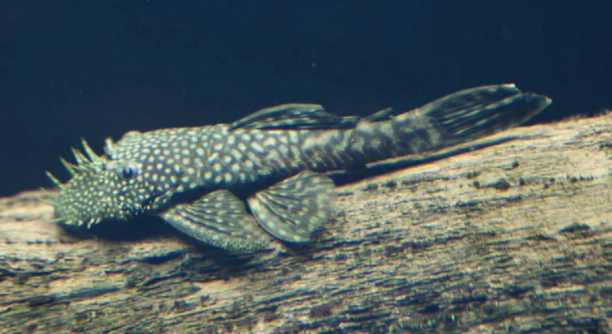
Do you ever find yourself admiring your pleco but noticing its bristles are not as full or healthy as you hoped? Many pleco owners face this challenge, wanting their fish to thrive with strong, vibrant bristles.
Feeding plecos specific nutrient-rich foods significantly contributes to the growth and health of their bristles. Incorporating high-protein, vitamin-enriched, and fiber-containing options promotes natural bristle development while supporting overall fish vitality and aquatic well-being.
Understanding which foods benefit bristle growth can transform your pleco’s appearance and health. The following guide will highlight seven effective options to improve bristle condition.
High-Protein Foods
High-protein foods are essential for plecos to maintain strong and healthy bristles. Ingredients like shrimp, bloodworms, and specially formulated pleco pellets provide the necessary building blocks for growth. Protein helps repair damaged tissue, supports overall development, and ensures your pleco maintains vibrant bristle structure. When feeding protein sources, it is important to balance them with other nutrients. Overfeeding protein without fiber or vitamins can cause digestive issues and reduce overall health. Fresh or frozen options like shrimp and worms are often preferred, as they retain most nutrients. Pellets designed for plecos offer convenience while still supporting growth. It’s also important to vary the protein sources to prevent deficiencies. Observing your pleco’s behavior and bristle condition after introducing new foods can help determine the most effective diet. Maintaining a consistent feeding schedule encourages optimal nutrient absorption, which ultimately enhances bristle length and strength. Regular monitoring of water quality is also crucial, as poor conditions can affect bristle development even with proper nutrition.
High-protein foods support bristle growth and repair. Regular, balanced feeding ensures plecos receive essential nutrients to maintain healthy, strong bristles.
Providing protein consistently strengthens your pleco’s bristles over time. Combining pellets, shrimp, and worms keeps meals interesting and nutrient-rich, while monitoring portions avoids digestive problems and supports long-term health.
Vegetables Rich in Fiber
Fiber-rich vegetables aid digestion and overall health in plecos. Leafy greens, zucchini, and cucumber are excellent options that also provide vitamins.
Vegetables high in fiber prevent constipation, promote nutrient absorption, and support consistent bristle growth. Feeding a variety of plant matter ensures a well-rounded diet.
Including vegetables in your pleco’s diet adds necessary fiber, vitamins, and minerals. Leafy greens like spinach or romaine lettuce can be blanched to soften them for easier consumption. Zucchini, cucumber, and peas provide additional texture and nutrients, encouraging natural grazing behavior. Rotating different vegetables helps prevent dietary monotony and ensures your pleco receives a broad spectrum of vitamins and minerals. Fiber aids digestion and allows protein-rich foods to be processed efficiently, directly affecting bristle growth and condition. Fresh vegetables should be cleaned thoroughly, and uneaten portions removed after a few hours to prevent water contamination. Combining fiber with protein and supplements creates a balanced diet that encourages vibrant, healthy bristles and supports overall vitality. By prioritizing both protein and fiber, plecos can develop fuller bristles while maintaining strong immunity and digestive health.
Algae Wafers
Algae wafers provide essential nutrients that promote bristle growth and overall pleco health. They are high in fiber and vitamins, supporting digestion while encouraging natural grazing behavior in plecos.
Algae wafers are formulated to meet the specific dietary needs of plecos. Rich in fiber, they help maintain a healthy digestive system, which is critical for nutrient absorption and bristle development. The wafers often contain spirulina and other algae that offer protein and antioxidants, supporting overall vitality. Regular feeding ensures your pleco receives consistent nutrients, promoting stronger, fuller bristles over time. Combining algae wafers with fresh vegetables or protein sources creates a balanced diet, preventing deficiencies and keeping your pleco active and healthy.
Feeding algae wafers is convenient and reliable. Observing how your pleco interacts with these wafers helps gauge appetite and ensures the fish consumes sufficient nutrients to maintain bristle growth. Over time, consistent feeding will result in noticeable improvements in bristle density and condition. Algae wafers also reduce the need for constant vegetable preparation, making daily care easier while still providing essential nutrition. Including them as part of a varied diet keeps your pleco engaged, healthy, and better equipped to maintain vibrant bristles naturally.
Frozen or Live Worms
Frozen or live worms are excellent sources of protein and nutrients for bristle growth. They encourage natural feeding behavior and provide essential amino acids.
Worms, such as bloodworms or blackworms, are highly digestible and rich in protein, supporting tissue repair and bristle development. Feeding live or frozen worms can stimulate activity and mimic natural foraging, keeping your pleco mentally and physically engaged. It is important to vary worm types to prevent nutrient imbalance. Thaw frozen worms properly and remove uneaten portions to maintain water quality. Regular inclusion of worms complements vegetables and algae wafers, ensuring a balanced diet that promotes stronger, healthier bristles while maintaining overall fish vitality and optimal growth.
Incorporating worms into your pleco’s feeding routine enhances protein intake and encourages natural behaviors. Observing how your fish interacts with these foods provides insight into preferences and helps maintain a well-rounded diet. Live worms offer stimulation, while frozen options provide convenience without sacrificing nutrients. Balancing worm feedings with algae wafers and vegetables ensures optimal nutrient absorption, supporting consistent bristle growth. Paying attention to portion size prevents overfeeding, reduces water contamination, and protects digestive health. With regular care, worms become a valuable part of a diet that enhances bristle density, strength, and overall pleco well-being.
Pellets for Bristle Growth
Specially formulated pleco pellets are designed to support bristle health with balanced nutrients. They contain protein, fiber, and essential vitamins that promote strong and healthy bristles.
Pellets are convenient and consistent. Using them alongside vegetables and occasional protein treats ensures your pleco receives a complete diet to maintain vibrant bristle growth.
Leafy Greens
Leafy greens such as spinach, romaine, and kale are high in fiber and vitamins. They aid digestion and provide essential nutrients that support bristle development.
Including leafy greens in your pleco’s diet ensures a steady supply of vitamins and minerals. Blanching them makes them easier to eat while maintaining nutritional value. Regular feeding of greens complements pellets and protein sources, promoting overall health. Leafy greens also encourage natural grazing behavior and provide variety, keeping your pleco engaged. Consistent inclusion supports bristle density and strength, while also enhancing digestive efficiency. Alternating greens prevents monotony and ensures a balanced intake of nutrients critical for maintaining healthy, full bristles.
Spirulina Supplements
Spirulina supplements provide concentrated nutrients that enhance bristle growth. They are rich in protein, vitamins, and antioxidants essential for pleco health.
FAQ
How often should I feed my pleco for optimal bristle growth?
Plecos benefit from small, consistent meals rather than one large feeding. Feeding once or twice a day with measured portions ensures they receive enough nutrients without overloading their digestive system. Consistent feeding encourages regular nutrient absorption, which directly impacts bristle development.
Can overfeeding protein harm my pleco’s bristles?
Yes. Too much protein can cause digestive problems and lead to poor nutrient absorption. Balancing protein with fiber from vegetables and algae wafers is crucial. Maintaining a varied diet prevents nutritional deficiencies and supports strong, healthy bristles.
Are frozen and live worms interchangeable in their benefits?
Both provide high-quality protein, but live worms encourage natural foraging behavior, while frozen worms offer convenience and consistency. Alternating between the two ensures your pleco receives balanced nutrition and stimulation, supporting both bristle growth and overall health.
Do algae wafers alone provide enough nutrients for bristle growth?
Algae wafers are excellent for fiber and vitamins, but they should be paired with protein and fresh vegetables. A combined diet ensures plecos get all essential nutrients to maintain strong, dense bristles and general well-being.
How important is water quality for bristle development?
Water quality is critical. Poor water conditions can stress plecos, reducing appetite and slowing bristle growth. Maintaining stable temperature, proper filtration, and regular water changes helps your pleco absorb nutrients effectively and keeps bristles healthy.
Can leafy greens alone promote bristle growth?
Leafy greens provide essential fiber and vitamins, but alone they are insufficient. Combining greens with protein sources and algae wafers creates a complete diet that supports optimal bristle development and overall health.
How quickly will I see results in bristle growth after changing the diet?
Results vary based on age, health, and prior diet. With a balanced feeding plan, improvements in bristle density and color can often be seen within a few weeks, but maintaining consistent care is essential for long-term benefits.
Are supplements like spirulina necessary for every pleco?
Spirulina and other supplements are beneficial but not mandatory if the diet already includes high-quality pellets, protein, and vegetables. They can accelerate bristle growth and improve color, especially for plecos showing slower development or during recovery from stress.
Is it safe to feed human vegetables to plecos?
Certain vegetables like zucchini, cucumber, and spinach are safe when cleaned and blanched. Avoid processed or heavily seasoned vegetables. Offering fresh, plain options ensures safe nutrient intake that promotes bristle growth without digestive issues.
Can stress or tank mates affect bristle growth?
Yes. Stress from aggressive tank mates, overcrowding, or sudden environmental changes can slow bristle development. Providing a calm environment, hiding spots, and compatible tank companions allows plecos to focus energy on growth and health.
How do I know if my pleco is getting enough nutrients for bristles?
Healthy, full, and vibrant bristles indicate good nutrition. Dull, sparse, or broken bristles may signal deficiencies or improper diet. Observing feeding behavior, energy levels, and bristle condition helps adjust diet and care for optimal growth.
Should I rotate foods, or stick to a routine diet?
Rotation is important. Offering a variety of protein, vegetables, and algae-based foods ensures a broad nutrient intake. Rotation prevents deficiencies, encourages natural foraging behavior, and supports consistent bristle development over time.
Can bristles recover if they are damaged?
Yes. With proper diet, clean water, and low stress, damaged bristles can regenerate. Recovery takes time, so maintaining consistent care and monitoring the pleco’s health is key to restoring full, healthy bristles.
Are homemade foods effective for bristle growth?
Homemade foods can be effective if they are balanced and nutrient-rich. Including protein, fiber, and vitamins ensures plecos receive the necessary nutrients. Careful preparation and variety are essential to maintain bristle health and overall vitality.
Is it necessary to supplement with vitamins?
Supplementation can be helpful if the diet lacks variety or if bristle growth is slow. Vitamins like A, C, and D support tissue repair, immune function, and vibrant bristle development. Balanced feeding often reduces the need for additional supplementation.
How do I store frozen or live worms safely?
Frozen worms should be stored in the freezer and thawed before feeding. Live worms should be kept in clean containers with proper aeration. Safe storage prevents contamination and ensures your pleco receives healthy, nutrient-rich food for optimal bristle growth.
Can bristle growth be influenced by the pleco’s age?
Yes. Younger plecos generally grow bristles faster, while older plecos may have slower or reduced growth. Maintaining a nutrient-rich diet and optimal tank conditions supports bristle health at any age, though expectations should match the fish’s developmental stage.
What signs indicate a diet is improving bristle health?
Shiny, thick, and evenly distributed bristles indicate a successful diet. Increased activity and consistent feeding habits also show the pleco is thriving. Monitoring changes over weeks allows adjustment to maintain optimal growth and overall health.
Can excessive algae in the tank replace feeding bristle-boosting foods?
Algae alone is insufficient. While it provides fiber and some nutrients, plecos need protein, vitamins, and minerals from other sources. Combining algae with vegetables, pellets, and occasional protein ensures complete nutrition for strong bristle development.
How often should I introduce new foods for bristle growth?
Introduce new foods gradually, every few days to a week. Sudden changes can stress plecos and affect digestion. Gradual introduction allows the fish to adapt while maintaining consistent nutrient intake for bristle growth.
Are commercial pleco foods better than natural foods?
Commercial foods are formulated to meet nutritional needs consistently. Natural foods like worms and vegetables complement pellets, providing variety and stimulation. Using both ensures plecos receive complete nutrition for healthy bristles and overall vitality.
What is the best combination of foods for bristle growth?
A mix of protein (worms, shrimp), fiber (vegetables, algae wafers), and high-quality pellets creates a balanced diet. Occasional supplementation with spirulina or vitamins supports faster growth, stronger bristles, and better overall health. Variety ensures complete nutrition and long-term bristle maintenance.
How does tank environment affect bristle development?
Clean water, proper temperature, and low stress are essential. Poor conditions can reduce appetite and slow nutrient absorption. A well-maintained tank complements a nutrient-rich diet, allowing plecos to grow full, healthy bristles efficiently.
Can plecos develop bristles without protein-rich foods?
Protein is critical for tissue repair and bristle growth. Without it, bristles may be sparse or weak. Combining protein sources with vegetables and algae ensures proper development and maintains overall health.
Are bristle-boosting foods suitable for all pleco species?
Most foods discussed benefit common pleco species, but dietary needs can vary. Research specific species requirements to tailor protein, fiber, and vitamin intake. Adjusting diet according to species ensures optimal bristle growth and overall well-being.
How do I prevent overfeeding while ensuring nutrient intake?
Measure portions based on pleco size and feeding frequency. Observe consumption and remove uneaten food. Combining pellets, vegetables, and occasional protein in controlled amounts maintains proper nutrition without causing digestive or water quality issues.
Can dietary changes reverse slow bristle growth?
Yes. Switching to a balanced, nutrient-rich diet can improve bristle density, color, and strength over time. Consistency, along with proper tank care, is key to seeing tangible results in bristle development.
What role do vitamins and antioxidants play in bristle health?
Vitamins and antioxidants repair tissue, boost immunity, and support cellular function. They help plecos maintain strong, vibrant bristles and recover from minor damage caused by stress, minor injury, or nutrient deficiencies.
How long should I maintain a bristle-boosting diet?
Bristle growth is ongoing. Maintaining a balanced diet consistently ensures plecos retain healthy bristles throughout their life. Nutrient-rich feeding combined with proper care supports sustained growth and overall vitality.
Are there signs that a pleco dislikes certain bristle-boosting foods?
Refusal to eat, ignoring specific foods, or leaving portions uneaten may indicate preference or dislike. Observing behavior allows adjustment to diet while still ensuring nutritional balance and consistent bristle growth.
Can over-supplementation harm bristle growth?
Excess vitamins or protein can cause digestive issues or stress, indirectly affecting bristle development. Following recommended amounts and maintaining a balanced diet prevents negative effects while supporting healthy growth.
Do plecos need variety to maintain bristle growth?
Variety prevents nutrient deficiencies and encourages natural feeding behaviors. Rotating protein, vegetables, and algae-based foods ensures complete nutrition and consistent bristle development over time.
Are frozen vegetables as effective as fresh ones?
Frozen vegetables retain most nutrients but may lose texture. They remain effective for fiber and vitamins, supporting bristle growth, especially when fresh options are unavailable. Blanching frozen vegetables before feeding improves palatability.
How does age or health condition impact dietary needs for bristle growth?
Young, healthy plecos grow bristles faster and require higher nutrient intake. Older or stressed plecos may need softer foods or supplements. Adjusting diet according to age and condition ensures continued bristle development and overall vitality.
Can tank mates interfere with a pleco’s diet?
Aggressive or competitive tank mates may limit feeding opportunities, reducing nutrient intake. Providing multiple feeding spots or isolated feeding sessions ensures plecos receive sufficient nutrients for bristle growth.
Is it necessary to track feeding for bristle health?
Monitoring intake helps prevent overfeeding, ensures variety, and identifies dietary deficiencies. Tracking feeding contributes to better nutrient absorption, supporting strong, healthy bristle development over time.
How can I encourage picky plecos to eat bristle-boosting foods?
Gradually introducing new foods, mixing favorites with supplements, and observing feeding behavior can encourage acceptance. Patience ensures plecos receive balanced nutrition, supporting bristle growth and overall health.
Are there any foods to avoid for bristle growth?
Processed human foods, heavily seasoned vegetables, or low-nutrient fillers should be avoided. They provide little benefit and may disrupt digestion, limiting the pleco’s ability to grow strong, healthy bristles.
How do I combine different food types effectively?
Feed protein, vegetables, and algae-based foods in a balanced routine. Rotating ingredients ensures plecos receive complete nutrients while maintaining interest in feeding and supporting consistent bristle development.
Can bristles indicate overall health?
Yes. Thick, vibrant bristles reflect good nutrition, low stress, and proper care. Sparse or damaged bristles may signal dietary gaps, water quality issues, or illness, helping identify areas for improvement.
Are commercial supplements worth using regularly?
Supplements can accelerate bristle growth and improve coloration, particularly for slower-growing plecos or during recovery. When combined with a balanced diet, they enhance overall health without replacing natural food sources.
How do I adjust feeding for multiple plecos?
Provide sufficient portions for each fish, separating food if necessary to prevent competition. Ensuring every pleco receives nutrients supports uniform bristle growth and reduces stress from food scarcity.
Can dietary improvements reverse environmental damage to bristles?
Nutrition supports recovery, but poor water conditions or stress must be corrected simultaneously. Balanced feeding accelerates bristle regrowth, but environmental care is equally critical for long-term results.
How important is consistency in a bristle-boosting diet?
Consistency ensures nutrients are absorbed effectively, supporting steady bristle growth. Irregular feeding or sudden changes can disrupt growth and weaken overall bristle condition.
Final Thoughts
Maintaining healthy bristles on a pleco requires attention to both diet and environment. Consistently providing a variety of foods that are high in protein, fiber, and essential vitamins is crucial. Foods such as algae wafers, leafy greens, pellets, and protein-rich treats like worms or shrimp supply the nutrients plecos need for bristle growth. Rotating these foods ensures a balanced intake of nutrients while keeping feeding interesting for your fish. Over time, a carefully planned diet helps plecos develop fuller, stronger, and more vibrant bristles. Paying attention to portion sizes and feeding frequency is also important, as overfeeding or underfeeding can negatively affect digestion and overall health, which in turn impacts bristle condition.
Water quality and tank management play an equally important role in bristle health. Even the best diet cannot fully compensate for poor water conditions. Maintaining stable temperature, regular water changes, and proper filtration reduces stress and promotes nutrient absorption. Stressful conditions, such as aggressive tank mates or overcrowding, can slow bristle growth and lead to dull, sparse bristles. Providing hiding spots and a calm environment supports natural behaviors like grazing and exploring, which helps plecos consume food efficiently. Observing plecos regularly allows for early detection of issues like reduced appetite or damaged bristles, enabling timely adjustments to diet or tank conditions. A combination of proper nutrition, consistent care, and a clean, stable environment creates the best circumstances for healthy, long-lasting bristle development.
Finally, patience and consistency are key when working to improve bristle growth. Plecos may take weeks or even months to show noticeable changes, depending on age, health, and prior diet. Consistently providing a balanced combination of protein, fiber, vitamins, and supplements allows bristles to grow steadily while supporting overall fish health. Monitoring responses to different foods helps determine which combinations are most effective, ensuring that each pleco receives what it needs. By combining thoughtful feeding, clean water, and careful observation, pleco owners can foster stronger, denser bristles and improve the overall well-being of their fish. Long-term commitment and steady care are the most reliable methods for achieving and maintaining vibrant bristles throughout a pleco’s life.

Hello,
If you enjoy the content that we create, please consider saying a "Thank You!" by leaving a tip.
Every little bit helps us continue crafting quality advice that supports the health, happiness, and well-being of pets around the world, for pets of all shapes, sizes, and species.
We really appreciate the kindness and support that you show us!