
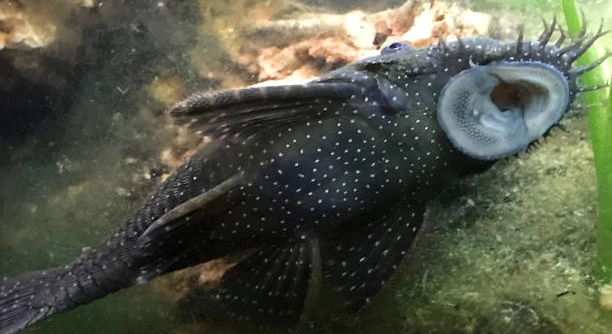
Have you ever noticed your pleco acting differently in its tank, moving with extra energy or paying more attention to its surroundings than usual? These changes often hint at important shifts in its behavior and habits.
Plecos display several clear signs when ready to mate, including increased territorial behavior, more frequent cleaning of surfaces, changes in coloration, heightened activity levels, and interactions with tank mates that suggest courtship intentions and reproductive readiness.
Observing these behaviors carefully can help you understand your pleco’s needs and plan for a successful mating period.
Increased Territorial Behavior
When plecos are ready to mate, they often become noticeably territorial. You might see your pleco guarding certain areas of the tank, especially caves or hiding spots. It may chase away other fish that come too close. This behavior is a natural instinct to protect a potential nesting site. Territoriality can also involve more frequent flaring of fins and subtle displays of strength. These actions are not aggression against you, but signals to other fish. Observing these changes helps you understand its reproductive timing. Some plecos may become restless, moving rocks or rearranging plants. They may also spend longer periods in specific corners of the tank. Providing sufficient space and hiding places is essential during this stage. This reduces stress and supports healthier interactions. Over time, these territorial behaviors often become more pronounced as the pleco prepares to mate, giving clear visual cues of its readiness.
Monitoring these behaviors ensures you can create a supportive environment for successful breeding.
Being aware of these territorial habits allows you to adjust the tank layout, keeping your pleco comfortable while minimizing stress.
Frequent Cleaning of Surfaces
Plecos ready to mate often spend extra time cleaning surfaces. They may scrape rocks, decorations, or tank walls more vigorously than usual. This behavior is linked to nest preparation. Cleaning ensures the area is suitable for eggs and protects them from debris. Even small changes in cleaning frequency or intensity can indicate mating readiness. Watching these patterns can guide decisions about tank maintenance.
This cleaning behavior serves a practical purpose in reproduction. Plecos instinctively choose smooth, clean surfaces for egg laying. Scraping and brushing surfaces remove algae, dirt, or any irregularities that could hinder egg adhesion. The intensity of cleaning increases as mating approaches. Some plecos may focus on a single spot, polishing it repeatedly. This is a clear sign that the fish has chosen a site for potential egg deposition. Recognizing this behavior helps identify when breeding conditions are optimal. Observing the pleco’s cleaning routine also provides insights into its comfort level and environmental satisfaction. Ensuring the tank has suitable surfaces, like smooth rocks or ceramic caves, encourages natural reproductive behavior. Proper lighting and water conditions complement this instinct, enhancing the likelihood of successful spawning. Regular observation of these cleaning patterns makes it easier to prepare the tank and support the pleco’s reproductive cycle effectively.
Noticing these cleaning patterns early allows you to optimize conditions for egg-laying success.
Paying attention to this habit helps in planning tank setup, giving the pleco a safe and appealing place for reproduction.
Changes in Coloration
Plecos often show brighter or more intense colors when ready to mate. Their fins and body patterns may become more vivid. This shift signals health and readiness to potential mates, helping attract partners naturally in the tank environment.
Coloration changes are usually gradual but noticeable if you pay attention. Males often show deeper shades along their fins or body, while some species display unique markings more prominently. These shifts are not permanent and typically fade after mating activity decreases. Color intensity can also reflect water quality and nutrition, so maintaining optimal conditions supports both health and reproductive readiness. Observing these changes can help determine the best time to introduce a mate or adjust the tank for breeding. It also allows monitoring for stress or illness, since dull colors can indicate underlying issues. Some plecos may combine these visual changes with other behaviors, like increased activity and surface cleaning, creating a clear set of mating signals.
Bright coloration also enhances visibility during courtship displays. Males may position themselves in well-lit areas to highlight these colors, signaling readiness and establishing presence in the territory. This natural behavior is an essential part of successful mating in captive settings.
Heightened Activity Levels
Plecos ready to mate often become more active, swimming longer distances and exploring the tank repeatedly. This increase in energy reflects hormonal changes and preparation for mating tasks.
Heightened activity can include circling potential nesting sites, inspecting surfaces, and interacting more with tank mates. This restlessness is part of the mating process, helping the pleco identify suitable areas for egg deposition. Increased movement may also involve digging or shifting substrate to create optimal conditions for spawning. Observing this activity allows you to anticipate reproductive behavior and make necessary adjustments, like adding shelters or rearranging decorations. Activity patterns often peak just before actual spawning events, providing a useful indicator for timing breeding efforts. Tracking energy levels alongside other signs gives a complete picture of mating readiness. Changes in swimming style, intensity, and focus on specific areas are all important signals.
Supporting this activity with clean water, adequate hiding spaces, and proper diet ensures the pleco remains healthy and motivated. This combination of conditions promotes successful courtship, nest preparation, and eventual spawning in the tank environment.
Interactions with Tank Mates
Plecos ready to mate often interact differently with other fish. They may chase, nudge, or display toward tank mates more frequently. These actions are part of courtship or establishing dominance, showing that the pleco is preparing for reproduction.
Some plecos may focus their attention on specific mates, circling or following them around the tank. This behavior signals interest and readiness, helping strengthen bonds before spawning occurs.
Nesting Behavior
Plecos may begin inspecting caves, crevices, or other hiding spots for potential nesting sites. They often spend time cleaning and preparing these areas carefully. Nesting behavior is a critical step in reproduction, ensuring the eggs have a safe and secure place for development.
Flaring Fins
Males often flare their fins more frequently when ready to mate. This display emphasizes size and strength, helping attract females and deter rivals.
FAQ
How can I tell if my pleco is male or female?
Telling males from females can be tricky, but there are a few clear signs. Males usually have broader heads, larger pectoral fins, and sometimes more pronounced odontodes—small bristle-like structures—along their body, especially during mating readiness. Females are generally rounder in the belly area, particularly when carrying eggs, and tend to have smaller fins. Observing behavior alongside physical traits can also help: males are often more territorial and show more frequent flaring and surface cleaning. Checking for these characteristics consistently over time gives the best chance of identifying the sex correctly.
Why is my pleco cleaning the tank more often?
Frequent cleaning is a common mating signal. Plecos polish surfaces like rocks, caves, or decorations to prepare nesting sites for eggs. They remove algae, debris, and dirt to create a smooth area where eggs can adhere safely. This behavior can also indicate good health and comfort in the tank. Providing proper surfaces, like ceramic caves or flat rocks, allows plecos to perform these natural behaviors effectively. Increased cleaning combined with other behaviors, like flaring and territorial displays, is a strong sign of reproductive readiness.
What is the best tank setup for breeding plecos?
A breeding-friendly tank needs caves or crevices for nesting, soft substrate for digging, and stable water conditions. Plecos prefer hiding spots that are slightly enclosed. Proper water temperature and quality are essential, as fluctuating conditions can stress fish and prevent mating. Adequate filtration without strong currents helps maintain clean water while allowing plecos to swim comfortably. Lighting should be moderate to encourage natural behavior, and spacing between hiding spots prevents conflict. Providing separate areas for males and females initially can reduce stress, then gradually introducing them allows controlled observation of mating behavior.
How often do plecos mate?
The frequency of mating depends on species, age, and environmental conditions. Some plecos may breed multiple times per year, while others might reproduce once or twice annually. Healthy adults with stable water conditions, good diet, and suitable nesting areas tend to mate more frequently. Hormonal cycles play a role, influencing activity levels, coloration, and courtship behaviors. Observing consistent mating signals such as cleaning, territorial behavior, and increased activity helps predict when breeding is likely. Monitoring these signs allows owners to optimize conditions for repeated successful spawning events.
What should I feed plecos to encourage mating?
A balanced diet is essential. High-quality sinking pellets, vegetables like zucchini or cucumber, and occasional protein sources such as shrimp or bloodworms support health and reproductive readiness. Nutrient-rich food improves energy levels and promotes egg development in females. Offering variety encourages natural feeding behaviors and strengthens immune systems. Feeding consistently while avoiding overfeeding helps maintain water quality, which is critical during breeding. Proper nutrition paired with clean water and suitable habitat increases the chances of successful mating and healthy fry.
How do I know when eggs are fertilized?
Fertilized eggs usually appear attached to cleaned surfaces in the nesting area, often clustered in small groups. They are typically clear or slightly yellowish, firm, and remain in place. Unfertilized eggs may appear cloudy or shriveled and are often removed by the parent. Observing the male’s guarding behavior, especially around the nest, is another indicator of fertilization. Maintaining stable water parameters ensures eggs remain healthy until hatching. Tracking egg development over time allows you to see which eggs are viable and ready to hatch.
How long does it take for pleco eggs to hatch?
Hatching time depends on species and water temperature, usually ranging from 4 to 10 days. Warmer, stable water tends to accelerate development, while cooler water slows it down. During this period, males often guard the eggs, fanning them to provide oxygen and protect them from fungus or debris. Observing daily changes in egg appearance and maintaining clean water helps ensure successful hatching. Once hatched, fry are small and require gentle care, often feeding on algae or specially prepared fry food until they grow stronger.
Can plecos breed in community tanks?
Breeding in community tanks is possible but can be challenging. Other fish may stress or eat eggs, and competition for territory can interfere with nesting behavior. Separating the breeding pair or creating secure areas within the tank increases success rates. Observing signs like cleaning, territoriality, and nest guarding can indicate readiness, but careful monitoring is necessary. Providing ample hiding spaces and maintaining excellent water conditions helps protect eggs and fry. Community tanks may require additional precautions, such as removing other fish temporarily or using breeding caves to isolate the plecos during mating.
What should I do after plecos spawn?
After spawning, it’s important to maintain stable water conditions and monitor egg development closely. Males often continue guarding the nest until eggs hatch. Avoid disturbing the nesting site, and ensure filtration doesn’t create strong currents that could dislodge eggs. Feeding the adults lightly supports their energy needs. Once fry hatch, provide appropriate nutrition and avoid introducing aggressive or large tank mates that could harm them. Observing the parents’ behavior and ensuring proper habitat conditions improves survival rates, helping fry grow into healthy adult plecos.
How can I tell if my pleco is stressed during mating?
Signs of stress include reduced activity, loss of appetite, faded coloration, and erratic swimming. Stress can interfere with mating and egg development. Ensuring adequate hiding spaces, stable water conditions, and minimal disturbance helps reduce stress. Observing behavior carefully allows adjustments to tank setup and care, keeping plecos healthy and supporting successful reproduction.
Observing your pleco’s behavior can be both fascinating and helpful. Paying attention to subtle signs like increased cleaning, territorial displays, and changes in coloration gives clear insight into when your pleco is ready to mate. These behaviors are natural and indicate the fish is in a healthy state, prepared for reproduction. Watching your pleco interact with its environment and tank mates can help you anticipate its needs and create a comfortable space. Providing adequate hiding spots, caves, and smooth surfaces for egg-laying supports these instincts. Over time, you begin to recognize patterns in activity and behavior, making it easier to plan for breeding events. Understanding these signals reduces stress for both the fish and yourself, creating a more harmonious aquarium environment.
Supporting your pleco during mating involves more than just observing behavior. Maintaining stable water conditions is crucial, as fluctuations in temperature, pH, or cleanliness can interfere with reproductive readiness. Feeding a balanced diet rich in nutrients enhances energy levels and overall health, which directly affects mating success. Paying attention to how the pleco interacts with potential mates or nesting sites also helps you adjust the tank setup if needed. Small changes, like adding more hiding spaces or rearranging decorations, can make a big difference in providing a secure environment for mating. This not only encourages natural behavior but also ensures that eggs and fry have a higher chance of survival. Being proactive in preparing for mating reduces potential issues and supports the natural reproductive cycle of your pleco.
Finally, patience and careful observation are key when working with plecos. Each fish may display signs of readiness differently, and the timeline for mating can vary. By consistently monitoring behavior, activity levels, and environmental conditions, you can better understand your pleco’s needs. Supporting these behaviors with a suitable diet, proper tank setup, and stable water conditions encourages successful reproduction while maintaining fish health. Recognizing the importance of nesting, egg care, and territorial behavior allows you to provide the best environment for your pleco to thrive. Over time, these efforts create a positive and productive space in your aquarium, helping your pleco reach its natural reproductive potential while remaining healthy and active.

Hello,
If you enjoy the content that we create, please consider saying a "Thank You!" by leaving a tip.
Every little bit helps us continue crafting quality advice that supports the health, happiness, and well-being of pets around the world, for pets of all shapes, sizes, and species.
We really appreciate the kindness and support that you show us!