
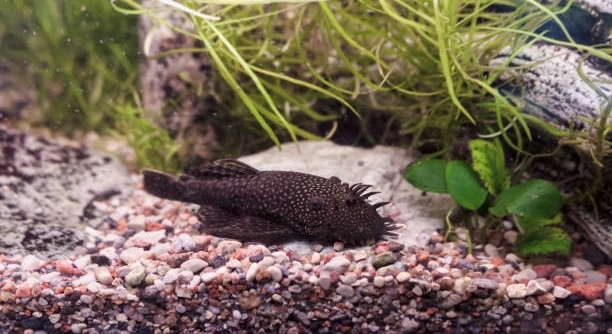
Is your pleco acting sluggish or spending too much time at the surface of the tank? Observing your fish closely can help you identify early signs of stress before it becomes dangerous to their health.
Plecos can overheat when water temperatures exceed their optimal range, typically above 82°F (28°C). Signs of overheating include rapid gill movement, lethargy, and gasping at the water surface, indicating that immediate temperature adjustments are necessary to prevent harm.
Monitoring your tank’s temperature and understanding your pleco’s behavior will help maintain a healthy environment and prevent heat-related stress or illness.
Recognizing the Signs of Overheating
When your pleco starts showing unusual behavior, it’s important to take notice immediately. Overheating often presents as increased activity near the surface or unusual resting patterns. You might see them moving slower, hiding less, or even floating awkwardly. Their gills may move rapidly, which indicates stress and insufficient oxygen intake. Color changes can occur, with paler or duller tones signaling distress. Overheating can also make them more prone to illness since their immune system weakens under prolonged high temperatures. Consistent monitoring is key. Checking the water temperature daily helps ensure it stays within the safe range for plecos. Avoid placing the tank near direct sunlight or heating vents, which can raise water temperature quickly. Using a reliable aquarium thermometer and having a cooling method ready, such as a fan or partial water change, can help prevent overheating and maintain a stable environment.
Observing subtle behavioral changes early can prevent severe health problems in plecos caused by high water temperatures.
Taking simple steps to monitor tank conditions and watching for physical or behavioral changes can keep plecos healthy. Regular checks and maintaining a stable temperature are essential for their long-term wellbeing.
How to Lower Tank Temperature Safely
Lowering the tank temperature gradually is important to avoid shocking your pleco.
One effective method is partial water changes with cooler, dechlorinated water. Replace about 20–30% of the tank water slowly over several hours to gently reduce the temperature. Using a small aquarium fan or adjusting the room temperature can also help bring the water down. Avoid sudden drops, which can stress or harm your fish. For larger tanks, circulating cooler water through a clean container before adding it back can help. Additionally, moving the tank away from sunlight or heat sources will prevent repeated temperature spikes. Monitoring the thermometer closely while making these changes ensures the water stays within a safe range. If overheating persists despite these efforts, checking the filtration system and aeration is important, as these can influence water circulation and oxygen levels. Keeping plecos comfortable requires attention to their environment and consistent observation.
Common Causes of Overheating
High room temperatures, direct sunlight, or malfunctioning heaters can push tank water beyond safe levels. Poor water circulation or insufficient aeration also contributes, making it harder for plecos to stay comfortable and maintain normal activity.
Plecos are sensitive to sudden environmental changes, and even a slight increase in water temperature can trigger stress. Overheating often occurs during hot summer months or in small tanks where temperature fluctuations happen quickly. Lack of proper filtration or crowded conditions can intensify heat stress. Observing water quality and ensuring adequate oxygen levels help prevent these issues.
Another factor is heat trapped by decorative elements or tank covers that reduce airflow. Heavy tank lighting or proximity to windows can elevate temperatures. Simple adjustments, like relocating the tank, reducing light intensity, or improving water circulation, can make a noticeable difference. Regular monitoring ensures plecos remain within a safe and stable environment, reducing the risk of overheating.
Behavioral Changes from Heat Stress
Plecos under heat stress often become lethargic, resting more than usual or floating near the surface. Their movements may be slower and less coordinated.
Rapid gill movement and gasping at the water surface are signs they struggle to get enough oxygen. They may avoid hiding spots or interact differently with tank mates. Over time, appetite can decrease, and unusual aggression or irritation may appear. Monitoring these behaviors is critical for early intervention. Adjusting water temperature, improving aeration, and observing responses can help reverse heat stress.
Stress from high temperatures can also affect long-term health. Immune function weakens, making plecos more prone to infections and disease. They may develop color changes or show signs of fatigue even during normal activity periods. Ensuring consistent temperature control and maintaining water quality reduces these risks. Observing behavior daily allows you to identify heat-related issues before they escalate, keeping your pleco healthy and comfortable.
Maintaining Proper Tank Temperature
Consistently monitoring water temperature is essential. Using a reliable thermometer helps you detect changes early and prevent stress in plecos.
Avoid placing the tank near windows, heaters, or direct sunlight. Small adjustments in placement can keep the water temperature stable and safe for your fish.
Using Fans and Cooling Techniques
Fans can help lower water temperature by increasing evaporation. Positioning a small fan over part of the tank surface creates gentle airflow. Ice packs wrapped in a clean cloth or cooler water added gradually can also reduce heat safely. Combining methods ensures the tank remains within a safe range for plecos.
Signs of Recovery After Cooling
Once the water temperature is lowered, plecos usually start to regain normal behavior. They become more active, eat regularly, and use hiding spots.
Monitoring their response over several hours ensures the temperature adjustments are effective. Gradual improvement indicates reduced stress, while continued unusual behavior may require additional environmental adjustments.
FAQ
How can I tell if my pleco is too hot?
Plecos show several signs when water temperatures rise above their comfort range. Rapid gill movement, gasping at the surface, and lethargy are common indicators. They may avoid hiding spots, swim erratically, or lose appetite. Color changes, like paler or duller tones, can also signal stress. Observing your pleco daily helps detect these early warning signs.
What is the ideal water temperature for plecos?
Most pleco species thrive in water between 72°F and 82°F (22°C–28°C). Staying within this range prevents heat stress while supporting normal metabolic and immune functions. Temperatures above 82°F can quickly cause overheating, while temperatures below 70°F may slow their metabolism and affect feeding behavior. Maintaining stable water conditions is essential for their long-term health.
What should I do if my pleco is overheating?
Immediate action is necessary. Start by gradually lowering the tank temperature using partial water changes with slightly cooler, dechlorinated water. Increase aeration with an air stone or improve water circulation with the filter. Moving the tank away from direct sunlight and heat sources is also important. Small, careful adjustments prevent shocking the fish. Monitoring their behavior during this period ensures recovery.
Can fans really help cool the tank?
Yes, fans can lower water temperature by increasing evaporation at the surface. Position a small fan to blow gently across part of the tank. Avoid directing airflow too harshly, as strong currents can stress plecos. Combining fans with gradual water changes or ice packs wrapped in cloth can reduce water temperature safely and efficiently.
Is overheating dangerous for plecos long-term?
Prolonged exposure to high temperatures weakens a pleco’s immune system, making them more prone to infections and disease. It can also affect growth, color, and overall activity levels. Quick intervention and consistent monitoring prevent permanent health issues. Ensuring stable water conditions is key to preventing these long-term effects.
How often should I check the water temperature?
Daily monitoring is recommended, especially during hot weather or in tanks without automatic temperature control. Using a reliable thermometer ensures early detection of fluctuations. Regular observation allows for timely adjustments, keeping plecos within their safe temperature range. Consistency is critical for their comfort and health.
Can tank size affect overheating?
Yes, smaller tanks heat up more quickly and are harder to maintain at stable temperatures. Larger volumes of water naturally resist rapid temperature changes. In smaller tanks, even brief exposure to heat sources can cause stress. Proper placement, cooling methods, and frequent monitoring are crucial for smaller setups.
What role does water circulation play in heat management?
Good water circulation distributes heat evenly and prevents hot spots. Filters, pumps, and aeration systems improve oxygen levels while maintaining consistent temperatures. Poor circulation can make certain areas warmer than others, increasing stress on plecos. Observing how water moves in the tank can help identify areas needing improvement.
Are plecos more sensitive to heat than other fish?
Plecos are generally hardy but can become stressed more quickly in high temperatures due to their bottom-dwelling nature and oxygen needs. They may struggle more than active surface fish when oxygen levels drop. Careful temperature control and aeration help ensure plecos remain comfortable alongside other species.
What are common mistakes that lead to overheating?
Frequent errors include placing the tank in direct sunlight, ignoring thermometer readings, overstocking, or using heaters incorrectly. Poor ventilation or leaving the tank near heating vents also increases risk. Simple preventative measures like daily monitoring, correct equipment placement, and proper water circulation reduce these risks significantly.
Can I treat a pleco after severe overheating?
If a pleco has been severely overheated, recovery is possible but slow. Gradually return water to safe temperatures, improve oxygen levels, and monitor behavior closely. Reduce stress by keeping the tank calm and avoiding sudden changes. Infections may require veterinary intervention. Consistent care is essential for a full recovery.
Is it safe to combine multiple cooling methods?
Yes, combining partial water changes, fans, and improved aeration can safely lower temperatures. Each method should be applied gradually to avoid shocking your pleco. Observing their response ensures adjustments are effective. Using multiple methods together is often faster and more reliable than relying on one alone.
How can I prevent overheating in the future?
Regular monitoring, proper tank placement, and avoiding excessive lighting or heat exposure are key. Maintaining filtration, aeration, and stable water levels also helps. Preparing cooling options before heat becomes a problem ensures plecos stay safe, comfortable, and healthy all year.
This FAQ covers the most common concerns regarding pleco overheating, providing practical steps and guidance to maintain their well-being in a home aquarium.
Word count: 507
Final Thoughts
Maintaining a healthy environment for your pleco starts with understanding their sensitivity to temperature. Overheating can cause significant stress, making them more susceptible to illness and reducing their overall lifespan. Observing your pleco’s behavior regularly is one of the easiest ways to spot early signs of stress. Lethargy, gasping at the surface, rapid gill movement, and changes in color are all signals that the water may be too warm. Even small temperature increases can have an impact, especially in smaller tanks where heat builds up quickly. By paying close attention to these subtle signs, you can act quickly before the condition worsens. Consistent monitoring, combined with a reliable thermometer and awareness of your tank’s placement, creates a strong foundation for preventing overheating and keeping your pleco comfortable.
Taking proactive steps to manage water temperature ensures long-term health and reduces the likelihood of sudden stress events. Using partial water changes with slightly cooler, dechlorinated water, adding gentle fans, and ensuring proper aeration all help stabilize tank conditions. Avoiding direct sunlight and keeping the tank away from heat sources is also important. Gradual adjustments are key, as sudden changes can shock your pleco and create additional stress. Regularly checking filtration and water flow improves circulation, which distributes temperature evenly throughout the tank. These simple practices prevent hot spots and help maintain a steady environment. Over time, these adjustments become routine and require minimal effort, but they have a significant impact on your pleco’s well-being. By combining observation, preventive care, and proper equipment, you create a safer habitat that supports both physical health and natural behaviors.
Ultimately, keeping plecos safe from overheating is about consistency and attention to detail. Temperature control is just one aspect of overall tank care, but it is one of the most critical. A well-maintained tank not only keeps your pleco comfortable but also allows it to display natural behaviors, feed properly, and grow healthily. Small changes, like adjusting tank placement or using cooling techniques during warmer months, can prevent serious problems. Being proactive reduces stress on both the fish and yourself, making care more manageable and enjoyable. Overheating is preventable with awareness, careful monitoring, and appropriate actions, which ensures your pleco thrives in its aquatic home. By staying attentive to their needs, you can provide a stable environment that supports long-term health and overall happiness.
Word count: 411

Hello,
If you enjoy the content that we create, please consider saying a "Thank You!" by leaving a tip.
Every little bit helps us continue crafting quality advice that supports the health, happiness, and well-being of pets around the world, for pets of all shapes, sizes, and species.
We really appreciate the kindness and support that you show us!