
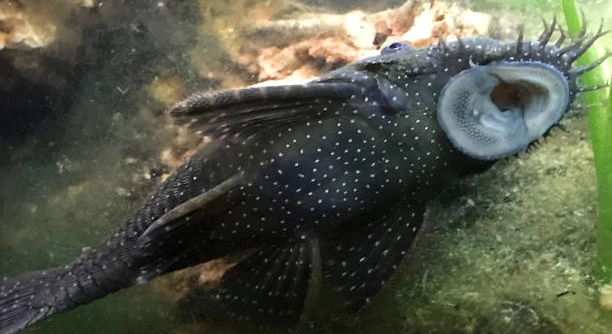
Do your plecos sometimes end up flipped onto their backs, seemingly struggling in the water? This behavior can be alarming for any aquarium owner who takes pride in maintaining a healthy, balanced tank environment for their fish.
Plecos sometimes flip over due to issues with buoyancy, stress, water quality, or improper tank setup. These factors can interfere with their balance and swimming ability, causing temporary disorientation or difficulty maintaining their natural posture.
Observing these behaviors closely can help you identify underlying issues and maintain a safer, more comfortable environment for your fish to thrive.
Common Causes of Plecos Flipping
Plecos may flip over due to a variety of environmental and health factors. One frequent cause is improper water conditions, including temperature fluctuations, high ammonia, or uneven pH levels. These issues can stress plecos and affect their buoyancy, making it hard for them to maintain normal swimming posture. Tank decorations or sharp objects can also contribute, as plecos might attempt to maneuver around obstacles and accidentally tip onto their backs. Overfeeding or irregular feeding schedules can cause digestive issues, which in turn influence their balance. Some species naturally have stronger suction abilities, allowing them to cling to surfaces, but weaker individuals may struggle more, especially in fast currents. Observing behavior after tank adjustments often reveals patterns. Stress from overcrowding or aggressive tankmates can also lead to flipping incidents, as plecos try to escape or reposition themselves in their environment. Providing a stable, well-maintained habitat significantly reduces flipping episodes.
Monitoring tank conditions closely can prevent many balance-related problems before they escalate.
By understanding these factors, you can make targeted changes to water parameters, feeding routines, and tank layout. For example, maintaining consistent temperature and performing regular water tests ensures plecos stay healthy. Adjusting decorations to minimize sharp edges or unstable surfaces helps prevent accidental flips. Monitoring for signs of stress or disease allows early intervention before the flipping becomes chronic. Different pleco species have unique behavior patterns; recognizing these can help tailor tank conditions for each fish. For instance, some plecos prefer calm areas with plenty of hiding spots, while others need stronger currents to stay active. Balancing these needs reduces stress and promotes normal swimming posture. Additionally, paying attention to diet, avoiding overfeeding, and providing fiber-rich foods supports digestive health and buoyancy control. With consistent care, most flipping incidents can be minimized, ensuring a more stable, healthy environment for your plecos.
Health and Diet Considerations
Diet plays a significant role in pleco balance and overall health. Uneven nutrition or sudden changes in food can cause digestive problems that affect buoyancy.
Feeding plecos a balanced diet with vegetables, algae wafers, and occasional protein ensures proper digestion. Irregular feeding schedules can lead to bloating or gas, making it difficult for plecos to swim upright. Observing their eating habits helps identify potential issues early. Overfeeding should be avoided, as it can exacerbate digestive discomfort and contribute to water quality problems. Some plecos may benefit from supplementary fiber, such as blanched zucchini or cucumber, to aid intestinal health and maintain buoyancy. Proper nutrition paired with a stable environment keeps plecos active, reduces stress, and minimizes flipping behavior. By carefully monitoring diet and adjusting portions according to size and species, you can support long-term health while keeping your tank balanced. Ensuring the right mix of nutrients also strengthens immune function, helping plecos resist disease and recover more quickly from minor stressors.
Tank Layout and Decorations
Unstable decorations or sharp surfaces can contribute to plecos flipping. Rocks, driftwood, and ornaments should be securely placed to prevent tipping or injury. Avoid overcrowding, which limits swimming space and increases the chance of accidental flips.
Arranging the tank with ample open areas allows plecos to move freely while still providing hiding spots. Driftwood and smooth rocks can serve as resting areas, but they must be stable. Uneven surfaces or loose decorations may cause plecos to lose balance when exploring. Proper tank layout reduces stress, encourages natural behaviors, and limits accidental flipping. Observation helps identify problem areas to adjust decor effectively.
Providing enough horizontal swimming space is as important as vertical structures. Plecos need areas to glide and cling without obstruction. If hiding spots are too small or crowded, plecos may wedge themselves awkwardly, leading to flips. Smooth surfaces, stable wood, and careful placement of ornaments allow for safe movement. Balancing open areas with structured zones promotes activity and reduces stress. Regular monitoring of tank layout ensures plecos can navigate safely, helping maintain upright swimming posture consistently and avoiding recurring flipping incidents.
Water Quality and Filtration
Poor water quality directly affects plecos’ balance and health. High ammonia, nitrite, or nitrate levels can weaken their swimming ability and stress the fish.
Maintaining clean, well-filtered water stabilizes oxygen levels and supports buoyancy control. Regular water changes, proper filtration, and monitoring parameters like pH and hardness ensure the environment remains safe. Plecos are sensitive to sudden changes, so gradual adjustments prevent shock and help maintain consistent swimming posture. Aeration and water flow should be considered, as overly strong currents may tire plecos, while stagnant water reduces oxygen availability.
A good filtration system removes debris and toxins, maintaining stable water chemistry. Frequent testing helps detect imbalances before they affect plecos. Temperature consistency is crucial; fluctuations can stress fish and disrupt buoyancy. Filtration must match tank size to prevent circulation dead zones, which can trap waste and reduce oxygen levels. Plecos benefit from gentle currents that mimic natural conditions without exhausting them. Clean water combined with proper aeration supports digestive health and reduces the likelihood of flipping. Consistent maintenance, including partial water changes and careful monitoring, ensures a safe, stable environment that allows plecos to swim upright and thrive long-term.
Stress and Tankmates
Aggressive or overly active tankmates can stress plecos, causing them to flip or behave erratically. Ensuring compatible species reduces conflict and promotes calmer swimming patterns.
Providing hiding spots and observing interactions helps identify which fish may be causing stress. Reducing overcrowding minimizes competition and supports plecos’ natural behavior.
Buoyancy Issues
Digestive problems, gas, or swim bladder disorders often lead to buoyancy problems in plecos. Overfeeding or feeding inappropriate foods can worsen these issues, making swimming upright difficult. Monitoring diet and adjusting portion sizes can prevent bloating and maintain proper balance.
Observation and Behavior Patterns
Watching plecos over time reveals patterns that indicate health or environmental problems. Repeated flipping may point to stress, diet issues, or poor water conditions, signaling the need for corrective action.
Temperature Fluctuations
Sudden changes in water temperature can disorient plecos and affect buoyancy. Maintaining a stable, appropriate temperature range is essential for their comfort and proper swimming behavior.
FAQ
Why do my plecos flip over even in a clean tank?
Even in a well-maintained tank, plecos may flip due to minor stressors, buoyancy issues, or improper diet. Small digestive problems, like gas from overfeeding or sudden food changes, can interfere with balance. Observing feeding habits and water parameters often reveals subtle causes.
Can certain tank decorations cause plecos to flip?
Yes. Unstable rocks, sharp edges, or loosely placed driftwood can make plecos lose their footing while exploring. Crowded tanks also limit swimming space, increasing the risk of accidental flipping. Securing all ornaments and leaving open swimming areas can help prevent incidents.
Does water temperature affect plecos’ ability to stay upright?
Temperature fluctuations can disorient plecos. Sudden drops or rises in water temperature stress them, affecting buoyancy and swimming posture. Using a reliable heater and thermometer ensures stable conditions, keeping plecos comfortable and less likely to flip.
How does diet impact pleco flipping?
Overfeeding, inappropriate food, or sudden diet changes can cause bloating, gas, or constipation. These issues affect buoyancy, making swimming upright difficult. Providing balanced nutrition, including vegetables, algae wafers, and fiber-rich foods, supports digestion and overall balance.
Can stress from tankmates cause flipping?
Aggressive or overly active fish can stress plecos, prompting erratic movements and flips. Ensuring compatible tankmates and providing hiding spots reduces stress, encouraging calmer swimming and more predictable behavior.
Is flipping a sign of illness?
Occasional flipping is usually harmless, but frequent or prolonged flips may indicate health issues such as swim bladder disorders, digestive problems, or infections. Observing other symptoms like lethargy, loss of appetite, or discoloration helps determine if veterinary care is needed.
Do young plecos flip more often than adults?
Juvenile plecos may flip more frequently as they learn to navigate their environment. Their weaker suction abilities and smaller size make them more vulnerable to balance issues, especially around decorations or during feeding. Gradual acclimation to tank conditions reduces incidents.
Can water flow in the tank cause flipping?
Strong currents can exhaust plecos or push them into awkward positions, leading to flips. Gentle, consistent flow that mimics their natural habitat allows plecos to maintain balance while staying active. Observation and adjusting filter output can resolve flow-related flipping.
How often should I monitor my plecos to prevent flipping issues?
Daily observation is ideal. Noticing unusual swimming patterns, bloating, or frequent flips early allows for timely intervention. Regular water testing, tank maintenance, and careful monitoring of diet help prevent long-term problems and keep plecos stable.
Will flipping affect my pleco’s long-term health?
Occasional flips typically do not harm plecos, but chronic flipping caused by stress, poor water quality, or illness can lead to weakened health over time. Addressing environmental and dietary factors ensures plecos maintain proper posture and thrive in the tank.
Can I treat flipping at home without medication?
Yes. Adjusting tank layout, securing decorations, stabilizing water conditions, and improving diet often resolve flipping without medication. Only persistent or health-related cases may require veterinary intervention. Observing behavior and making small adjustments can prevent most flipping incidents.
Are some pleco species more prone to flipping?
Certain species with weaker suction abilities or more delicate bodies may flip more easily, especially when exploring uneven surfaces. Researching specific species’ behaviors and tank needs helps reduce flipping incidents and supports natural movement.
Does overstocking the tank contribute to flipping?
Overcrowded tanks increase stress and competition for space. Plecos may flip when navigating tight areas or escaping aggressive tankmates. Maintaining appropriate population density and providing adequate hiding spots minimizes stress and supports normal swimming behavior.
Can water hardness or pH levels affect plecos’ balance?
Yes. Sudden changes in pH or inappropriate hardness levels can stress plecos, disrupting buoyancy and swimming. Consistent, species-appropriate water chemistry ensures healthy balance and reduces the likelihood of flipping. Regular testing is essential to maintain optimal conditions.
How long does it take for a pleco to recover from flipping?
Recovery is usually immediate if flipping is occasional and environmental factors are stable. Prolonged flipping due to stress, diet, or illness may require days or weeks to resolve after adjustments. Consistent care accelerates recovery and prevents recurrence.
Can lighting or day-night cycles influence flipping?
Inconsistent lighting or sudden changes in light levels can stress plecos. Maintaining a consistent day-night cycle supports normal behavior and reduces sudden movements that may result in flipping. Using timers ensures stable lighting conditions for calmer swimming patterns.
Is it normal for plecos to flip while feeding?
Yes. Some plecos may temporarily tip while clinging to surfaces or maneuvering around food. Short, occasional flips during feeding are usually harmless and often related to natural exploration or suction adjustments.
Should I separate a flipping pleco from others?
Separation is only necessary if aggressive tankmates are causing stress. Otherwise, flipping alone does not require isolation. Providing ample hiding spots and open swimming areas is generally sufficient to reduce incidents.
Does age affect flipping frequency in plecos?
Younger plecos may flip more as they develop strength and learn to navigate. Older plecos may flip if experiencing health or mobility issues. Monitoring changes across life stages helps identify when intervention or care adjustments are needed.
How do I know if flipping is caused by environment or health?
Observing patterns is key. If flipping occurs after feeding, during strong currents, or near decorations, it’s likely environmental. If flips are frequent, prolonged, or paired with lethargy or loss of appetite, health issues may be involved. Adjusting care accordingly addresses the cause.
Final Thoughts
Plecos flipping in the tank can seem alarming, but it is often the result of common environmental or dietary factors. Observing their behavior closely can help identify the underlying cause before it becomes a larger problem. Small changes, like stabilizing water temperature, adjusting tank decorations, or improving diet, often make a significant difference in reducing flipping incidents. Maintaining a clean, well-filtered tank and monitoring water parameters regularly provides a safer and more comfortable environment. Overfeeding, sudden changes in diet, or inappropriate foods can contribute to digestive issues that affect buoyancy, so feeding plecos a balanced diet with vegetables, algae wafers, and occasional protein is essential. Keeping an eye on feeding habits, ensuring portion sizes match the fish’s size, and offering fiber-rich foods can prevent bloating or gas that makes swimming upright difficult.
Tank layout also plays a key role in plecos’ ability to move safely. Loose or unstable decorations, sharp surfaces, or overcrowding can increase the likelihood of flipping. Arranging smooth driftwood, stable rocks, and secure ornaments provides resting areas and hiding spots while leaving open swimming spaces reduces stress and accidental tipping. Observing how plecos interact with their surroundings helps determine whether certain areas of the tank need adjustment. Some species of plecos naturally have weaker suction abilities or are more delicate, so considering species-specific behaviors when arranging the tank ensures a safer habitat. Over time, small adjustments to tank setup, combined with proper nutrition and water quality management, can prevent repeated flipping incidents and promote healthier, more confident swimming behavior.
Stress and interactions with tankmates are also important factors to consider. Aggressive or overly active fish can stress plecos, causing erratic movements and increasing the risk of flipping. Providing ample hiding spots and monitoring interactions can help minimize stress and support natural behavior. Occasional flipping is typically harmless, but frequent or prolonged flipping may indicate health issues such as swim bladder disorders or digestive problems. Observing plecos for additional signs of illness, like lethargy, loss of appetite, or discoloration, allows for timely intervention. Consistency in care—maintaining stable water conditions, a proper diet, and a safe, thoughtfully arranged tank—supports long-term health and balance. Paying attention to these factors ensures plecos can thrive, swim upright confidently, and remain active and comfortable in their environment.

Hello,
If you enjoy the content that we create, please consider saying a "Thank You!" by leaving a tip.
Every little bit helps us continue crafting quality advice that supports the health, happiness, and well-being of pets around the world, for pets of all shapes, sizes, and species.
We really appreciate the kindness and support that you show us!