
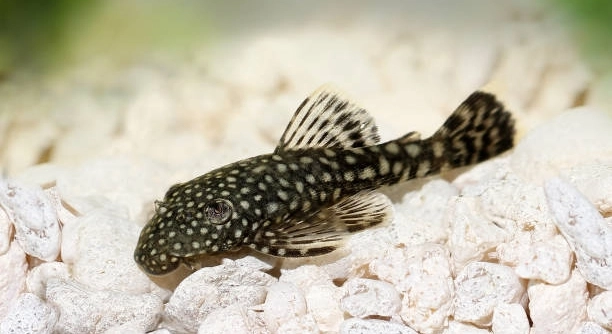
Do you have a pleco in your aquarium and want to ensure it stays healthy and happy? Understanding their dietary needs is key to keeping these fish thriving in a home environment. Proper feeding helps maintain their vitality and appearance.
Plecos can eat vegetables, and many species benefit from a plant-based diet. Suitable options include zucchini, cucumber, spinach, peas, and lettuce. Providing these vegetables supports digestion, growth, and overall health, while supplementing their natural grazing habits.
Knowing which vegetables are safe and how to prepare them properly ensures your pleco receives balanced nutrition and remains active. Feeding habits play a crucial role in their long-term wellbeing.
Why Vegetables Are Important for Plecos
Vegetables are an essential part of a pleco’s diet because they provide nutrients that mimic what they would eat in their natural habitat. Plecos are primarily herbivores, though some species may occasionally consume protein. Fresh vegetables supply fiber, vitamins, and minerals, which help maintain proper digestion and prevent health issues. Feeding a variety of vegetables ensures your fish receives balanced nutrition while encouraging natural grazing behaviors. Over time, providing consistent plant matter can improve their coloration, energy levels, and overall health. Popular vegetables for plecos include zucchini, cucumber, spinach, peas, and lettuce. It’s important to prepare these vegetables properly by washing and cutting them into manageable pieces. Some plecos may prefer blanched or slightly softened vegetables, while others will graze on raw pieces. Consistency in offering vegetables alongside occasional algae wafers supports a well-rounded diet and a longer, healthier life for your pleco.
Regular vegetable feeding can reduce the risk of malnutrition and digestive problems in plecos.
Including vegetables in your pleco’s diet also helps manage algae growth in the tank. When plecos graze on fresh produce, they are less likely to overconsume algae from surfaces, which can sometimes be limited in nutrients. Alternating between types of vegetables keeps meals interesting and prevents dietary monotony. Spinach and lettuce provide leafy greens rich in fiber, while zucchini and cucumber offer hydration due to their high water content. Peas are excellent for maintaining proper gut function. Monitoring how your pleco responds to different vegetables can guide you in refining the diet. Always remove uneaten vegetables after a few hours to prevent water quality issues. Offering vegetables several times a week, alongside occasional protein sources if your species requires it, creates a balanced feeding routine. Paying attention to portion sizes is important, as overfeeding can lead to obesity or water contamination. Proper preparation, including blanching tougher vegetables, ensures they are safe and easy to consume.
Best Vegetables to Feed Your Pleco
Zucchini and cucumber are ideal choices for most plecos because they are soft, easily digestible, and hydrating.
Spinach, peas, and lettuce also provide fiber, vitamins, and minerals. Blanching leafy greens or removing tough stems makes them easier to eat. Rotating vegetables prevents boredom and ensures a varied diet. Preparing vegetables in small, manageable pieces allows your pleco to graze naturally. Regular vegetable feeding contributes to proper growth, vibrant coloration, and improved digestion. Always monitor how much your pleco consumes to prevent uneaten food from decaying in the tank, which can affect water quality. Offering fresh vegetables multiple times per week, combined with occasional algae wafers, creates a well-balanced diet that supports long-term health. Over time, you may notice increased activity, better appetite, and overall wellbeing. Adjusting the type and amount of vegetables based on your pleco’s preferences ensures they receive proper nutrition and remain healthy in a home aquarium.
How to Prepare Vegetables for Plecos
Vegetables should be washed thoroughly to remove pesticides or dirt. Cutting them into small, manageable pieces ensures plecos can eat without difficulty. Blanching tougher vegetables like zucchini or peas softens them and makes them easier to digest.
Blanching involves briefly boiling the vegetables for one to two minutes and then cooling them in water. This process preserves nutrients while softening the texture. Leafy greens such as spinach or lettuce can be served raw, but removing thick stems makes them more accessible. Small pieces encourage grazing, allowing plecos to feed naturally over time. Consistent preparation helps prevent digestive issues and supports overall health.
Monitoring how your pleco interacts with each vegetable is important. Some may prefer certain types or textures, so adjusting preparation methods can make feeding more effective. Removing uneaten portions after a few hours prevents water contamination. Offering vegetables in rotation ensures variety and balanced nutrition. Observing your pleco’s behavior during feeding can help you fine-tune portion sizes, textures, and combinations to maintain optimal health. Proper preparation is key to a thriving aquarium.
Feeding Frequency and Portion Control
Feeding vegetables two to three times per week is usually sufficient, depending on your pleco species and tank size. Small, controlled portions prevent overfeeding and maintain water quality.
Overfeeding vegetables can cause leftover food to decompose, impacting tank cleanliness and causing potential spikes in ammonia. Offering the right portion allows plecos to graze naturally without wasting food. Each feeding session should provide enough vegetables for the fish to finish in a few hours. Observing your pleco during feeding helps determine ideal portion sizes. Feeding frequency may be adjusted based on activity levels, species, and the presence of other food sources like algae wafers. Keeping a regular schedule supports digestion and prevents irregular eating habits, promoting long-term health and vibrant coloration in your pleco.
Balancing vegetable feedings with other dietary components ensures nutritional completeness. Algae wafers or occasional protein sources can complement vegetables, depending on the species’ needs. Rotating vegetable types and varying preparation techniques keeps meals interesting. Consistency in feeding routines fosters healthier growth patterns and prevents stress. Monitoring water quality is essential, as uneaten vegetables can quickly affect tank conditions. Gradually adjusting portion sizes based on appetite and consumption habits allows for fine-tuning. Maintaining a balance between sufficient nutrition and controlled feeding supports optimal digestion, energy levels, and overall wellbeing of your pleco in a home aquarium.
Common Mistakes When Feeding Vegetables
Overfeeding is a frequent issue that can lead to water contamination and digestive problems. Providing too many vegetables at once increases the risk of uneaten food decaying in the tank.
Ignoring vegetable variety can also affect your pleco’s nutrition. Feeding the same vegetable repeatedly limits essential nutrients and fiber, which are necessary for proper growth and health. Rotating vegetables ensures balanced nutrition and keeps your pleco engaged in grazing behavior. Observing how your fish reacts to different vegetables helps prevent these mistakes and promotes a healthier feeding routine.
Signs Your Pleco Is Getting Enough Vegetables
Healthy digestion, vibrant coloration, and regular activity indicate proper vegetable intake. Plecos should graze consistently without leaving large amounts of food uneaten. Monitoring these signs helps ensure the diet is adequate.
Vegetables to Avoid Feeding Plecos
Some vegetables can harm plecos or disrupt tank conditions. Avoid starchy or processed vegetables, as they are difficult to digest and can lead to bloating or illness.
Tips for Encouraging Vegetable Consumption
Blanching vegetables, cutting them into small pieces, and rotating types can help plecos accept new foods. Consistency and observation improve feeding success and overall health.
FAQ
Can plecos eat raw vegetables?
Yes, plecos can eat raw vegetables, especially leafy greens like spinach and lettuce. However, tougher vegetables such as zucchini, cucumber, or peas may benefit from blanching to soften them. Softened vegetables are easier to digest and encourage natural grazing behavior, preventing digestive stress.
How often should I feed vegetables to my pleco?
Vegetables should be offered two to three times per week. Portion size should allow your pleco to finish the food within a few hours to avoid water contamination. Observation is important, as different species or individual fish may require slight adjustments in feeding frequency.
What are the best vegetables for plecos?
Zucchini, cucumber, spinach, lettuce, and peas are the most commonly recommended vegetables. Zucchini and cucumber are soft and hydrating, while leafy greens provide fiber and essential vitamins. Peas are excellent for digestion and gut health. Rotating these vegetables ensures balanced nutrition and prevents boredom.
Can plecos eat frozen or canned vegetables?
Frozen vegetables are acceptable if they are fully thawed and rinsed, as they retain most nutrients. Canned vegetables are not recommended due to added salts and preservatives, which can be harmful to plecos. Always wash and prepare vegetables properly before feeding.
How do I know if my pleco is getting enough vegetables?
Signs of sufficient vegetable intake include healthy digestion, active grazing behavior, and vibrant coloration. If vegetables are eaten quickly and uneaten food is minimal, it usually indicates that the portion and type are appropriate. Monitoring your pleco regularly helps maintain a balanced diet.
Can overfeeding vegetables harm plecos?
Yes, overfeeding vegetables can lead to bloating, digestive issues, and poor water quality. Uneaten food decomposes quickly, raising ammonia levels and stressing fish. Always provide small, manageable portions and remove leftovers promptly to maintain tank health.
Should I combine vegetables with other foods?
Combining vegetables with occasional algae wafers or protein sources is beneficial for most pleco species. This ensures complete nutrition, particularly for omnivorous plecos. Adjust the balance according to your species’ dietary needs, observing how they consume both vegetables and supplemental foods.
Are there vegetables plecos should never eat?
Avoid starchy vegetables like potatoes, corn, or processed vegetables. These are difficult to digest and may cause bloating or other health issues. Stick to soft, nutrient-rich vegetables suitable for grazing and natural feeding behavior.
How should I prepare vegetables for my pleco?
Wash all vegetables thoroughly to remove pesticides or dirt. Cut them into small pieces for easier grazing. Blanch tougher vegetables to soften them without losing nutrients. Leafy greens can be served raw after removing thick stems, ensuring safe consumption and effective digestion.
Can baby plecos eat vegetables?
Yes, juvenile plecos can eat soft, finely chopped vegetables. Start with easily digestible options like zucchini or cucumber. Introducing vegetables early encourages healthy growth and establishes proper feeding habits. Adjust portion size to their small mouths and digestive capacity.
How do I prevent vegetables from polluting the tank?
Feed only the amount your pleco can consume within a few hours. Remove any uneaten portions promptly. Rotating vegetable types and cutting them into small pieces reduces waste. Observing feeding behavior helps you fine-tune portions and prevents water quality issues.
Will vegetables replace algae in my pleco’s diet?
Vegetables supplement, but do not completely replace, natural algae consumption. Algae still provides fiber and nutrients that some plecos need. Offering vegetables alongside algae wafers or naturally occurring tank algae creates a well-rounded diet for long-term health.
Can plecos eat all types of leafy greens?
Most leafy greens are safe, but avoid very tough or fibrous leaves like kale stems or rhubarb. Spinach, lettuce, and romaine are suitable options. Wash thoroughly and remove any thick stems to make them easy to eat.
What is the best way to introduce new vegetables?
Introduce new vegetables gradually, offering small amounts alongside familiar foods. Observe your pleco’s response, adjusting preparation methods if necessary. Gradual introduction reduces stress and ensures acceptance without overwhelming their digestive system.
Can vegetables improve pleco coloration?
Yes, vegetables rich in vitamins and minerals can enhance pleco coloration over time. Consistent feeding of a variety of vegetables supports overall health, energy levels, and vibrant coloration, making your fish more visually appealing.
Is it okay to leave vegetables in the tank overnight?
It is not recommended. Uneaten vegetables decompose quickly, affecting water quality and increasing ammonia levels. Always remove leftovers after a few hours to maintain a healthy tank environment and prevent health issues for your pleco.
Final Thoughts
Feeding plecos the right vegetables is essential for maintaining their health and overall wellbeing. Vegetables provide fiber, vitamins, and minerals that are often missing from a diet based solely on algae or prepared foods. Including options like zucchini, cucumber, spinach, lettuce, and peas ensures that plecos receive balanced nutrition while supporting natural grazing habits. Preparing vegetables properly by washing, cutting, and sometimes blanching makes them easier to eat and digest. Leafy greens can usually be served raw after removing thick stems, while firmer vegetables benefit from light blanching. By offering a variety of vegetables, you prevent dietary monotony and encourage consistent grazing behavior. Observing your pleco’s response to different vegetables helps you adjust portion sizes and types to meet its needs effectively. Over time, a diet that incorporates fresh vegetables can improve digestion, energy levels, and even coloration, contributing to a more vibrant and active fish.
It is important to feed vegetables in moderation. Overfeeding can cause uneaten food to decay in the tank, which affects water quality and can lead to digestive problems. Providing small, manageable portions allows plecos to consume food at their own pace while minimizing waste. Feeding vegetables two to three times per week is usually sufficient, but adjustments may be necessary depending on the species or individual behavior of your pleco. Combining vegetables with occasional algae wafers or other supplemental foods ensures complete nutrition for omnivorous species. Monitoring feeding habits and observing how your pleco interacts with different vegetables can guide you in creating a balanced routine. Rotating vegetables and preparing them appropriately keeps your pleco engaged and helps maintain a healthy aquarium environment. This consistent approach not only promotes physical health but also encourages natural behaviors that are beneficial for their mental and emotional wellbeing.
By understanding the types of vegetables plecos can safely eat and how to prepare them, you can provide a diet that promotes long-term health. Avoiding starchy, processed, or tough vegetables protects your fish from digestive issues and ensures they get the nutrients they need. Paying attention to portion control, feeding frequency, and water quality helps maintain a thriving aquarium. Encouraging vegetable consumption through proper preparation and variety fosters natural grazing and supports optimal growth and energy. Ultimately, a well-planned vegetable-based diet enhances your pleco’s quality of life while reducing potential health risks. Consistent observation, careful portioning, and variety in vegetable types are key to creating a balanced and sustainable feeding routine. By prioritizing these factors, your pleco can enjoy a healthier, more active, and vibrant life in your aquarium for years to come.

Hello,
If you enjoy the content that we create, please consider saying a "Thank You!" by leaving a tip.
Every little bit helps us continue crafting quality advice that supports the health, happiness, and well-being of pets around the world, for pets of all shapes, sizes, and species.
We really appreciate the kindness and support that you show us!