
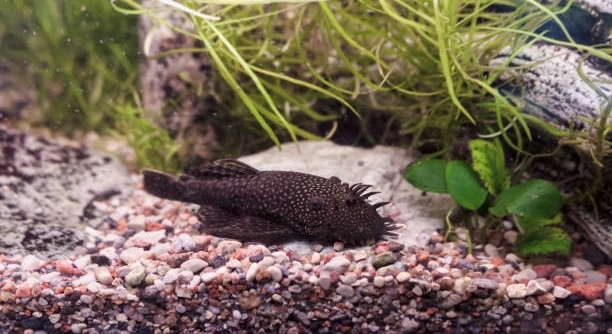
Have you ever thought about keeping a Bristlenose Pleco in a small aquarium? These fish are popular for their algae-eating habits and interesting appearance, but managing their care in limited space requires careful planning and attention.
Bristlenose Plecos can survive in a nano tank, but only under specific conditions. Maintaining proper water quality, temperature, and providing sufficient hiding spots are crucial. Overcrowding and poor filtration can quickly harm their health and well-being.
Learning how to set up a nano tank correctly will make a big difference for your Pleco’s comfort and longevity. Proper care ensures your fish remain healthy and active in a small environment.
Understanding Bristlenose Pleco Needs
Bristlenose Plecos are small, hardy fish, but they still have specific needs that must be met in a nano tank. They require stable water conditions, including a temperature between 73–81°F and a pH range of 6.5–7.5. Filtration is important because waste can build up quickly in smaller tanks, which affects water quality. These fish are nocturnal, so providing hiding spots such as caves, driftwood, or dense plants helps them feel secure during the day. They also enjoy grazing on algae, but their diet should be supplemented with sinking pellets or vegetables like zucchini and cucumber. Despite their small size, Bristlenose Plecos produce a moderate amount of waste, making regular water changes essential. Monitoring tank conditions daily ensures they remain healthy, and observing their behavior can alert you to stress or illness early on. Consistent care will keep them active and thriving.
A properly maintained nano tank with hiding spaces allows Bristlenose Plecos to stay comfortable and healthy.
Even in a small setup, Plecos need stimulation and space to move. Adding driftwood or smooth rocks encourages natural behavior, and rotating vegetables keeps their diet interesting. Overcrowding should be avoided, as it stresses the fish. Small tanks demand careful attention, but with the right setup, Plecos can live happily.
Tank Size and Setup
A nano tank under 20 gallons can house a Bristlenose Pleco if the setup is correct.
Smaller tanks heat up and accumulate waste faster, so choosing the right filter and monitoring water parameters is essential. Adding hiding spots reduces stress, while driftwood provides grazing surfaces and promotes natural behaviors. Proper substrate, such as sand or smooth gravel, prevents injuries. Plants not only decorate the tank but also improve water quality. Spacing decorations allows swimming room, which is crucial for activity. Lighting should be moderate to encourage nocturnal behavior. Regular water changes of 25–30% weekly help maintain cleanliness and reduce ammonia or nitrate buildup. Even with a nano tank, it is possible to mimic the Pleco’s natural environment, supporting health and longevity. Observing your fish daily ensures adjustments can be made if needed. A well-planned tank allows them to thrive despite limited space.
Would you like me to continue with the next sections in the same format?
Feeding and Nutrition
Bristlenose Plecos eat algae, but they need more than that to stay healthy. Sinking pellets, blanched vegetables like zucchini or spinach, and occasional protein treats support growth and vitality. Feeding once or twice daily in small amounts prevents overfeeding and keeps water quality stable.
Including a variety of foods ensures a balanced diet for Bristlenose Plecos. Vegetables like cucumber, zucchini, and spinach should be blanched to soften them. Sinking algae wafers provide essential nutrients, while occasional treats such as bloodworms or brine shrimp add protein. Monitoring how much your fish eat prevents leftover food from decaying, which can harm water quality. Proper feeding also encourages natural grazing behavior and keeps Plecos active throughout the day.
It’s important to observe your Pleco’s eating habits regularly. If it ignores certain foods, try offering alternatives or chopping vegetables into smaller pieces. Overfeeding can cloud the water and increase ammonia levels, so portion control is essential. Rotating foods keeps your Pleco interested and helps provide complete nutrition, which supports their long-term health and vibrant appearance.
Water Quality and Maintenance
Maintaining clean, stable water is critical in a nano tank for Bristlenose Plecos. Regular testing and partial water changes prevent toxic buildup and stress.
Small tanks are more prone to rapid water parameter changes. Weekly water changes of 25–30% are essential, along with testing for ammonia, nitrite, nitrate, and pH levels. Filters should run efficiently, and sponge filters are ideal for gentle water flow that won’t disturb the Pleco. Removing uneaten food and decaying plant matter prevents spikes in harmful chemicals. Monitoring temperature ensures it stays consistent, as sudden shifts can stress fish. Even minor changes can impact Pleco health, so careful observation is necessary.
Filtration and aeration must be tailored to the nano tank size. Low-flow filters prevent excessive current while still keeping the water clear. Combining mechanical, chemical, and biological filtration supports stable conditions. Driftwood and live plants help maintain water chemistry and offer grazing surfaces. Temperature stability, consistent feeding, and regular maintenance together create an environment where Bristlenose Plecos can thrive, even in limited space. Observing behavior and adjusting care routines ensures long-term health.
Hiding Spots and Decorations
Bristlenose Plecos need hiding places to feel secure in a nano tank. Caves, driftwood, and dense plants create shelter. Without these, they may become stressed, hide less, and show signs of poor health. Providing proper cover supports natural behavior and comfort.
Driftwood also serves as a grazing surface. Plecos rasp on it, which helps their digestion and keeps their teeth healthy. Smooth rocks and tunnels add variety and encourage exploration. Decorations should not overcrowd the tank, leaving swimming space. Rotating or rearranging items occasionally keeps the environment interesting and mentally stimulating for the fish.
Tank Mates
Choosing peaceful tank mates is essential in a nano tank. Aggressive fish stress Bristlenose Plecos and can cause injury or hide all the time. Small tetras, rasboras, or snails are compatible options that maintain harmony.
Signs of Stress
Watch for unusual behavior like constant hiding, loss of appetite, or faded coloration. These are indicators of stress, often caused by poor water conditions, lack of hiding spots, or aggressive tank mates. Prompt adjustments improve their well-being and health.
Breeding Considerations
Bristlenose Plecos may breed in a nano tank if conditions are ideal. Providing caves, stable water, and a nutritious diet increases the chances of successful spawning. Monitoring closely helps protect fry and maintain a healthy environment.
FAQ
Can a Bristlenose Pleco live in a 10-gallon tank?
Yes, a Bristlenose Pleco can live in a 10-gallon tank, but only if the environment is carefully maintained. Adequate filtration, regular water changes, and hiding spots are crucial. Avoid overcrowding and keep decorations spaced to allow swimming room. Smaller tanks demand frequent monitoring to ensure stable water parameters.
How often should I feed my Pleco in a nano tank?
Feeding once or twice daily in small portions is sufficient. Offer a mix of algae wafers, blanched vegetables, and occasional protein treats. Avoid overfeeding, as uneaten food can foul the water quickly. Observing how much your Pleco consumes helps maintain water quality and proper nutrition.
What types of vegetables are safe for Bristlenose Plecos?
Zucchini, cucumber, spinach, and peas are safe options. Blanch vegetables before feeding to soften them. Rotating vegetables keeps the diet interesting and ensures a variety of nutrients. Avoid giving processed or seasoned foods, as these can harm the fish.
Do Plecos need driftwood in a nano tank?
Yes, driftwood is highly beneficial. It provides a surface for grazing, which aids digestion, and serves as a hiding spot. Smooth driftwood prevents injuries. Including it mimics their natural environment and helps reduce stress in confined spaces.
Can Bristlenose Plecos live with other fish?
They can, but choose peaceful, small tank mates like tetras, rasboras, or snails. Aggressive or large fish can stress Plecos, leading to poor health or injury. Ensure hiding spots are available so your Pleco can retreat if needed.
How can I tell if my Pleco is stressed?
Stress is indicated by hiding constantly, refusing food, or showing faded coloration. Rapid breathing or unusual swimming patterns are also warning signs. Addressing water quality, tank mates, and environmental enrichment can reduce stress and restore normal behavior.
What water parameters are ideal for Bristlenose Plecos?
They thrive in a temperature range of 73–81°F and a pH between 6.5 and 7.5. Regularly check ammonia, nitrite, and nitrate levels. Stable water conditions are essential, as even minor fluctuations can impact health. Filters and regular water changes help maintain these parameters.
Do Plecos need live plants?
Live plants are not required but are highly recommended. They improve water quality, provide hiding spots, and create a more natural environment. Hardy plants like java fern or anubias attach to driftwood and rocks, giving the Pleco shelter while keeping the tank balanced.
How often should water be changed in a nano tank?
Partial water changes of 25–30% weekly are recommended. Smaller tanks accumulate waste faster, so consistent maintenance is essential. Water changes reduce ammonia and nitrate buildup, keeping the environment safe and stable for your Pleco.
Can a nano tank support multiple Plecos?
It’s not recommended. Even small Bristlenose Plecos produce waste that can quickly degrade water quality in a nano tank. Overcrowding increases stress and competition for hiding spots. Stick to a single Pleco or a tank size above 20 gallons for multiple individuals.
What is the lifespan of a Bristlenose Pleco in a nano tank?
With proper care, they can live 5–10 years. Maintaining water quality, providing a balanced diet, and ensuring a safe, stress-free environment supports longevity. Observation and adjustments to care routines help your Pleco stay healthy for years.
Is it necessary to supplement their diet with protein?
Occasional protein treats like bloodworms or brine shrimp are beneficial but not required daily. They support growth and overall health. Most of their diet should be plant-based with algae wafers and vegetables. Rotate protein offerings to avoid overfeeding.
How do I encourage breeding in a small tank?
Provide caves, stable water conditions, and a nutritious diet. Males guard eggs, so ensure there is a safe space. Fry should be monitored carefully and may need separate rearing to prevent being eaten.
Can Plecos survive in a tank with fluctuating temperatures?
No, sudden temperature changes cause stress and weaken immunity. Use a reliable heater and thermometer to maintain stability. Even minor fluctuations can lead to illness, so consistent monitoring is essential in a nano setup.
What are signs of illness in Bristlenose Plecos?
Symptoms include faded color, frayed fins, clamped fins, unusual swimming, or loss of appetite. Early detection and prompt care, including water quality adjustments or medication, improve chances of recovery. Observing daily behavior helps catch problems quickly.
Do I need to clean the tank decorations regularly?
Yes, removing algae buildup and debris from driftwood, rocks, and caves prevents water contamination. Use gentle cleaning methods without harsh chemicals. Regular maintenance keeps the tank healthy and provides safe surfaces for your Pleco to graze.
How can I prevent overgrowth of algae in a nano tank?
Balance feeding, light, and plant coverage. Avoid excessive nutrients from leftover food. Live plants compete with algae for nutrients, and proper filtration helps maintain water clarity. Algae-eating Plecos assist but should not be the sole method of control.
Are Plecos compatible with shrimp or snails?
Yes, generally peaceful shrimp and snails coexist well. Provide enough hiding spots to prevent accidental predation, especially with baby shrimp. Observing interactions ensures harmony and a stress-free environment.
Can Bristlenose Plecos live in hard water?
They tolerate moderately hard water but prefer slightly soft to neutral water. Maintaining stable pH and hardness supports health. Sudden shifts in water hardness can cause stress or illness, so gradual adjustments are necessary if water conditions differ from their preference.
What should I do if my Pleco stops eating?
Check water quality, temperature, and tank conditions first. Stress, illness, or poor water can cause appetite loss. Offer a variety of vegetables and sinking pellets, and monitor behavior closely. Addressing the underlying cause usually restores normal feeding habits.
Is it necessary to quarantine new fish before adding them?
Yes, quarantining prevents introducing disease to a nano tank. Observing new fish for two weeks allows you to detect illness before they join the main tank, protecting the Pleco and maintaining water quality.
How do I clean the filter without harming beneficial bacteria?
Rinse filter media in tank water during water changes. Avoid tap water with chlorine, which kills helpful bacteria. Maintaining a healthy bacterial colony ensures stable water conditions and reduces the risk of ammonia spikes in a small tank.
Can Plecos survive without hiding spots?
No, hiding spots reduce stress and support natural nocturnal behavior. Without shelter, they may hide less, become aggressive, or show signs of illness. Providing caves, driftwood, or dense plants is essential for their mental and physical health.
What is the best substrate for a nano tank with Plecos?
Soft sand or smooth gravel prevents injuries while allowing natural foraging behavior. Avoid sharp or rough substrates that can damage fins or the mouth. Substrate choice affects cleaning ease and supports overall tank maintenance.
How much space does a single Pleco need?
A single Bristlenose Pleco thrives in a minimum of 10 gallons, but more space is preferable. Adequate room allows swimming, grazing, and hiding. Crowding can increase stress, reduce health, and shorten lifespan, even for a small fish.
Can I keep a Pleco in a tank with high nitrate levels?
No, high nitrates are harmful over time. Regular water changes, proper filtration, and careful feeding keep nitrates low. Chronic exposure can lead to weakened immunity, stress, and disease. Monitoring water quality is essential in a nano setup.
Do Plecos need special lighting?
Moderate lighting is best. Too bright light can stress them, while too dim light may reduce plant growth. Providing shaded areas with plants or decorations supports natural nocturnal behavior and keeps the fish comfortable.
How often should I check water parameters in a nano tank?
Daily observation is ideal, with formal testing at least once a week. Smaller tanks experience faster changes, so frequent checks prevent ammonia or nitrate spikes and ensure the environment remains safe for your Pleco.
Can Bristlenose Plecos live in a community tank with aggressive fish?
No, aggressive fish can stress or injure Plecos. Stick to peaceful species that occupy different areas of the tank. Proper hiding spots reduce conflict, but compatibility is essential to prevent stress-related health issues.
Is it normal for a Pleco to hide all day?
Yes, Bristlenose Plecos are nocturnal. Hiding during the day is natural, but prolonged hiding or lack of feeding may indicate stress or poor water conditions. Observing feeding and nighttime activity helps gauge overall health.
Do Plecos need supplemental calcium?
If the tank water is soft, adding calcium supports healthy bone and fin development. Cuttlebone or mineral supplements are effective. Avoid over-supplementation, as excessive minerals can alter water chemistry and stress the fish.
How can I acclimate a new Pleco to a nano tank?
Float the bag in the tank for temperature equalization, then gradually mix tank water over 30–60 minutes. Slow acclimation reduces stress and prevents shock from sudden changes in temperature, pH, or hardness.
Can a Pleco survive on algae alone?
Algae alone does not provide complete nutrition. Supplementing with vegetables and sinking pellets ensures balanced growth, healthy digestion, and longevity. A varied diet prevents deficiencies and supports natural behaviors like grazing.
What is the best way to monitor a Pleco’s health?
Observe eating habits, coloration, activity levels, and fin condition daily. Water parameters should be checked regularly. Quick response to abnormal behavior prevents serious illness and maintains a thriving nano tank environment.
Do Plecos produce a lot of waste?
Yes, even small Plecos produce enough waste to impact a nano tank. Regular water changes and filtration prevent buildup of ammonia and nitrates, supporting overall health and water quality.
How do I prevent my Pleco from damaging plants?
Choose hardy plants like java fern or anubias attached to driftwood or rocks. Plecos may nibble but will not uproot these plants. Avoid delicate or soft plants that can be easily eaten or disturbed.
Can Plecos tolerate slightly higher temperatures?
They can handle small increases but prolonged exposure above 81°F can cause stress. Use a heater with a thermostat to maintain a consistent temperature, preventing health issues and ensuring comfort.
What should I do if my Pleco injures its fins?
Check water quality, tank mates, and decorations for sharp edges. Clean the tank and provide a stress-free environment. Minor injuries often heal on their own, but monitoring prevents infection and promotes recovery.
Are Plecos sensitive to sudden changes in water chemistry?
Yes, rapid changes in pH, hardness, or temperature can stress or harm them. Gradual adjustments and stable maintenance routines are essential for long-term health and comfort.
How do I prevent my Pleco from getting bored in a nano tank?
Add hiding spots, driftwood, and plant variation. Rotate decorations occasionally and provide grazing opportunities. A stimulating environment encourages natural behavior and keeps your Pleco active and engaged.
Can Plecos coexist with bettas?
It depends on the betta’s temperament. Peaceful or calm bettas may coexist, but aggressive males can stress Plecos. Provide ample hiding spaces and observe interactions closely to ensure safety for both species.
Is it necessary to feed Plecos at night?
Not strictly, but providing food in the evening aligns with their nocturnal habits. Algae wafers and vegetables can be left for them to graze overnight, reducing stress and encouraging natural feeding behavior.
How do I know if my Pleco is overfed?
Leftover food, cloudy water, or increased algae growth may indicate overfeeding. Reduce portions and remove uneaten food promptly to maintain water quality and prevent digestive issues.
Can Plecos live without a filter?
Technically possible in very small, heavily planted tanks, but not recommended. Filters maintain water quality, oxygenation, and beneficial bacteria. Without one, frequent water changes and careful monitoring are necessary to prevent harmful conditions.
Do Plecos need a specific type of light cycle?
A 10–12 hour light cycle is sufficient. Consistent day and night periods support natural behavior, plant growth, and overall well-being. Avoid sudden changes in lighting, which can stress the fish.
How long does it take for a Pleco to adjust to a new tank?
Adjustment usually takes a few days to a couple of weeks. Providing hiding spots, stable water conditions, and a consistent feeding routine helps reduce stress during this period. Observing behavior indicates when they feel comfortable.
Can Bristlenose Plecos tolerate tap water?
They can tolerate tap water if it is properly treated to remove chlorine and chloramines. Using a water conditioner ensures safety. Regular monitoring of pH and hardness helps maintain suitable conditions.
What is the best way to introduce a Pleco to a community tank?
Acclimate slowly by floating the bag and gradually mixing tank water. Place Pleco near hiding spots to reduce stress. Monitor interactions with other fish to prevent aggression and ensure safety for all tank inhabitants.
Do Plecos need a heater in a nano tank?
Yes, they prefer stable temperatures between 73–81°F. A reliable heater with a thermostat prevents fluctuations that could stress or harm them. Small tanks are prone to rapid temperature changes, making a heater essential.
How can I prevent fungal or bacterial infections?
Maintain clean water, stable parameters, and proper nutrition. Avoid overcrowding and remove uneaten food promptly. Quarantine new fish and decorations to reduce the risk of introducing pathogens. Observing behavior helps catch early signs of infection.
Is it normal for Plecos to rasp on tank surfaces?
Yes, this behavior helps them feed on algae and maintain their teeth. Rasping on driftwood and rocks is natural. Ensure surfaces are smooth to prevent injury while supporting this healthy activity.
Can Plecos survive in slightly acidic water?
Yes, a pH around 6.5 is suitable. They tolerate mild variations, but sudden shifts or extremely acidic conditions can cause stress and illness. Regular testing ensures stability and promotes comfort.
Do Plecos need aeration in a nano tank?
Aeration helps maintain oxygen levels, especially in smaller tanks. Sponge filters or gentle air stones provide circulation without creating strong currents, supporting breathing and overall health.
What is the ideal number of hiding spots for a nano tank Pleco?
At least two to three hiding spots are recommended. This allows retreat from light, other fish, and potential stressors. Multiple shelters help mimic natural behavior and reduce anxiety in confined spaces.
How can I prevent my Pleco from fighting with tank mates?
Provide plenty of hiding spots and choose peaceful species. Avoid overcrowding and observe interactions closely. Adjust tank layout or remove aggressive fish if conflicts arise, ensuring a stress-free environment.
Is it necessary to monitor Pleco teeth growth?
Yes, their teeth continuously grow. Grazing on driftwood or hard foods prevents overgrowth. Monitor occasionally, as excessive growth may require dietary adjustments to avoid health problems.
How do I handle water changes in a nano tank safely?
Remove 25–30% of water weekly and replace with treated, temperature-matched water. Avoid sudden shifts in temperature or pH. Gentle siphoning around the substrate prevents disturbing the fish while maintaining cleanliness.
Can Plecos survive in a tank without live plants?
Yes, but live plants improve water quality, provide hiding spots, and create grazing surfaces. Artificial plants can offer shelter, but they don’t provide the same environmental benefits. Combining driftwood and plants ensures a comfortable habitat.
Do Plecos produce slime coat naturally?
Yes, a healthy Pleco secretes slime to protect its skin. Poor water quality or stress can reduce slime production, leading to increased susceptibility to disease. Maintaining stable conditions preserves this natural defense.
What is the minimum tank height for a nano tank Pleco?
A minimum height of 10–12 inches allows swimming space and supports natural behavior. While they spend time near the bottom, vertical space contributes to comfort and activity.
How long can Plecos survive without food?
They can survive a few days, but prolonged fasting weakens immunity. Algae grazing may provide some nutrients, but regular feeding is necessary to maintain health and vitality.
Can Plecos tolerate slightly brackish water?
Bristlenose Plecos prefer freshwater and may tolerate minimal salinity temporarily. Long-term exposure to brackish conditions can stress the fish and affect health. Freshwater conditions are best for long-term care.
Do Plecos need a specific tank shape?
No, but longer tanks provide more swimming space and allow better placement of hiding spots. Avoid very tall tanks, as they limit horizontal movement and grazing areas.
What is the best method to remove uneaten food?
Use a small net or siphon during water changes. Removing uneaten food prevents water contamination, reduces algae growth, and maintains stable water parameters essential for a healthy Pleco.
Are Plecos compatible with goldfish?
No, goldfish produce high waste, and they may compete for food. Goldfish may also nip fins. A nano tank with a Pleco and goldfish is not recommended due to differing care needs and water quality demands.
Can Plecos survive in a tank with fluctuating pH?
Frequent or rapid pH changes are stressful and harmful. Stable water chemistry is essential. Gradual adjustments are safe, but sudden shifts can lead to illness or weakened immunity.
Do Plecos need special water conditioners?
Basic water conditioners to remove chlorine and chloramines are sufficient. Additional products may help with stress relief or mineral balance, but proper maintenance and diet are more important for long-term health.
How often should I clean the substrate?
Lightly siphon once a week to remove debris without disturbing beneficial bacteria. Avoid deep cleaning that strips biofilm, which supports healthy water conditions. Proper substrate maintenance prevents ammonia and nitrate spikes.
Can Plecos survive in a tank with fluctuating light?
Inconsistent lighting may stress nocturnal fish. Maintaining a regular 10–12 hour cycle with shaded areas supports normal behavior, reduces stress, and encourages healthy feeding and activity patterns.
Is it normal for Plecos to hide after feeding?
Yes, hiding after feeding is natural. They are nocturnal and prefer shelter during daylight hours. As long as they graze and eat regularly, this behavior is healthy and expected.
Do Plecos need a quarantine tank for new decorations?
Yes, rinsing or soaking new decorations prevents introducing pathogens or chemicals. Even new plants or rocks can carry contaminants, so proper preparation ensures a safe environment.
Can Plecos tolerate slightly hard water?
Yes, moderately hard water is acceptable. Extremely hard or soft water may require adjustments. Consistent water parameters support
Bristlenose Plecos are interesting and relatively hardy fish, but keeping them in a nano tank requires careful planning and attention. While their small size makes them seem ideal for limited spaces, it is important to remember that even small tanks can become unstable quickly. Maintaining proper water parameters, including temperature, pH, and regular monitoring of ammonia and nitrate levels, is essential. Without consistent care, a Pleco’s health can decline fast. Providing hiding spots such as caves, driftwood, and dense plants helps them feel secure and reduces stress. These shelters allow the fish to express natural behaviors, like grazing and resting in shaded areas. Even though nano tanks are compact, arranging the space thoughtfully can create a comfortable and safe environment that meets the Pleco’s needs.
Feeding is another key consideration for a Pleco in a small tank. While they eat algae naturally, a varied diet including blanched vegetables and sinking pellets ensures balanced nutrition. Occasional protein treats like bloodworms or brine shrimp can supplement their diet, but overfeeding must be avoided because leftover food can quickly deteriorate water quality. Watching how your Pleco eats and adjusting feeding amounts accordingly helps maintain a stable environment. Driftwood is especially useful because it allows Plecos to graze, which supports digestion and dental health. By providing the right food and grazing opportunities, you can support both their physical health and mental stimulation, which is important in a smaller tank where space for exploration is limited.
A nano tank can work for a Bristlenose Pleco if the tank is set up thoughtfully and maintained consistently. Careful attention to water quality, filtration, tank mates, and hiding spots ensures they live a healthy and comfortable life. Observing the fish regularly allows early detection of stress or illness, which can prevent serious problems. Even in a small space, Plecos can display natural behaviors, remain active, and thrive when their needs are met. While a nano tank presents challenges, it is possible to create an environment where a Bristlenose Pleco can survive and remain healthy for many years with proper care, patience, and regular maintenance.

Hello,
If you enjoy the content that we create, please consider saying a "Thank You!" by leaving a tip.
Every little bit helps us continue crafting quality advice that supports the health, happiness, and well-being of pets around the world, for pets of all shapes, sizes, and species.
We really appreciate the kindness and support that you show us!