
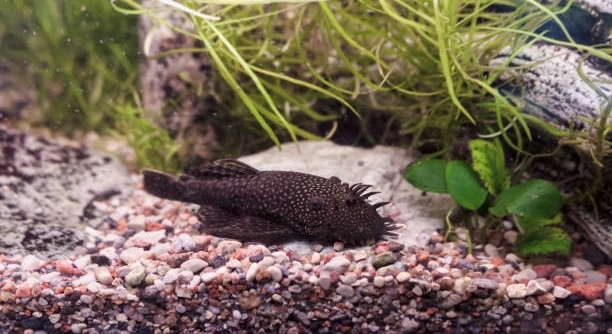
Are you caring for plecos and trying to find the most effective feeding schedule? These fascinating fish have specific habits and dietary needs that can impact their health, growth, and overall well-being in your aquarium environment.
The most effective feeding times for plecos are structured around their nocturnal and crepuscular tendencies. Feeding them in the early evening, late night, and just before dawn aligns with their natural activity patterns, promoting optimal digestion, growth, and overall vitality.
Understanding these feeding patterns can help you maintain a healthier aquarium and ensure your plecos thrive consistently over time. Proper timing directly supports their natural behaviors and long-term welfare.
Morning Feeding: Just Before Sunrise
Feeding plecos just before sunrise takes advantage of their natural early activity. During this time, they begin moving and exploring their habitat, searching for food. Offering a small portion of algae wafers, vegetables, or sinking pellets in the early hours encourages them to eat efficiently. This timing also reduces the risk of overfeeding because plecos are more likely to consume the food fully. Observing their behavior in the morning helps you adjust portions for each individual fish. Plecos tend to be calmer in the cooler early hours, which supports better digestion and nutrient absorption. If your tank has multiple fish species, morning feeding ensures plecos have access to food before more aggressive fish dominate the feeding area. Maintaining consistency in timing helps plecos develop a routine, making their feeding predictable and stress-free. Early feeding also allows for more interaction during the day, as you can monitor their health and appetite closely.
Morning feedings promote healthy digestion and reinforce plecos’ natural rhythm. Regular pre-dawn feeding ensures they receive essential nutrients.
Offering food before sunrise helps plecos settle into the day while meeting their dietary needs effectively. Consistent morning feeding reduces stress and supports growth, making it easier to monitor their overall health. Adjusting portions based on consumption ensures a balanced diet, preventing leftovers from polluting the water. Morning feedings also help maintain water quality, as uneaten food can degrade and produce harmful substances. By observing their habits, you can refine feeding schedules and identify preferences, improving their well-being. Incorporating vegetables like zucchini or cucumber along with algae wafers adds variety and ensures sufficient fiber intake. Tracking feeding success over several days allows you to determine optimal portion sizes and timing. Regular morning feeding establishes a predictable routine for plecos, encouraging natural behaviors and promoting a stable environment. By making this small adjustment in your daily care, plecos stay active, healthy, and more visible, adding life to your tank consistently.
Midday Feeding: Low-Activity Period
Plecos are less active during midday, but offering a light feeding can support overall nutrition without overfeeding. Small portions of sinking food work best.
During their low-activity period, a modest midday feeding ensures that plecos receive adequate nutrients without overwhelming their digestive system. This approach prevents leftover food from decaying in the tank, which can affect water quality. Observing their reaction to small midday meals helps identify their appetite patterns and prevents unnecessary waste. Incorporating a variety of foods at this time, such as blanched vegetables or algae, maintains nutritional balance. Adjusting quantities according to their activity level ensures energy needs are met without risking excess uneaten food. Midday feeding also supports the growth of juvenile plecos that may require additional nutrition throughout the day. Tracking their response over time allows fine-tuning of portion size and timing for better consistency. This strategy promotes healthier digestion and ensures plecos remain nourished during less active hours. Feeding during low-activity periods is especially useful in community tanks, reducing competition and ensuring plecos access to the food they need. Consistent attention to feeding patterns maintains overall tank health and prevents common issues related to overfeeding or irregular schedules.
Evening Feeding: Peak Activity Time
Plecos become most active in the evening. Feeding them during this period encourages natural foraging and ensures they consume adequate nutrients before nightfall. Sinking wafers and vegetables are ideal for this time.
Evening feedings align with plecos’ nocturnal tendencies. As light dims, they explore the tank more actively and consume food efficiently. Providing food at this time reduces competition with other daytime fish, ensuring plecos receive proper nutrition. Including a mix of algae wafers and blanched vegetables satisfies their dietary needs and supports healthy growth. Observing their evening activity allows you to monitor health indicators like color, energy levels, and appetite. Regular evening feeding also establishes a predictable routine, reducing stress and maintaining stable tank behavior patterns. Over time, plecos become accustomed to this schedule, feeding eagerly when food is offered, which simplifies portion management. Ensuring consistent evening feeding supports both physical health and behavioral enrichment, making them more visible and active during this period.
Consistent evening feeding supports natural behavior, enhances digestion, and helps maintain stable tank dynamics. This timing maximizes nutrient intake efficiently.
Night Feeding: Just Before Full Darkness
Nighttime feeding satisfies plecos’ nocturnal instincts. Small portions of algae or sinking food are best to prevent overfeeding.
Feeding plecos just before full darkness ensures they are active when offered food. Their nocturnal activity peaks during these hours, making them more likely to consume all portions. Offering small, controlled amounts prevents waste and maintains water quality. Including soft vegetables, algae wafers, or specialized sinking pellets supports proper nutrition. Observing their nighttime feeding habits helps identify preferences and portion adjustments for individual fish. This schedule also minimizes competition with other species that are less active at night, allowing plecos to feed calmly. Regular night feeding reinforces their natural rhythm, promoting digestion and energy utilization. Tracking consumption and adjusting portions over several nights ensures optimal growth and health. Maintaining consistency with night feedings reduces stress and improves overall well-being in the tank environment.
Late Night Feeding: Quiet Tank Hours
Plecos feed best during late-night quiet hours. Offering small portions of sinking food ensures they eat without competition or stress from other fish.
This feeding helps maintain their energy throughout the night. Light vegetables or algae wafers provide essential nutrients and support digestion during low-activity hours.
Mid-Afternoon Feeding: Supplementary Nutrition
Providing a light feeding in the mid-afternoon can support overall nutrition. Use small amounts of algae wafers or blanched vegetables. This timing works especially well for juvenile plecos that need additional energy throughout the day. Regular observation ensures food is consumed fully and prevents water contamination. Consistency at this time supports healthy growth and predictable feeding behavior, even if plecos are less active during bright daylight.
Pre-Dusk Feeding: Preparing for Active Hours
Feeding plecos just before dusk prepares them for peak evening activity. Small portions encourage movement and ensure balanced nutrient intake.
Weekend Feeding Adjustment
Adjusting feeding on weekends helps accommodate changes in routine. Slightly earlier or later feedings can maintain consistency and prevent overfeeding while keeping plecos’ schedule stable.
FAQ
How often should I feed my plecos?
Plecos generally thrive with one to two feedings per day, depending on their age and size. Juveniles may require more frequent meals, while adult plecos often do well with a single main feeding and an optional supplemental feeding. Observing their appetite and behavior will help you determine the right schedule. Overfeeding can lead to poor water quality and health issues, so portion control is essential. Stick to consistent times to establish a routine, which reduces stress and encourages natural feeding behavior.
What is the best type of food for plecos?
A balanced diet is essential for plecos. Algae wafers and sinking pellets are the most common staples, providing necessary protein and fiber. Supplementing with fresh vegetables like zucchini, cucumber, spinach, or peas adds vitamins and variety. Occasionally, plecos can benefit from protein-rich treats like bloodworms, but these should be limited to avoid digestive issues. Consistency in food type and quality ensures healthy growth and reduces the risk of malnutrition or disease. Rotating foods occasionally helps keep plecos interested and supports overall well-being.
Can plecos be overfed?
Yes, plecos can easily be overfed, which may cause obesity, digestive issues, and water quality problems. Uneaten food decomposes and increases toxins in the tank, creating an unhealthy environment. It is better to feed small portions and remove leftovers after a few hours. Observing their feeding response helps you adjust amounts appropriately. A regular feeding schedule with controlled portions prevents overfeeding while meeting nutritional needs. Ensuring food reaches all plecos in a community tank is also important to prevent dominant fish from consuming too much and leaving others hungry.
How do I know if my pleco is eating enough?
Monitoring your pleco’s body condition and behavior provides clues. Healthy plecos are active during feeding times, display bright coloration, and maintain a smooth body shape. If a pleco appears thin, lethargic, or hides excessively, it may not be getting enough food. Observing how quickly they consume meals and whether all food is eaten helps determine if portions are appropriate. Adjusting feeding times and amounts based on these observations ensures proper nutrition. Maintaining clean water and stable conditions also improves appetite and overall health.
Should I feed plecos during the day or at night?
Feeding should align with their natural activity patterns. Plecos are nocturnal or crepuscular, so early morning, late evening, and nighttime feedings are most effective. They may eat during low-light periods, and food offered during bright daylight might be ignored. Feeding at their active times ensures efficient consumption, reduces competition, and promotes natural behavior. Monitoring their response to different feeding times can help fine-tune the schedule to suit individual fish or tank dynamics. A consistent routine supports digestion and long-term health.
What vegetables are safe for plecos?
Safe vegetables include zucchini, cucumber, spinach, peas, and lettuce. Blanching harder vegetables makes them easier to eat and digest. Rotate different vegetables to provide balanced nutrition and keep meals interesting. Avoid overly processed or seasoned vegetables. Fresh, clean, and properly prepared vegetables support fiber intake, digestive health, and overall vitality. Some plecos also enjoy occasional pumpkin or squash slices, which can supplement their diet. Proper preparation, like removing seeds and cutting into small portions, ensures the vegetables are safe and manageable for plecos to consume.
Can plecos survive on algae alone?
While plecos naturally graze on algae, relying solely on it is insufficient for long-term health. Algae may provide some fiber and minor nutrients, but it lacks the protein and vitamins required for proper growth. A diet supplemented with algae wafers, vegetables, and occasional protein sources is necessary. Feeding only algae can lead to deficiencies, weak immune systems, and stunted growth. Including a variety of foods ensures balanced nutrition and maintains energy levels. Observing your pleco’s body condition over time will indicate whether the diet is adequate and needs adjustment.
How do I adjust feeding for multiple plecos?
In tanks with multiple plecos, ensure food is spread across different areas to prevent competition. Dominant fish may consume more than their share, leaving others underfed. Smaller portions placed in multiple locations allow all plecos access. Monitoring feeding behavior helps identify if adjustments are needed. Staggering feedings or offering supplemental meals can ensure equitable nutrition. Proper distribution also prevents excessive leftovers from accumulating in one spot, which can degrade water quality. Maintaining consistent feeding times and observing responses keeps all plecos healthy and reduces stress within the tank.
Is it okay to skip a feeding?
Occasionally skipping a feeding is generally safe for adult plecos, as they can tolerate short periods without food. However, consistency is important for growth, health, and routine. Juvenile plecos should not miss feedings, as they require more frequent nutrition for development. Skipping feedings occasionally may help control overfeeding and prevent water quality issues, but it should not become a regular practice. Monitoring fish health and adjusting schedules based on appetite and tank conditions ensures plecos remain healthy and active. Consistency is key for predictable behavior and digestion.
Can plecos eat live plants in the tank?
Some plecos nibble on soft live plants, which can supplement their diet, but they should not rely on them exclusively. Hardy plants may survive, while tender plants could be damaged. Providing prepared vegetables ensures adequate nutrition without harming the tank’s ecosystem. Live plants may also offer hiding spots, which reduce stress and encourage natural behavior. Balancing plant feeding with algae wafers and vegetables ensures nutritional needs are met while maintaining a healthy aquarium environment. Observing their interactions with plants helps determine if supplementation is sufficient or if additional food is required.
Final Thoughts
Feeding plecos effectively requires understanding their natural behavior and activity patterns. These fish are primarily nocturnal and crepuscular, which means they are most active during low-light periods such as early morning, late evening, and nighttime. Aligning feeding times with these natural rhythms ensures that plecos are alert and ready to eat, improving the likelihood that they will consume all offered food. Offering the correct portion sizes during these periods also prevents overfeeding, which can lead to poor water quality and health issues. Over time, consistent feeding schedules help plecos establish routines, reduce stress, and maintain healthy digestion. Observing their behavior during each feeding session allows you to make adjustments to portion size, food type, and timing to suit the needs of individual fish. Feeding should not be hurried or done indiscriminately; instead, it should be deliberate and aligned with the habits and requirements of plecos. By paying attention to their activity, appetite, and preferences, you can ensure that each feeding supports both their health and the overall stability of the aquarium.
Providing a balanced diet is equally important as timing. Plecos thrive on a combination of algae wafers, sinking pellets, and fresh vegetables. Including items like zucchini, cucumber, spinach, or peas offers fiber, vitamins, and minerals that support proper growth and digestion. Occasionally supplementing their diet with protein-rich foods such as bloodworms or shrimp can be beneficial, but these should only be offered sparingly. A varied diet prevents nutritional deficiencies and keeps plecos engaged with their meals. It also reduces the risk of boredom, which can occur if the same food is offered repeatedly. Fresh vegetables should be prepared appropriately, such as blanching harder vegetables, to make them easier to eat and digest. By maintaining a consistent variety, plecos remain healthy and their immune systems stay strong, reducing the likelihood of illness or poor growth. Feeding practices that consider both timing and diet contribute to the long-term well-being of these fish, allowing them to thrive in a controlled environment.
Finally, maintaining clean water and monitoring feeding habits are essential components of responsible care. Uneaten food left in the tank can decompose, producing toxins that negatively affect both plecos and other tank inhabitants. Removing leftovers and adjusting portions according to consumption helps maintain water quality. Observing how plecos interact with their food, how quickly they eat, and any changes in appetite or activity can provide early indications of health concerns. In addition, proper feeding habits create a sense of stability in the aquarium, allowing plecos to exhibit natural behaviors and remain active during peak periods. By combining careful observation, appropriate diet, and consistent feeding schedules, plecos can grow, thrive, and maintain vibrant health over time. A thoughtful, attentive approach to feeding ensures that their nutritional needs are met while preserving a balanced and stable aquatic environment.

Hello,
If you enjoy the content that we create, please consider saying a "Thank You!" by leaving a tip.
Every little bit helps us continue crafting quality advice that supports the health, happiness, and well-being of pets around the world, for pets of all shapes, sizes, and species.
We really appreciate the kindness and support that you show us!