
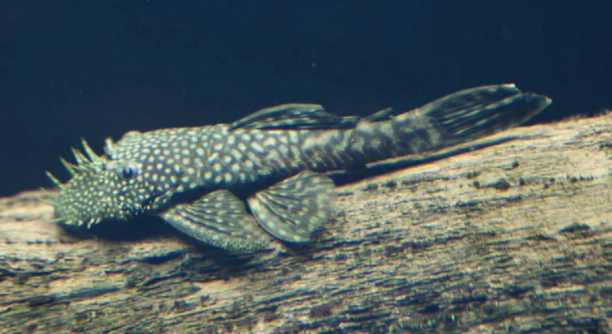
Have you ever noticed subtle changes in your pleco and wondered if something might be wrong? Observing their behavior and physical appearance closely can give clues about their overall health and well-being.
A pleco that is dying often shows clear signs, including loss of appetite, unusual lethargy, discoloration, and abnormal swimming patterns. Monitoring water quality, tank conditions, and recent changes in behavior are crucial to assess their health accurately.
Recognizing these signs early can help you take immediate steps to improve your pleco’s environment and care for its long-term health.
Common Signs Your Pleco Is Dying
One of the most noticeable signs of a dying pleco is a change in behavior. They may become unusually lethargic, hiding for long periods, or swimming awkwardly. Appetite loss is another major indicator. Even their coloring may fade or develop blotches that weren’t there before. Pay attention to fins, as torn or clamped fins can indicate illness or stress. Breathing may become rapid or irregular, showing that the fish is struggling. Changes in tank interaction are also telling; a healthy pleco is generally active at night, but a sick one may remain stationary or float near the surface. Water conditions play a huge role in their health, and even small fluctuations can trigger these signs. Observing these details carefully can help you catch issues early before they become fatal, giving the pleco a better chance at recovery.
Monitoring these changes consistently is essential. Early recognition can prevent further deterioration and give you a chance to improve their environment.
Even small adjustments in care can make a difference. Ensuring the water is clean, oxygenated, and at the correct temperature, along with feeding a balanced diet, supports their immune system. Sometimes adding hiding spots or gentle filtration can reduce stress significantly. Regular observation allows you to notice subtle shifts in behavior before serious problems occur. While plecos are hardy, they respond quickly to poor conditions, so preventive measures are always more effective than reactive ones. By staying attentive and proactive, you can improve your pleco’s comfort and health, giving it a stronger chance to recover from any early signs of illness.
Water Quality and Tank Conditions
Water quality directly affects pleco health and survival. Poor conditions can quickly lead to stress and illness.
Maintaining stable water parameters is critical. Temperature, pH, ammonia, nitrite, and nitrate levels must be checked regularly. Sudden changes in the tank, such as introducing new fish, overfeeding, or neglecting regular cleaning, can destabilize the environment. Dirty water can cause fin rot, skin infections, and breathing issues, all of which can weaken a pleco and speed the progression of disease. Using a reliable filter and performing consistent partial water changes are essential to keep toxins low. Proper aeration ensures oxygen levels remain sufficient, which supports their metabolism and overall vitality. Even minor improvements, like adding natural hiding spots or smoothing rough surfaces, can reduce stress and prevent injury. By prioritizing water quality, you create a safer and healthier habitat that allows your pleco to thrive rather than struggle. Regular monitoring, combined with responsive care, significantly increases their chances of long-term health and survival.
Diet and Nutrition
A pleco’s diet directly impacts its health. Feeding too little, too much, or the wrong type of food can weaken their immune system and make them more prone to illness. Balanced nutrition supports energy, growth, and recovery from stress or minor health issues.
Providing a varied diet is essential for a pleco’s well-being. They need a combination of algae wafers, fresh vegetables like zucchini or cucumber, and occasional protein sources. Relying solely on one type of food can lead to nutrient deficiencies and affect their overall health. Observing how they respond to different foods helps identify preferences and potential digestive issues. Overfeeding can pollute the tank, causing water quality issues that further harm the fish. Keeping a feeding schedule and monitoring intake ensures that they get the right nutrients without compromising their environment.
Supplements can help if a pleco shows signs of weakness or slow growth. Calcium-rich vegetables and fortified foods support bone and fin development. Avoid giving foods that spoil quickly, as this can introduce harmful bacteria. Feeding smaller portions multiple times a day can reduce leftover waste and improve digestion. By paying attention to diet and observing behavior after meals, you can quickly notice problems and make adjustments before health declines. A consistent and balanced diet directly contributes to their longevity and vitality.
Illness and Disease
Stress and poor conditions make plecos more susceptible to illness. Early signs include lethargy, fin rot, and unusual swimming patterns, all indicating compromised health.
Treating illnesses promptly is crucial to prevent progression. Identifying common diseases such as bacterial infections, parasites, and fungal growth allows you to intervene with medication or environmental adjustments. Quarantining new or sick fish can reduce the spread of disease within the tank. Maintaining proper water parameters supports recovery and reduces stress that worsens illness. Observation is key; noting subtle changes in appearance or behavior allows for timely action, preventing further complications and increasing the chances of recovery.
Regular health checks can prevent minor issues from becoming fatal. Watching for signs like discoloration, bloating, or frayed fins can indicate infection or nutrient deficiencies. Keeping a clean tank and consistent routine lowers disease risk. Medications should be applied carefully, following instructions and monitoring pleco responses. Sometimes environmental changes, such as improved filtration or added hiding spots, reduce stress enough for natural recovery. Combining proactive care with attentive observation ensures plecos remain healthy and resilient against common illnesses.
Behavioral Changes
Sudden changes in a pleco’s behavior can signal health problems. Hiding more than usual, refusing food, or swimming erratically often points to stress, illness, or poor water conditions. Early recognition helps prevent worsening health issues.
Aggression or unusual activity can also indicate discomfort. If a pleco is bumping against surfaces or other fish, it may be stressed or unwell. Monitoring interactions and noting shifts from normal behavior is important for timely intervention.
Physical Symptoms
Visible changes in a pleco’s body often reveal serious health concerns. Faded color, frayed fins, bloating, or lesions are signs that the fish may be struggling. Prompt attention to these symptoms is necessary. A careful examination of the pleco can help identify issues like infections or parasites early, which improves the chances of successful treatment. Even small injuries can worsen if water conditions are poor, so maintaining cleanliness and appropriate tank parameters is essential. Observing physical symptoms alongside behavior provides a more complete understanding of the pleco’s health, allowing for targeted care and necessary adjustments to diet or environment.
Stress Factors
Stress significantly affects a pleco’s health. Overcrowding, sudden temperature changes, or incompatible tankmates can weaken immunity and lead to illness.
FAQ
How long can a pleco survive in poor water conditions?
A pleco can survive for a short period in poor water, but prolonged exposure will weaken its immune system. Ammonia, nitrite, and nitrate buildup can cause stress, disease, and organ damage. Regular water changes and filtration are essential to maintain a healthy environment and prevent long-term harm.
What are the first signs that my pleco is sick?
Early signs include loss of appetite, unusual hiding, slow swimming, faded color, clamped fins, or frayed edges. Observing these subtle changes allows for quick intervention before the illness progresses, improving the chances of recovery. Combining visual checks with water testing helps identify underlying causes.
Can diet impact a pleco’s lifespan?
Yes. A poor diet lacking variety can lead to malnutrition, slow growth, and susceptibility to disease. Plecos need algae wafers, fresh vegetables like zucchini, and occasional protein supplements. Overfeeding can pollute the tank, so monitoring portion sizes is also important.
How do I tell if my pleco is stressed?
Stress is often shown through erratic swimming, hiding, aggression, or refusing food. Environmental stressors include overcrowding, sudden temperature changes, strong currents, or incompatible tankmates. Reducing stress by adjusting tank conditions improves overall health and prevents disease.
Is it normal for plecos to stop eating occasionally?
Short breaks in eating can be normal, especially during seasonal changes or molting periods. However, prolonged refusal to eat, lasting more than a day or two, often indicates illness, stress, or poor water quality. Monitoring the behavior alongside environmental factors is important.
Can I treat a sick pleco at home?
Yes, many illnesses can be treated at home with proper medication, water adjustments, or dietary changes. However, correct diagnosis is critical. Quarantining sick plecos prevents spreading disease, and monitoring progress closely ensures treatment is effective.
Why is my pleco’s color fading?
Fading color can result from poor water quality, stress, illness, or inadequate lighting. A healthy pleco should display vibrant colors. Adjusting water parameters, reducing stress, and ensuring proper diet can often restore natural coloring over time.
When should I consult a veterinarian?
A veterinarian should be consulted if your pleco shows severe illness, persistent symptoms despite care, or complex conditions like internal infections or parasites. Professional guidance can prevent fatal outcomes and recommend specialized treatment options.
Can plecos recover from fin rot?
Fin rot can be reversed if detected early. Improving water quality, providing a nutritious diet, and using appropriate antibacterial treatments can help. Severe cases may take longer to heal, and ongoing monitoring ensures recovery and prevents recurrence.
How often should I check my pleco’s tank?
Daily observation of behavior and weekly water testing are recommended. Monitoring temperature, pH, ammonia, nitrite, and nitrate levels helps detect potential issues early. Routine maintenance supports long-term health and prevents stress-related illnesses.
Can plecos survive alone?
Yes, plecos are generally solitary and do not require companions. They prefer hiding spots and a stable environment. Overcrowding can cause stress, so a single pleco in a properly maintained tank often thrives.
What environmental changes help a sick pleco recover?
Maintaining stable water temperature, ensuring clean water, adding hiding places, and avoiding strong currents all reduce stress. Gradual improvements in tank conditions support immune function and increase the chances of recovery from illness.
How can I prevent illness in my pleco?
Consistent tank maintenance, balanced diet, appropriate tankmates, and monitoring behavior are key. Quarantining new fish and preventing overcrowding also reduce exposure to pathogens. Preventive care helps maintain long-term health and reduces sudden health declines.
Can plecos die suddenly without warning?
Sudden death can occur if water conditions deteriorate rapidly, toxins accumulate, or severe infections go unnoticed. Regular observation, preventive care, and quick response to any signs of distress significantly reduce the risk of sudden fatalities.
How can I make my pleco comfortable during illness?
Provide calm surroundings with low stress, adequate hiding spots, and stable water conditions. Ensuring proper nutrition and minimizing disturbances allow the pleco to focus energy on recovery. Monitoring progress helps you adjust care as needed.
How long does recovery take for a sick pleco?
Recovery time varies depending on the illness, severity, and care provided. Minor infections or stress-related issues can improve in a few days, while serious infections may take weeks. Patience and consistent care are essential for full recovery.
What are signs of improvement in a sick pleco?
Improvement is shown through increased activity, normal swimming patterns, returning appetite, brightened color, and healthy fins. Observing these changes confirms that interventions and care are effective, and continued maintenance ensures long-term health.
Can water temperature affect my pleco’s health?
Yes, temperature fluctuations stress plecos and can suppress immunity. Most plecos thrive in stable, warm water between 72–78°F (22–25°C). Maintaining this range supports metabolism, digestion, and overall vitality. Sudden drops or spikes can trigger illness.
Are there common mistakes in pleco care that shorten their lifespan?
Yes. Common mistakes include poor water quality, overfeeding, overcrowding, incompatible tankmates, lack of hiding spots, and inconsistent observation. Avoiding these errors ensures your pleco has the best chance at a long, healthy life.
How do I know if my pleco is too old?
Aging plecos may slow down, show faded colors, and reduce appetite. While aging is natural, environmental stressors can accelerate decline. Providing optimal care can help older plecos maintain comfort and vitality, even in their later years.
Final Thoughts
Caring for a pleco requires close attention to both behavior and environment. These fish are resilient but still sensitive to changes in water quality, diet, and tank conditions. Paying attention to subtle signs, like changes in swimming patterns, appetite, or coloration, can help identify problems before they become serious. Plecos may hide or appear lethargic when stressed, which is a natural reaction, but it is also a signal that something in their habitat needs adjustment. Observing these details regularly is one of the most effective ways to ensure your pleco stays healthy and comfortable. Even small improvements, such as adding hiding spots or adjusting the lighting, can make a noticeable difference in their well-being. Being proactive rather than reactive allows you to maintain a stable environment, which is key to their long-term health.
Nutrition plays a major role in a pleco’s overall condition and ability to recover from illness. Providing a balanced diet that includes algae wafers, fresh vegetables, and occasional protein supplements supports growth, strengthens the immune system, and prevents common health problems. Overfeeding or offering an unbalanced diet can lead to water pollution and malnutrition, which can worsen any existing health issues. Monitoring feeding habits and portion sizes helps you maintain a cleaner tank and ensures the pleco receives proper nutrition. Even minor dietary adjustments can have a large impact on energy levels, coloration, and overall vitality. Coupling a consistent feeding routine with attention to water quality ensures that your pleco has the best chance to thrive in its habitat.
Water conditions and stress management are equally critical for pleco health. Stable temperature, proper filtration, and clean water reduce the likelihood of disease and help the fish maintain normal behavior and growth. Stress can come from sudden changes in tank conditions, aggressive tankmates, or overcrowding, and it often weakens the immune system, making illness more likely. By keeping the environment stable and observing your pleco’s responses, you can identify potential problems early and make necessary adjustments. Regular monitoring, along with quick action when issues arise, greatly improves their chance of recovery if health concerns appear. Overall, consistent care, a balanced diet, and attention to water quality work together to create a healthy environment, giving plecos the support they need to live longer, healthier lives while remaining active and comfortable in their tanks.

Hello,
If you enjoy the content that we create, please consider saying a "Thank You!" by leaving a tip.
Every little bit helps us continue crafting quality advice that supports the health, happiness, and well-being of pets around the world, for pets of all shapes, sizes, and species.
We really appreciate the kindness and support that you show us!