
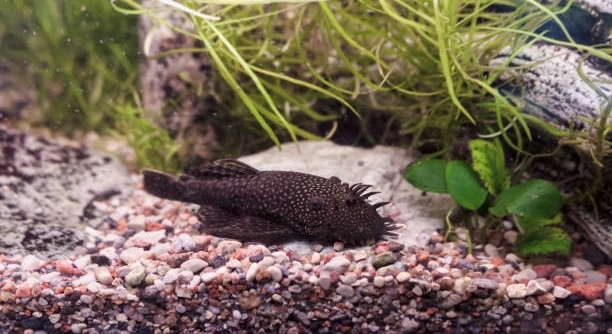
Paragraph: Many aquarium enthusiasts enjoy keeping plecos because of their unique appearance and helpful cleaning habits. Understanding their needs ensures they thrive in your tank and live a long, healthy life without unnecessary stress.
Paragraph: Plecos generally require a water temperature between 74°F and 80°F (23°C–27°C) to remain healthy. Maintaining this stable temperature range supports proper metabolism, digestion, and overall well-being, while sudden fluctuations can cause stress and increase susceptibility to disease.
Paragraph: Maintaining the right water temperature is essential, and small adjustments can make a significant difference in your plecos’ overall health and comfort in the aquarium.
Ideal Water Temperature for Plecos
Plecos are tropical fish, so keeping their water within the right temperature range is crucial. Water that is too cold slows their metabolism, making them sluggish and more prone to illness. On the other hand, water that is too warm can reduce oxygen levels, stressing the fish and causing health issues. A consistent temperature between 74°F and 80°F (23°C–27°C) allows plecos to feed properly and remain active. Using a reliable aquarium heater and thermometer helps maintain this stability, avoiding sudden changes that can shock the fish. In addition to temperature, clean water and proper filtration support their well-being. Regular water changes also help maintain the correct chemical balance, keeping plecos comfortable and healthy. Observing your plecos’ behavior can give clues about temperature issues, such as hiding more than usual or reduced appetite. Simple monitoring routines make a noticeable difference in their long-term health and vitality.
Maintaining a stable temperature prevents stress and promotes growth, feeding, and regular activity for your plecos.
Plecos respond well to gradual adjustments if you need to change their tank temperature. Small, incremental changes over several hours or days allow their bodies to adapt without shock. Sudden shifts can weaken their immune system and make them more vulnerable to disease. Tank placement also matters—keeping the aquarium away from drafts, windows, or heat sources prevents unpredictable fluctuations. In larger tanks, using multiple heaters or circulating water ensures even temperature distribution. Observing water temperature at different points in the tank helps confirm stability. Combining proper temperature control with clean, oxygenated water ensures plecos remain active and healthy. Their feeding habits, behavior, and coloration all reflect water conditions, so consistent monitoring is key. Maintaining proper care routines, including testing water parameters like pH and ammonia levels, complements temperature management, providing a balanced environment where plecos can thrive over many years. Small attention to detail results in healthier, more active fish.
Common Temperature Mistakes
Temperature swings can harm plecos quickly. Small changes over time are safer than abrupt shifts.
Many aquariums experience unnoticed temperature changes caused by heaters set too high, exposure to sunlight, or room heating and cooling systems. Even short periods of cold or warm water can affect plecos’ metabolism, making them less active or causing irregular feeding. Some hobbyists underestimate how quickly water can change, especially in smaller tanks where temperature is less stable. Monitoring daily and adjusting gradually avoids these problems. Using a thermometer at different locations in the tank helps identify inconsistent spots. Avoiding extremes and maintaining a consistent, comfortable environment keeps plecos healthy. Combining proper water temperature with regular water changes and proper filtration ensures fish are protected against stress-related illnesses. Observing your plecos’ behavior can alert you early to potential issues, allowing simple fixes before they become serious. Planning around daily room temperature changes and avoiding placing tanks near windows or vents further helps maintain stability. Over time, careful temperature control contributes to stronger, more resilient fish that display natural activity and feeding patterns, enhancing both their longevity and overall health.
Adjusting Tank Temperature Safely
Gradually changing water temperature prevents stress and illness in plecos. Sudden shifts can shock them and weaken immunity. Small, incremental adjustments over several hours or days allow fish to adapt comfortably without risking health or behavior issues.
Using a heater with an adjustable thermostat makes gradual temperature changes easier. Increase or decrease the temperature by one or two degrees at a time, monitoring plecos’ behavior closely. For larger tanks, circulating water with a pump ensures even heating. Avoid placing tanks near windows, air vents, or direct sunlight, as these can cause rapid fluctuations. Testing the water temperature in multiple spots ensures uniform conditions throughout the tank, reducing stress for all inhabitants. Regular observation of plecos’ activity and appetite helps confirm they are adjusting well.
In addition to heaters, water changes affect tank temperature. Adding cooler or warmer water abruptly can stress plecos, so match the replacement water as closely as possible to the current tank temperature. This attention to detail keeps plecos active and feeding normally. Even minor temperature swings, repeated over time, can impact growth and health. Combining careful water changes with consistent monitoring ensures a safe environment where plecos thrive. Maintaining a steady routine minimizes risks and promotes long-term well-being.
Signs of Temperature Stress
Behavior changes can indicate plecos are too cold or hot. Lethargy, reduced appetite, and hiding are common signals of stress.
Plecos may become unusually sluggish if the water is too cold, as their metabolism slows down. Conversely, overly warm water can make them restless or increase respiration rates. Stress from temperature changes can suppress immunity, making them more prone to illness. Watch for erratic swimming or surface gasping, which can indicate insufficient oxygen caused by high temperatures. Providing hiding spots and monitoring water conditions helps mitigate stress. Maintaining the right temperature range consistently prevents these issues and supports overall health.
Along with behavior, physical signs can indicate stress. Pale coloration, clamped fins, or sudden loss of appetite may signal that the temperature is outside their comfort zone. Minor fluctuations may go unnoticed at first, but repeated exposure weakens their immune system over time. Adjusting the heater gradually, avoiding cold water additions, and ensuring proper circulation can reverse these effects. Monitoring both water parameters and plecos’ responses ensures that the tank remains stable, preventing long-term health problems. Stress management through careful temperature control is a simple yet essential practice for maintaining active, healthy plecos.
Best Heater Types for Pleco Tanks
Submersible heaters are reliable and provide even heating throughout the tank. They are fully waterproof and can be placed near the filter output for better circulation.
Ceramic heaters are durable and maintain stable temperatures without taking up much space. Both types help avoid sudden temperature swings that can stress plecos.
Monitoring Temperature Effectively
Using a digital thermometer allows precise readings and helps track small changes that might affect plecos. Stick-on thermometers are convenient but less accurate, while probe thermometers provide reliable, consistent measurements. Regular monitoring ensures the tank stays within the safe 74°F–80°F range.
Seasonal Temperature Considerations
Room temperature changes during different seasons can affect tank water. Keep an eye on winter chills and summer heat to prevent sudden fluctuations.
FAQ
What is the ideal temperature for plecos?
Plecos do best in water between 74°F and 80°F (23°C–27°C). Maintaining this range supports their metabolism, digestion, and overall activity. Temperatures outside this range can slow their metabolism or stress the fish, making them more susceptible to disease.
Can plecos survive in cooler water?
Plecos can survive in slightly cooler water for short periods, but prolonged exposure below 72°F (22°C) can slow digestion, reduce activity, and weaken their immune system. Consistent temperatures are critical for long-term health.
What happens if the water gets too warm?
Water above 80°F (27°C) reduces oxygen levels, which can make plecos restless, increase respiration, and raise stress levels. Over time, this can weaken their immunity and make them prone to infections or disease.
How can I safely adjust the tank temperature?
Increase or decrease the temperature gradually, one or two degrees at a time. Use an adjustable heater and monitor plecos’ behavior closely. Avoid sudden changes and check the water temperature at multiple points to ensure consistency.
Do plecos need different temperatures at night?
A slight drop in temperature at night is acceptable, but avoid sudden fluctuations. Keeping the tank within the safe range at all times is best for consistent metabolism and activity.
Can room temperature affect my plecos?
Yes, heaters alone may not compensate for drafts, direct sunlight, or seasonal room temperature changes. Monitor the tank closely, especially during winter or summer, to avoid unwanted swings that can stress plecos.
How do I know if my pleco is stressed by temperature?
Look for signs like hiding, reduced appetite, clamped fins, pale coloration, or unusual swimming patterns. Sudden behavior changes often indicate stress from temperature fluctuations or poor water conditions.
Do larger tanks require special considerations for temperature?
Yes, larger tanks may have uneven heating. Use multiple heaters or ensure proper water circulation to maintain a uniform temperature. Testing multiple points in the tank ensures stability throughout.
Are aquarium heaters reliable for plecos?
Most submersible and ceramic heaters are reliable if used correctly. Pairing a heater with a thermometer allows accurate monitoring, helping avoid sudden changes or overheating.
How often should I check the water temperature?
Daily checks are recommended, especially for new setups or during seasonal changes. Consistent monitoring ensures plecos remain within the ideal range, preventing stress and health issues.
Can temperature changes affect breeding?
Yes, plecos may need slightly warmer or more stable water to encourage breeding. Sudden fluctuations can disrupt spawning behavior or reduce fry survival, making steady temperatures essential during breeding periods.
Is it okay to use a thermometer sticker on the tank?
Stick-on thermometers are convenient but less precise. Digital or probe thermometers are more accurate and help detect small changes that could impact plecos’ health. Checking multiple points in the tank is ideal.
How do water changes impact temperature?
Adding cooler or warmer water can stress plecos. Match the replacement water to the tank’s current temperature to avoid sudden shifts. Gradual water changes combined with monitoring help maintain a stable, comfortable environment.
Can plecos adapt to small temperature variations?
Plecos tolerate minor fluctuations, but repeated or extreme changes can stress them over time. Maintaining consistent conditions ensures healthy activity, feeding, and overall growth.
What tools help maintain a stable tank temperature?
A reliable heater, thermometer, and proper circulation system are key. Avoid placing tanks near drafts, vents, or direct sunlight. Combining these tools provides a stable environment for plecos to thrive.
How do I prevent temperature-related illnesses?
Keep water within the safe range, maintain proper filtration, and perform regular water changes. Monitoring behavior, color, and activity levels helps detect early signs of stress, preventing illness caused by temperature fluctuations.
This FAQ provides a thorough guide to understanding, monitoring, and maintaining safe temperatures for plecos, helping them stay healthy and active in your aquarium.
Final Thoughts
Keeping plecos healthy requires careful attention to their environment, with water temperature being one of the most important factors. These fish are tropical by nature, so they rely on consistent warmth to maintain normal metabolism and activity. Even small fluctuations can stress them, affecting their feeding habits, behavior, and overall health. Maintaining a temperature range between 74°F and 80°F (23°C–27°C) creates an environment where plecos can thrive, stay active, and grow steadily. Using a reliable heater and thermometer ensures that the water remains stable, reducing the risk of sudden changes that could harm the fish. Observing plecos closely allows you to notice subtle changes in behavior, which can indicate if adjustments are needed.
Temperature is closely linked to other aspects of care, including water quality and tank setup. Proper filtration, regular water changes, and consistent monitoring of parameters like pH and ammonia levels all work together with temperature control to support healthy plecos. Even if the water is at the right temperature, poor water quality can still cause stress or illness. Circulation and aeration also help maintain a uniform temperature throughout the tank, ensuring no spots are too warm or too cold. Placing the tank away from drafts, windows, or heat sources further reduces the risk of sudden changes. Careful attention to these details helps create a balanced and stable environment, allowing plecos to live comfortably and exhibit natural behavior.
Understanding the role of temperature in pleco care also helps prevent long-term health issues. Fish that experience repeated stress from unstable temperatures may become more susceptible to disease and show slower growth or weaker activity levels. Consistency is key, and even minor adjustments should be made gradually to avoid shock. Watching for signs like lethargy, reduced appetite, clamped fins, or pale coloration provides early warning of temperature-related stress. By combining careful temperature management with proper feeding, water maintenance, and observation, plecos can enjoy a healthy and active life in your aquarium. Ultimately, paying attention to these simple but essential details ensures that your fish thrive and remain a vibrant, enjoyable part of your tank for years to come.

Hello,
If you enjoy the content that we create, please consider saying a "Thank You!" by leaving a tip.
Every little bit helps us continue crafting quality advice that supports the health, happiness, and well-being of pets around the world, for pets of all shapes, sizes, and species.
We really appreciate the kindness and support that you show us!