
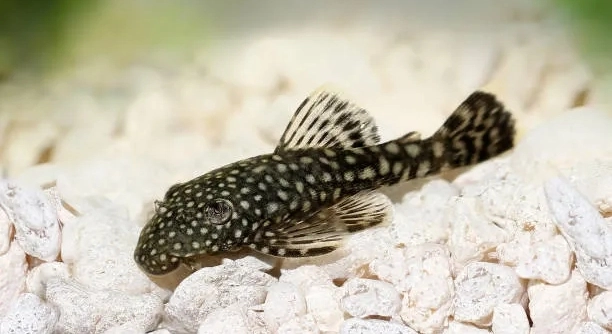
Is your pleco swimming happily around its tank, leaving you wondering if it’s truly in the best of health?
A healthy pleco displays consistent activity, a strong appetite, and a vibrant appearance with smooth skin and clear eyes. Proper coloration, regular waste output, and stable behavior are also indicators that your pleco is thriving in its environment.
Learning these subtle signs will help you understand your pleco’s well-being and ensure it continues to live a long, healthy life.
Bright and Consistent Coloration
Your pleco’s color is one of the clearest signs of its overall health. A vibrant, rich tone—whether brown, black, or patterned—shows good nutrition and stable water conditions. Healthy plecos maintain their natural coloration, while fading or blotchy skin can suggest stress or poor diet. Consistent brightness also indicates that your pleco’s immune system is functioning properly, protecting it from potential diseases. If you notice dullness, check water parameters such as ammonia and nitrate levels, as imbalances can affect their appearance. Providing high-quality algae wafers, fresh vegetables, and a calm habitat ensures their colors stay bright and healthy for years.
When a pleco’s colors remain vibrant, it reflects a well-balanced environment and proper care. Stable lighting, good nutrition, and low stress help preserve its natural patterns and vibrancy, making it a reliable visual indicator of health and contentment.
Keeping an eye on subtle changes in color can help you act early if something seems off. Regular monitoring and small adjustments, such as improving diet or filtration, can quickly restore brightness. Plecos are resilient, but maintaining consistent conditions allows their natural beauty to flourish. Always remember, healthy coloration mirrors both a thriving fish and a well-maintained aquarium.
Active and Steady Behavior
Healthy plecos show consistent patterns of activity, especially during the night when they are most active. You will often find them exploring, grazing on algae, or resting calmly in shaded areas.
A sudden lack of movement or excessive hiding can point to stress or illness. Ensure the tank setup mimics their natural habitat with hiding spots, driftwood, and clean water. Plecos prefer stability, and frequent water changes or poor oxygen levels can cause behavioral shifts. Providing them with a balanced diet rich in fiber helps maintain energy and gut health. When your pleco moves steadily, eats well, and interacts with its surroundings naturally, these are signs of excellent health. A calm yet active pleco signals comfort in its space, and observing these behaviors regularly can help you maintain that balance effectively.
Clear Eyes and Smooth Skin
A healthy pleco’s eyes are clear, round, and alert, never cloudy or sunken. Smooth skin without sores, white patches, or rough scales indicates balanced nutrition, stable water conditions, and strong immunity against common bacterial or fungal infections.
Cloudy eyes or irritated skin often result from poor water quality or lack of proper filtration. Regular testing and weekly partial water changes help prevent this. Plecos also benefit from driftwood, which supports digestion and natural scraping behavior. Maintaining a clean tank and stable parameters promotes skin health and prevents harmful bacteria from developing. A healthy pleco’s skin feels firm and sleek, with no signs of swelling or lesions.
Paying close attention to the skin and eyes gives early clues about potential problems. A minor change in clarity or texture can signal an issue before it worsens. Quick responses—like adjusting temperature, improving diet, or cleaning the filter—help your pleco recover and maintain its natural glow.
Strong Appetite and Regular Feeding
A strong appetite is a direct reflection of your pleco’s internal health. Healthy plecos eagerly graze on algae, nibble vegetables, and enjoy their evening feedings. They tend to eat consistently, showing enthusiasm without overfeeding or food refusal.
When a pleco loses interest in food, it may indicate stress, poor water quality, or internal issues such as parasites. Offering a varied diet that includes sinking pellets, fresh zucchini, and occasional protein sources helps maintain energy and digestion. Clean the tank regularly to remove uneaten food, which can affect water balance. Feeding at consistent times supports a healthy rhythm and helps you notice changes in appetite quickly. Observing your pleco’s eating behavior daily ensures you catch early signs of imbalance and can restore proper conditions before health declines.
Regular Waste Output
Healthy plecos produce steady, well-formed waste, showing that their digestion and diet are balanced. Irregular waste, such as long, stringy feces or lack of output, often suggests dietary problems or stress related to water conditions.
Consistent feeding times and fiber-rich foods like blanched vegetables help regulate their digestion. Regular water changes and proper filtration also keep waste from accumulating and affecting their health. Monitoring these signs helps maintain both the pleco’s internal balance and the cleanliness of the tank.
Calm Resting and Hiding Habits
Healthy plecos alternate between activity and rest, often settling under driftwood or inside caves. This natural behavior allows them to recharge and feel secure. When resting patterns become erratic, it may signal stress, illness, or environmental instability.
Healthy Fins and Tail
A healthy pleco’s fins and tail are smooth, evenly spread, and free from tears or discoloration. Any fraying, redness, or clamping often means poor water quality or infection, requiring quick action to restore comfort and prevent further damage.
FAQ
How often should I feed my pleco?
Feeding frequency depends on the pleco’s size and tank conditions. Most adult plecos thrive on feeding once daily or every other day. Providing a mix of algae wafers, fresh vegetables like zucchini or cucumber, and occasional protein ensures they get balanced nutrition. Overfeeding can pollute the tank and stress your pleco, so remove uneaten food after a few hours. Younger plecos or smaller species may require more frequent feedings, but always observe their behavior and appetite to adjust portions appropriately.
What water parameters are best for plecos?
Plecos prefer stable water conditions. Ideal temperature ranges from 74°F to 80°F (23°C–27°C), with pH levels between 6.5 and 7.5. Ammonia and nitrite must remain at zero, while nitrate levels should stay below 20 ppm. Regular testing and weekly partial water changes help maintain these parameters. Consistent filtration and aeration reduce stress, improve oxygen levels, and prevent common health problems. Driftwood, rocks, and hiding spaces also create a natural environment that promotes comfort and prevents behavioral stress.
How can I tell if my pleco is stressed?
Stress can appear as hiding more than usual, clamped fins, irregular swimming, or reduced appetite. Changes in coloration, especially dullness or darkening, also indicate stress. Environmental factors like sudden water changes, poor water quality, overcrowding, or inappropriate temperature can trigger these behaviors. Observing your pleco regularly and maintaining consistent care routines helps prevent stress. Providing ample hiding spots and maintaining a calm, stable environment allows your pleco to feel secure and exhibit natural behaviors.
Is it normal for plecos to be active at night?
Yes, plecos are primarily nocturnal. They are more active during the evening and night, grazing on algae and exploring their environment. During the day, they often rest in shaded areas or under driftwood. This behavior is natural and indicates that your pleco feels comfortable in its habitat. If activity is reduced at night, check water quality, lighting, and tank conditions. Some species may have slightly different activity patterns, so observing your pleco’s normal rhythm helps distinguish between healthy nocturnal behavior and potential problems.
What should I do if my pleco stops eating?
Loss of appetite can be caused by stress, poor water conditions, illness, or dietary issues. Start by checking water parameters, temperature, and oxygen levels. Offer a variety of foods, including fresh vegetables, algae wafers, or occasional protein treats. If the pleco continues to refuse food for more than a few days, consult a veterinarian familiar with fish health. Prompt action helps prevent malnutrition and related complications, ensuring your pleco remains healthy and energetic.
Can plecos live with other fish?
Plecos are generally peaceful but can become territorial, especially in smaller tanks. They coexist well with larger, non-aggressive species, but overcrowding or aggressive tankmates may stress them. Providing hiding places, caves, and driftwood reduces conflicts. Observing interactions and maintaining proper tank size ensures compatibility. Juvenile plecos may be more vulnerable to harassment, so extra care is needed during early growth stages.
How often should I clean my pleco’s tank?
Partial water changes of 20–30% weekly are usually sufficient to maintain healthy water conditions. Removing uneaten food, vacuuming substrate, and cleaning filters help prevent waste buildup. Avoid cleaning too aggressively, as sudden changes in water parameters can stress plecos. Regular maintenance ensures stable water conditions, which directly impact health, behavior, and coloration.
Are plecos prone to diseases?
Yes, plecos can develop common freshwater fish diseases such as fin rot, ich, and bacterial infections. Poor water quality, stress, or poor diet increases susceptibility. Early detection, good water management, and proper nutrition are key to prevention. Observing skin, fins, eyes, and behavior helps identify issues before they become severe. Prompt treatment with appropriate medications or isolation of affected fish can prevent the spread of illness and preserve tank health.
Do plecos need special lighting?
Plecos do not require intense lighting. Moderate lighting mimics natural conditions and supports plant growth if you have live plants. Too much light can stress them, while complete darkness for extended periods may disrupt their natural activity cycle. Balanced lighting encourages healthy behavior, proper feeding, and stable activity patterns. Using a timer ensures consistent day and night cycles, helping maintain a healthy routine and promoting overall well-being for your pleco.
How long do plecos typically live?
Plecos can live anywhere from 10 to 20 years, depending on species, tank conditions, and care. Proper nutrition, stable water parameters, and a stress-free environment extend their lifespan. Regular observation and preventive care allow plecos to remain healthy and active for many years, making them long-term companions in an aquarium setting.
What is the best substrate for plecos?
Soft sand or smooth gravel is ideal, as it prevents injury to their ventral surfaces and barbels. Avoid sharp or rough substrates that can cause abrasions. A natural substrate also supports beneficial bacteria, improving water quality. Combining this with driftwood and rocks provides a comfortable and safe environment for resting, grazing, and natural behaviors.
Can plecos survive without algae in the tank?
Algae is an important food source, but plecos also need supplemental vegetables and sinking wafers for balanced nutrition. Relying solely on algae may not provide sufficient fiber or nutrients. Offering a varied diet ensures proper digestion, coloration, and long-term health, even if natural algae is limited in the aquarium.
Final Thoughts
Maintaining a healthy pleco requires consistent care and attention to detail. Observing your pleco’s behavior, appearance, and feeding patterns gives insight into its overall well-being. Healthy plecos display smooth skin, bright colors, clear eyes, and steady activity. They have a strong appetite, produce regular waste, and rest calmly in their hiding spots. Paying attention to these subtle signs allows you to identify potential problems early and make adjustments before issues escalate. Regular monitoring of water parameters, tank cleanliness, and diet ensures your pleco stays in optimal condition. Small, consistent efforts in feeding, cleaning, and observing your pleco go a long way toward supporting long-term health.
Providing a stable environment is one of the most important aspects of pleco care. These fish thrive in conditions that mimic their natural habitat. Clean, well-filtered water, appropriate temperature, and gentle lighting create a comfortable space for your pleco. Including driftwood, caves, and smooth substrate allows natural behaviors like grazing, hiding, and resting. Stress can arise when water conditions fluctuate or when the tank is overcrowded, so keeping a consistent routine helps your pleco feel secure. A well-maintained tank also reduces the risk of diseases, supports digestion, and encourages natural coloration. Investing in proper equipment, such as a reliable filter, thermometer, and water testing kit, simplifies maintenance and improves overall fish health.
Nutrition and observation are equally important for ensuring a pleco’s long-term wellness. A balanced diet including algae wafers, fresh vegetables, and occasional protein supplements supports proper growth, digestion, and immune function. Watching how your pleco responds to feeding helps you detect changes in appetite, energy, or digestion. Early intervention, whether adjusting diet, cleaning the tank, or addressing water quality issues, can prevent minor concerns from becoming serious health problems. Maintaining these practices consistently creates a healthy, thriving pleco that exhibits vibrant colors, steady activity, and natural behavior patterns. By staying attentive and providing proper care, your pleco can live a long, comfortable life, reflecting both your dedication and the importance of creating an environment where it can flourish.

Hello,
If you enjoy the content that we create, please consider saying a "Thank You!" by leaving a tip.
Every little bit helps us continue crafting quality advice that supports the health, happiness, and well-being of pets around the world, for pets of all shapes, sizes, and species.
We really appreciate the kindness and support that you show us!