
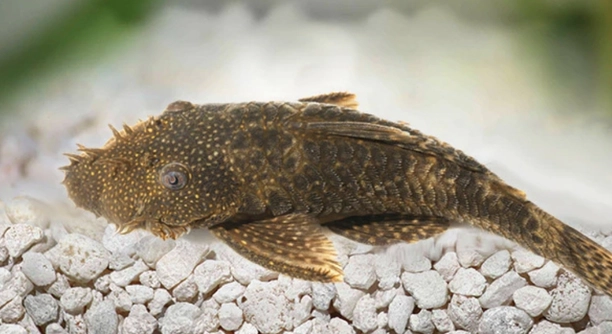
Are your plecos showing signs of unusual skin irritation that concern you? Skin health is vital for their overall well-being, and even small changes can indicate underlying issues affecting your fish in subtle ways.
Pleco skin irritation can result from multiple factors, including poor water quality, incorrect pH levels, physical injuries, parasitic infections, inadequate nutrition, stress, and exposure to harmful chemicals. Identifying the root cause is essential for effective treatment and prevention.
Understanding these causes will help you create a healthier environment for your plecos and maintain their skin in optimal condition.
Poor Water Quality
Maintaining clean water is crucial for plecos. Dirty or poorly filtered water can lead to skin irritation and infections. Accumulation of waste, leftover food, and decaying plants can produce ammonia and nitrites, which harm the delicate skin of your fish. Regular water changes and testing the water parameters help prevent these issues. Plecos are sensitive to sudden changes, so gradual adjustments in water quality are best. Using a reliable filtration system and monitoring levels of ammonia, nitrites, and nitrates ensures your pleco stays healthy. Observing the fish daily for changes in skin texture or behavior can indicate water problems early. Even small amounts of debris in the tank can stress your pleco and trigger irritation.
Proper filtration and regular maintenance are essential to keep pleco skin healthy and prevent long-term damage.
Keeping a stable environment with consistent temperature, pH, and clean water reduces stress and minimizes the risk of skin irritation. Regular cleaning and monitoring also support your pleco’s immune system and overall well-being, ensuring it thrives in its aquatic habitat.
Incorrect pH Levels
Plecos are sensitive to water pH, and imbalances can lead to skin irritation.
Water that is too acidic or too alkaline weakens their protective slime coat, making them prone to infections. Gradually adjusting the pH and testing water weekly helps maintain stability.
Maintaining the right pH is not just about comfort; it directly affects your pleco’s health. A stable pH ensures proper biological function and helps prevent stress-related illnesses. Sudden pH swings can cause visible redness, lesions, or abnormal behavior. Using natural substrates or buffers can help regulate pH without shocking your fish. Consistent monitoring and gradual adjustments are critical for long-term tank stability. Proper pH management complements other care practices, such as maintaining clean water, balanced nutrition, and minimizing stress. By keeping pH within the recommended range for your specific pleco species, you reduce the likelihood of skin irritation and create a healthier environment. A stable aquatic environment supports growth, enhances color, and keeps your pleco active and comfortable.
Physical Injuries
Plecos can injure themselves on sharp decorations or rough surfaces in the tank, leading to skin irritation and infection.
Even minor scratches can become infected if water quality is poor or the fish is stressed. Rocks, driftwood, and ornaments should be smooth and free of sharp edges. Observing your pleco while it moves around the tank can help identify potential hazards. Removing anything that causes repeated scraping reduces the risk of damage. Additionally, overcrowded tanks increase the chance of accidental collisions with other fish, which can worsen skin issues. Ensuring adequate space and careful placement of decorations prevents injuries and promotes safe exploration.
Treating injuries promptly with clean water and, if necessary, mild aquarium-safe antiseptics prevents secondary infections. Monitoring the affected area over time ensures healing, and maintaining stable tank conditions supports recovery. Providing hiding spots with smooth surfaces allows your pleco to rest safely while minimizing further damage, which encourages natural behavior without compromising health.
Keeping the tank free of sharp or abrasive materials and arranging decorations thoughtfully reduces the likelihood of repeated injuries. Smooth substrates, safe ornaments, and gentle handling when cleaning or moving the fish ensure long-term skin protection and overall well-being.
Parasitic Infections
Parasites like ich or flukes can irritate pleco skin and cause visible lesions or spots. Maintaining a regular quarantine routine helps prevent infestations.
Parasitic infections often appear as small white spots, redness, or frayed fins. These infections can spread quickly in unfiltered or untreated tanks. Identifying and isolating affected fish early reduces the risk to other tank inhabitants. Treatment may include medicated baths or adjusting tank conditions under careful guidance. Stress and poor water quality increase susceptibility, making prevention through cleanliness essential.
Once detected, treating the tank and the affected pleco is necessary to stop parasites from multiplying. Medicated treatments should follow instructions to avoid harming sensitive species. Regular observation, coupled with prompt response, prevents long-term damage to skin and fins. Quarantining new fish before introducing them to the main tank minimizes the chance of parasites spreading. Maintaining strong water quality, stable temperature, and proper nutrition strengthens the pleco’s immune system, helping it resist infections. Early detection combined with preventive measures ensures your pleco recovers faster and remains healthy in a safe environment.
Inadequate Nutrition
A poor diet can weaken a pleco’s skin and immune system, making irritation more likely. Feeding a variety of algae wafers, vegetables, and occasional protein helps maintain healthy skin and overall well-being.
Lack of essential nutrients like vitamins and minerals can cause dull skin, lesions, and slower healing. Balanced nutrition supports the protective slime coat, reducing susceptibility to infections and external irritants.
Stress
Stress from overcrowding, aggressive tank mates, or sudden environmental changes can trigger skin irritation. Plecos need a calm and stable environment to thrive.
Exposure to Chemicals
Household cleaners, insect sprays, or contaminated water can harm pleco skin. Even trace amounts in tap water or improperly rinsed decorations can lead to irritation and redness. Maintaining chemical-free water and avoiding toxins keeps plecos safe and healthy.
FAQ
How can I tell if my pleco has skin irritation?
Visible signs include redness, white spots, frayed fins, or patches of missing slime coat. Changes in behavior, such as hiding more than usual or rubbing against tank surfaces, can also indicate discomfort. Regular observation is key to catching issues early.
What is the fastest way to improve my pleco’s skin health?
Improving water quality through regular changes and proper filtration is the most effective step. Ensuring balanced nutrition and minimizing stressors also supports skin recovery. In cases of injury or infection, targeted treatment may be necessary, such as using mild antiseptics or anti-parasitic medication.
Can poor water quality really cause long-term skin problems?
Yes. Consistently high ammonia, nitrite, or nitrate levels damage the protective slime coat. Over time, this makes plecos more susceptible to infections, lesions, and chronic irritation. Maintaining stable, clean water prevents both immediate and long-term damage.
Is pH balance important for pleco skin?
Absolutely. Sudden shifts or improper pH levels weaken the slime coat and stress the fish. Gradual adjustments and regular testing help maintain a stable environment, which is essential for skin health and overall immunity.
How do I treat parasitic infections?
Isolate affected fish to prevent spreading, then use aquarium-safe anti-parasitic treatments. Follow dosage instructions carefully to avoid harming sensitive species. Maintain clean water and stress-free conditions during treatment, which aids recovery and reduces the likelihood of recurrence.
Can stress really cause skin irritation?
Yes. Overcrowding, aggressive tank mates, sudden environmental changes, or insufficient hiding spots can stress plecos. Stress suppresses the immune system, making them more prone to skin problems. Providing a calm, stable environment reduces risk and supports natural healing.
What should I do if my pleco injures itself?
Remove any sharp or abrasive objects from the tank to prevent further injury. Clean water helps prevent infections, and mild antiseptic treatments can speed healing. Monitor the injury daily to ensure it does not worsen and that the skin is regenerating properly.
Does diet affect skin health?
Definitely. A diet lacking essential vitamins and minerals can weaken the skin and slow healing. Feeding a mix of algae wafers, vegetables, and occasional protein ensures the pleco’s protective slime coat remains strong, reducing the risk of irritation and infection.
Are household chemicals dangerous to plecos?
Yes. Even small traces of cleaners, sprays, or improperly rinsed tank decorations can irritate the skin and harm overall health. Always use dechlorinated water and avoid introducing any toxins into the aquarium. Safety precautions prevent chemical-related skin problems.
How often should I check my pleco’s tank?
Daily observation for behavioral changes and weekly water testing are recommended. Monitoring for water parameters, cleanliness, and potential hazards ensures that skin irritation and other health issues are caught early and addressed promptly.
Can multiple causes contribute to skin irritation at the same time?
Yes, skin irritation is often the result of several factors combined, such as stress, poor water quality, and nutritional deficiencies. Addressing all contributing issues simultaneously ensures faster recovery and long-term skin health.
What is the best way to prevent future skin issues?
Maintain clean, balanced water, provide proper nutrition, minimize stress, and ensure a safe tank environment. Regular monitoring and early intervention at the first sign of irritation keep plecos healthy and reduce recurring problems.
How do I know if treatment is working?
Signs of improvement include less redness, regrowth of damaged skin, and a healthy slime coat. Behavior should normalize, with the pleco swimming freely and interacting naturally with the tank environment. Continued observation ensures recovery stays on track.
Can plecos fully recover from severe skin irritation?
Yes, with proper care. Recovery depends on removing stressors, treating infections, improving water quality, and ensuring nutrition is adequate. Healing may take time, but most plecos regain healthy skin and thrive with consistent care.
Are there preventative measures for new plecos?
Quarantine new fish for several weeks, check water parameters, and gradually introduce them to the main tank. Ensuring a stress-free, stable environment with proper nutrition helps prevent skin irritation and supports long-term health.
Final Thoughts
Taking care of plecos requires attention to both their environment and their health. Skin irritation is often a sign that something in their habitat is not quite right. Poor water quality, imbalanced pH levels, injuries, parasitic infections, inadequate nutrition, stress, and exposure to chemicals are all common causes of skin issues. By observing your pleco carefully, you can often catch problems early and take steps to prevent them from worsening. Consistent monitoring and maintenance help ensure that your pleco lives in a safe, stable, and healthy environment. Small changes, like cleaning the tank regularly, testing water parameters, and adjusting decorations to remove sharp edges, can make a big difference in preventing irritation.
Providing a balanced diet is equally important for maintaining skin health. Plecos require a mix of algae wafers, vegetables, and occasional protein to keep their slime coat strong and protect against infections. Without proper nutrition, the skin becomes more fragile, making the fish more susceptible to disease. Stress reduction is another critical factor. Overcrowded tanks, aggressive tank mates, or sudden environmental changes can weaken the immune system, making plecos more prone to irritation. Creating a calm and stable environment, along with regular observation, allows you to notice changes in behavior or appearance that may indicate early signs of skin problems. Preventive measures are always easier than treatments, and maintaining a proper routine is key to long-term health.
When issues do arise, prompt action is essential. Isolating affected fish, treating injuries or parasitic infections, and improving water quality can help your pleco recover quickly. Even minor problems can worsen if left unaddressed, so early intervention is important. Recovery may take time, but with consistent care, most plecos can regain healthy skin and thrive. Attention to detail, patience, and dedication to proper care create the best conditions for your pleco’s well-being. By focusing on clean water, safe surroundings, balanced nutrition, and stress reduction, you support not just their skin health but their overall quality of life. Regular monitoring, combined with preventive and corrective measures, ensures your pleco remains active, healthy, and comfortable in its aquatic home.

Hello,
If you enjoy the content that we create, please consider saying a "Thank You!" by leaving a tip.
Every little bit helps us continue crafting quality advice that supports the health, happiness, and well-being of pets around the world, for pets of all shapes, sizes, and species.
We really appreciate the kindness and support that you show us!